Last updated: May 6, 2026
In this article
About Action for Singapore Dogs
Action for Singapore Dogs is one of Singapore’s established dog rescues, focused on rehoming local mongrels and other dogs who need a second chance. If you are new to the adoption scene, Action for Singapore Dogs is a name you will encounter often alongside other respected groups that run adoption drives, foster programs, and community outreach events.
The organization typically works with a mix of adult dogs, puppies, and sometimes seniors, many of whom are Singapore Specials. These local mongrels are beloved by adopters for their resilience, adaptability, and easygoing temperament once they settle into a loving home.
Like most reputable rescues, their priority is matching dogs to homes where they will thrive, not simply moving animals out the door. That means you should expect a thoughtful process with questions, a home visit, and time for both sides to feel confident about the match.
Who These Dogs Are
The dogs available for adoption through local rescues come from many backgrounds. Some are rescued from construction sites or industrial areas where community dogs live in precarious conditions. Others are surrendered by owners who can no longer keep them. Some arrive as puppies born to rescued mothers and know nothing but kind hands from day one.
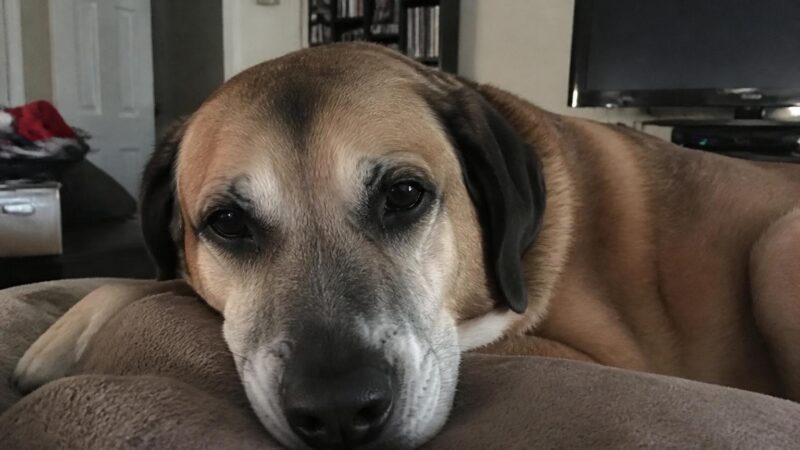
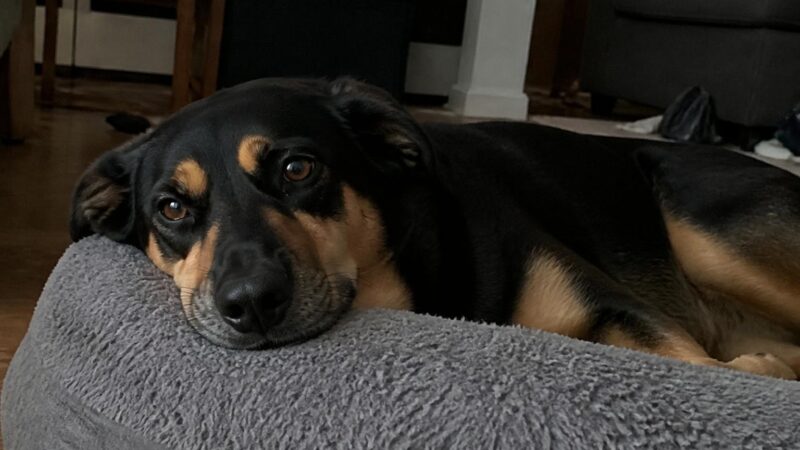
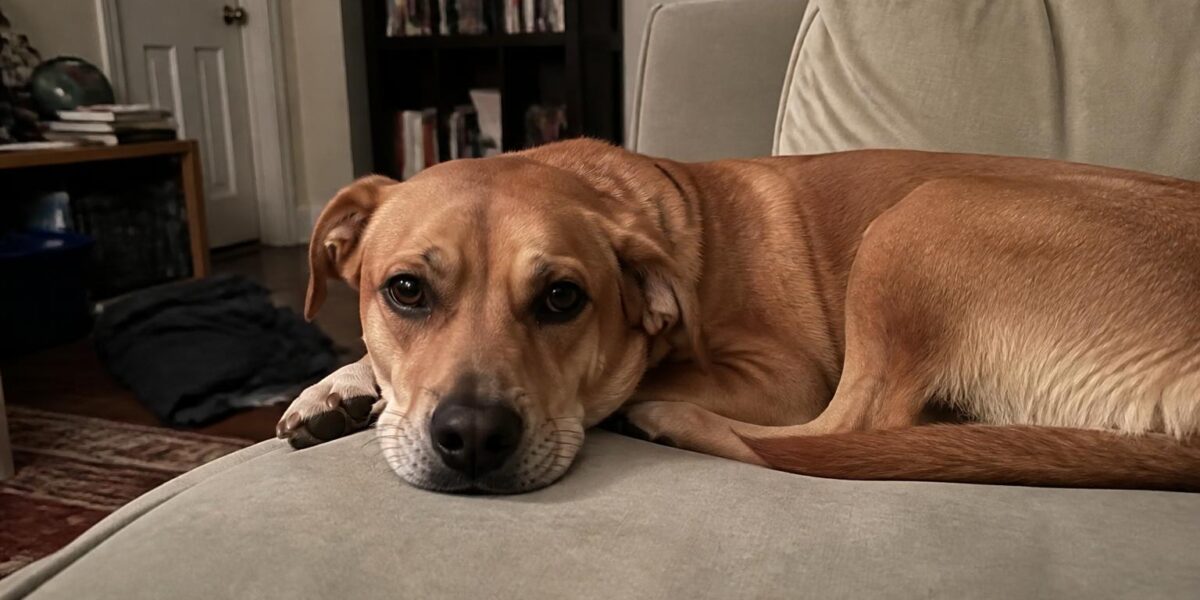
Singapore Specials are medium-sized dogs, usually with short coats and a balanced build, adapted to the tropical climate. They tend to be smart, affectionate, and loyal once they trust their humans. Some are happy-go-lucky from the start, while others need patient rehabilitation before they blossom.
Expect temperament and personality to matter more than breed in a rescue setting. Two dogs from similar backgrounds can have wildly different preferences around noise, people, other dogs, or exercise needs.
Adoption Eligibility
While specific requirements vary, common eligibility considerations include being financially and emotionally ready for a long-term commitment, having secure housing that permits pets, and agreement from everyone in the household. For HDB flat residents, the dog needs to meet current HDB approved breed or size criteria, with many local mongrels potentially eligible through Project ADORE.
If you have young children, existing pets, or an unusual schedule, be upfront. A good rescue will not judge you for your reality; they will help match you with a dog whose needs fit what you can genuinely offer. A high-energy working dog in a tiny flat with a busy professional owner will struggle, while a calm, older dog might thrive.
Experience is not usually a dealbreaker. First-time adopters are welcome as long as they are willing to learn, ask questions, and follow guidance in the early weeks.
The Adoption Process Step by Step
The typical adoption journey looks something like this, though details can vary by rescue and situation.
- Browse available dogs. Profiles usually include age, temperament, medical history, and home requirements.
- Submit an application. Share information about your household, lifestyle, experience, and what you can offer.
- Meet and greet. If you match, you will meet the dog in person to see how you interact.
- Home visit. Volunteers check your space, answer questions, and make sure everyone is on the same page.
- Trial or finalization. Some adoptions start with a trial period. Once everyone is comfortable, the paperwork is signed and the dog officially comes home.
Treat the process as a partnership. The rescue wants this to work as much as you do, and the questions they ask are designed to prevent mismatches that would break your heart and the dog’s.
Preparing for Your New Dog
A well-prepared home makes the transition easier for both of you. Before adoption day, gather the essentials.
- Bedding and crate. A quiet corner with a soft bed gives your dog a safe retreat.
- Leash, harness, and collar with ID tag. Fit matters, so be ready to swap sizes if needed.
- Food and water bowls. Non-slip bowls work well on tile floors common in Singapore homes.
- High-quality dog food. Ask the rescue what the dog has been eating so you can transition gradually.
- Dog-safe toys and chews. Mental stimulation is as important as physical exercise.
- A vet clinic contact. Know where you will go for the first check-up and emergencies.
Plan the first few days to be quiet and predictable. Avoid inviting friends and family to meet the new dog straight away. Your dog needs to learn you, your space, and your routine before being asked to meet a crowd.
Costs to Plan For
Adoption fees typically help offset some of the veterinary costs already covered, which usually include sterilization, vaccinations, microchipping, and deworming. Confirm the specifics for your dog so you know what is up to date and what is not.
Ongoing costs include food, preventive care, grooming (minimal for short-coated Singapore Specials but still worth budgeting for), licensing, and unexpected vet visits. Heartworm and tick-borne diseases are relevant concerns in Singapore’s climate, so talk to your veterinarian about the preventive routine that is right for your dog.
Many adopters also budget for training classes. Group classes or one-on-one sessions with a positive-reinforcement trainer can fast-track your bond and help your dog feel more confident.
Settling Your New Dog Into Life in Singapore
In a tropical climate, walks are best scheduled for cooler parts of the day, typically early morning and late evening. Midday heat can be hard on dogs, especially newly adopted ones who may not yet be in peak condition. Always carry water, avoid hot asphalt, and watch for signs of overheating.
Singapore’s urban environment is dense with sights, sounds, and smells that can overwhelm a dog used to quieter surroundings. Start with short walks in calmer areas and gradually build up as your dog gains confidence. Introduce the void deck, lift, and MRT stations slowly and positively if you live in a flat.
For more step-by-step help, check out our new pet first 30 days timeline, our guide to HDB approved dog breeds, and our Adopt a Dog hub. If you are still comparing options, our best dog rescues in Singapore roundup will give you a broader view.
Frequently Asked Questions
Are dogs from rescues already trained?
Some are housetrained and leash-trained, while others are still learning. Ask about the specific dog and be prepared to continue training at home. Positive reinforcement tends to work best for rescue dogs building trust with new owners.
Can I foster before adopting?
Many rescues offer foster-to-adopt programs. Fostering gives you a chance to see if the match works before committing and gives the dog time in a home environment. Ask the rescue team whether this option is available for the dog you are interested in.
Do I need a dog license?
Yes. All dogs in Singapore need to be licensed through the Animal and Veterinary Service (AVS). Your rescue can point you to the current registration process. The license covers basic identification and helps authorities return lost dogs.
What if my HDB flat size is small?
Small flats can work well for the right dog. Focus on dogs whose exercise needs match what you can provide, and ask the rescue team to suggest a temperament-matched match rather than focusing on size alone.
How do I know if a dog is a good fit for my family?
Spend time together before committing. Ask about the dog’s history, meet them more than once if possible, and have every household member interact with the dog. A good rescue will encourage multiple meetings to make sure everyone is comfortable.