Last updated: May 6, 2026
In this article
Every year, millions of dogs and cats enter shelters across the United States. Some are strays found wandering neighborhoods. Others are surrendered by families who can no longer care for them. A smaller but meaningful number come from hoarding situations, puppy mills, or disaster rescues. Whatever their origin, these animals share one thing in common: they need a home. The phrase adopt don’t shop has become a rallying cry in the animal welfare community, and for good reason. When you choose to adopt a rescue pet rather than purchase one from a breeder or pet store, you save a life, reduce demand for commercial breeding operations, and gain a companion whose gratitude and loyalty run remarkably deep.
This guide walks you through everything you need to know about adopting a rescue pet — from understanding the scale of the shelter crisis to preparing your home for a new arrival. Whether you are considering a dog or a cat, the information here will help you make a confident, informed decision.
The Shelter Pet Crisis
The numbers are sobering. According to estimates from major animal welfare organizations, roughly 6.3 million companion animals enter U.S. shelters each year — approximately 3.1 million dogs and 3.2 million cats. Of those, around 920,000 are euthanized annually. While that figure has declined significantly over the past two decades thanks to expanded spay and neuter programs, foster networks, and public awareness campaigns, it still represents an enormous loss of life that is largely preventable.
Shelters operate under constant pressure. Many facilities, particularly in the South and rural areas, run at or above capacity for most of the year. Overcrowding creates stress for the animals and stretches staff and volunteer resources thin. When kennels fill up, shelters sometimes face the painful reality of having to euthanize healthy, adoptable animals simply to make room for incoming ones. This is the core of the crisis that the adopt don’t shop movement seeks to address.
The problem is compounded by irresponsible breeding. Puppy mills — large-scale commercial breeding operations that prioritize profit over animal welfare — produce hundreds of thousands of puppies each year, many of which end up in pet stores. The breeding dogs in these facilities often live in deplorable conditions, confined to wire cages with minimal veterinary care, socialization, or exercise. Every pet purchased from a store or an unethical breeder sustains this cycle. Every pet adopted from a shelter or rescue helps break it.
Benefits of Adopting a Rescue Pet
Choosing to adopt don’t shop is not just an ethical stance. It comes with a range of practical, financial, and emotional benefits that make it one of the smartest decisions a prospective pet owner can make.
You Save a Life
This is the most straightforward and most powerful benefit. When you adopt a pet from a shelter, you directly save that animal’s life. But the impact does not stop there. By freeing up a kennel space, you make room for another animal to be taken in — effectively giving two animals a second chance. Shelters and rescues also track adoption rates to justify funding, staffing, and community programs, so each adoption strengthens the broader system of care for homeless animals.
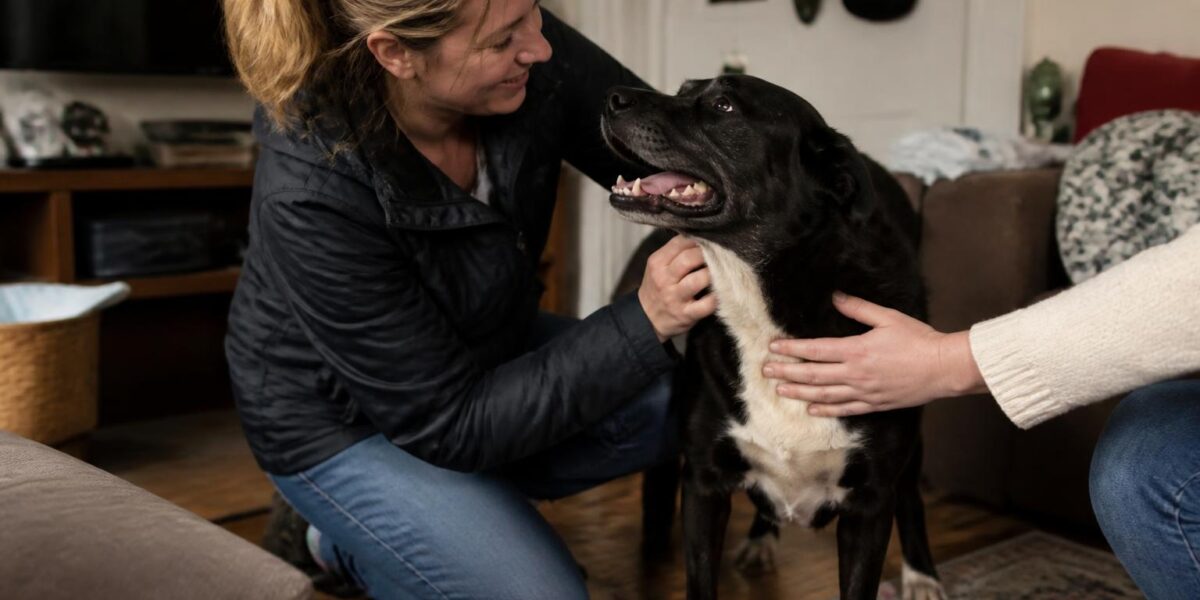
There is something uniquely meaningful about giving a home to an animal that has been through hardship. Many adopters describe a particular bond with their rescue pets — a sense that the animal understands, on some level, that it has been given a fresh start. Whether or not that is literally true, the emotional connection between rescue pets and their owners is consistently reported as deep and enduring.
Lower Cost
Purchasing a dog from a breeder can cost anywhere from $1,000 to $5,000 or more, depending on the breed. Certain popular breeds command even higher prices. Adoption fees, by contrast, typically range from $50 to $350 and almost always include services that would otherwise cost hundreds of dollars out of pocket: spaying or neutering, initial vaccinations, microchipping, and often a basic health examination.
When you add up the cost of those veterinary services individually — spay or neuter surgery alone can run $200 to $500 — the value included in a standard adoption fee becomes clear. Some shelters also provide a starter supply of food, a collar, or a brief period of free pet insurance to help new adopters get off to a solid start. The financial case for adoption is difficult to argue against.
Health and Veterinary Screening
Reputable shelters and rescue organizations conduct health evaluations on every animal in their care. Before an animal is made available for adoption, it typically receives vaccinations, deworming treatment, flea and tick prevention, and a physical examination by a licensed veterinarian. Many shelters also test for common conditions such as heartworm in dogs and feline leukemia virus (FeLV) or feline immunodeficiency virus (FIV) in cats.
This level of upfront screening means that adopters walk away with a clearer picture of their new pet’s health status than many buyers receive from breeders or pet stores. Any known medical conditions are disclosed, and shelter staff can guide you toward an animal whose health needs match your capacity to provide care. If you are browsing specific breeds, our dog breeds directory and cat breeds directory include health information to help you understand breed-specific concerns.
Behavior Screening and Temperament Assessment
Most shelters evaluate their animals for behavior and temperament before placing them for adoption. These assessments look at how the animal responds to handling, other animals, children, loud noises, food guarding, and basic commands. The results help shelter staff match each animal with an appropriate home — and they give you, the adopter, valuable information that would take weeks or months to discover on your own with a puppy or kitten from a breeder.
Many shelter pets are adults who have already passed through the demanding puppy or kitten stage. Their personalities are established. You can see whether a dog is calm or energetic, independent or clingy, social with other dogs or happier as the only pet in the household. This predictability is a genuine advantage, particularly for first-time pet owners or families with young children who need a companion with a known temperament.
Common Myths About Rescue Pets
Despite growing public support for adoption, several persistent myths continue to discourage some people from visiting a shelter. Let us address the most common ones directly.
Myth: Shelter pets are damaged or have behavioral problems. The vast majority of animals in shelters are there because of human circumstances — a move, a divorce, financial hardship, a new baby, allergies — not because of anything the animal did wrong. Studies consistently show that shelter pets are no more likely to have behavioral issues than pets acquired from breeders. Many are already house-trained, leash-trained, and socialized.
Myth: You cannot find a specific breed at a shelter. In reality, roughly 25 percent of shelter dogs are purebreds, and breed-specific rescue organizations exist for nearly every breed you can name. If you have your heart set on a particular breed, patience and a willingness to search will almost always be rewarded. Our dog breeds directory can help you identify which breeds align with your lifestyle before you begin your search.
Myth: Shelter pets are old or unhealthy. Shelters house animals of every age, from newborn kittens and puppies to seniors. Many animals arrive in excellent health and are simply waiting for someone to notice them. The health screening that shelters provide often means that adopted animals have a more thorough medical baseline than store-bought pets.
Myth: Rescue pets will not bond with you. This is perhaps the most easily disproven myth of all. Rescue pets bond fiercely with their new families. The adjustment period may take a few days to a few weeks, but once trust is established, the connection is every bit as strong — and often stronger — than with any other pet. Rescue animals frequently display a particular kind of loyalty and attentiveness that adopters describe as unlike anything they have experienced before.
Myth: Adopting is complicated and takes too long. While shelters do have an application process designed to ensure good matches, the experience is typically straightforward and can often be completed in a single visit. Many shelters have streamlined their procedures, and some even offer same-day adoptions for animals that have been waiting longest.
What to Expect at a Shelter
If you have never visited an animal shelter before, knowing what to expect can help ease any nerves and make the experience more productive.
Most shelters have a public area where adoptable animals are housed in kennels or enclosures. Dogs and cats are typically separated, and some facilities have additional sections for small animals, rabbits, or birds. Staff members and volunteers are usually available to answer questions, share background information on specific animals, and facilitate introductions.
When you find an animal that interests you, the shelter will typically arrange a meet-and-greet session in a quiet room or enclosed outdoor area. This is your opportunity to spend one-on-one time with the animal, observe its behavior up close, and see how it interacts with you and any family members you have brought along. If you already have a dog at home, many shelters will arrange a dog-to-dog introduction on neutral ground to assess compatibility.
Take your time during these visits. The shelter environment is stressful for animals, and many dogs and cats behave differently in a kennel than they will in a home setting. A dog that seems timid or withdrawn in the shelter may blossom into a confident, playful companion within days of arriving at your house. Ask the staff about the animal’s behavior in foster care, if applicable, as that environment is a much better predictor of how the animal will behave in a home.
The Adoption Process
While specific procedures vary by organization, the general adoption process follows a fairly standard pattern. Understanding these steps in advance will help everything move smoothly.
Application. Most shelters require a written application that covers basic information about your living situation, experience with pets, household members, other animals in the home, and your plan for the pet’s care. Some organizations also ask for a veterinary reference if you have owned pets previously. Be honest and thorough — the goal of the application is not to disqualify you but to find the best possible match.
Interview or conversation. A staff member or volunteer will typically follow up with a brief conversation, either in person or by phone, to discuss your application and answer any questions. This is also your opportunity to ask detailed questions about the animal’s history, behavior, and medical needs.
Home check. Some rescue organizations, particularly breed-specific rescues and foster-based groups, conduct a home visit or virtual home check before finalizing an adoption. This is standard practice and nothing to be concerned about. The purpose is to confirm that the home is safe and suitable, not to judge your housekeeping.
Adoption fee and paperwork. Once approved, you will pay the adoption fee and sign an adoption contract. The contract typically includes a commitment to provide proper veterinary care, a clause requiring that you return the animal to the shelter if you can no longer keep it rather than rehoming it independently, and confirmation that the animal has been or will be spayed or neutered.
Taking your new pet home. Bring a secure carrier for cats or a leash and collar for dogs. Ask the shelter for any medical records, feeding recommendations, and notes about the animal’s routine. Many shelters also provide a small care package or list of local resources. Ready to start the process? Visit our adoption page to learn about animals currently available through Walk Me Home Rescue.
How to Prepare Your Home
Preparation is one of the most important factors in a successful adoption. A little advance work goes a long way toward helping your new pet feel safe and settle in quickly.
Create a safe space. Designate a quiet room or area where your new pet can decompress during the first few days. For dogs, this might be a room with a crate, a comfortable bed, water, and a few toys. For cats, a single room with a litter box, food and water dishes, a scratching post, and hiding spots is ideal. Gradually expanding the animal’s access to the rest of the house reduces overwhelm and allows trust to build at a natural pace.
Pet-proof your living space. Get down to your new pet’s eye level and look for hazards: exposed electrical cords, toxic plants, small objects that could be swallowed, open toilet lids, accessible trash cans, and gaps behind appliances where a frightened cat might hide. Secure cleaning products and medications behind closed doors. If you are adopting a dog, ensure that your yard is fenced or that you have a plan for safe outdoor exercise.
Stock up on essentials. Before your pet arrives, have the basics ready: food (ask the shelter what the animal has been eating and start with the same brand to avoid digestive upset), food and water bowls, a collar with ID tags, a leash, a crate or carrier, bedding, toys, and grooming supplies. For cats, you will also need a litter box, litter, and a scratcher.
Plan for the first veterinary visit. Schedule an appointment with your veterinarian within the first week of bringing your pet home. Even though shelters provide initial health screening, establishing a relationship with your own vet ensures continuity of care and gives you a professional baseline for the animal’s health going forward.
Set a routine. Animals thrive on predictability. From day one, try to feed, walk, and interact with your pet on a consistent schedule. This helps the animal understand what to expect and accelerates the bonding process. Be patient during the adjustment period — most rescue organizations describe a “3-3-3 rule” where it takes roughly three days for the initial shock to wear off, three weeks for the animal to start learning your routine, and three months for the pet to feel fully at home.
Success Stories: The Proof Is in the Bond
Behind every adopt don’t shop hashtag is a real story. A senior dog who spent two years in a shelter and now sleeps contentedly on a couch every evening. A cat pulled from a hoarding situation who turned out to be the gentlest, most affectionate lap cat her new family has ever known. A puppy born in a rescue’s foster home who grew into a therapy dog, visiting hospitals and nursing homes. A bonded pair of siblings adopted together, inseparable and adored.
These stories are not exceptions. They are the norm. Rescue pets consistently rise to the occasion when given stability, patience, and love. The idea that a shelter animal is somehow lesser than a purchased one has no basis in reality. What rescue pets lack in pedigree papers, they make up for in resilience, adaptability, and a capacity for devotion that has to be experienced to be fully understood.
If you are ready to open your home to a rescue pet, the next step is simpler than you might think. Browse the animals currently available through Walk Me Home Rescue, visit your local shelter, or reach out to a breed-specific rescue if you have a particular companion in mind. The right pet is out there, waiting — and the decision to adopt don’t shop may turn out to be one of the best you have ever made.
Frequently Asked Questions
How long does the adoption process take?
The timeline varies depending on the organization. Some shelters offer same-day adoptions, particularly for animals that have been in their care for an extended period. Others have a more structured process involving an application, interview, and home check that can take anywhere from a few days to two weeks. Foster-based rescues and breed-specific organizations tend to be more thorough in their screening, which can extend the timeline but also leads to stronger matches. If you see an animal you are interested in, submit your application as early as possible — popular animals receive multiple applications quickly.
Can I adopt a rescue pet if I rent my home?
Yes, many renters successfully adopt pets. You will need to confirm that your lease allows pets and be prepared to provide proof of your landlord’s pet policy as part of the application. Some landlords require a pet deposit or charge additional rent for pets. Shelters understand that renters make wonderful pet owners and will work with you as long as you can demonstrate that pets are permitted in your living situation.
Are rescue pets good with children?
Many rescue pets are excellent with children, and shelters go to considerable lengths to assess how animals interact with kids before making placement recommendations. When adopting with children in the household, let the shelter staff know the ages of your children so they can guide you toward animals with appropriate temperaments. Always supervise early interactions between a new pet and young children, regardless of the animal’s background, and teach children how to interact with pets gently and respectfully.
What if the adoption does not work out?
Reputable shelters and rescue organizations include a return clause in their adoption contracts. If the match is not working despite genuine effort, you can return the animal to the organization without judgment. Most groups would far rather take an animal back than see it end up in a bad situation. Some organizations also offer post-adoption support, including training resources, behavioral consultations, and adjustment advice, to help you work through challenges before making a final decision.
Can I find puppies and kittens at shelters?
Absolutely. Shelters receive puppies and kittens year-round, with a significant surge during “kitten season” in spring and summer. If you have your heart set on a young animal, check with local shelters regularly, sign up for email alerts, and follow their social media pages. Foster-based rescues are another excellent source, as many specialize in caring for pregnant animals and raising litters in home environments until they are old enough for adoption.