Why Senior Cats With Kidney Disease Deserve a Chance
Chronic kidney disease (CKD) is one of the most common health conditions in older cats, affecting an estimated 30 to 40 percent of cats over the age of ten. When you adopt a senior cat with kidney disease, you’re giving a loving, deserving animal a comfortable home during a time when many are overlooked in shelters.
In this article
CKD is a progressive condition, but “progressive” doesn’t mean hopeless. With proper management — including diet, hydration, and regular veterinary monitoring — many cats with early to moderate kidney disease live comfortably for months or even years after diagnosis. The quality of that time depends heavily on the care they receive.
If you’re considering this path, you’re already showing the kind of compassion that makes a real difference in animal rescue. This guide will help you understand what CKD means, what daily care looks like, and how to give a kidney-disease cat the best possible life.
Understanding Chronic Kidney Disease in Cats
CKD occurs when the kidneys gradually lose their ability to filter waste products from the blood. Unlike acute kidney failure (which happens suddenly and may be reversible), chronic kidney disease develops slowly over months or years and is not curable — but it is manageable.
Veterinarians classify CKD into four stages based on blood values, primarily creatinine and SDMA levels:
- Stage 1: Mild — blood values are normal or barely elevated, but early changes are detectable. Cats at this stage often show no symptoms.
- Stage 2: Mild to moderate — blood values are mildly elevated. Increased thirst and urination may become noticeable.
- Stage 3: Moderate — kidneys are functioning at a reduced capacity. Weight loss, decreased appetite, and dehydration are common.
- Stage 4: Severe — significant kidney function loss. Cats at this stage require intensive management and may have a limited prognosis.
Most cats available for adoption with CKD are in stages 1 through 3. With consistent care, cats in stages 1 and 2 can often maintain good quality of life for two to three years or more. Even stage 3 cats frequently do well for many months with dedicated management.
Ask the rescue or shelter for the cat’s most recent bloodwork and the veterinarian’s assessment of which stage the disease is in. This information is essential for understanding what you’re committing to.
What Daily Care Looks Like
Caring for a cat with CKD is not as overwhelming as it might sound. Once you establish a routine, the daily management becomes second nature. Here’s what typically goes into caring for a kidney-disease cat:
Prescription kidney diet: Therapeutic kidney diets are lower in phosphorus and protein, reducing the workload on compromised kidneys. Brands like Hill’s k/d, Royal Canin Renal, and Purina NF are commonly prescribed. Your vet will recommend the best option based on your cat’s stage and preferences.
Hydration management: Keeping a CKD cat well-hydrated is one of the single most important things you can do. Wet food is preferable to dry food because of its higher moisture content. Some owners also offer a pet water fountain, add water to food, or provide low-sodium chicken broth to encourage drinking.
Subcutaneous fluids: As CKD progresses, many cats benefit from subcutaneous (under-the-skin) fluid therapy administered at home. Your vet will teach you how to do this — it takes about 5 to 10 minutes and most cats tolerate it well. It sounds intimidating at first, but most owners become comfortable with the process quickly.
Medications and supplements: Depending on the stage, your vet may prescribe phosphorus binders, anti-nausea medication, potassium supplements, or blood pressure medication. Keeping a simple medication schedule posted on the fridge can help you stay consistent.
Veterinary Monitoring and What to Expect
Regular veterinary check-ups are essential when you adopt a senior cat with kidney disease. Your vet will want to monitor bloodwork and urine values to track the disease’s progression and adjust treatment as needed.
How often? For stable cats in stages 1 and 2, check-ups every three to six months are typical. Cats in stage 3 or those whose values are changing may need visits every one to three months. Your vet will guide the schedule based on your cat’s specific situation.
What they check: Blood urea nitrogen (BUN), creatinine, SDMA, phosphorus levels, potassium, red blood cell count, and blood pressure are the key markers. Urinalysis helps assess kidney concentration ability.
Watch for warning signs at home: Contact your vet if you notice a sudden decrease in appetite, vomiting, significant weight loss, extreme lethargy, or a noticeable increase or decrease in water intake or urination. These changes can signal a shift in the disease stage that requires prompt attention.
Building a good relationship with your veterinarian is one of the most important things you can do for a CKD cat. Don’t hesitate to ask questions or express concerns — you are your cat’s best advocate.
The Real Costs of Caring for a CKD Cat
Financial transparency matters. Here’s an honest breakdown of what caring for a cat with chronic kidney disease typically costs:
- Prescription food: $40 to $80 per month, depending on brand and whether you’re feeding wet, dry, or a combination.
- Veterinary check-ups and bloodwork: $150 to $400 per visit, with visits needed every one to six months depending on stage.
- Subcutaneous fluids: $20 to $50 per month for supplies (fluid bags, lines, and needles) if done at home. Significantly more if administered at the vet’s office.
- Medications: $20 to $100 per month depending on what’s prescribed.
- Emergency visits: $500 to $2,000+ if a crisis occurs, such as acute decompensation or severe dehydration.
Total monthly costs for a well-managed CKD cat typically range from $100 to $250, with periodic spikes for bloodwork and vet visits. Pet insurance can offset some of these costs, but many policies exclude pre-existing conditions. Ask about coverage before enrolling.
Some rescues offer post-adoption medical support for special-needs animals, including discounted veterinary care or ongoing medication assistance. It’s worth asking about these programs when you browse adoptable cats.
Enrichment and Quality of Life
A cat with kidney disease is still a cat — and that means it needs mental stimulation, comfort, and engagement to thrive. CKD cats aren’t defined by their illness, and many of them are playful, affectionate, and curious despite their diagnosis.
Focus on creating a comfortable, low-stress environment:
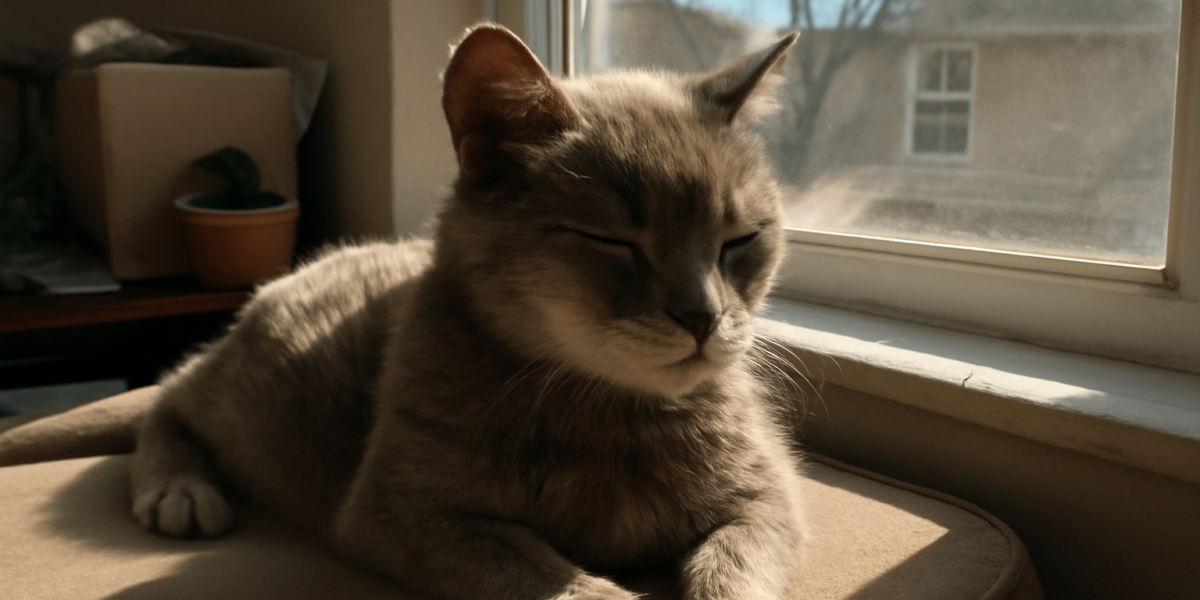
- Warm, soft resting spots: Senior cats with CKD often seek warmth. Heated cat beds or beds placed near sunny windows can make a big difference in comfort.
- Easy litter box access: Use low-sided boxes so your cat can get in and out easily, especially if arthritis is a factor. Since CKD cats urinate more frequently, clean the box more often or provide multiple boxes.
- Gentle play: Wand toys, crinkle balls, and slow-moving laser pointers can keep your cat engaged without overexertion. Adjust activity levels to your cat’s energy on any given day.
- Quiet companionship: Senior cats often value calm togetherness more than active play. Simply sitting near your cat, stroking it gently, or offering a warm lap can significantly enhance its quality of life.
Quality of life should always be the guiding principle. Work with your vet to regularly assess whether your cat is comfortable, engaged, and enjoying life. Resources like the Walk Me Home cat care blog offer additional tips for keeping senior cats happy.
Making the Decision to Adopt
Adopting a senior cat with kidney disease isn’t for everyone, and that’s okay. It requires emotional resilience, financial commitment, and the willingness to provide palliative care as the disease progresses. It also means accepting that your time together may be measured in months or a few years rather than a decade or more.
But for the right person, it’s one of the most meaningful things you can do. These cats are often the last to be adopted and the first to be euthanized in overcrowded shelters. By opening your home, you’re giving a senior cat dignity, comfort, and love during a vulnerable chapter of its life.
Many adopters of CKD cats report that the experience — while bittersweet — was profoundly rewarding. The gratitude and affection these cats show is remarkable. They seem to know they’ve been given a second chance.
If you’re ready, visit the Walk Me Home Rescue adoption page to search for senior cats in need. You can also check out our adoption application tips to put your best foot forward.
Frequently Asked Questions
How long can a cat live with chronic kidney disease?
It depends on the stage at diagnosis and the quality of care. Cats diagnosed at stage 1 or 2 can live two to five years or more with proper management. Cats at stage 3 often live six months to two years. Stage 4 prognosis is more guarded, typically weeks to months. Every cat is different, and consistent veterinary care can significantly extend comfort and longevity.
Is subcutaneous fluid therapy painful for cats?
Most cats tolerate subcutaneous fluids very well. The needle poke is momentary, and many cats relax or even purr during the process once they’re used to it. Warming the fluids to body temperature before administration improves comfort. Your vet or vet tech will train you thoroughly before you try it at home.
Can CKD cats eat regular food?
Therapeutic kidney diets are strongly recommended because they’re formulated to reduce the strain on compromised kidneys. Regular cat food is typically higher in phosphorus and protein than what a CKD cat should have. If your cat refuses prescription food, talk to your vet about transitioning strategies or alternative options — getting the cat to eat something is always better than eating nothing.
Will adopting a CKD cat be too emotionally difficult?
This is a deeply personal question. If you’ve experienced pet loss before and know how you process grief, you have valuable self-awareness to draw on. Many people find that the love and connection they share with a CKD cat far outweighs the sadness of eventually saying goodbye. Grief is the price of love, and most adopters say it’s worth it.
Do rescues disclose kidney disease before adoption?
Reputable rescues always disclose known medical conditions, including CKD and its current stage. They should provide veterinary records, bloodwork results, and a clear explanation of the cat’s care needs. If a rescue isn’t transparent about a cat’s health, that’s a red flag worth taking seriously.