Last updated: May 6, 2026
In this article
- The Senior Pet Adoption Crisis
- The Benefits of Adopting a Senior Pet
- Myth Busting: What People Get Wrong About Senior Pets
- What to Expect Health-Wise
- Cost Considerations
- Preparing Your Home for a Senior Pet
- Understanding Special Needs
- The First Weeks at Home
- The Reward of Senior Adoption
- Frequently Asked Questions
Why You Should Adopt a Senior Pet: Benefits and What to Expect
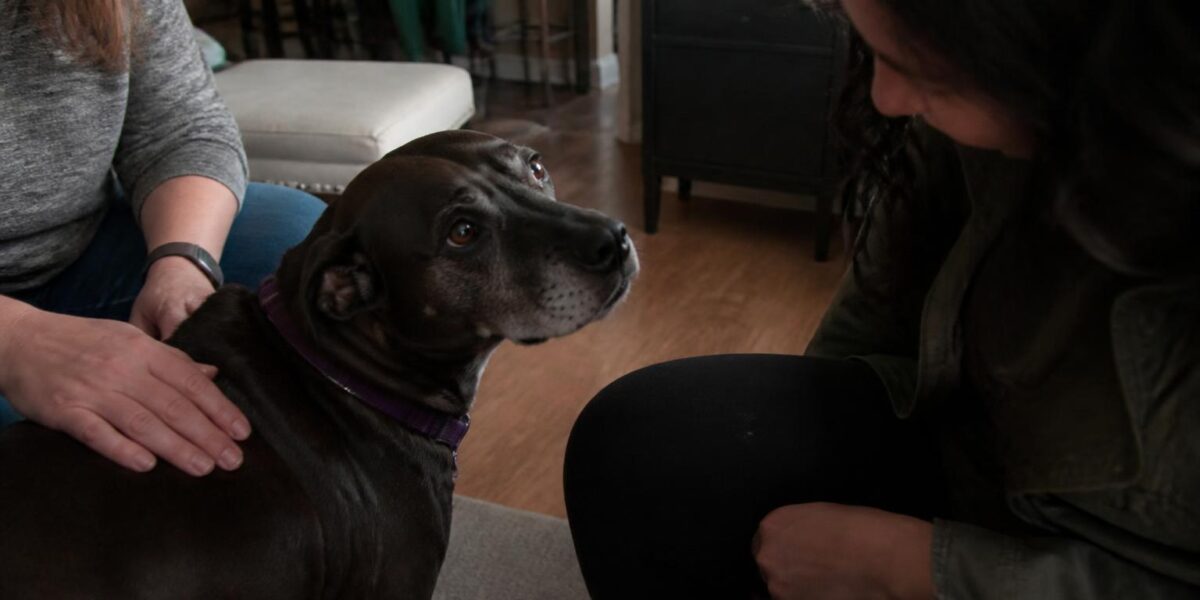
Walk into almost any animal shelter and you will notice something that is hard to unsee once you are aware of it. The older dogs are quieter. They do not jump at the front of the kennel or bark themselves hoarse trying to get your attention. They sit, sometimes near the back, watching you with steady eyes that have clearly seen a few things. The older cats are much the same — tucked into a corner of the cage, calm and self-possessed, waiting with a patience that younger animals have not yet learned.
These are the senior pets, and they are the ones most likely to be passed over. If you have been thinking about adding a pet to your family, the decision to adopt a senior pet might be one of the most quietly life-changing choices you ever make. This guide covers everything you should know before you bring an older animal home — from the genuine benefits to the honest realities of health, cost, and adjustment.
The Senior Pet Adoption Crisis
Senior pets face a stark statistical reality in shelters. Animals over the age of seven consistently have the lowest adoption rates and the highest euthanasia rates of any age group. While puppies and kittens are often adopted within days — sometimes hours — of arriving at a shelter, senior animals can wait weeks, months, or in some cases, the rest of their lives.
The reasons are not difficult to understand. Many people assume older animals are less fun, less healthy, and less capable of forming attachments. Some worry about the financial burden of veterinary care. Others simply default to the idea that getting a pet means getting a young one. These assumptions, while understandable, are largely wrong — and they cost thousands of perfectly wonderful animals their chance at a home every year.
Shelters across the country are consistently at or near capacity, and senior pets bear a disproportionate share of that burden. When you adopt a senior pet, you are not just gaining a companion. You are directly saving a life that the system is least equipped to protect. If you are ready to explore available animals, our adoption page is a good place to start.
The Benefits of Adopting a Senior Pet
The case for senior pet adoption is not built on guilt — it is built on genuine, practical advantages that many first-time adopters do not consider until someone points them out.
They are already trained. Most senior dogs understand basic commands. They know what “sit,” “stay,” and “no” mean. Many are already house-trained, leash-trained, and crate-trained. Senior cats typically have impeccable litter box habits. The months of patience, cleanup, and repetitive training that come with a puppy or kitten are largely behind you. You get to skip ahead to the part where you actually enjoy living with your pet.
They are calm. Senior pets have moved past the frantic energy of youth. They are not going to chew through your shoes, scale your curtains, or dig a crater in the backyard because they were bored for twenty minutes. They have already learned how to settle, how to share a couch without chaos, and how to exist peacefully in a household. For people who work from home, live in apartments, or simply prefer a quieter lifestyle, the temperament of a senior pet is often a far better match than the whirlwind energy of a young animal.
They are grateful. This one is harder to quantify, but anyone who has adopted a senior pet will tell you about it. There is a quality of appreciation in an older animal that has found safety after uncertainty. They seem to understand, on some level, that they have been given something good. That gratitude shows up in the way they lean against you, follow you from room to room, and settle at your feet with a contentment that feels earned.
What you see is what you get. When you adopt a puppy, you are making an educated guess about the adult animal it will become. A senior pet is already who they are going to be. Their size is set. Their personality is established. Their energy level, their sociability with other animals, their comfort around children — all of these things are knowable and observable before you commit. There are no surprises, only informed decisions. If you are interested in learning about specific breed traits to help narrow your search, our dog breeds directory can help you understand what to expect from different breeds at every stage of life.
Myth Busting: What People Get Wrong About Senior Pets
Two myths in particular keep good people from considering senior pet adoption. Both deserve to be addressed directly.
Myth: Senior pets cannot bond with a new owner. This is flatly untrue. Dogs and cats are capable of forming deep, genuine attachments at any age. In fact, many shelter workers and veterinarians observe that senior animals bond faster and more intensely than younger ones. A senior pet who has lost a home — whether through an owner’s death, a move, a change in family circumstances — is often acutely aware of what companionship means and deeply motivated to re-establish it. The idea that an older animal is too set in its ways to love a new person misunderstands how attachment works in animals. They do not have a cap on affection. If anything, they have a surplus of it.
Myth: Senior pets are all sick. Some senior pets do have health conditions, just as some younger pets do. But “senior” does not automatically mean “sick.” Many older dogs and cats are in excellent health, with years of active, comfortable life ahead of them. A seven-year-old Labrador, for example, can easily have four or five good years remaining. A ten-year-old cat may live well into its late teens. The assumption that adopting a senior pet means signing up for immediate, overwhelming veterinary bills is simply not borne out by the evidence. A thorough vet check at the time of adoption gives you a clear picture of where things stand, and most senior pets are far healthier than people expect.
What to Expect Health-Wise
Honesty matters here, and responsible adoption means going in with clear eyes. Senior pets are more likely than younger animals to develop certain age-related conditions, and understanding what those look like helps you plan rather than panic.
Arthritis and joint stiffness are common in older dogs, particularly larger breeds. You may notice your dog moving more slowly in the morning, hesitating before stairs, or being reluctant to jump onto furniture. These symptoms are manageable with appropriate veterinary care, joint supplements, weight management, and environmental adjustments like ramps and orthopedic beds.
Dental disease is widespread in senior pets of all species. Many older dogs and cats have some degree of tartar buildup, gum inflammation, or tooth decay. A dental cleaning under anesthesia, while an added cost at adoption time, can dramatically improve comfort and prevent more serious problems down the road.
Vision and hearing changes are normal parts of aging. Some senior pets experience cataracts, reduced night vision, or partial hearing loss. These changes are rarely debilitating and most animals adapt to them remarkably well, especially in a stable, familiar environment.
Chronic conditions such as kidney disease in cats, diabetes, thyroid disorders, or heart conditions do occur at higher rates in older animals. Many of these are manageable with medication, dietary changes, and regular monitoring. The key is early detection through routine veterinary checkups — ideally twice a year for senior pets rather than the once-a-year schedule recommended for younger animals.
None of these conditions are reasons to avoid adopting a senior pet. They are reasons to be informed and prepared, which is a different thing entirely.
Cost Considerations
The financial picture of senior pet ownership is more nuanced than most people assume. Yes, veterinary costs tend to increase as animals age. Twice-yearly checkups, bloodwork, dental care, and potential medications add up. But there are significant cost savings that offset those expenses in ways people rarely consider.
You skip the expensive puppy and kitten phase entirely. No spay or neuter surgery (most shelter seniors are already fixed). No initial vaccination series. No replacement costs for destroyed furniture, shoes, and household items. No puppy training classes. No crate training supplies. Many of the highest-cost items in pet ownership are concentrated in the first two years of life — years you bypass completely when you adopt a senior.
Many shelters also reduce or waive adoption fees for senior animals as an incentive. Some offer post-adoption veterinary support or subsidized wellness packages for older pets. Pet insurance is available for senior animals, though premiums are higher and coverage may exclude pre-existing conditions, so compare policies carefully before purchasing.
Budgeting somewhere between two hundred and five hundred dollars per month for a senior pet — covering food, routine vet care, medications, and a small emergency fund — is a reasonable starting point for most adopters. The actual number depends heavily on the individual animal’s health status and your geographic area.
Preparing Your Home for a Senior Pet
A few simple adjustments make your home significantly more comfortable for an older animal. An orthopedic pet bed with memory foam or supportive filling makes a real difference for animals with joint stiffness — place beds in the rooms where you spend the most time, since senior pets want to be near you. Ramps or pet stairs eliminate the need for jumping onto beds, couches, or into cars, which can aggravate arthritic joints.
Non-slip surfaces matter more than most people realize. Older dogs can struggle on hardwood or tile, so rugs or carpet runners in high-traffic areas provide traction and confidence. Use elevated food and water bowls for larger dogs to reduce neck strain, and make sure cat litter boxes have low entry points for easy access.
Finally, designate a quiet retreat space where your new pet can rest undisturbed, and do a safety check at pet height for electrical cords, toxic plants, and unstable items. Senior pets with diminished vision or hearing may not detect dangers that a younger animal would avoid instinctively.
Understanding Special Needs
Some senior pets arrive with specific needs that require extra thought. If your pet takes daily medication, build it into your routine with phone reminders and a pill organizer. Older animals often benefit from senior-specific food formulations that are lower in calories, higher in fiber, and supplemented with glucosamine and omega-3 fatty acids — your vet can recommend the right diet.
Mobility limitations are common. Short, gentle walks replace long hikes. Play sessions are briefer. Stairs may need to be gated. Adjusting your expectations around activity level is one of the most important things you can do for a senior pet’s quality of life.
Be aware of cognitive changes too. Dogs and cats can experience cognitive dysfunction as they age, with signs like disorientation, disrupted sleep-wake cycles, and forgetting house training. If you notice these changes, talk to your veterinarian — dietary supplements, environmental enrichment, and sometimes medications can help slow progression.
The First Weeks at Home
The adjustment period for a senior pet looks different from what you might expect with a younger animal. During the first few days, keep things quiet. Let the animal explore at their own pace and learn the geography of their new home. For dogs, establish a consistent walking schedule immediately — routine is deeply reassuring to an older animal in an unfamiliar place.
Do not be alarmed if your senior pet seems withdrawn at first. Shelter life is stressful, rehoming is disorienting, and many senior animals need a week or two before their true personality emerges. The dog who seems reserved on day one may turn out to be playful and affectionate by week three. Give them the grace of time.
Schedule a veterinary appointment within the first week for a baseline exam, even if the shelter provided records. If you have other pets, keep them separated initially, allow scent exchanges through closed doors, and supervise all early face-to-face meetings. Take introductions at the animals’ pace, not yours.
The Reward of Senior Adoption
There is a particular kind of satisfaction that comes from giving a senior pet a good life at the end. It is not dramatic. It does not photograph especially well for social media. It is the satisfaction of watching an old dog find a sunny spot on your floor and sigh the way dogs sigh when they are genuinely content. It is the feeling of a senior cat choosing your lap over every other available surface and purring with an intensity that seems disproportionate to the moment but is actually exactly proportionate to what your presence means to them.
When you adopt a senior pet, you are choosing depth over duration. You may not have as many years together as you would with a younger animal, but the quality of those years — the mutual understanding, the quiet companionship, the gratitude that runs in both directions — is something that people who have experienced it describe as unlike anything else in pet ownership.
Senior pets do not need you to change your life for them. They need a warm bed, regular meals, reasonable veterinary care, and your company. In return, they offer a kind of companionship that is settled, genuine, and remarkably easy to live with. They have already learned who they are. All they need is someone willing to appreciate it.
If you are ready to meet the senior dogs and cats currently waiting for homes, visit our adoption page to see who is available. The right one might be quieter than you expected — and more wonderful than you imagined.
Frequently Asked Questions
What age is considered “senior” for dogs and cats?
For dogs, senior status generally begins between seven and ten years, with larger breeds aging faster than smaller ones. A Great Dane might be senior at six, while a Chihuahua may not reach that threshold until nine or ten. For cats, the senior label typically applies around eleven years. Individual health, breed, and genetics all influence the timeline.
How long do senior pets typically live after adoption?
This varies enormously depending on species, breed, size, and health status. Many senior dogs live three to five years or more after adoption. Senior cats, which tend to be longer-lived, can easily have five to eight years ahead of them. Some adopters find that the timeline they worried about turns out to be far longer than they expected.
Are senior pets good with children?
Many senior pets are excellent with children because their calm temperament makes them less likely to play too roughly. Compatibility depends on the individual animal’s history, so ask the shelter about prior experience with kids. Always supervise interactions and teach children to be gentle with an older animal’s body and boundaries.
Can I adopt a senior pet if I already have other animals?
Yes, though introductions should be gradual and supervised. Many senior pets have lived with other animals before and integrate well into multi-pet households. Ask the shelter about the animal’s history with other dogs or cats, and request a meet-and-greet if possible. Patience during the introduction period pays off significantly in long-term household harmony.
What should I look for when choosing a senior pet to adopt?
Look for a pet whose energy level and temperament match your lifestyle. Ask shelter staff about behavior, medical history, and any known preferences. Spend time with the animal in a quiet setting if possible — a calm room reveals more than a kennel. Trust your instincts. Browse our dog breeds directory to learn about breed-specific traits and how they present in older dogs.
Do shelters provide medical records for senior pets?
Most shelters provide vaccination records, spay or neuter status, diagnostic test results, and notes on known health conditions. Some perform senior wellness panels before listing older animals. Ask what testing has been done and request copies of all records to share with your veterinarian.