Last updated: May 17, 2026
In this article
Why Heartworm-Positive Dogs Make Great Adoptees
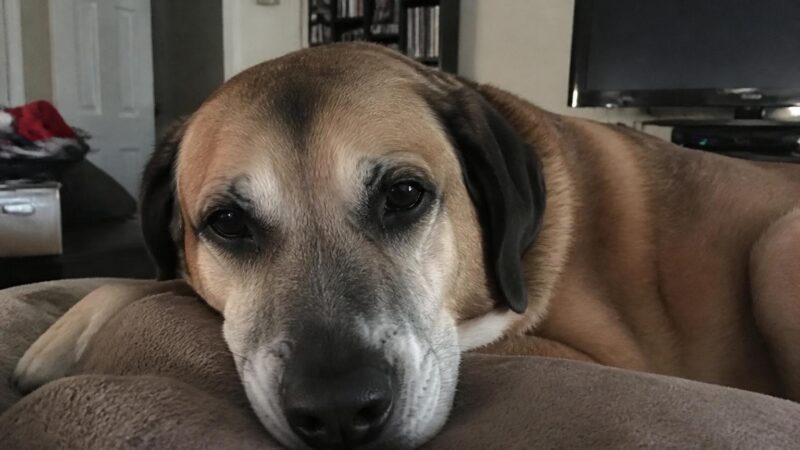
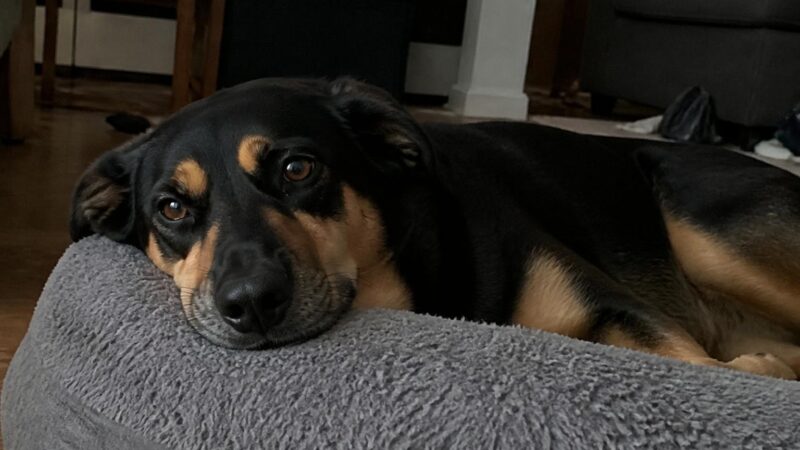
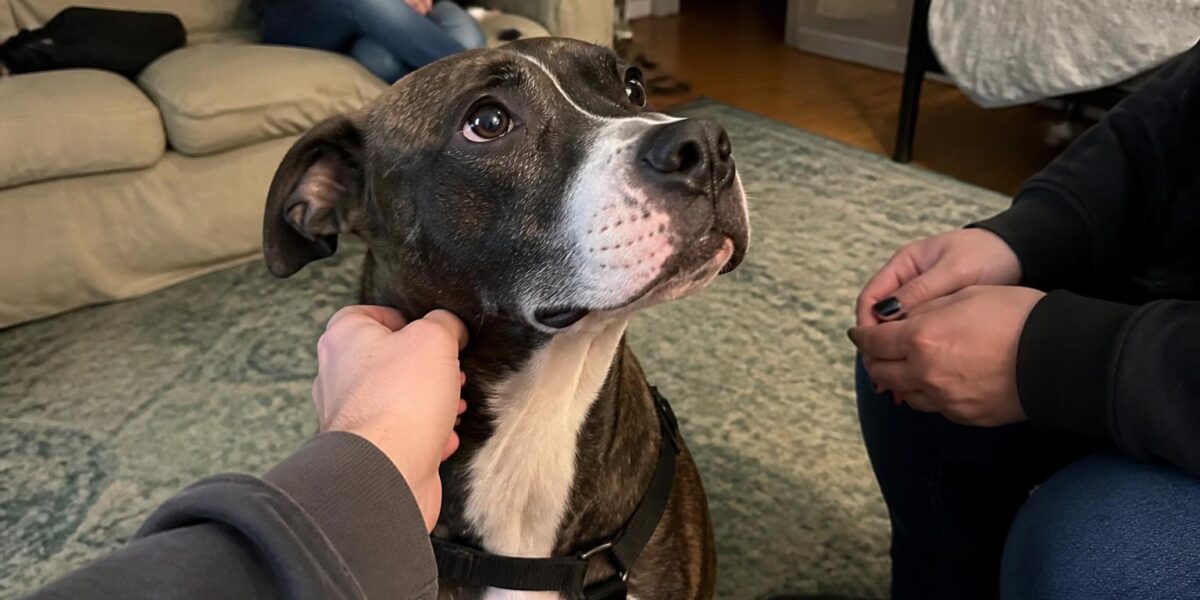
Adopting a dog with heartworm is one of the most impactful decisions you can make at a shelter. Heartworm-positive dogs wait significantly longer for homes because the diagnosis scares many potential adopters away. The truth is that heartworm disease is treatable, and dogs who complete treatment go on to live normal, healthy, active lives.
Many shelters and rescues cover some or all of the heartworm treatment costs for adopted dogs. Even when you bear the full expense, the total cost is predictable and finite. Once treatment is complete and your dog tests negative, heartworm is behind you both for good, as long as you maintain monthly prevention going forward.
If you have the patience for a few months of restricted activity and the willingness to follow a treatment protocol, adopting a dog with heartworm could mean saving a life that might otherwise run out of time in a shelter.
Understanding Heartworm Disease in Dogs
Heartworm disease is caused by Dirofilaria immitis, a parasitic worm transmitted through mosquito bites. When an infected mosquito bites a dog, it deposits microscopic larvae into the skin. Over the next six to seven months, these larvae migrate through the body and mature into adult worms that live in the heart and pulmonary arteries.
Adult heartworms can reach 12 inches in length and survive for five to seven years inside a dog. A heavily infected dog may harbor dozens of worms. The worms cause inflammation, damage blood vessel walls, and can eventually lead to heart failure, lung disease, and organ damage if left untreated.
Heartworm disease is classified into four stages:
- Class 1: No symptoms or mild cough. Often detected only through routine testing.
- Class 2: Moderate symptoms including cough, exercise intolerance, and abnormal lung sounds.
- Class 3: Severe symptoms including persistent cough, difficulty breathing, weight loss, and signs of heart failure.
- Class 4 (caval syndrome): Life-threatening worm burden blocking blood flow. Requires emergency surgical extraction.
Most shelter dogs diagnosed with heartworm are in Class 1 or 2, meaning they appear relatively healthy and have an excellent prognosis with proper treatment.
The Treatment Timeline
Heartworm treatment follows a protocol established by the American Heartworm Society. The entire process takes approximately four to six months from start to finish. Here is what to expect at each stage.
Month 1: Preparation Phase
Your veterinarian will perform a thorough physical exam, blood work, chest X-rays, and possibly an echocardiogram to assess the severity of the infection. Doxycycline, an antibiotic, is started and given daily for 30 days. This targets a bacteria called Wolbachia that lives inside heartworms, weakening the worms and reducing the inflammatory response when they die during treatment.
Monthly heartworm prevention medication is also started to kill any circulating microfilariae, the juvenile worms in the bloodstream, and prevent new infections.
Month 2: First Injection
Approximately 60 days after starting doxycycline and prevention, the first melarsomine injection is administered. Melarsomine, brand name Immiticide, is an arsenic-based drug injected deep into the muscles along the spine. This injection kills a portion of the adult worms.
After this injection, strict exercise restriction begins and is arguably the most challenging part of the entire process. As worms die, their fragments travel through the bloodstream to the lungs, where the body absorbs them. Physical activity increases heart rate and blood flow, raising the risk that worm fragments could cause a pulmonary embolism, a potentially fatal blockage in the lung blood vessels.
Month 3: Second and Third Injections
One month after the first injection, two more melarsomine injections are given 24 hours apart. These back-to-back injections kill the remaining adult worms. Exercise restriction continues and is especially critical during the four to six weeks following these injections, as this is when the highest volume of dead worm material is being processed by the body.
Months 4-6: Recovery and Testing
Exercise restriction gradually loosens over the next several weeks as your veterinarian monitors progress. A follow-up heartworm test is performed approximately six months after the final injection to confirm the treatment was successful. Most dogs test negative at this point and can resume normal activity.
Realistic Costs of Heartworm Treatment
Treatment costs vary by location, the severity of infection, and your dog’s size. Here is a breakdown of typical expenses.
- Initial diagnostics (exam, blood work, X-rays): $200 to $500
- Doxycycline (30-day course): $50 to $150
- Monthly heartworm prevention: $10 to $25 per month
- Melarsomine injections (3 total): $500 to $1,500, depending on dog size and clinic
- Hospitalization for injection days: $100 to $300 per visit
- Follow-up testing and checkups: $150 to $400
- Pain medication and anti-inflammatory drugs: $30 to $100
- Prednisone (to reduce inflammation): $20 to $60
Total estimated cost ranges from $1,000 to $3,000 for most cases. Class 3 infections requiring additional stabilization, or complications requiring emergency care, can push costs higher. Many rescues and shelters subsidize treatment, sometimes covering everything except follow-up prevention.
Pet insurance typically does not cover heartworm treatment for dogs diagnosed before the policy starts. However, once your dog tests negative after treatment, future heartworm coverage may be available.
Managing Exercise Restriction
The exercise restriction period is the biggest lifestyle adjustment for both you and your dog. For approximately two to three months, your dog needs to remain as calm and inactive as possible. This is medically critical, not optional.
Practical tips for surviving exercise restriction:
- Crate rest: A crate or small confined area should be your dog’s home base. This prevents zoomies, jumping on furniture, and roughhousing with other pets.
- Leash walks only: Short, slow leash walks for bathroom breaks are usually permitted. No running, playing fetch, or off-leash activity.
- Mental enrichment: Puzzle feeders, stuffed Kongs, lick mats, snuffle mats, and gentle training sessions keep your dog’s mind occupied without raising their heart rate.
- Sedation if needed: Some dogs, especially young and energetic ones, may need mild sedatives prescribed by your vet to stay calm during the restriction period. This is common and nothing to feel guilty about.
- Separate from other pets: If you have other dogs, keep your heartworm-positive dog separated during active play times to prevent excitement and physical activity.
Life After Treatment
Once your dog tests negative and exercise restrictions are lifted, life returns to normal. Treated dogs have the same life expectancy as dogs who never had heartworm, assuming no permanent heart or lung damage occurred before treatment.
The only ongoing requirement is monthly heartworm prevention for the rest of your dog’s life. This is a standard recommendation for all dogs regardless of heartworm history, so it is not an additional burden specific to formerly positive dogs. Annual heartworm testing is also standard veterinary practice.
Many adopters describe the post-treatment period as a second homecoming. Watching a dog who spent months on restricted activity finally run freely, chase a ball, and play with abandon is an incredibly rewarding experience. You gave them that freedom.
Ready to give a heartworm-positive dog their second chance? Browse available dogs on our adoption page or visit the dog adoption hub for more adoption resources.
Frequently Asked Questions
Can heartworm spread to other dogs in my home?
Heartworm cannot spread directly from dog to dog. Transmission requires a mosquito as an intermediary. However, if your other dogs are not on heartworm prevention, a mosquito could theoretically bite your positive dog and then infect another. Ensure all dogs in your household are on year-round heartworm prevention.
Is heartworm treatment painful for dogs?
The melarsomine injections can cause soreness at the injection site for several days. Your veterinarian will prescribe pain medication and anti-inflammatory drugs to manage discomfort. Some dogs experience mild swelling or tenderness in the lower back. Most dogs recover from injection-site soreness within a week.
What if my shelter dog’s heartworm treatment is already started?
This is actually an advantage. Some shelters begin doxycycline and prevention before adoption, meaning you adopt a dog already partway through the protocol. Ask the shelter for complete medical records so your veterinarian can seamlessly continue the treatment plan.
Can heartworm come back after treatment?
If treatment is successful and your dog tests negative, the existing heartworms are gone. However, without monthly prevention, your dog can be reinfected through a new mosquito bite. Prevention is essential for life. Learn more about dog health and wellness on our dog care blog.
Should I adopt a heartworm-positive senior dog?
Senior dogs can safely undergo heartworm treatment as long as they are otherwise healthy enough for the protocol. Your vet will assess heart function and organ health before proceeding. Senior heartworm-positive dogs are among the most at-risk in shelters and deeply benefit from adoption into a caring home.