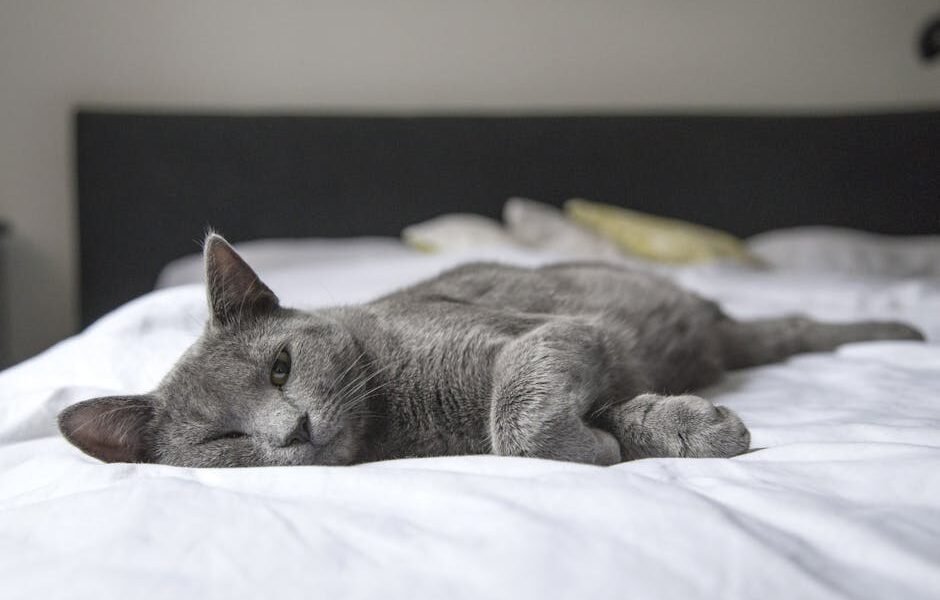
Adopting a Senior Cat: Why Older Cats Make Great Pets
Walk into any animal shelter and you’ll see them — the older cats sitting quietly in their enclosures while kittens tumble and play in the spotlight. Senior cats, typically classified as those aged seven and older, are among the most overlooked animals in rescue organizations. And that’s a shame, because these wise, gentle, and deeply affectionate felines make some of the most wonderful companions you’ll ever meet.
In this article
The reality is that senior cats end up in shelters through no fault of their own. Their owners pass away, families move, allergies develop, or financial hardship makes pet ownership impossible. Many of these cats spent years in loving homes and are simply looking for another one. They already know how to be great pets — they just need someone to give them the chance.
If you’re considering adopting a cat and haven’t yet thought about an older feline, here’s why you should — and everything you need to know to make the experience a wonderful one for both of you.
Why Senior Cats Make Amazing Companions
There’s a unique magic to senior cat companionship that’s hard to describe until you’ve experienced it. People who adopt older cats consistently rave about the experience, and here’s why.
Their personality is fully established. With a kitten, you’re rolling the dice on temperament. That shy, quiet kitten might grow into a demanding, vocal adult, or that playful one might become aloof. With a senior cat, what you see is what you get. The rescue or foster family can tell you exactly what this cat is like — whether they’re a lap cat or an independent explorer, whether they’re chatty or quiet, whether they love other pets or prefer to be the only animal in the house.
They’re calm and well-mannered. Kittens are adorable, but they’re also tiny agents of chaos. They climb curtains, knock things off shelves, attack your feet at 3 AM, and get into everything. Senior cats have outgrown all of that. They’re content with a sunny window spot, a comfortable lap, and a few minutes of gentle play each day. If you value a peaceful, orderly home, a senior cat is your ideal match.
They’re already litter trained. You won’t need to teach an older cat how to use a litter box — they’ve been doing it their entire lives. There’s no adjustment period with accidents on the carpet or confusion about where to go. They simply need you to show them where the litter box is, and they’ll take it from there.
They show deep gratitude. This is something adopters mention again and again. Senior cats seem to understand, on some level, that they’ve been given a second chance. The way they purr, head-butt, and seek out your company feels intentional and grateful. The bond that forms between a senior cat and their adopter is often described as uniquely deep and fulfilling.
You’re making the biggest possible difference. Senior cats are the last to be adopted and often the first to be euthanized in overcrowded shelters. By choosing a senior, you’re truly saving a life — and making room for the shelter to help another animal. Visit our adoption page to see senior cats currently looking for homes.
Health Considerations for Senior Cats
Honesty is important, so let’s talk about health. Senior cats are more likely to develop certain health conditions than younger cats. But with awareness and proper veterinary care, many of these conditions are manageable, and countless senior cats live happy, comfortable lives for years after adoption.
Common health conditions in older cats include chronic kidney disease (one of the most common feline health issues), hyperthyroidism, diabetes, dental disease, arthritis, vision and hearing decline, and various cancers. Not every senior cat will develop these conditions, but regular veterinary monitoring helps catch issues early when they’re most treatable.
Plan on twice-yearly veterinary visits for your senior cat. These should include a physical exam, blood work, urinalysis, blood pressure check, and potentially thyroid screening. While this is more frequent than the annual visits recommended for younger cats, early detection of conditions like kidney disease or hyperthyroidism can add years to your cat’s life and significantly improve their quality of life.
Understanding the cost of owning a cat becomes especially important with a senior. Veterinary expenses do increase with age, and some conditions require ongoing medication, prescription diets, or regular monitoring. However, many adopters find the costs manageable, especially compared to the expenses of kitten care (spaying or neutering, vaccination series, property damage from kitten antics).
Consider pet insurance if you’re adopting a senior cat. While premiums are higher for older animals and pre-existing conditions won’t be covered, insurance can protect you from catastrophic expenses related to new health issues that develop after adoption. Alternatively, set aside a monthly amount in a veterinary emergency fund.
Preparing Your Home for a Senior Cat
Creating a comfortable environment for an older cat doesn’t require a complete home renovation, but a few thoughtful adjustments can make a significant difference in their quality of life.
Accessibility is the primary concern. Older cats with arthritis or reduced mobility may struggle with jumping to their usual favorite spots. Provide pet stairs or ramps to help them reach furniture, window perches, and elevated beds. Make sure at least one litter box is on each floor of your home if you have a multi-story house — an arthritic cat shouldn’t have to navigate stairs every time they need the bathroom.
Speaking of litter boxes, choose ones with low sides or a cut-out entrance for easy access. The standard high-sided litter boxes that work fine for young cats can be painful for seniors with stiff joints to climb in and out of. Keep litter boxes in quiet, accessible locations away from noisy appliances.
Provide warm, soft resting spots throughout your home. Senior cats spend more time sleeping and appreciate cozy beds, heated pads (specifically designed for pets), and access to sunny windows. Orthopedic cat beds with memory foam can ease joint discomfort for arthritic cats.
Keep food and water easily accessible. Some senior cats benefit from raised bowls that reduce neck strain. Cat water fountains encourage hydration, which is especially important for cats with kidney issues. Place food and water stations in multiple locations if your cat has mobility limitations.
Our complete pet-proofing guide covers additional safety measures for preparing your home, though senior cats generally require less intensive proofing than kittens or puppies.
The Adjustment Period and Building Trust
Patience is your most important tool during the first weeks with a senior cat. Older cats may take longer to adjust to a new environment than kittens, who tend to bounce back quickly from change. This doesn’t mean anything is wrong — it simply means your cat needs time to process a major life transition.
Set up a “base camp” — a single quiet room equipped with a litter box, food, water, bedding, and a few hiding spots. Let your cat decompress in this space for the first several days. Visit frequently, sitting quietly and letting the cat approach you on their terms. Read a book aloud, talk softly, or simply be present. Forced interaction will backfire with a nervous senior cat.
Some senior cats emerge from their shell within hours, eagerly seeking attention and exploring. Others may hide for days or even a week or two. Both responses are completely normal. A cat that hides initially is not a “bad” cat or a poor match — they’re simply processing a stressful experience. Given time and patience, most withdrawn senior cats transform into confident, loving companions.
Watch for signs that your cat is adjusting: eating and drinking normally, using the litter box consistently, showing curiosity about their surroundings, seeking out your company, and grooming themselves. Once you see these signs, gradually open up more of your home for exploration.
If your cat has ongoing difficulty adjusting, or if you notice behavioral issues like aggression, excessive hiding, or refusal to eat after more than two to three days, consult with your veterinarian. Sometimes physical discomfort or an underlying health issue is the root cause of behavioral problems in senior cats.
Unsure about committing permanently? The foster-to-adopt program lets you experience life with a senior cat in your home before making a final decision.
Nutrition and Diet for Older Cats
Proper nutrition becomes increasingly important as cats age. Senior cats have different nutritional needs than younger cats, and the right diet can support organ function, maintain a healthy weight, and improve overall quality of life.
Look for cat foods specifically formulated for senior cats. These typically have adjusted protein levels to support muscle mass while being easier on aging kidneys, controlled phosphorus levels for kidney health, added joint support ingredients, and enhanced digestibility. Your veterinarian can recommend specific brands and formulas based on your cat’s health status.
Hydration is critical for senior cats, particularly those with kidney issues. Wet food provides significantly more moisture than dry kibble and is often recommended as a primary or supplemental food for older cats. Cat water fountains can also encourage drinking, as many cats prefer running water over still water in a bowl.
Monitor your senior cat’s weight closely. Obesity puts extra stress on aging joints and increases the risk of diabetes, while unexplained weight loss can signal serious health issues like hyperthyroidism, diabetes, cancer, or kidney disease. Regular weigh-ins at home or during veterinary visits help you catch changes early.
Some senior cats become pickier about food as their sense of smell declines with age. Warming wet food slightly can enhance its aroma and make it more appealing. Offering a variety of flavors and textures can also help maintain your cat’s appetite and interest in meals.
Explore our cat breeds directory to learn about breed-specific nutritional needs and health predispositions that may affect your senior cat’s dietary requirements.
Enrichment and Quality of Life for Senior Cats
Just because a cat is older doesn’t mean they don’t need stimulation and engagement. Mental and physical enrichment remains important throughout a cat’s life, though the intensity and type of activities should match your senior cat’s abilities and interests.
Interactive play sessions, even brief ones of five to ten minutes, keep your senior cat physically active and mentally sharp. Use toys that don’t require intense jumping or running — feather wands moved slowly along the ground, laser pointers at a gentle pace, or crinkle balls that can be batted around while lying down are all great options for older cats.
Window watching is a favorite pastime for most cats, and it provides excellent mental stimulation. Set up a comfortable window perch or bed near a window with a view of birds, squirrels, or outdoor activity. Some owners even install bird feeders outside their cat’s favorite window to create “cat TV.”
Puzzle feeders and food-dispensing toys encourage natural hunting behaviors and provide cognitive stimulation. Start with easy puzzles and gradually increase the difficulty as your cat figures them out. This is especially beneficial for indoor senior cats who might otherwise become bored and sedentary.
Don’t underestimate the power of simple companionship. Many senior cats crave human interaction above all else. Brushing, gentle petting, talking to your cat, and simply being in the same room provides immense comfort and enrichment for an older feline. The quiet moments of connection are often what senior cat ownership is all about.
Frequently Asked Questions
How long do senior cats typically live after adoption?
Indoor cats commonly live into their mid to late teens, and some reach their early twenties. A cat adopted at age seven or eight could easily have another seven to ten or more years of life ahead of them. Even cats adopted at ten to twelve years old often live several more years with proper care. Factors that influence longevity include breed, overall health at the time of adoption, diet, veterinary care, and whether they’re kept indoors. Don’t let age alone deter you — many senior cats have more life ahead of them than people realize.
Will a senior cat get along with my existing pets?
Many senior cats coexist peacefully with other pets, and their calmer temperament can actually make introductions easier than with kittens or young cats. However, individual personality matters more than age. Some senior cats prefer being the only pet, while others enjoy companionship. Ask the rescue organization about the cat’s history with other animals, and always do slow, supervised introductions regardless of either pet’s age. Give each pet their own resources — separate food stations, litter boxes, and resting areas — to minimize territorial stress.
Are senior cats more expensive to care for than younger cats?
Veterinary costs do tend to increase with age due to more frequent checkups, blood work, and the increased likelihood of health conditions requiring treatment. However, senior cats save you money in other areas — no spaying or neutering costs, no kitten vaccination series, less property damage, and lower enrichment needs. On balance, the total annual cost of owning a senior cat is often comparable to that of a younger adult cat. Building a veterinary emergency fund or investing in pet insurance can help manage the potentially higher medical expenses.
What if my senior cat has pre-existing health conditions?
Many senior cats in shelters have manageable health conditions like controlled hyperthyroidism, early-stage kidney disease, or mild arthritis. These conditions often require daily medication, special diets, or regular monitoring, but they shouldn’t prevent a cat from living a happy, comfortable life. The rescue organization should fully disclose any known health issues and current treatments. Work closely with your veterinarian to develop a care plan, and factor ongoing treatment costs into your budget. Some rescues offer adoption fee reductions or medical sponsorship programs for cats with known health issues.
How do I help a shy or fearful senior cat adjust to my home?
Patience, patience, and more patience. Start by confining your new cat to a single quiet room (the “base camp” approach) with all essentials provided. Spend time in the room without forcing interaction — read, work on your laptop, or simply sit quietly. Let the cat approach you on their own terms. Offer high-value treats to build positive associations with your presence. Avoid loud noises, sudden movements, and picking the cat up during the adjustment period. Most fearful senior cats come around within one to four weeks when given space and gentle, consistent interaction. If fear persists beyond a month, consult a veterinarian to rule out pain or illness as contributing factors.
Is it better to adopt one senior cat or two?
This depends on the individual cats and your capacity. Some senior cats who have lived together and are bonded pairs should absolutely be adopted together — separating them can cause significant stress and grief. For cats who aren’t already bonded, adopting two seniors simultaneously can work well if both cats are sociable and enjoy feline companionship. However, some older cats strongly prefer being the only pet, and forcing them to share space creates unnecessary stress. Ask the rescue about each cat’s social preferences. If you’re considering two cats, make sure you can afford double the veterinary care, food, and supplies, as costs don’t just go up marginally with a second senior cat who may have their own health needs.