Last updated: May 6, 2026
In this article
Why Older Pets Need Homes Too
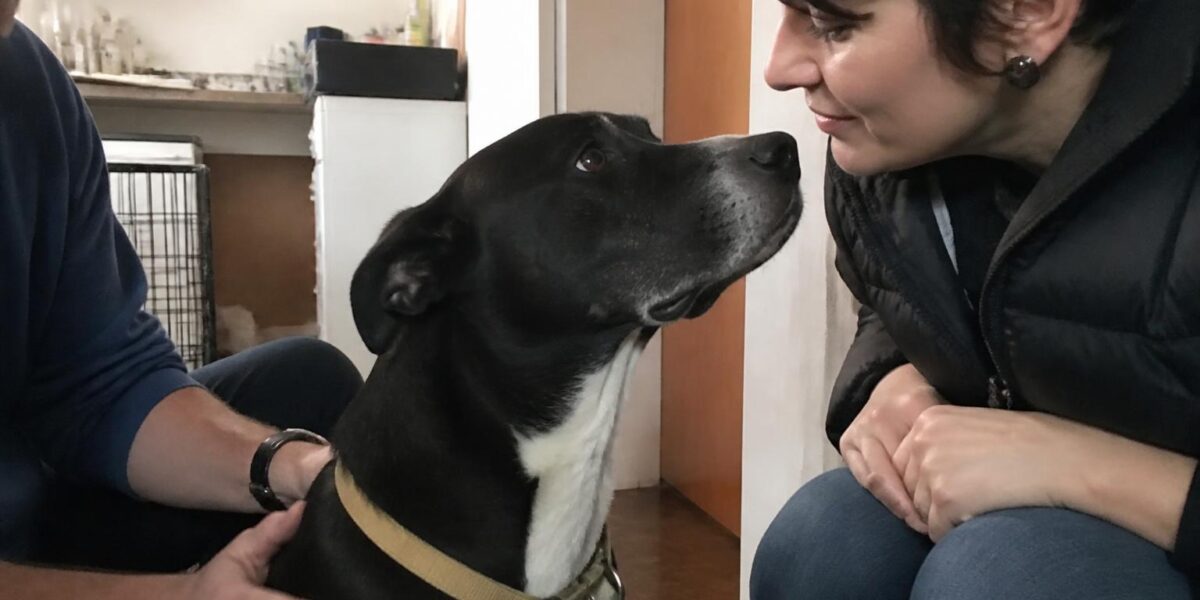
Adopting a senior pet in Singapore is one of the most quietly rewarding choices an animal lover can make. Older dogs and cats often spend far longer in shelters than puppies and kittens, passed over by adopters who want a youthful companion without realizing how much calm, gratitude, and grace a grey-muzzled friend can bring into a home.
In Singapore, senior pets end up in rescue care for reasons that have nothing to do with their behavior. Owners move overseas, face financial hardship, develop allergies, or pass away. Community cats age out of colony life and need quieter settings. Breeder surrenders arrive after years of being used for puppies. These animals are not broken. They are simply waiting for a second chapter.
If you live in an HDB flat, condo, or landed home, a senior pet may actually suit your lifestyle better than a high-energy puppy. They tend to be house-trained, calmer on walks, and content to nap near you while you work from home. The tropical heat also favors older pets who do not need the hours of outdoor exercise a young dog demands.
What Counts as a Senior Pet
Most veterinarians consider dogs senior around seven years old, though large breeds like Labradors or German Shepherds may reach that stage closer to age six. Cats typically enter their senior years at around ten. Singapore Specials, the local mongrel population, often age well thanks to their hardy genetics, with many staying sprightly into their early teens.
When you meet a senior pet at a rescue, ask the adoption team how the age was estimated. Some rescues rely on dental condition, coat quality, and eye clarity when medical history is missing. Knowing whether your prospective pet is eight, twelve, or fourteen helps you plan for the years ahead.
Keep in mind that senior does not mean sick. Plenty of older rescues in Singapore are healthy, active, and looking forward to decades of cuddles. Others may have manageable chronic conditions that simply require consistency from their new family.
Health Considerations to Plan For
Before bringing home a senior pet, sit down with the rescue organization and ask for a full medical handover. Vaccination records, dental history, bloodwork results, and any ongoing medications should be shared openly. Reputable Singapore rescues like SOSD, SPCA Singapore, and Causes for Animals Singapore typically provide this information as part of their adoption process.
Common conditions to watch for in senior pets include:
- Arthritis and joint stiffness: Especially in larger dogs who have walked on hard HDB corridors for years.
- Dental disease: Often requires a cleaning under anesthesia shortly after adoption.
- Kidney and thyroid issues in cats: Manageable with diet and medication.
- Heart murmurs: Your vet may recommend an echocardiogram to grade severity.
- Vision or hearing loss: Senior pets adapt remarkably well with patient handling.
Budget for more frequent vet visits than you would with a young animal. Twice-yearly checkups with bloodwork are standard for senior pets, and Singapore veterinary care is not inexpensive. Speak to your clinic about wellness packages or payment plans if cost is a concern.
Preparing Your Home for a Senior Pet
A few small adjustments make a big difference for older animals. Non-slip rugs on polished tiles help arthritic dogs keep their footing. Orthopedic beds ease sore joints, and in Singapore’s climate, look for cooling mats or raised beds that allow airflow underneath. Keep food and water bowls at a comfortable height for pets with neck stiffness.
For senior cats, provide litter boxes with low entry walls since jumping may become uncomfortable. Place one box on each floor of multi-level homes, or at both ends of a long HDB flat. Keep resources within easy reach and avoid rearranging furniture, which can disorient pets with fading vision.
Climate control matters more for senior pets. Older animals regulate temperature less efficiently, so ensure they have access to fans or air-conditioned rooms during the hottest hours. Walk senior dogs early in the morning or after sunset to avoid pavement heat on aging paw pads.
The Emotional Rewards of Senior Adoption
Senior pets bond quickly with adopters, perhaps because they understand that this home is their refuge. Many come to you already house-trained, socialized, and familiar with basic commands. The frantic chewing, midnight zoomies, and teething phases are behind them. What remains is pure companionship.
Adopters often describe their senior pet as a perfect match within days. There is no guessing what a kitten will grow into when the cat in front of you is already showing you exactly who they are. That honesty, paired with their gratitude, creates a connection that many adopters call the deepest they have ever experienced with an animal.
If you are ready to make an older animal’s final years their best ones, browse pets available for adoption through Walk Me Home Rescue. You may also want to read our first-time pet adopter Singapore checklist and our guide to adopting a special needs pet in Singapore.
Frequently Asked Questions
How long will a senior pet live after adoption?
It depends on the species, breed, and health condition, but many senior pets enjoy two to six more years with a loving family. Some exceed that significantly. Your vet can give you a more personalized estimate after an initial health assessment.
Are adoption fees lower for senior pets in Singapore?
Many Singapore rescues offer reduced or waived adoption fees for senior animals to encourage placements. Ask the organization about senior pet promotions when you inquire. Keep in mind that lower fees do not reduce the importance of budgeting for ongoing care.
Can senior dogs still be walked in tropical heat?
Yes, but carefully. Walk early in the morning or late in the evening when temperatures are lower. Keep walks shorter and watch for signs of overheating like heavy panting, drooling, or lagging behind. Always bring water.
Will a senior pet bond with me like a younger one?
Senior pets often bond faster and more deeply than younger animals. They have lived enough to recognize kindness and stability when they find it. Give them time, patience, and consistency, and you will see that bond form within weeks.
Should I adopt a senior pet if I have young children?
It can work beautifully if the senior pet has a calm temperament and your children are old enough to respect an older animal’s need for quiet rest. Discuss your household with the rescue and ask for a pet with a child-friendly history.