Last updated: May 23, 2026
In this article
The Most Confusing Naming in the Cat World
American Shorthair vs Domestic Shorthair is one of the most confusing comparisons in the cat world because the names sound almost interchangeable. They’re not. The American Shorthair is a recognized breed with a defined standard and traceable lineage. The Domestic Shorthair is not a breed at all. It’s a catch-all term for any short-haired cat of mixed or unknown ancestry, which covers the vast majority of shelter cats in North America.
This guide walks through the differences so you can talk about these cats accurately and make informed decisions when adopting. Both can be wonderful companions, but they have very different histories and what to expect from each.
What Is an American Shorthair?
The American Shorthair is a formal breed recognized by all major cat registries, including the Cat Fanciers’ Association (CFA) and The International Cat Association (TICA). The breed descends from working cats brought to North America by European settlers in the seventeenth century. Those cats earned their keep by controlling rodents on farms, ships, and in homes, and their sturdy, practical build reflects centuries of functional selection.
Breed standards specify a medium-to-large cat with a muscular body, rounded head, short dense coat, and friendly but independent temperament. American Shorthairs come in more than 80 recognized color and pattern variations, with silver classic tabby being the most iconic. Good breeders keep detailed pedigree records going back multiple generations.
When you buy or adopt an American Shorthair, you’re getting a cat whose ancestry is documented. That predictability is part of what makes the breed appealing to families who want to know what to expect.
What Is a Domestic Shorthair?
A Domestic Shorthair (DSH) is simply any short-haired cat without recognized breed ancestry. The term covers the mixed-breed cats that make up the majority of pet cat populations worldwide. If you adopt a shorthaired cat from a general shelter without breed documentation, it’s almost certainly a Domestic Shorthair by definition.
Domestic Shorthairs come in every color, pattern, size, and temperament you can imagine. Some look strikingly similar to purebreds because they carry genes from American Shorthairs, Siamese, Maine Coons, and other recognized breeds in their mixed ancestry. Others have completely unique appearances that don’t resemble any specific breed.
The Domestic Shorthair is also known as a “moggie” (British slang) or “house cat.” The term has no breeding significance, but it’s a useful shorthand for the diverse cats that most owners actually live with.
Appearance Differences
American Shorthairs have a specific look defined by breed standards: medium to large size, muscular build, round face, short ears, and a dense coat. Males typically weigh 11 to 15 pounds and females 8 to 12 pounds. The coat is notable for its thickness and crisp texture, with the silver classic tabby pattern being the most recognizable variety.
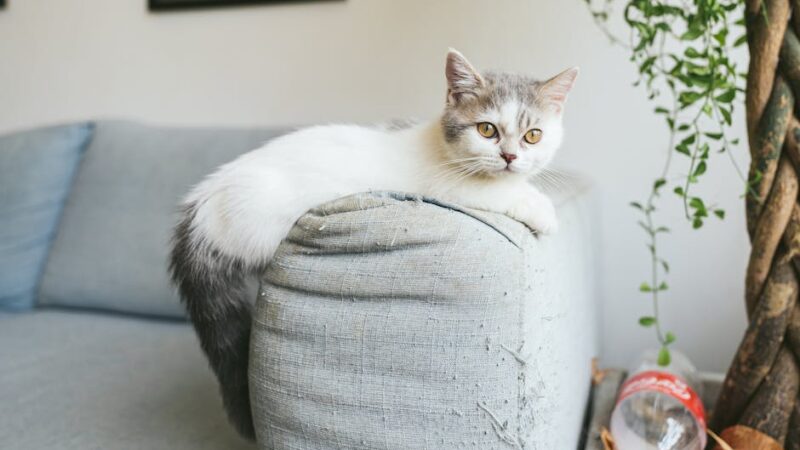
Domestic Shorthairs have no standard appearance. They range from petite 6-pound cats to heavy 15-pound individuals. Coat patterns include every tabby variation, solid colors, tuxedo, Calico, tortoiseshell, bicolor, and more. Some Domestic Shorthairs closely resemble American Shorthairs or other breeds, while others look completely distinct.
If you can’t tell whether a shelter cat is an American Shorthair or Domestic Shorthair just by looking, it’s almost certainly a DSH. True American Shorthairs come with pedigree papers. Without documentation, the breed label isn’t accurate. For more on tabby patterns, see our guide on tabby cat patterns.
Personality and Temperament
American Shorthairs have a fairly consistent personality profile because of their breed standard. They’re typically friendly, adaptable, moderately active, and independent. They enjoy human company but don’t demand constant attention like a Siamese would. They’re generally good with children, other pets, and changes in routine.
Domestic Shorthair personalities vary dramatically because the underlying genetics vary. Some DSH cats are calm and mellow, others are high-energy and demanding. Some are social butterflies, others are shy and reserved. The only way to know a Domestic Shorthair’s personality is to meet the individual cat and spend time with them.
This variability can actually be an advantage for adopters. At a shelter, you can meet multiple DSH cats with different personalities and pick the one that best matches your household. With an American Shorthair, you know the general profile but may have fewer cats to choose from.
Health and Lifespan
Both American Shorthairs and Domestic Shorthairs are generally healthy. American Shorthairs can be prone to hypertrophic cardiomyopathy (HCM) and kidney disease, and responsible breeders screen for these conditions. Typical lifespan is 15 to 20 years.
Domestic Shorthairs benefit from what’s called “hybrid vigor,” meaning their mixed ancestry often protects them from the inherited conditions that concentrate in purebred lines. As a result, DSH cats tend to be hardy and long-lived, often reaching 15+ years with good care.
Either cat benefits from annual vet checkups, proper nutrition, and a safe indoor lifestyle. Regardless of breed label, preventive care is the foundation of a long, healthy feline life.
Cost Differences
An American Shorthair from a reputable breeder typically costs $500 to $1,500, depending on pedigree and coloration. Show-quality kittens can cost more. You’re paying for documented lineage, health screening, and (hopefully) early socialization from a breeder who knows what they’re doing.
A Domestic Shorthair from a shelter typically costs $50 to $200 for adoption fees, which usually include spay/neuter, vaccinations, and microchipping. Some shelters periodically waive or reduce fees during adoption events.
From a value standpoint, adopting a Domestic Shorthair gives you a cat that’s often healthier, comes with basic medical care included, and saves a life that might otherwise be euthanized. The American Shorthair offers predictable breed traits, but at a significantly higher price.
Which Should You Choose?
Choose an American Shorthair if:
- You want predictable breed traits for children or first-time owners
- You’re interested in showing cats or want documented pedigree
- You have specific appearance preferences like silver classic tabby
- You’re willing to pay more for breed documentation
Choose a Domestic Shorthair if:
- You want to adopt from rescue and save a life
- You’re flexible about appearance and personality
- You want the broadest selection of cats to meet in person
- You prefer lower adoption costs and the hybrid vigor benefits
For most pet owners, a Domestic Shorthair is the practical choice. For enthusiasts who want specific breed traits, an American Shorthair makes sense.
Finding Either Cat to Adopt
Domestic Shorthairs are abundant in shelters everywhere. Walk into any animal shelter in North America and you’ll find dozens of DSH cats waiting for homes. American Shorthairs are less common in general shelters but do appear occasionally, and breed-specific rescues maintain waitlists of available cats.
Start your search at Walk Me Home’s cat adoption hub. Whichever you choose, spend time with the individual cat before deciding. Personality compatibility matters more than breed label for most pet relationships.
Frequently Asked Questions
Can a Domestic Shorthair be registered as a breed?
No. Domestic Shorthair is not a recognized breed. Only cats with documented pedigree from registered breeders can be registered as a specific breed like American Shorthair.
Are American Shorthairs just fancy DSH cats?
Not exactly. American Shorthairs have documented lineage and are bred to a standard, which is the formal difference. A DSH might look similar but isn’t recognized as a breed.
Which is more affectionate?
Both can be highly affectionate, but individual temperament matters more than breed label. Spend time with the specific cat before deciding.
Can I enter a DSH cat in cat shows?
Yes. Many shows include a “household pet” category specifically for mixed-breed cats. They’re judged on health, grooming, and temperament rather than breed standards.
Which lives longer?
Both commonly live 15 to 20 years with good care. Domestic Shorthairs may have a slight edge due to hybrid vigor, but lifestyle and vet care matter more than ancestry.
Looking to adopt a American Shorthair vs Domestic Shorthair?
Browse American Shorthair vs Domestic Shorthair cats and mixes available for adoption from shelters and rescues near you.
Find American Shorthair vs Domestic Shorthair Cats for Adoption