Last updated: May 6, 2026
In this article
Who Animal Lovers League Is
Animal Lovers League Singapore is a no-kill shelter that cares for dogs and cats who need rescue, rehabilitation, and rehoming. The phrase “no-kill” simply means that healthy and adoptable animals are not euthanized for space reasons. Instead, the shelter aims to care for each animal for as long as it takes to find them the right home.
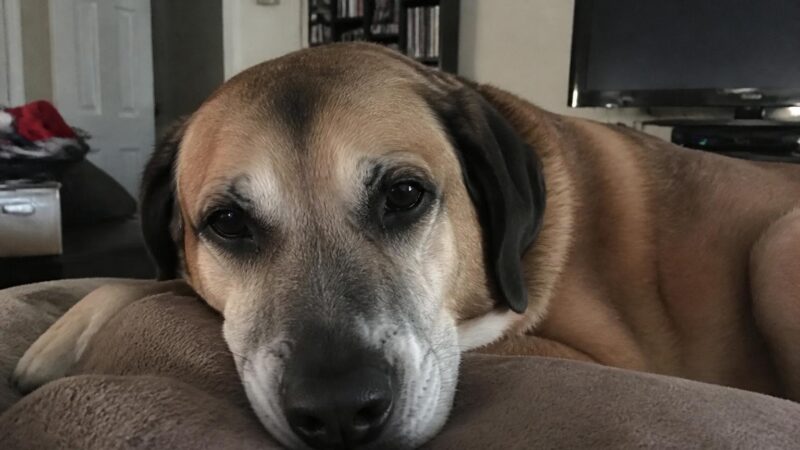
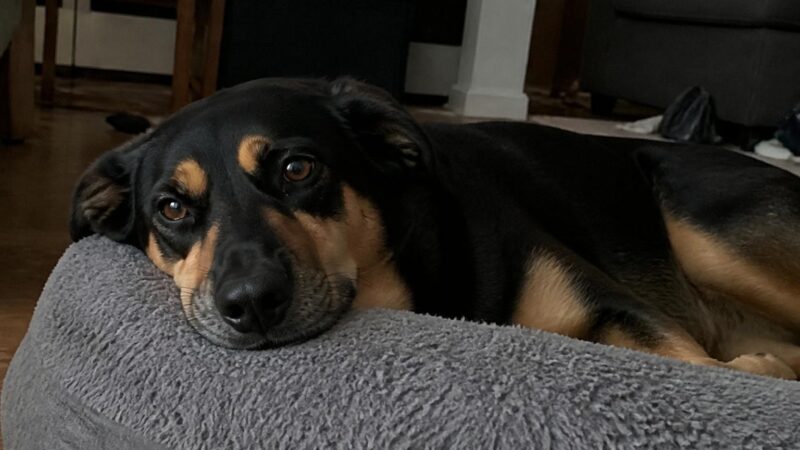
This approach has made Animal Lovers League Singapore a familiar name among adopters who want to support shelters committed to long-term welfare. Many of the dogs are Singapore Specials, the local mongrels that make up a large share of Singapore’s rescue population, while the cats are often former community cats now seeking indoor homes.
If you are drawn to the idea of supporting a shelter that keeps animals safe while matching them thoughtfully with new families, a no-kill rescue may feel like a good fit for your values.
What a No-Kill Shelter Really Means
A no-kill shelter still faces real-world challenges. Intake numbers can be high, space is finite, and some animals stay for months or even years before finding the right match. Volunteers and staff invest significant time in daily care, medical support, and socialization.
The benefit for adopters is that staff often know each animal deeply. They can tell you which dog is shy with strangers but confident on walks, which cat hates car rides but loves head scritches, and which pair of dogs have bonded so tightly they need to be adopted together. That context is priceless when matching a pet to a home.
It is worth understanding that no-kill shelters are still dependent on public support. Donations, volunteer hours, and sponsorships help keep the doors open. Even if you are not ready to adopt, you can support their mission in other ways.
Who You Can Meet and Adopt
Available pets usually include adult dogs, seniors, puppies born to rescued mothers, and a range of cats from kittens to seniors. Personalities span the full spectrum. Some animals are confident from day one, while others need a patient home where they can slowly build trust.
Singapore Specials are typically medium-sized, short-coated, and suited to the tropical climate. Cats are usually domestic shorthairs, and their history often influences how they respond to new environments. Former community cats may prefer quiet homes without too much foot traffic, while cats raised from kittenhood in foster homes often settle faster.
Ask about any known medical or behavioral needs. A transparent rescue wants you to know what you are signing up for, not to surprise you later.
Adoption Eligibility
General eligibility lines up with what most reputable Singapore rescues ask. You should be financially stable, live in housing where pets are permitted, and have agreement from everyone in the household. For HDB flats, the dog must meet current HDB guidelines, with local mongrels potentially eligible under Project ADORE. Cat adopters should check the current HDB cat ownership framework.
Cat rescues almost always require mesh-netting of windows and balconies. This protects cats from dangerous falls and is non-negotiable at most no-kill shelters.
Experience is a plus but not a requirement. First-time adopters are welcome when they are honest about their learning curve and open to guidance.
The Adoption Process
The typical path through a no-kill shelter looks familiar, though specific steps can differ.
- Browse available pets. Look at current profiles, descriptions, and photos.
- Submit an application. Share information about your home, household, schedule, and what you can offer.
- Meet and greet. Spend time with the animal to see how you click.
- Home visit. Volunteers check that the space is safe, meshed for cats, and suitable for the specific animal.
- Finalization. Paperwork is signed, the adoption fee is paid, and your new pet comes home.
Do not feel rushed. Ask questions about the animal’s behavior at the shelter, their reactions to other pets, how they respond to loud noises, and what their daily routine is like. The more you understand, the better prepared you will be to welcome them.
Setting Up Your Home
Prepare your home before adoption day. For dogs, create a quiet resting spot with bedding, water, and a few toys. Remove hazards, secure bins, and make sure the space is calm.
For cats, set up a base room with a litter box, food, water, scratching post, and hiding spots. Mesh windows and balconies thoroughly before you bring a cat home. Even a few minutes near an open window can be dangerous for a newly arrived cat.
Stock up on basic supplies in advance. Food (ask what the shelter feeds), grooming tools, leashes or carriers, and a contact for your chosen vet clinic. Knowing where to go for the first check-up gives you peace of mind.
Costs and Ongoing Commitment
Adoption fees usually offset some of the medical care the shelter has already provided, which may include sterilization, vaccinations, deworming, and microchipping. Confirm exactly what is included so you can plan follow-up vet visits.
Ongoing costs include food, preventive care, dog licensing, grooming if applicable, and unexpected medical expenses. Always consult your veterinarian about appropriate parasite prevention and dietary choices for your pet in Singapore’s tropical climate.
Your time is another major commitment. Dogs need daily walks and training reinforcement, and cats need play and enrichment. If your schedule is tight, build in support from family, trusted pet sitters, or reliable boarding options.
Life After Adoption
Most rescue animals need a few weeks to fully relax into a new home. Keep routines predictable, interactions gentle, and expectations realistic. A dog who is quiet for the first few days is usually decompressing, not unhappy. A cat who hides under the bed is usually observing, not rejecting you.
Stay in touch with the shelter. Updates and photos are often welcomed, and the team can offer advice if you hit a snag. If something feels off, reach out early. Early questions prevent later problems.
For more guidance, read our new pet first 30 days timeline, browse our best dog rescues in Singapore roundup, and visit our Adopt a Pet hub. Those looking at cat options may also like our best cat rescues in Singapore overview.
Frequently Asked Questions
What does “no-kill” mean exactly?
A no-kill shelter does not euthanize healthy, adoptable animals for space. Animals who are suffering from untreatable medical conditions may still be humanely euthanized based on veterinary advice, but the focus is on long-term care until adoption.
Can I volunteer before adopting?
Many shelters welcome volunteers, and spending time at the shelter is a great way to understand the animals and the work. Check current volunteer requirements before showing up.
How long do animals usually stay at a no-kill shelter?
It varies enormously. Some find homes within weeks, while others may wait months or longer, particularly seniors, shy dogs, or cats with medical needs. Long-stay animals often become deeply loved candidates for the right adopter.
Do I need to pay a home visit fee?
Home visits are usually part of the adoption process at no additional cost. Speak to the shelter ahead of time to confirm.
What happens if my adopted pet gets sick shortly after coming home?
Contact both the shelter and your veterinarian. Some medical issues are linked to the stress of a new environment and resolve quickly, while others need professional care. Keep communication open so you can make the best decisions for your new pet.