
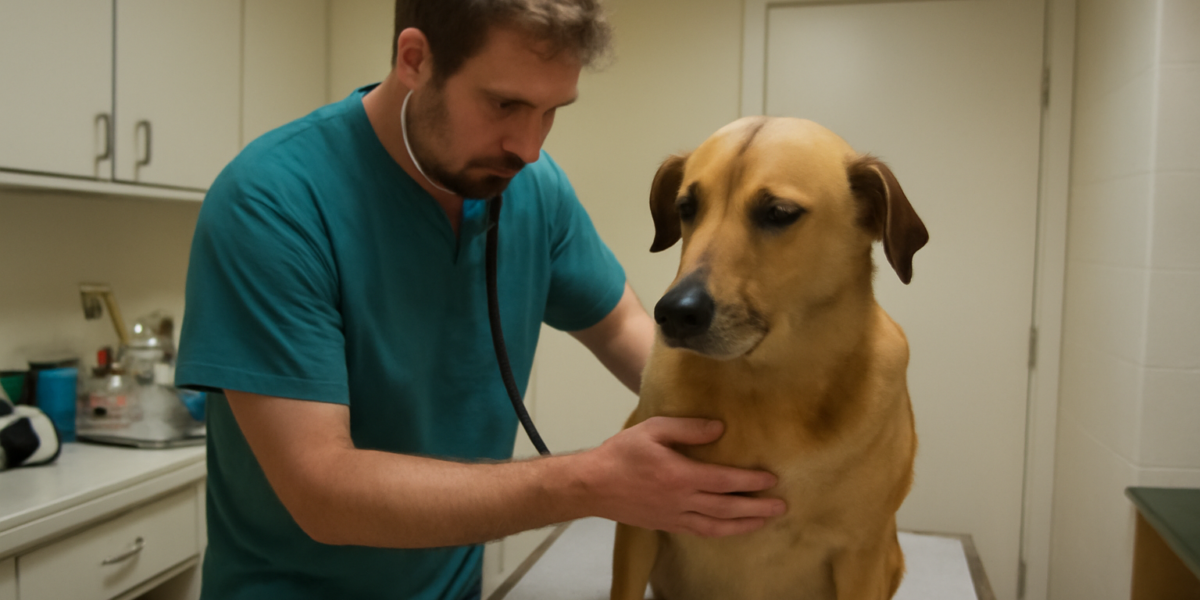
What Buprenorphine Is and Why Vets Use It
Buprenorphine is a prescription opioid pain reliever that veterinarians use to control moderate pain in dogs and cats. For buprenorphine dogs, the most common situations include the early days after surgery, recovery from significant injury, dental procedures, and certain inflammatory or oncologic conditions where additional pain coverage is needed beyond an NSAID alone.
In this article
- What Buprenorphine Is and Why Vets Use It
- How Buprenorphine Works in the Canine Body
- Common Reasons Vets Prescribe Buprenorphine
- How Buprenorphine Is Given to Dogs
- Side Effects to Watch For
- Dogs Who Need Extra Caution With Buprenorphine
- Drug Interactions to Flag
- Storing and Handling a Controlled Substance
- What to Expect During a Buprenorphine Course
- Buprenorphine vs. Other Opioid Options
- Frequently Asked Questions
- The Bottom Line
Unlike full opioid agonists such as morphine or fentanyl, buprenorphine is a partial agonist. That means it activates opioid receptors but does so to a lesser maximum extent. In practical terms, buprenorphine offers reliable pain relief for moderate pain levels, has a relatively long duration of action compared with some other opioids, and tends to cause less sedation and less respiratory depression than the full agonists. These features make it especially useful for outpatient and short-stay surgical patients.
Because buprenorphine is a controlled substance — typically classified as a Schedule III controlled substance in the United States — it can only be obtained through a licensed veterinarian, must be stored securely, and requires careful handling and disposal. It is never appropriate to share opioids between pets, dose them without veterinary direction, or buy them from non-veterinary sources.
How Buprenorphine Works in the Canine Body
Pain signals travel through the nervous system using a network of receptors and chemical messengers. Opioid receptors — particularly the mu-opioid receptor — sit on nerve cells in the spinal cord and brain and act as volume controls for incoming pain signals. When an opioid binds to these receptors, it dampens the signal and the brain perceives less pain.
Buprenorphine binds tightly to the mu-receptor and stays bound for a relatively long time, which contributes to its prolonged effect. Because it is a partial agonist rather than a full agonist, the maximum analgesic effect tops out below what a full agonist like morphine could provide. For moderate pain that is exactly what you want, because the partial-agonist behavior also tends to mean less sedation, less risk of respiratory depression, and a wider safety margin.
Buprenorphine has an unusual feature for an opioid: it can be absorbed effectively across the mucous membranes of the mouth in many species, especially cats. In dogs, oral mucosal absorption is generally less reliable, so dogs more often receive buprenorphine by injection or via specialty long-acting formulations administered by a veterinarian.
Common Reasons Vets Prescribe Buprenorphine
Veterinarians most often use buprenorphine for dogs in situations like:
- Post-operative pain after spays, neuters, mass removals, soft tissue surgeries, and many orthopedic procedures
- Dental pain following extractions or major periodontal work
- Acute injury or trauma such as significant bite wounds, fractures (in conjunction with stabilization), and lacerations
- Inflammatory conditions like pancreatitis, where opioid analgesia plus supportive care helps the patient through the worst of the discomfort
- Cancer pain in selected patients, often as part of a multimodal pain plan
For most uses, buprenorphine is part of a multimodal plan rather than the sole pain medication. Combining an opioid with an NSAID like meloxicam (when not contraindicated), gabapentin for neuropathic components, and local or regional anesthetic techniques during surgery typically provides better comfort with lower doses of any single drug.
How Buprenorphine Is Given to Dogs
Buprenorphine for dogs is most commonly administered by injection in a veterinary setting — intramuscularly, subcutaneously, or intravenously. The drug is also available as a long-acting injectable formulation that can provide pain control for several days from a single dose, which is especially handy for outpatient surgical recovery.
For at-home dosing of dogs, buprenorphine is sometimes dispensed in oral or oral transmucosal forms, but absorption can be variable. Your vet will choose the formulation that best fits your dog’s situation and household. If you are sent home with buprenorphine, follow the instructions exactly: the dose, frequency, and route all matter.
Dosing is weight-based and depends on the form being used, the type and severity of pain, and your dog’s age and health profile. Your vet sets the plan; your job is to follow it precisely and to communicate any concerns. Never adjust the dose, give doses closer together than prescribed, or combine buprenorphine with any other opioid, sedative, or central nervous system depressant without explicit veterinary approval.
Side Effects to Watch For
Most dogs tolerate buprenorphine well. Compared with full opioid agonists, it tends to cause less sedation and less respiratory depression, but side effects can still occur. Common, usually mild effects include:
- Mild sedation or sleepiness
- Decreased appetite for a day or two
- Mild nausea or vomiting
- Constipation, especially with longer use
- Slowed heart rate or breathing rate
- Pupil changes (usually small pupils in dogs)
More serious adverse effects, though uncommon at therapeutic doses, can include marked sedation, significant respiratory depression, low body temperature, slowed gut motility leading to constipation or ileus, and behavioral changes. Warning signs that warrant an immediate call to your vet or an emergency clinic include:
- Difficulty breathing or very slow, shallow breathing
- Profound sedation or unresponsiveness
- Persistent vomiting or signs of severe nausea
- Trembling, agitation, or unusual behavior
- Inability to urinate
- Cold body temperature or pale gums
If you suspect overdose — for example, if your dog accidentally received an extra dose or got into the medication — treat it as an emergency. Buprenorphine effects can be partially reversed with a medication called naloxone, which a veterinary team can administer if needed.
Dogs Who Need Extra Caution With Buprenorphine
Buprenorphine is generally a safe drug, but certain dogs need extra screening or alternative approaches. Tell your vet if your dog has:
- Significant respiratory disease, severe asthma-like conditions, or sleep-disordered breathing
- Severe liver disease, since the liver metabolizes buprenorphine
- Significant kidney disease
- Head trauma or increased intracranial pressure
- Severe heart disease
- Hypothyroidism or Addison’s disease
- A history of significant constipation or gastrointestinal motility problems
Brachycephalic breeds (flat-faced dogs like bulldogs and pugs) often need extra monitoring with any sedating medication because their airways are already narrow. Your vet will weigh these factors when choosing the safest pain plan.
Drug Interactions to Flag
Several drug classes interact significantly with buprenorphine:
- Other opioids: Combining buprenorphine with full opioid agonists can produce unpredictable effects because buprenorphine binds tightly to the receptor and can partially block other opioids.
- Sedatives and tranquilizers: Combining buprenorphine with sedatives like acepromazine, dexmedetomidine, or benzodiazepines can deepen sedation and respiratory depression. These combinations are sometimes deliberately used in supervised veterinary settings, but they should never be set up at home without explicit veterinary direction.
- MAO inhibitors and certain antidepressants: These can interact with opioids in ways that range from increased sedation to more serious adverse effects.
- Antifungals like ketoconazole and itraconazole: These can affect opioid metabolism.
Always give your vet a full list of every medication and supplement your dog is on, including over-the-counter products and herbal remedies. Even a single missed item can change the safety calculation.
Storing and Handling a Controlled Substance
Because buprenorphine is a controlled substance, both human safety and legal requirements demand careful handling:
- Store the medication in its original container, in a secure location out of reach of children, other pets, and visitors.
- Never share the medication with another animal — even one with a similar problem.
- Do not use leftover medication later for a different episode without your vet’s approval.
- Dispose of unused medication via a drug take-back program or per your veterinarian’s instructions. Do not flush it or throw it loose in the trash.
- Keep the medication out of any environment where it could be accidentally diverted or misused.
Accidental human ingestion of veterinary opioids is a real public health issue. Children are especially vulnerable. If a person accidentally ingests buprenorphine intended for a pet, treat it as a medical emergency and call poison control or seek emergency care.
What to Expect During a Buprenorphine Course
For dogs receiving short courses of buprenorphine after surgery, expect mild sleepiness, modest decrease in appetite, and gradually improving comfort over the first 24 to 72 hours. Encourage rest, offer small palatable meals, ensure access to water, and monitor for the warning signs covered above. Take any prescribed antibiotic or NSAID exactly on schedule.
For dogs receiving buprenorphine for inflammatory conditions like pancreatitis or for cancer pain, the course may be longer and may overlap with other medications. Keep a simple log of pain scores, appetite, energy level, and bowel movements. Constipation can creep up during longer opioid use, and a heads-up to your vet allows them to adjust the plan or add a stool softener before things get uncomfortable.
Once the acute pain phase is past, your vet will typically taper or stop the buprenorphine and rely on longer-term pain control through NSAIDs, gabapentin, weight management, and other strategies. Do not stop the medication early on your own if your dog still seems uncomfortable — call your vet for guidance.
Buprenorphine vs. Other Opioid Options
Veterinary medicine has several opioid options, each with strengths and trade-offs:
- Buprenorphine — partial agonist, longer duration, less sedation, ceiling effect that limits both maximum analgesia and maximum risk
- Morphine, hydromorphone, methadone, fentanyl — full agonists, stronger analgesia for severe pain, more sedation and respiratory effects, often reserved for inpatient or hospital use
- Tramadol — weak opioid effects plus monoamine effects; efficacy in dogs is more variable than once thought
- Codeine — used in selected cases, often combined with other agents; see dog arthritis management discussions for context on multimodal pain approaches
The right choice depends on the type and severity of pain, the duration of treatment needed, the patient’s health status, and the setting (hospital vs. home). Your vet will choose the option that best fits the situation.
Frequently Asked Questions
Can I give buprenorphine to my dog without a prescription?
No. Buprenorphine is a controlled substance (typically Schedule III in the United States) and is available only through a licensed veterinarian. It cannot legally be obtained without a prescription, and self-medicating a pet with opioids can cause serious harm. If your dog seems to be in pain, contact your vet rather than reaching for any medication on your own.
What if I miss a dose?
Give the missed dose as soon as you remember, unless it is close to the next scheduled dose. In that case, skip the missed dose and resume the regular schedule. Never give two doses at once or extra doses to “catch up.” Call your vet if you are unsure how to proceed.
Will buprenorphine make my dog very sleepy?
Most dogs experience only mild sedation on buprenorphine — less than they would on full opioid agonists. Some sleepiness in the first day or two is normal. If your dog seems profoundly sedated, hard to rouse, or has slow, shallow breathing, contact your vet immediately.
Side effects to watch for?
Common side effects are mild sedation, decreased appetite, mild nausea, and constipation. Concerning signs include difficulty breathing, profound sedation, repeated vomiting, agitation, inability to urinate, or a cold body temperature. Stop the medication and contact your vet right away if any of these appear.
When should I call the vet?
Call your vet promptly if your dog has any concerning side effects, if pain seems poorly controlled despite the medication, if your dog refuses food for more than a day, or if you suspect an accidental overdose. Better to call than to wait.
Is buprenorphine the same as buprenorphine-naloxone (Suboxone)?
No. Suboxone and similar products are formulated for human use to treat opioid use disorder and combine buprenorphine with naloxone. Veterinary buprenorphine is a different formulation prescribed and dosed for animals. Never give a human buprenorphine product to a pet, and never give veterinary buprenorphine to a person.
The Bottom Line
Buprenorphine is a valuable, well-tolerated opioid for managing moderate pain in dogs, especially in the early days after surgery or significant injury. Used as part of a multimodal plan and under close veterinary supervision, it can dramatically improve recovery experiences and quality of life. Used carelessly — or shared, stockpiled, or self-prescribed — it can cause serious harm to pets and people alike.
If your dog has been prescribed buprenorphine, follow the dosing instructions exactly, store the medication securely, watch for the warning signs covered here, and stay in close touch with your veterinary team. Pain is a moving target, and your input as the person who lives with your dog is the most valuable feedback your vet can get.


