
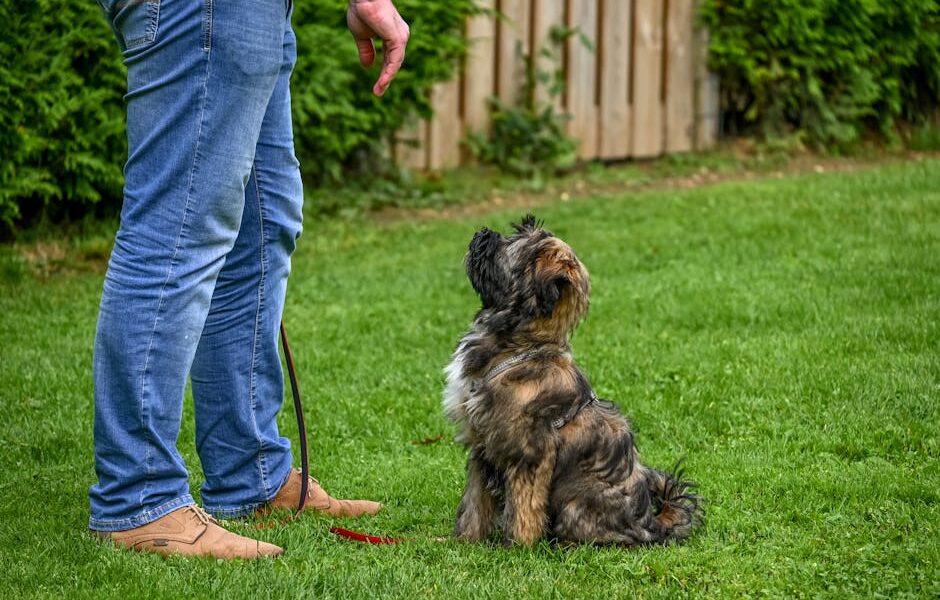
Yes, Cats Can Be Clicker Trained
The single biggest myth in feline behavior is that cats cannot be trained. Cats can absolutely learn cued behaviors using the same operant conditioning principles that work for dogs, dolphins, and zoo animals — and they do so eagerly when the rewards are right and the sessions are short. Cat clicker training basics rest on a precise marker (the click), high-value food rewards, and respect for how cats actually work.
In this article
- Yes, Cats Can Be Clicker Trained
- What a Clicker Is, and Why It Works
- High-Value Treats Make or Break the Session
- Charging the Marker: Your First Session
- Session Length: Cats Fatigue Faster
- First Behavior: Target Training
- Building Sit, High Five, and Go to Mat
- Cooperative Care: The Real Reason to Train
- Troubleshooting Common Stuck Points
- When to Bring in a Professional
- Frequently Asked Questions
What cats are not is dogs. They will not work for praise alone, they will not work past the point of satisfaction, and they will not stay engaged for fifteen-minute sessions. The successful cat trainer adjusts the protocol — not the cat. Two-to-three-minute sessions, multiple times a day, with a treat your cat would knock you over for, will outperform a half-hour session with kibble every time.
Cooperative care is the bigger payoff. A clicker-trained cat tolerates nail trims, pill administration, ear cleaning, and carrier loading with vastly less stress. That alone justifies the effort.
What a Clicker Is, and Why It Works
A clicker is a small plastic device that makes a precise, consistent sound when pressed. In behavioral terms it is a conditioned reinforcer — a sound your cat learns means “yes, that exact moment, food is coming.” The technical name is a marker.
The reason the click outperforms verbal praise is precision. Saying “good kitty” takes about a second, varies in tone and volume, and is something your cat hears in many neutral contexts. A click is half a second, identical every time, and reserved for one purpose. That precision lets you mark a behavior the instant it happens — paw lifts, head turns, the second before a sit collapses back to a stand — and your cat builds the association faster than any verbal cue could deliver.
If a clicker is too loud for a sound-sensitive cat, a clicky pen, a tongue cluck, or a soft verbal “yes” works equivalently. Our clicker training for cats primer goes deeper on choosing a marker; the rest of this guide assumes you have one in hand.
High-Value Treats Make or Break the Session
The single most common reason cat clicker training fails is rewards the cat does not actually care about. A handful of kibble is not motivating to a cat who already gets a free bowl of kibble. To get the cat working, the treat must be worth working for.
The reliable winners are freeze-dried single-protein treats (chicken, salmon, minnow), lickable creamy treats such as Churu or similar puree pouches dabbed on a spoon, tiny pieces of plain cooked chicken or tuna, or a small smear of unsweetened plain wet food on a silicone tongue depressor. Cut everything as small as you can — a pea-sized portion is enough; you are paying for the behavior, not feeding a meal.
Train slightly before mealtime, not after. A satisfied cat will not work. A hungry-but-not-starving cat is your best student.
Charging the Marker: Your First Session
Before the clicker can teach anything, it has to mean something. Charging the marker is the foundation step — pairing the click with food until the click alone makes your cat orient to you in anticipation.
Sit on the floor with your cat in a quiet room. Click once. Immediately deliver a tiny treat. Pause a second. Click once. Treat. Repeat ten to twenty times. End the session. Your cat does not have to do anything — this is pure classical conditioning. After two or three sessions, when you click your cat will whip her head around expecting food. The marker is now charged.
Two rules from this point forward: every click is followed by a treat (do not “fake” a click), and treats outside of training do not get a click. The contingency is what keeps the marker sharp.
Session Length: Cats Fatigue Faster
A dog can stay engaged for ten or fifteen minutes of training. A cat usually maxes out at two to three minutes before her interest visibly drops — she looks away, walks off, starts grooming, or stops eating the treats. Honor that.
End on a win. The instant you see disengagement coming, ask for one easy known behavior, click, treat, and stop. If you push past the satisfaction threshold, your cat learns the session is the thing she has to escape rather than the thing she wants to do.
Three short sessions a day beats one long session by a wide margin. The repetition is what builds the behavior; cramming does not work in feline learning any more than it does in human learning.
First Behavior: Target Training
Target training — teaching your cat to touch her nose to a target stick — is the universal foundation behavior. It gives you a way to move your cat from point A to point B without picking her up, lures her into a carrier, positions her on a scale, and underpins almost every husbandry cooperation behavior. Our cat target training stationary guide walks the full progression; here is the starter.
Hold a target stick (a chopstick, the eraser end of a pencil, or a commercial target wand) one or two inches from your cat’s nose. Most cats will sniff it out of curiosity. The instant her nose makes contact, click, then treat. Reset. Present the target slightly to the left. Click on contact. Treat. Move it slightly higher. Click on contact. Treat. Within one or two sessions, your cat will purposefully reach for the target.
Once contact is reliable, add a verbal cue (“touch”) just before the cat reaches. After fifty pairings the cue alone elicits the behavior.
Building Sit, High Five, and Go to Mat
With the marker charged and target running, the rest comes quickly. For sit, hold a treat above your cat’s head and slightly back — as her nose follows the treat up, her rear naturally drops. Click the instant her bottom touches the floor, treat. Repeat five to ten times per session, add the cue “sit” after the behavior is reliable.
For high five, wait for your cat to lift a paw (most cats bat at a lure or a finger). Click on the lift, treat. Once she is reliably lifting, hold your hand up flat — click on contact, treat. Add the cue last.
For go to mat, place a small bath mat or rug on the floor. Click anytime your cat steps on it. Within minutes most cats are purposefully stepping on the mat to make the clicker work. Build duration by waiting a beat longer each rep before clicking — one second, two seconds, five — until the cat will lie on the mat for a minute or more. The mat then becomes a portable settle cue you can take to the vet office or anywhere else.
Cooperative Care: The Real Reason to Train
The mat, target, and marker together unlock cooperative care — your cat actively participating in her own grooming and vet handling rather than being restrained for it. This is the framework Fear Free Certified Professionals use, and it dramatically reduces stress for everyone involved.
Pair the mat with a chin scratch — your cat learns “mat means good things happen to my head.” Slowly add steps: a quick ear touch, a paw lift, a peek under the lip. Click and treat for tolerating each, building duration. After several weeks, the cat who used to flatten and hiss at a nail trim will lie on the mat and offer a paw. Our cat handling desensitization protocol layers the body-handling steps onto the clicker foundation, and our cat carrier training vet visits guide does the same for transport.
For active outdoor work, the marker is also the bridge to leash skills. See our cat leash harness training primer; once your cat will target on a stick, she will target through a harness without panicking.
Troubleshooting Common Stuck Points
If your cat ignores the clicker entirely, the treat is wrong. Try a higher-value reward — wet food pate, a creamy lick treat, or a tiny piece of freshly cooked unseasoned chicken. If she still walks off, train at a different time of day (just before a meal, not after) and in a quieter location with no other animals around.
If your cat will work for one or two repetitions then disengage, your sessions are too long for her current attention span. Drop to five reps, click-treat-end. Build the duration over weeks, not within a single session.
If she anticipates the treat without doing the behavior — pawing your hand, climbing your leg — go back to charging. Increase the contingency: nothing for pushing, click only for the precise moment of the behavior, treat only after the click. Cats are excellent at testing whether the rules hold. Make them hold.
When to Bring in a Professional
For most healthy, social cats, clicker training is something you can do successfully at home with the steps above. If your cat is fear-aggressive, freezes and dissociates rather than engages, or shows generalized anxiety that prevents even short sessions, the limiting factor is emotional state, not training method.
An IAABC Certified Cat Behavior Consultant (CCBC) can assess household environment, social tension, and emotional baseline, and design a plan that addresses underlying anxiety before layering training. For severe fear, your veterinarian or a board-certified veterinary behaviorist (Diplomate ACVB) can consider behavior medication such as fluoxetine that lowers the threshold enough for the cat to actually learn.
Modern feline training is fully positive-reinforcement. No spray bottles, no scruffing, no holding the cat down, no swatting. Cats trained with aversive methods become more fearful and less trainable, not better behaved. The clicker, a soft treat, and two minutes a day are everything you need.
Frequently Asked Questions
How long does it take to charge the clicker?
Most cats are charged within two or three short sessions — ten to twenty clicks paired with treats per session. You will know it has worked when a click without warning makes your cat snap her head toward you expecting food.
What if my cat doesn’t seem food motivated?
Almost every cat is food motivated; the issue is that the offered treat is not high-value enough or the cat is too full. Switch to wet food, creamy lick treats, or freeze-dried single-ingredient protein, and train just before a meal rather than after.
How often should I do clicker sessions?
Two to three short sessions per day, two to three minutes each, is the productive range. Quality and timing beat duration — a cat who finishes a session wanting more will come running for the next one.
Can older cats learn clicker training?
Yes. Adult and senior cats often learn faster than kittens because they sit still longer and are more focused on food. Pace the sessions for their energy level, and watch for arthritis-driven reluctance to perform behaviors that require jumping or twisting.
Is a verbal “yes” as good as a clicker?
It can be, if you can deliver it identically every time and reserve the word only for marking. The clicker is more precise and easier to keep consistent, which is why it is the trainer’s default tool. Either works; precision and contingency are what matter.


