Adoption Guides
Adopting a Rescue Rhodesian Ridgeback: Independent Hound
Adopting a rescue Rhodesian Ridgeback means matching an independent hound's temperament, managing dog-selectivity, and welcoming ridgeless dogs from rescue.

Everything you need to know about adopting a pet.
Adopting a rescue Rhodesian Ridgeback means matching an independent hound's temperament, managing dog-selectivity, and welcoming ridgeless dogs from rescue.
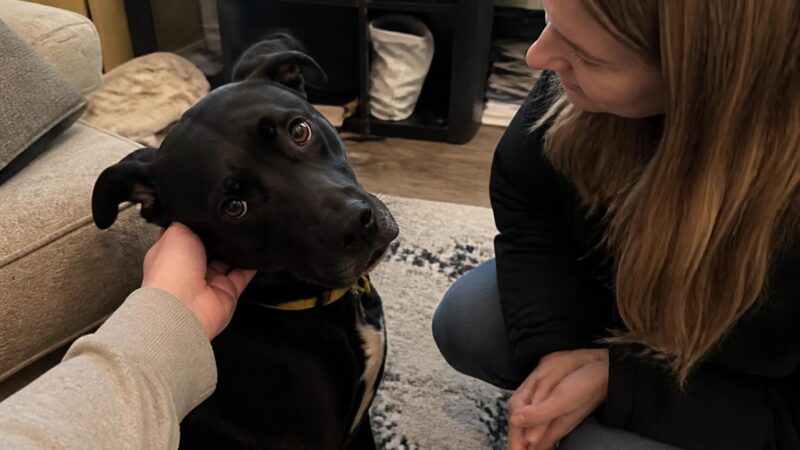
Adopting a rescue Belgian Malinois is for experienced owners only. Drives are extreme, K9-washouts need exceptional handlers, and most homes cannot meet the breed's needs.
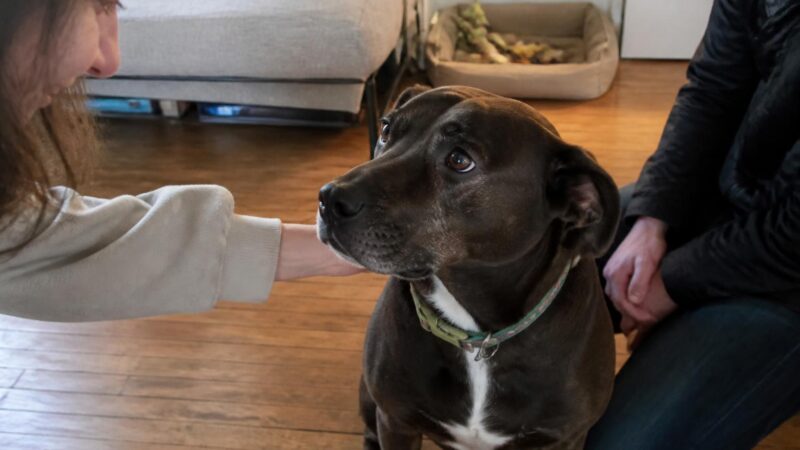
Adopting a rescue Australian shepherd means matching the dog's high drive to your active lifestyle and understanding herding behaviors, sun sensitivity, and breed reality.

Adopting a rescue border collie means matching the right line — working, sport, or companion — to your lifestyle and committing to a real daily job for the dog.
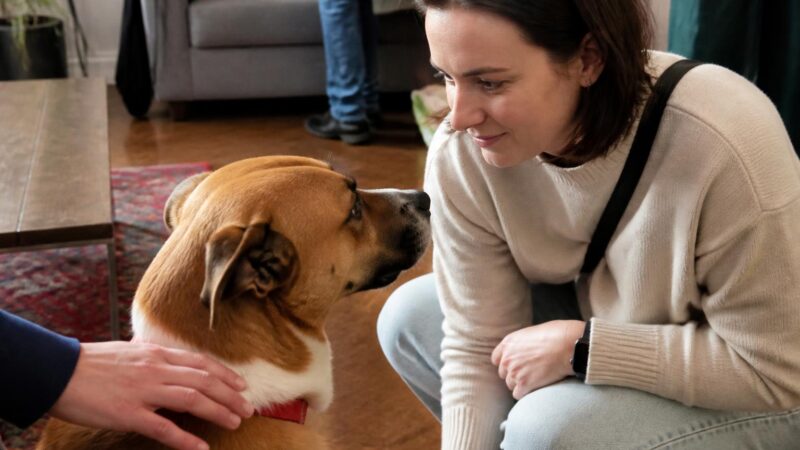
Adopting a rescue greyhound means understanding post-track adjustment — stairs, glass doors, leash walks, and household life are all new to ex-racers.
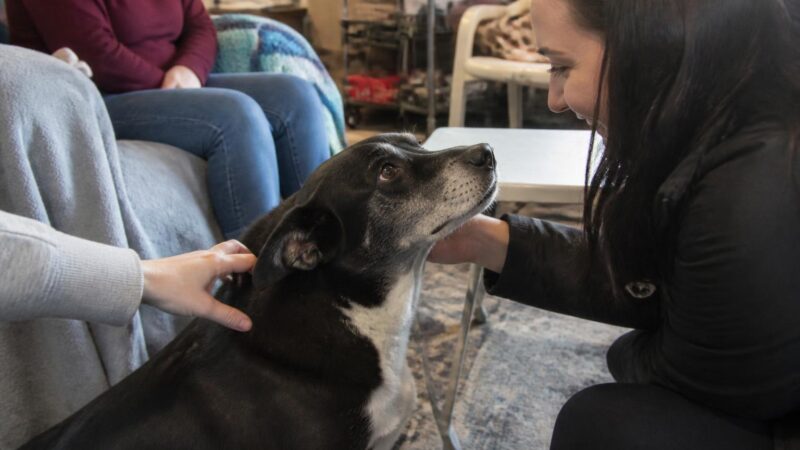
Adopting a rescue akita demands an experienced owner who understands prey drive, dog selectivity, breed-specific legislation, and the one-person bond pattern.
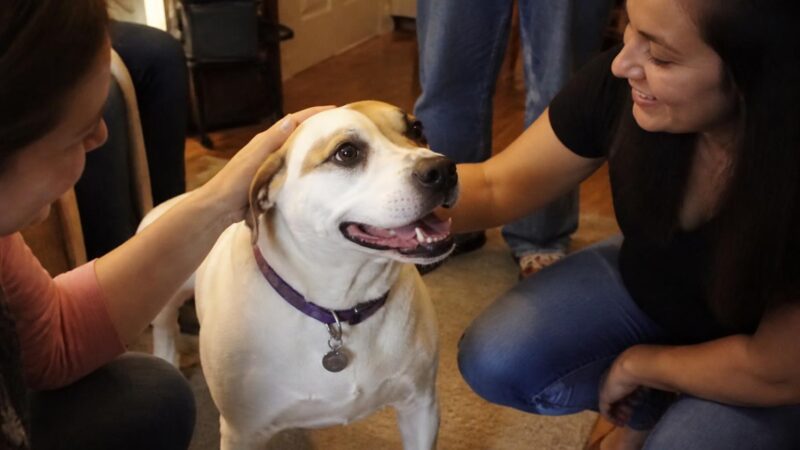
Adopting a rescue shiba inu means accepting a primitive breed with cat-like independence, escape artistry, the famous shiba scream, and limited cuddle tolerance.
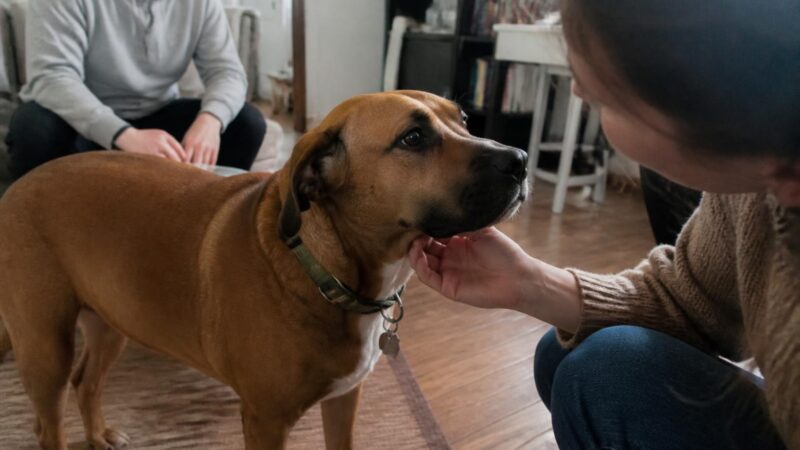
Adopting a rescue dachshund means committing to IVDD prevention, ramps and back care, plus understanding the breed's stubbornness, prey drive, and bite history.
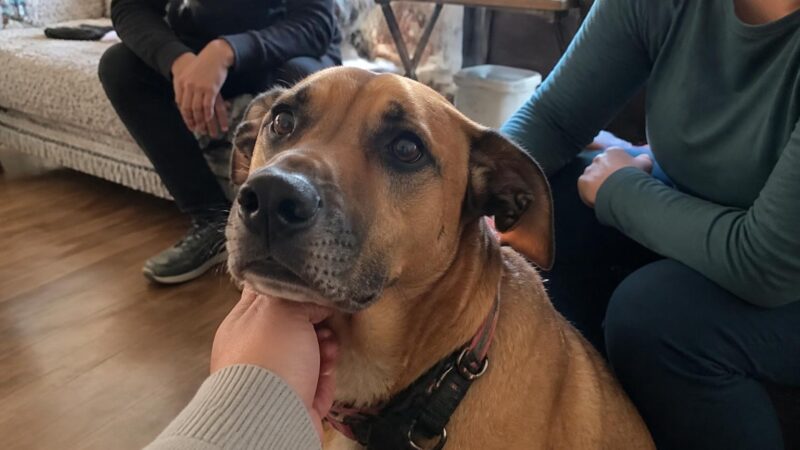
Adopting a rescue chihuahua means understanding why they fill shelters, their bite history risks, handling small dogs the right way, and matching expectations.
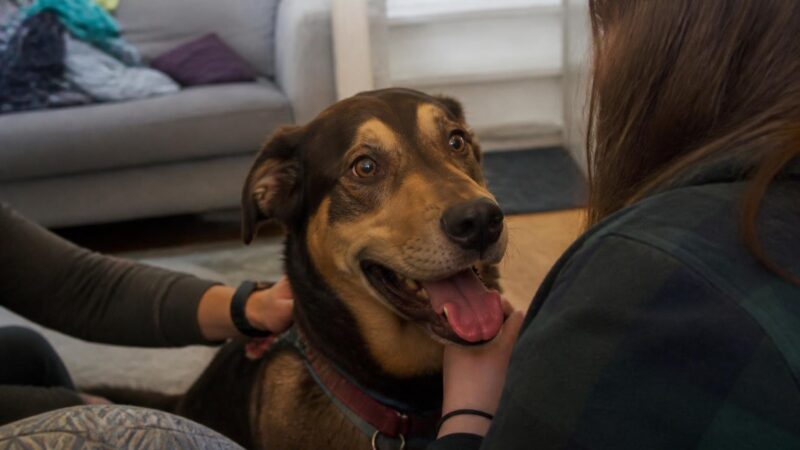
Adopting a rescue beagle is rewarding when you understand the breed's history, undersocialization patterns, scent drive, and vocal nature. Get the full picture.