Last updated: May 6, 2026
In this article
Who Causes for Animals Singapore Is
Causes for Animals Singapore is one of the established animal welfare groups on the island, known for rescuing and rehoming dogs and cats in need. The organization works across both species, so adopters considering Causes for Animals Singapore as their rescue of choice can find a range of dogs, cats, puppies, and kittens at various stages of their rehabilitation journey.
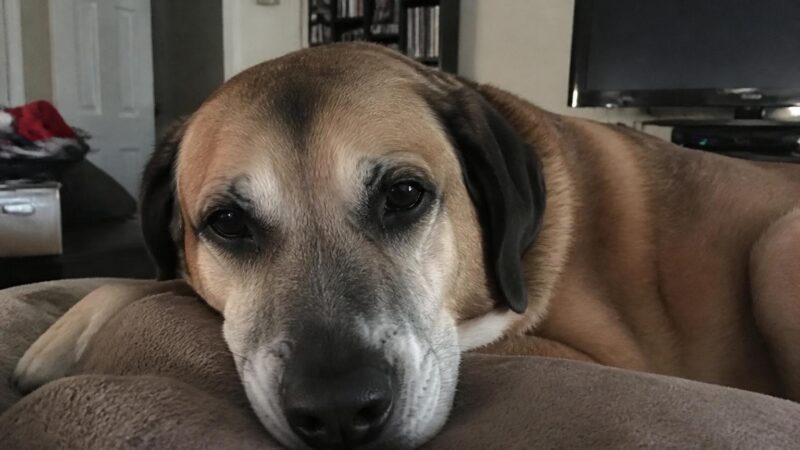
Much like other local rescues, their focus is on animals who have been abandoned, surrendered, or rescued from difficult circumstances. Many of the dogs in their care are Singapore Specials, the local mongrels who make up a huge proportion of the island’s rescue population. Cats are often former community cats who need an indoor home.
The organization’s strength lies in blending practical rescue work with a commitment to responsible adoption. They want adopters who are ready for a long-term partnership, not an impulse decision.
What Kinds of Animals You Can Adopt
On any given day, available pets can include adult dogs recovering from neglect, puppies born to rescued mothers, adult cats who prefer quiet homes, kittens being socialized by fosters, and sometimes senior animals looking for calm retirement households. Because intake and adoption rates shift constantly, profiles and availability change week by week.
Singapore Specials tend to be medium-sized, short-coated, and well-suited to the tropical climate. They often have balanced energy levels, great intelligence, and a deep desire to bond once they trust you. Cats span the full range of domestic shorthairs in every color and personality.
Expect rescue staff to be upfront about each animal’s quirks. A dog may be shy at first, a cat may need time to come out of their shell, or a senior may need ongoing medication. Transparency helps you say yes to the right match instead of guessing.
Who Qualifies to Adopt
Adoption criteria can shift over time, but most Singapore rescues ask adopters to meet a baseline of financial stability, secure housing where pets are permitted, and household-wide agreement on the adoption. If you are adopting a dog and live in an HDB flat, the dog must meet current HDB size and breed guidelines, with local mongrels potentially eligible through Project ADORE.
For cats, rescues almost always require mesh-netting of windows and balconies before approval. This is a universal expectation from reputable Singapore cat rescues, and it protects cats from dangerous falls.
You do not need to be a dog or cat expert to qualify. What matters is honesty about your lifestyle, your schedule, and your willingness to learn. A humble first-time adopter often makes a better fit than someone who assumes they already know everything about pet care.
The Application and Matching Process
The typical path from interested adopter to new pet parent follows familiar steps, though details vary by rescue and by animal.
- Look at available animals. Profiles highlight age, temperament notes, medical status, and home requirements.
- Submit an application. You will share information about your home, household, work schedule, and what you are hoping to offer.
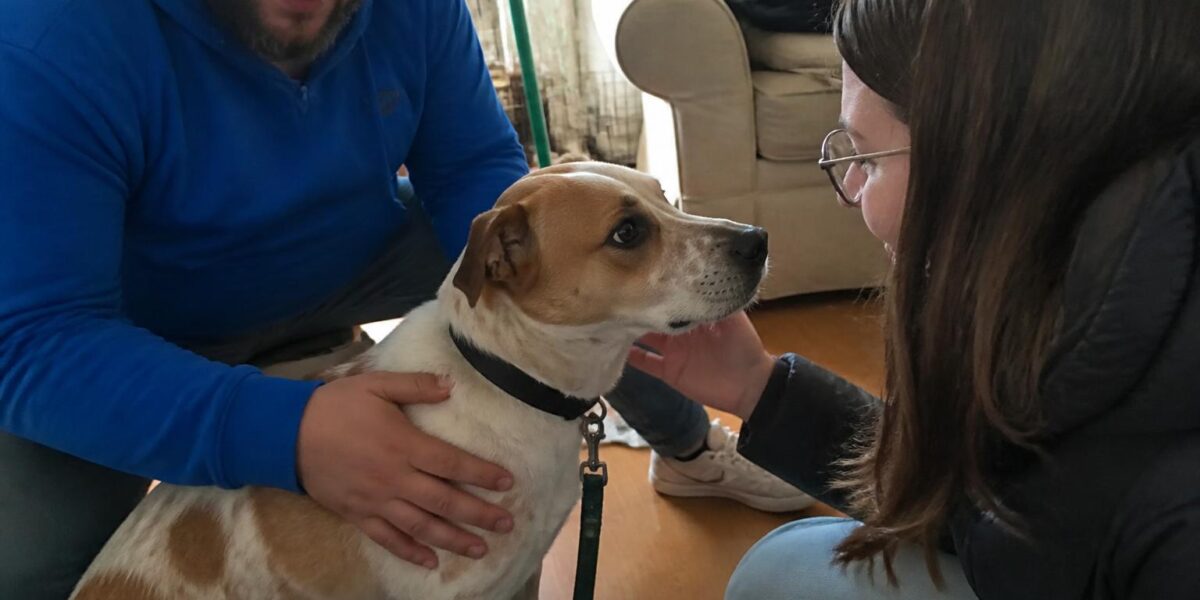
- Attend a meet and greet. In-person time helps confirm whether the chemistry is there.
- Home visit. Volunteers check that the space is safe, properly meshed if adopting a cat, and suitable for the specific animal.
- Adoption agreement. Paperwork is signed, the adoption fee is paid, and your new family member comes home.
Treat your application as a conversation rather than a test. Rescues want to place animals in good homes, not trip you up. If you are uncertain about anything, from crate training to introducing a dog to your elderly parent, ask during the process so you can plan accordingly.
Preparing Your Home Before Bringing a Pet Home
A little preparation prevents a lot of stress. For dogs, think about where they will sleep, eat, and rest. Buy a sturdy leash and harness, an appropriate-sized crate or pen, and dog-safe toys. Identify a vet clinic near your home before adoption day so you are not scrambling in an emergency.
For cats, set up a quiet base room with litter box, food, water, bedding, scratching post, and a couple of hiding spots. Mesh all windows and balconies, remove toxic plants, and tuck away small objects that could be swallowed.
In both cases, stock up on basics before the animal arrives. The first week is not the time to run out for cat litter or rush to buy a second food bowl. A calm, prepared household tells your new pet that they have landed somewhere safe.
Costs and Long-Term Commitment
Adoption fees in Singapore are modest relative to the lifetime cost of owning a pet. They typically offset some of the veterinary care already provided, which may include sterilization, vaccinations, microchipping, and a basic health workup. Confirm what is and is not included before you bring your pet home.
Ongoing costs include food, preventive care, licensing for dogs, grooming if applicable, pet insurance if you choose it, and surprise expenses when health issues come up. Factor in boarding or pet sitting for times when you travel. Always consult your veterinarian about what preventive care is appropriate in Singapore’s tropical conditions.
Time is the other cost that is easy to underestimate. Dogs need daily walks and training, and cats thrive on play and environmental enrichment. Make sure you have the bandwidth before saying yes.
Settling In and Staying Connected
Most rescue pets need anywhere from a few days to several weeks to fully relax into a new home. Dogs often follow a three-day, three-week, three-month pattern as they shed anxiety layer by layer. Cats can be even more gradual, disappearing under furniture for the first week before emerging as confident residents by the end of the month.
Stay in touch with the rescue team. Most welcome updates, photos, and questions long after the adoption is finalized. If something feels off, whether behavior, health, or household dynamics, ask for help early rather than struggling in silence.
For more support, read our new pet first 30 days timeline, browse our best dog rescues in Singapore list, or head to our Adopt a Pet hub for more opportunities. If you are leaning toward a cat, our best cat rescues in Singapore roundup is a good companion read.
Frequently Asked Questions
Can I adopt more than one animal at a time?
Sometimes yes, especially for bonded pairs of cats or dogs who have lived together. Rescue teams usually prefer that multi-pet adopters have the space, time, and budget to handle everyone well.
What if the pet does not get along with my existing pets?
Speak to the rescue before giving up. Slow introductions, separate spaces, and patience often resolve early conflicts. If a match truly is not working, reputable rescues prefer you return the animal to them rather than rehome independently.
Do I need to come to a physical adoption drive?
Not always. Many rescues also arrange private viewings by appointment. Drives are a chance to meet multiple animals in one visit, which can be useful if you are still deciding what fits your home.
Are puppies and kittens available, or only adults?
Both, depending on what is in care at the time. Puppies and kittens often have waitlists because they are popular, so adult pets are usually easier to take home quickly.
What happens after I bring my pet home?
Most rescues stay in touch for updates and support. Schedule your first veterinary appointment within the first couple of weeks, keep vaccinations current, and reach out with any concerns about behavior or health.