
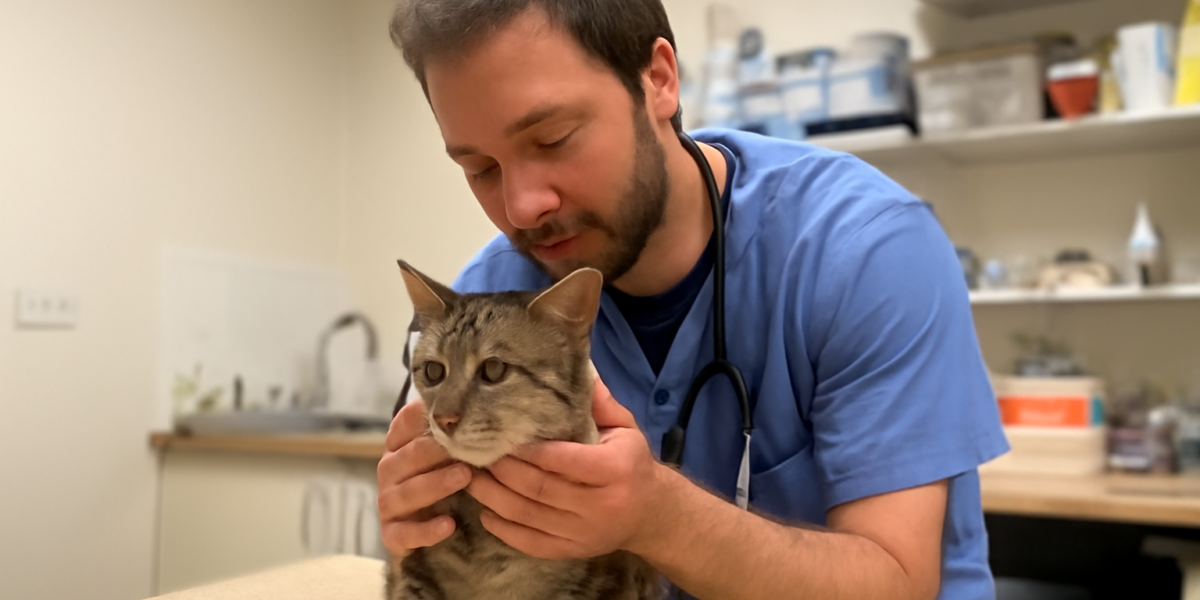
What Cephalexin Is and Why Vets Use It in Cats
Cephalexin is a first-generation cephalosporin antibiotic that has been used in human and veterinary medicine for decades. For cephalexin cats, the drug is used off-label — meaning it is not specifically labeled for feline use, but veterinarians prescribe it based on clinical experience and the broader evidence base on cephalexin in animals. Off-label prescribing is common and legal in veterinary medicine, and cephalexin is a frequent choice for selected feline bacterial infections, particularly skin, wound, and soft tissue infections.
In this article
- What Cephalexin Is and Why Vets Use It in Cats
- How Cephalexin Works
- Conditions Where Vets Consider Cephalexin for Cats
- How Cephalexin Is Given to Cats
- Side Effects to Watch For
- Cats Who Need Extra Caution
- Drug Interactions to Flag
- Antibiotic Stewardship in Feline Care
- Probiotics and Gut Health During Treatment
- What to Do If You Miss a Dose
- What to Do If You Suspect an Overdose
- How Long Treatment Usually Lasts
- Frequently Asked Questions
- The Bottom Line
Cephalexin is closely related to the penicillin family in mechanism. Both classes are beta-lactam antibiotics that disrupt bacterial cell wall synthesis, but cephalexin has a slightly different structure and a somewhat different spectrum. It is generally well tolerated, can be given orally, and has a long track record in small animal medicine.
This guide walks through what cephalexin is used for in cats, how it is given, side effects to watch for, and the principles of using it well as part of antibiotic stewardship.
How Cephalexin Works
Cephalexin is a beta-lactam antibiotic, meaning it has a chemical ring structure called a beta-lactam that gives it its activity. Like penicillin and amoxicillin, it works by interfering with the bacteria’s ability to build their cell walls. Without intact cell walls, the bacteria essentially fall apart and die.
Cephalexin is particularly active against gram-positive bacteria, including the Staphylococcus species that cause many bacterial skin infections. It also has activity against some gram-negative bacteria, though the spectrum is narrower than that of broader-spectrum antibiotics like fluoroquinolones or amoxicillin-clavulanate (Clavamox).
This focused spectrum is actually an advantage in many situations: a narrower-spectrum antibiotic that effectively targets the suspected pathogen is generally preferred over a broader-spectrum option. It is gentler on the patient’s gut bacteria and supports the wider goal of reducing antibiotic resistance.
Conditions Where Vets Consider Cephalexin for Cats
Veterinarians may prescribe cephalexin for cats with:
- Bacterial skin infections (pyoderma): Less common in cats than dogs, but they do occur, often secondary to flea allergy, atopy, or other underlying skin disease
- Cat bite wounds and abscesses: Cephalexin can be effective when culture confirms a susceptible organism, though many cat bite wounds are first treated with amoxicillin-clavulanate because of its activity against the typical mixed bacteria involved
- Infected wounds and lacerations
- Soft tissue infections: Cellulitis and certain abscesses
- Selected urinary tract infections: When cultures show susceptible organisms
- Selected dental infections
- Selected respiratory infections
For typical first-line situations like uncomplicated cat UTIs or fresh cat bite wounds, vets may choose between cephalexin, amoxicillin-clavulanate, or other options based on suspected pathogens, prior culture results, and individual patient factors.
How Cephalexin Is Given to Cats
Cephalexin for cats is available as capsules, tablets, and an oral suspension. Compounding pharmacies can also prepare flavored liquid formulations, which can make administration much easier for cats who refuse pills.
Dosing is weight-based and is set by your veterinarian, typically given two or three times daily. Important administration points:
- Cephalexin can be given with or without food, but giving it with a small amount of food often reduces stomach upset.
- Complete the full prescribed course, even if your cat seems better. Skin and wound infections often look better long before they are actually cleared.
- Give doses at consistent intervals to maintain steady blood levels.
- Refrigerate the oral suspension if dispensed, shake well before each dose, and discard after the period your vet specifies.
- Provide free access to fresh water throughout treatment.
Pilling cats can be difficult. Strategies that often help include pill pockets, tucking the tablet inside a small piece of strong-smelling wet food, using a pill gun (a small syringe-like tool that places the pill at the back of the throat), or working with your vet on a flavored compounded liquid. If administration becomes a daily battle, talk to your vet — there are usually options.
Side Effects to Watch For
Most cats tolerate cephalexin well. Common, usually mild side effects include:
- Mild gastrointestinal upset (soft stools, mild diarrhea, occasional vomiting)
- Decreased appetite
- Mild lethargy
- Drooling, often from the taste of the medication
These often resolve on their own, especially when the medication is given with food. Less commonly, cephalexin can cause:
- More significant diarrhea, sometimes due to disruption of normal gut bacteria
- Allergic reactions, ranging from mild itching or hives to more serious reactions
- Yeast overgrowth, especially with longer courses
- Rarely, more serious effects such as severe colitis or anaphylaxis
Warning signs that should prompt you to stop the medication and contact your vet right away include:
- Severe or bloody diarrhea
- Persistent vomiting
- Hives, facial swelling, or any signs of an allergic reaction
- Difficulty breathing
- Severe lethargy or weakness
- Refusal to eat for more than a day
- Yellowing of the gums, eyes, or skin
Cats who refuse to eat for more than a day need attention regardless of cause — feline hepatic lipidosis can develop quickly in anorexic cats, and prolonged inappetence always warrants a call to your vet.
Cats Who Need Extra Caution
Cephalexin is generally safe for cats, but vets take extra care with cats who have:
- A documented allergy to cephalosporins or a severe allergy to penicillins (some cross-reactivity is possible)
- Significant kidney disease (dose may need adjustment, especially in cats with cat kidney disease)
- History of severe colitis or other GI issues
- Pregnancy or lactation (generally considered relatively safe but should be discussed)
If your cat has had a reaction to a penicillin in the past, cross-reactivity with cephalosporins is possible but not common. Tell your vet about any past antibiotic reactions, and they will weigh whether cephalexin is appropriate or whether a different class is safer.
Drug Interactions to Flag
Cephalexin has a relatively friendly interaction profile, but a few combinations deserve attention:
- Probenecid: Can increase cephalexin blood levels.
- Aminoglycoside antibiotics or other potentially nephrotoxic drugs: Combination may increase the risk of kidney effects.
- Anticoagulants: Some interactions are possible.
Share your cat’s full medication and supplement list with your vet before any antibiotic is prescribed. Even items that seem unrelated can change the safety calculation.
Antibiotic Stewardship in Feline Care
Antibiotic resistance is a serious concern in feline medicine just as in human medicine. Every antibiotic use applies pressure on bacteria to develop resistance. The way we use antibiotics affects whether these tools will continue to work.
You can support good antibiotic stewardship for your cat by:
- Only using antibiotics prescribed for your specific cat for a specific infection. Never share antibiotics between pets, never use leftover antibiotics from a previous illness, and never give human antibiotics to your cat without veterinary direction.
- Completing the full prescribed course, even if your cat seems better partway through.
- Returning for recheck exams when recommended. Some infections need follow-up cultures or repeat exams to confirm clearance.
- Asking questions. If you are not sure whether antibiotics are truly needed, or whether the antibiotic chosen is the best fit, ask your vet to walk you through the reasoning.
Increasingly, veterinarians use cultures to identify specific pathogens, choose narrower-spectrum antibiotics when appropriate, and reserve broader-spectrum drugs for situations that genuinely require them. Cephalexin’s relatively focused spectrum makes it a good stewardship choice when the suspected pathogen is in its activity range.
Probiotics and Gut Health During Treatment
Antibiotics, including cephalexin, can disrupt the normal balance of bacteria in your cat’s gut, sometimes leading to soft stools or mild diarrhea. Many vets recommend a feline probiotic during and for a short period after antibiotic treatment to support gut health.
Use a probiotic specifically formulated for cats and time it a few hours away from the cephalexin dose. Your vet can recommend a specific product. If your cat develops significant diarrhea or stops eating despite these measures, contact your vet promptly.
What to Do If You Miss a Dose
If you miss a dose of cephalexin, give it as soon as you remember, unless it is close to the next scheduled dose. In that case, skip the missed dose and resume the regular schedule. Never give two doses at once. Consistency in timing supports effective treatment.
What to Do If You Suspect an Overdose
Cephalexin has a relatively wide safety margin, but accidental overdose — for example, if a curious cat gets into the bottle — should still be addressed promptly. Call your vet, an emergency clinic, or an animal poison control hotline. Have the package handy so you can report the strength and how many tablets may have been ingested. Mild GI upset is the most common consequence; rare cases can involve more serious effects.
How Long Treatment Usually Lasts
Treatment duration depends on the type and depth of infection. General guidelines include:
- Superficial skin or wound infections: Often a couple of weeks, sometimes longer; treatment typically continues for several days beyond visible resolution
- Deep skin or soft tissue infections: Often longer courses, with treatment continuing well past visible resolution
- Recurrent infections: May require longer courses combined with addressing underlying causes
The temptation to stop antibiotics as soon as the infection looks better is one of the most common reasons for relapse. Trust your vet’s prescribed duration and attend any recommended recheck exams.
Frequently Asked Questions
Can I give cephalexin to my cat without a prescription?
No. Cephalexin is a prescription antibiotic and must be given under veterinary direction. Use in cats is off-label, meaning your vet is taking responsibility for prescribing based on clinical judgment. Self-prescribing antibiotics can mask serious underlying problems, drive antibiotic resistance, and put your cat at risk of side effects without benefit.
What if I miss a dose?
Give the missed dose as soon as you remember, unless it is nearly time for the next scheduled dose. In that case, skip the missed dose and continue with the regular schedule. Never double-dose. Consistency in timing supports effective treatment.
Should I give cephalexin with food?
Cephalexin can be given with or without food, but giving it with a small amount of food often reduces stomach upset. If your cat tolerates it well on an empty stomach, that is fine; if you notice mild GI upset, try giving it with food.
Side effects to watch for?
Mild GI upset is the most common. Concerning signs include severe or bloody diarrhea, persistent vomiting, hives or facial swelling, breathing difficulty, severe lethargy, refusal to eat for more than a day, or yellowing of the gums or eyes. Stop the medication and call your vet right away if any of these appear.
Should I give my cat a probiotic during the antibiotic course?
Many vets recommend a feline probiotic during and for a short time after antibiotic treatment. Use a product formulated for cats and time it a few hours away from the cephalexin dose. Ask your vet for a specific recommendation.
Why complete the full course if my cat seems better?
Skin and wound infections often look better long before they are actually cleared. Stopping antibiotics early is one of the leading causes of treatment failure, recurrence, and antibiotic resistance. Always finish the full prescribed course and attend any recommended recheck exams unless your vet specifically tells you otherwise.
The Bottom Line
Cephalexin is a reliable, well-tolerated antibiotic that is a useful option for selected bacterial skin, wound, and soft tissue infections in cats. Used appropriately — for the right infection, at the right dose, for the full prescribed course — it is a valuable tool in feline antibiotic care. Used carelessly, it contributes to antibiotic resistance and may not actually solve the underlying problem.
If your cat has been prescribed cephalexin, follow the dosing instructions exactly, complete the full course, watch for the warning signs covered above, and stay in touch with your vet if anything seems off. Antibiotic stewardship is everyone’s responsibility, and using these medications thoughtfully helps preserve them for the cats that genuinely need them.


