Last updated: April 27, 2026
In this article
Chartreux Cat Breed Profile: The Gentle French Blue Cat
The Chartreux cat breed is one of the oldest and most cherished natural cat breeds in the world, yet it remains surprisingly unfamiliar to many cat enthusiasts. With its dense blue-gray coat that gleams like polished pewter, its brilliant copper or gold eyes, and its gentle, almost mystical smile, the Chartreux is a cat of quiet beauty and remarkable character. Originating in France, where it has been treasured for centuries, this breed combines the sturdy athleticism of a working cat with the calm devotion of a lap companion. If you are searching for a cat that is both undemanding and deeply loyal, the Chartreux deserves a place at the top of your list.
History and Origin of the Chartreux
The Chartreux’s origins are shrouded in legend and history. The most popular — though unverified — story holds that Carthusian monks at the Grande Chartreuse monastery near Grenoble, France, bred these blue-gray cats beginning in the Middle Ages. While this romantic tale has been largely debunked by modern historians, it persists because it so perfectly suits the breed’s quiet, contemplative nature.
What is more reliably documented is that blue-gray cats matching the Chartreux’s description have been noted in France since at least the 16th century. The naturalist Georges-Louis Leclerc, Comte de Buffon, described the breed in his Histoire Naturelle in the 18th century, and the cats were prized by French farmers and shopkeepers for their excellent mousing abilities and their dense, water-resistant fur, which was reportedly used in the textile trade.
The modern breeding program for the Chartreux began in the 1920s, when two sisters, Christine and Suzanne Leger, discovered a colony of blue-gray cats living on the small Breton island of Belle-Ile-en-Mer. Recognizing the cats as matching historic descriptions of the Chartreux, the sisters began a careful breeding program that established the foundation for the modern breed. Their efforts produced cats of remarkable quality, and the breed gained official recognition in France in 1939.
World War II devastated the Chartreux population, as it did many European cat breeds. After the war, breeders outcrossed to British Shorthairs and blue Persians to rebuild the breed’s numbers, though these crosses also blurred the distinction between the Chartreux and the British Blue. Dedicated breeders worked to re-establish the Chartreux as a distinct breed, and by the 1970s, the breed had regained its unique identity.
The Chartreux arrived in the United States in 1971, and the Cat Fanciers’ Association granted it championship status in 1987. The breed remains relatively rare worldwide, adding to its mystique and appeal. Cat enthusiasts familiar with the Russian Blue will notice some superficial similarities, but the two breeds are genetically distinct and differ in body type, coat texture, and temperament.
Appearance and Physical Characteristics
The chartreux cat breed has a distinctive appearance that, once recognized, is impossible to mistake for any other breed. This is a medium to large cat, with males weighing 10 to 16 pounds and females weighing 6 to 11 pounds. The body is robust and muscular with a broad chest and powerful shoulders, giving the cat a solid, compact appearance that some describe as “primitive” — a body type built for hunting and survival rather than refined elegance.
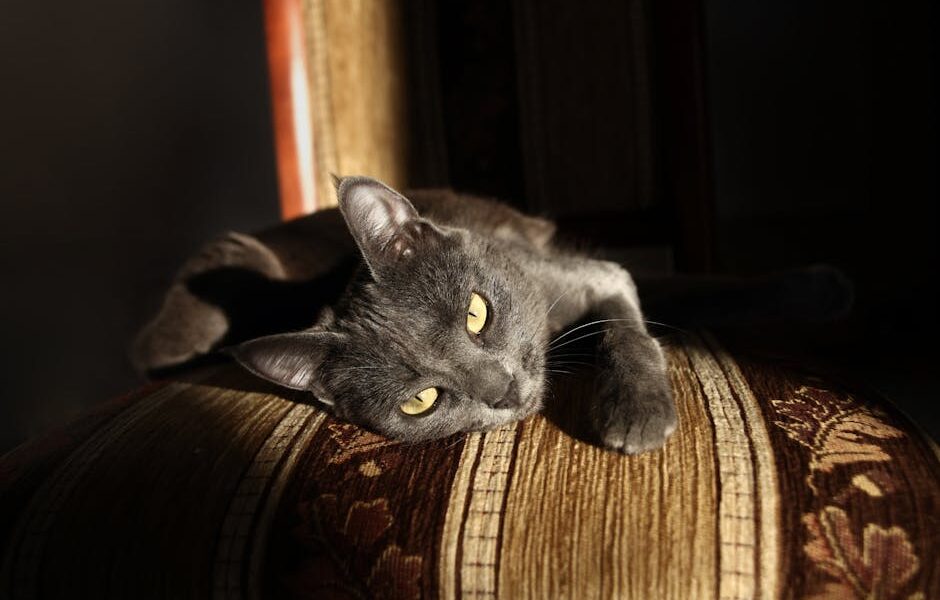
The coat is the Chartreux’s most celebrated feature. It is short to medium in length, dense, slightly woolly in texture, and exclusively blue-gray. The double coat has a water-resistant quality, with the hairs breaking like sheepskin fur when the cat moves. The blue can range from pale ash to deep slate, but any shade is acceptable as long as it is uniform. The tips of the hairs may have a slight silvery sheen that gives the coat a luminous quality in certain light.
The face is broad and rounded, tapering to a narrow muzzle that gives the Chartreux its famous “smile.” The rounded contours of the head combined with the tapered muzzle create an expression that appears permanently pleasant and slightly amused. The eyes are large, round, and widely spaced, ranging in color from dark gold to bright copper. The contrast between the blue-gray coat and the orange-gold eyes is one of the breed’s most striking and recognizable features.
The ears are medium-sized, set high on the head, and tilt slightly forward, contributing to the cat’s alert but gentle expression. The legs are relatively short compared to the body, with fine-boned ankles that seem almost too delicate for the cat’s substantial torso. The paws are round and may appear dainty in proportion to the body. The tail is moderate in length, heavy at the base, and tapers to a rounded tip.
Temperament and Personality
The chartreux cat breed is often described as the strong, silent type of the cat world. These cats are quiet, observant, and undemanding, preferring to express their affection through gentle presence rather than loud demands. Many Chartreux are nearly silent, communicating with soft chirps, trills, and purrs rather than full-voiced meows. This quiet nature is one of the breed’s most appealing traits for owners who prefer a peaceful home environment.
Despite their quiet demeanor, Chartreux cats are deeply bonded to their families. They are loyal, affectionate cats that follow their favorite people from room to room, settle nearby during work or relaxation, and enjoy gentle lap time. Their devotion has earned them comparisons to dogs, and many Chartreux will come when called, greet their owners at the door, and show clear preferences for their favorite family member.
Intelligence is a defining trait of the breed. Chartreux cats are keen observers who learn quickly by watching their humans. They are adept at figuring out how things work — door handles, cabinet latches, faucets — and their quiet, methodical approach to problem-solving can be both impressive and occasionally inconvenient. Puzzle toys and interactive feeders are excellent for engaging this clever mind.
The breed is remarkably adaptable and easygoing. Chartreux cats tend to take changes in routine, new environments, and unfamiliar people in stride, adjusting calmly rather than becoming stressed or anxious. This adaptability makes them excellent indoor cats that settle happily into a variety of living situations, from quiet apartments to busy family homes.
With other pets, the Chartreux is typically tolerant and amicable. They coexist peacefully with other cats and cat-friendly dogs, though they may need time to warm up to new companions. Their gentle, non-confrontational nature means they are unlikely to start conflicts, though they will defend themselves if necessary. With children, the Chartreux is patient and good-natured, tolerating gentle handling with calm grace.
Exercise and Enrichment Needs
The Chartreux has moderate exercise needs that are well-suited to indoor living. While not as hyperactive as some breeds, the Chartreux is more athletic than its placid demeanor might suggest. These cats retain strong hunting instincts and enjoy play sessions that mimic stalking and pouncing on prey. Interactive toys, wand chasers, and small balls or mice that can be batted and chased provide excellent physical and mental stimulation.
Plan for at least one or two dedicated play sessions of 10 to 15 minutes each per day. The Chartreux’s play style tends to be intense but brief — it will engage fully in a hunting game, then retire to a comfortable perch to observe and rest. This pattern of activity and rest is natural for the breed and should be respected rather than overridden.
Environmental enrichment is important for keeping the Chartreux stimulated. A sturdy cat tree with multiple levels, window perches with views of outdoor wildlife, puzzle feeders, and rotating selection of toys all help prevent boredom. The breed’s intelligence means it appreciates variety — toys and activities that are rotated regularly hold more interest than items that are always available.
The Chartreux’s hunting heritage means it may enjoy supervised access to a secure outdoor enclosure or catio, where it can safely experience fresh air, sunshine, and the sights and sounds of the outdoors. This is a practical compromise that allows indoor cats to enjoy some outdoor stimulation without the risks associated with free-roaming.
Health Issues and Lifespan
The chartreux cat breed is generally a healthy and robust breed with a lifespan of 12 to 15 years, and many individuals live into their late teens. The breed benefits from its natural origins and centuries of natural selection, which have contributed to overall genetic soundness. However, several health conditions deserve awareness.
Polycystic kidney disease (PKD) has been documented in the breed, likely introduced through outcrosses to Persians during the post-World War II rebuilding period. PKD causes cysts to form in the kidneys, gradually impairing kidney function. A DNA test is available for screening, and reputable breeders test their stock to avoid producing affected kittens. Regular kidney function screening via blood work and ultrasound is recommended for the breed.
Patellar luxation, where the kneecap slips out of position, occurs in some Chartreux. This condition can range from mild and intermittent to severe enough to require surgical correction. The breed’s relatively short legs and heavy body may contribute to joint stress, making weight management particularly important.
Struvite stones in the urinary tract have been reported in the breed. Feeding a balanced, high-quality diet with appropriate mineral content and ensuring adequate water intake can help reduce the risk. Wet food, water fountains, and multiple water stations throughout the home all encourage hydration.
Hypertrophic cardiomyopathy (HCM), the most common heart disease in cats, can affect the Chartreux as it can virtually any breed. Regular veterinary checkups with cardiac screening help catch this condition early. Dental disease is also a concern, as with all cat breeds, making regular dental care an important part of the Chartreux’s health routine.
Grooming and Coat Care
The Chartreux’s dense, woolly coat requires moderate grooming to maintain its characteristic appearance and texture. Brushing two to three times per week with a soft-bristle brush or a rubber grooming tool removes loose hair, distributes natural oils, and prevents the coat from developing a flat, matted appearance. The coat should be gently combed rather than vigorously brushed, as rough handling can break the fine hairs and damage the texture.
Shedding is moderate throughout the year, with heavier shedding during spring and fall seasonal transitions. During these periods, more frequent brushing — daily if possible — helps manage the increased hair loss. The Chartreux’s dense undercoat traps loose hair, so regular grooming is more important than it might seem for a short-coated breed.
Bathing is rarely necessary for the Chartreux, as the coat’s natural water-resistant quality helps it stay relatively clean. An occasional bath every few months, or when the cat becomes dirty, is usually sufficient. The coat’s density means it takes longer to wet and longer to dry than you might expect, so patience is needed during bath time. Ensure the coat is dried thoroughly to prevent dampness from being trapped close to the skin.
Ear care, nail trimming every two weeks, and dental hygiene complete the grooming routine. The Chartreux’s round ears should be checked weekly for excess wax or signs of infection. For comprehensive coat care advice, our cat grooming guide offers practical tips that apply well to the Chartreux’s unique coat.
Who Is the Chartreux Best For?
The chartreux cat breed is an exceptional choice for a wide range of cat owners, thanks to its adaptable, easygoing nature and moderate care requirements. Singles, couples, families with children, and seniors will all find the Chartreux a rewarding companion. The breed’s quiet nature makes it particularly well-suited to owners who prefer a peaceful home environment and a cat that expresses affection through gentle presence rather than vocal demands.
The Chartreux adapts well to apartment living, provided it has adequate environmental enrichment and regular play sessions. Its moderate exercise needs and calm indoor demeanor make it a practical choice for people in smaller living spaces. The breed also does well in larger homes and can adjust to a variety of household dynamics.
Working professionals who are away during the day will find the Chartreux more tolerant of alone time than many other breeds, though it should not be left isolated for long hours on a regular basis. A companion cat or access to interactive toys and puzzle feeders can help bridge the gap. The Chartreux’s independent streak means it is less likely than some breeds to develop separation anxiety, but it still needs regular social interaction to thrive.
If the Chartreux sounds like your ideal companion, please explore rescue organizations and shelters as your first option. While the breed is relatively rare in rescue, cats matching the Chartreux profile do occasionally become available. Walk Me Home Rescue is committed to helping every cat find a loving forever home.
Frequently Asked Questions About the Chartreux
What is the difference between a Chartreux and a Russian Blue?
While both breeds are blue-gray cats, they differ significantly in body type, coat texture, eye color, and temperament. The Chartreux is a robust, muscular cat with a woolly double coat and copper or gold eyes. The Russian Blue is more slender and elegant, with a short, dense, plush coat that has a silvery sheen, and vivid green eyes. Temperamentally, the Chartreux tends to be more easygoing and adaptable, while the Russian Blue can be more reserved with strangers and more sensitive to changes in routine.
Are Chartreux cats rare?
Yes, the Chartreux is considered a rare breed worldwide. There are relatively few breeders, and waiting lists for kittens can be long. This rarity contributes to the breed’s appeal for many enthusiasts but also means that prospective owners may need to be patient and willing to travel to find a reputable breeder. The breed’s rarity also makes it important to verify that any “Chartreux” you encounter is actually a purebred Chartreux and not a blue Domestic Shorthair or British Blue.
Do Chartreux cats meow?
Chartreux cats are famously quiet. While they can meow, many individuals rarely do, preferring to communicate through soft chirps, trills, and purrs. Some Chartreux are virtually silent, while others are moderately vocal, but even the most talkative Chartreux tends to be quieter than the average cat. This quiet nature is one of the breed’s most distinctive and appealing traits, particularly for owners who prefer a peaceful home.
Are Chartreux cats good with children?
Chartreux cats are generally excellent with children. Their patient, tolerant, and gentle nature allows them to handle the attention and activity of family life with calm grace. They are sturdy enough to tolerate gentle play from children and wise enough to remove themselves from situations that become too rough. As with all cat-child interactions, supervision is recommended, and children should be taught to handle the cat respectfully. The Chartreux’s playful side also makes it an engaging companion for children who enjoy interactive games with their pets.
Looking to adopt a Chartreux Cat Breed Profile?
Browse Chartreux Cat Breed Profile cats and mixes available for adoption from shelters and rescues near you.
Find Chartreux Cat Breed Profile Cats for Adoption