
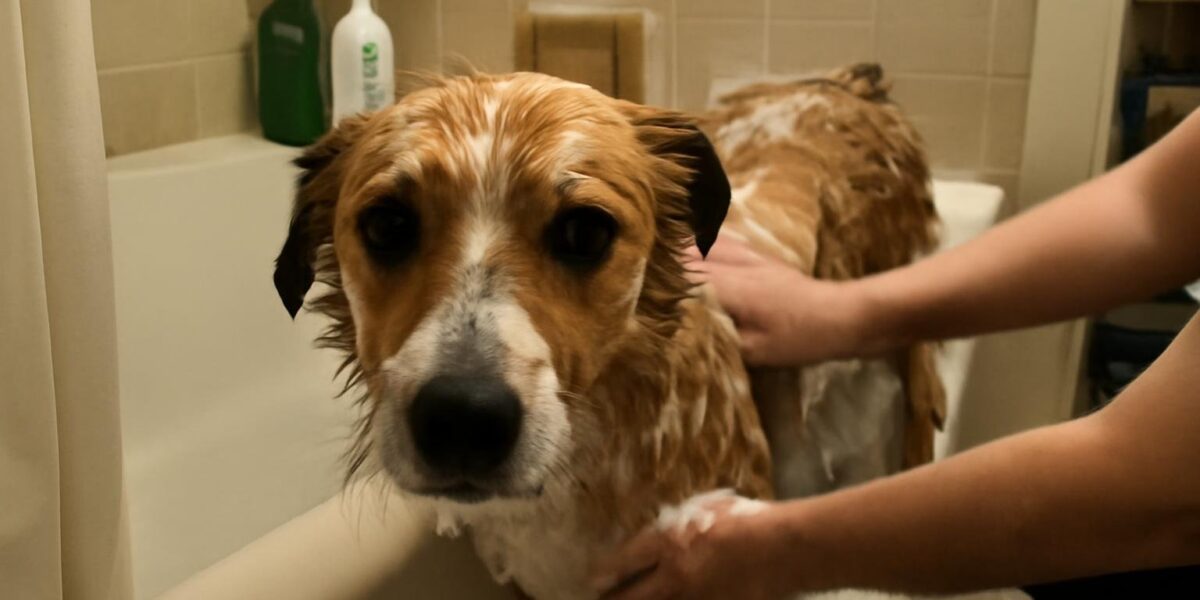
If you’re asking do I need to bathe my dog regularly, the honest answer is: yes, but probably less often than you think. For most healthy dogs, a bath every four to twelve weeks is plenty. Over-bathing is actually a more common mistake than under-bathing — it strips the natural oils that keep skin and coat healthy. The right frequency depends entirely on your individual dog’s coat, skin, and lifestyle.
In this article
Let’s sort out how often your dog truly needs a bath, when you should hold off, and how to make bath time effective rather than a stressful ordeal for both of you. Getting the rhythm right keeps your dog’s skin and coat in good shape without the dryness and irritation that come from washing too much.
It helps to throw out the idea that there’s a single correct schedule. A short-haired indoor companion and a long-coated dog who swims in every pond they find have wildly different needs. The right answer comes from watching your own dog rather than following a rigid calendar, and once you learn to read the signals, it becomes second nature.
Why Dogs Need Baths At All
Dogs aren’t self-cleaning the way cats are. Regular bathing removes built-up dirt, loose hair, environmental allergens, and the odor-causing oils that accumulate on the skin and coat over time. For dogs with allergies or specific skin conditions, the right medicated bath schedule can be genuinely therapeutic and a core part of their treatment.
Bathing also gives you a valuable hands-on health check. Lathering your dog up is the perfect time to feel for lumps, scabs, fleas, ticks, hot spots, or sore areas you might otherwise miss under a thick coat. Plenty of owners catch early skin problems simply because bath time puts their hands all over the dog.
That said, a dog’s skin has a protective layer of oils and beneficial microbes that act as a natural barrier against irritation and infection. The goal of bathing is to clean without wrecking that barrier — which is exactly why how often you bathe matters as much as whether you do it at all.
How Often Is Right? It Depends
There’s no universal number, but here are sensible starting points based on coat type and lifestyle.
- Short-coated, low-odor dogs: Every two to three months is often enough.
- Medium and long coats: Roughly every four to six weeks, paired with regular brushing between baths.
- Oily breeds or strong “doggy” odor: May benefit from bathing every few weeks.
- Active, muddy, outdoorsy dogs: As needed whenever they get genuinely dirty.
- Dogs with skin conditions: Exactly as your vet prescribes — sometimes weekly with medicated shampoo.
Brushing extends the time between baths by removing dirt and distributing natural oils through the coat, so a well-brushed dog usually needs fewer baths than a neglected coat does. For double-coated breeds especially, brushing does most of the heavy lifting that owners often assume requires a bath.
The Case Against Bathing Too Often
Bathing more than necessary, or with harsh products, strips the skin’s protective oils. This can lead to dry, flaky, itchy skin — and ironically, an itchy dog often scratches and licks, which can cause more odor and more skin problems. You end up chasing your own tail, bathing to fix a problem that the bathing itself created.
Using human shampoo is a frequent culprit. Human skin is more acidic than dog skin, so our shampoos disrupt a dog’s natural pH balance and dry out the coat. Always reach for a dog-formulated shampoo, and choose a gentle, moisturizing one if your dog has any tendency toward dry skin.
If your dog’s coat looks dull, their skin flakes, or they scratch more after baths, you’re likely overdoing it. Stretch out the schedule, switch to a gentler product, and lean more on brushing. The skin barrier needs time to recover between baths, and most dogs do better with a longer interval than owners expect.
How to Decide for Your Dog
Use the simplest test there is: the sniff and look. If your dog smells, feels greasy, or looks visibly dirty, it’s bath time. If the coat is clean and odor-free, you can wait — a clean dog doesn’t need a bath just because a week has passed on the calendar.
Factor in your household, too. If your dog sleeps in your bed or you have allergy sufferers at home, you might bathe a little more often to manage dander. If your dog has healthy skin and a short coat, you can comfortably go longer between baths with no downside.
Consider the season and activity level. A dog who swims, rolls in the grass, or hikes muddy trails all summer will need more frequent baths than the same dog in a quiet winter. Adjust to what your dog is actually doing rather than sticking rigidly to one schedule year-round.
When in doubt, lean toward less frequent bathing supported by more frequent brushing. That combination keeps most dogs clean and comfortable without drying them out, and it’s gentler on the skin barrier.
How to Bathe Your Dog Safely
A good bath routine keeps your dog calm and protects their skin. A little preparation makes the whole thing faster and less stressful.
- Brush first. Remove mats and loose fur before water gets involved — wet mats tighten and become much harder to remove.
- Use lukewarm water. Too hot or cold is uncomfortable and can make your dog dread baths. Wet the coat thoroughly down to the skin.
- Use dog shampoo. Lather from neck to tail, working it into the coat. Avoid the eyes and pour water carefully around the face, or use a damp cloth there instead.
- Rinse completely. Leftover shampoo is a top cause of post-bath itching. Rinse until the water runs completely clear, paying attention to the belly and armpits where residue hides.
- Dry and reward. Towel dry, use a low-heat dryer only if your dog tolerates it, and finish with praise or a treat so baths build positive associations.
Protect the ears by tucking in cotton balls if your dog allows it, and dry them afterward to prevent moisture-related ear infections, which are especially common in floppy-eared breeds. Our complete guide on how to give your dog a bath covers product choices, water temperature, and handling nervous dogs in detail.
For a fearful or newly adopted dog, go slowly and keep early baths short and positive. Let them explore the empty tub with treats first, keep your tone upbeat, and don’t force a full bath if they’re panicking. Building tolerance gradually beats one traumatic experience that makes every future bath harder.
Choosing the Right Shampoo and Products
The product you reach for matters as much as how often you bathe. A gentle, dog-formulated shampoo suits most healthy dogs, but there are options worth knowing about for specific needs. Oatmeal-based and moisturizing shampoos soothe dry or sensitive skin, while a deodorizing formula can help with stubborn odor. For dogs with diagnosed skin conditions, your vet may prescribe a medicated shampoo and a specific contact time, meaning you leave the lather on for a set number of minutes before rinsing.
Avoid anything heavily fragranced or marketed for humans, since strong perfumes can irritate sensitive skin and a dog’s nose is far more sensitive than ours. Puppies should use a shampoo formulated for their age, as their skin is more delicate than an adult’s. When in doubt, simpler and gentler is the safer choice.
Conditioner isn’t strictly necessary for every dog, but a dog-safe conditioner can help with long or coarse coats, reducing tangles and leaving the coat easier to brush. Skip human conditioners, which aren’t formulated for canine skin. Whatever you use, rinse it out thoroughly, since residue is one of the most common causes of post-bath itching and dullness.
Finally, think about your tools. A rubber grooming mitt or a soft brush used during the bath helps work shampoo down to the skin and loosens dead hair, while a non-slip mat in the tub makes the whole experience less frightening for a dog who’s unsure of their footing. Small comforts like these go a long way toward making bath time something your dog tolerates rather than dreads.
When to Talk to Your Vet
Bathing is routine care, but certain skin signs need professional input rather than another bath.
- Persistent itching, redness, or hair loss
- A strong odor that returns quickly after bathing
- Greasy, flaky, or crusty patches of skin
- Hot spots, sores, or signs of infection
- Any skin condition you’re tempted to treat with frequent medicated baths
Frequent odor or skin problems often signal an underlying issue — allergies, infection, parasites, or a hormonal condition — that bathing alone won’t fix. Your vet can recommend the right medicated shampoo and bathing frequency for the actual problem, so you’re treating the cause rather than masking it with more washes.
Bathing works best as one piece of a broader grooming routine. Pairing it with regular brushing, plus keeping up with your dog’s nail trims and tooth brushing, keeps your dog clean, comfortable, and easy to monitor for any early changes in skin, coat, or overall health.
Frequently Asked Questions
How often should I bathe my dog?
For most healthy dogs, every four to twelve weeks depending on coat type, odor, and lifestyle. Short-coated dogs can go longer; oily or active dogs may need it more often. Brush between baths to keep the coat clean and extend the interval.
Can I bathe my dog too much?
Yes. Over-bathing strips natural oils and can cause dry, itchy, flaky skin. If your dog scratches more or the coat looks dull after baths, space them out and use a gentle, moisturizing dog shampoo. Over-bathing is more common than under-bathing.
Can I use human shampoo on my dog?
No. Human shampoo is formulated for our more acidic skin and disrupts a dog’s natural pH balance, leading to irritation and dryness. Always use a shampoo made specifically for dogs, and pick a gentle formula for dry-skinned dogs.
Do I still need to bathe my dog if I brush regularly?
Brushing reduces how often you need baths, but it doesn’t replace them entirely. Brushing removes loose hair and dirt and spreads oils, but periodic bathing is still needed to clean the skin and coat fully, especially after your dog gets genuinely dirty.
My dog hates baths. What can I do?
Go slowly with lots of treats and praise, use lukewarm water, and keep early sessions short. Let a nervous dog explore the empty tub first. Building a calm, positive routine over time works far better than forcing a stressful full bath all at once.


