
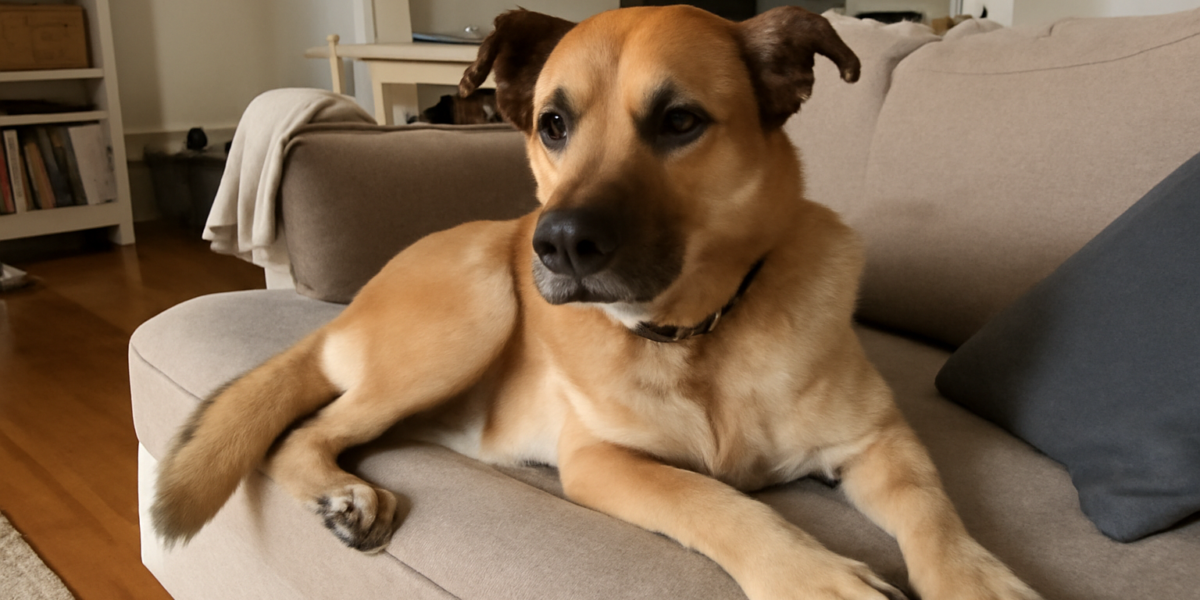
Dog ACL Tear
As pet owners, ensuring the well-being of our furry friends is a top priority. One common injury that affects many dogs is the cruciate ligament injury, often referred to as an ACL tear. Understanding the symptoms, treatment options, and recovery expectations can help you provide the best care for your dog. This guide will delve into the intricacies of dog cruciate ligament injuries, offering insights into both surgical and non-surgical treatment paths.
In this article
Understanding the Cruciate Ligament in Dogs
The cranial cruciate ligament, equivalent to the anterior cruciate ligament (ACL) in humans, is a vital part of your dog’s knee joint. It plays a crucial role in stabilizing the knee and ensuring smooth movement. Unfortunately, this ligament is prone to injuries, especially in active or overweight dogs. A tear or rupture can create instability, leading to pain and lameness.
Symptoms of a Cruciate Ligament Injury
Recognizing the symptoms of a cruciate ligament injury is essential for early intervention. Common signs include:
- Limping or favoring one leg
- Stiffness, particularly after rest
- Swelling around the knee joint
- Reluctance to play or exercise
- Visible pain when the knee is touched
If your dog exhibits any of these symptoms, it’s crucial to consult a veterinarian promptly. Early diagnosis can prevent further damage and improve treatment outcomes.
Surgical Treatment Options
Surgery is often recommended for severe cruciate ligament injuries. The most common surgical procedures include:
- Tibial Plateau Leveling Osteotomy (TPLO): This procedure alters the dynamics of the knee joint to provide stability without relying on the cruciate ligament.
- Tibial Tuberosity Advancement (TTA): Similar to TPLO, TTA changes the knee’s mechanics to stabilize the joint.
- Lateral Suture Technique: A less invasive option, where a suture is placed outside the joint to mimic the function of the ligament.
Surgical intervention typically requires a recovery period of several weeks, during which your dog will need restricted activity and possibly physical therapy.
Conservative Management Approaches
For less severe cases or when surgery isn’t an option, conservative management may be considered. This approach includes:
- Weight management to reduce stress on the joint
- Controlled exercise to maintain muscle strength
- Physical therapy to enhance mobility
- Anti-inflammatory medications to alleviate pain
Conservative management can be effective, especially in smaller dogs or those with partial tears. It’s important to follow a veterinarian’s guidance closely for the best results.
Recovery and Rehabilitation
Regardless of the treatment path, recovery and rehabilitation are critical components of healing from a cruciate ligament injury. Key aspects of recovery include:
- Adhering to a prescribed exercise plan
- Monitoring for signs of improvement or complications
- Regular follow-up visits with the veterinarian
Patience and consistency are vital during this phase to ensure a successful recovery.
Preventing Cruciate Ligament Injuries
Prevention is always better than cure. While not all injuries are preventable, you can reduce the risk by:
- Maintaining your dog’s healthy weight
- Providing regular, low-impact exercise
- Offering joint supplements as recommended by a vet
By taking these proactive steps, you can help safeguard your dog’s joint health and prevent future injuries.
When to See a Vet
If you notice any signs of a cruciate ligament injury in your dog, such as limping or swelling, it’s essential to visit a veterinarian. Ignoring the symptoms can lead to worsening conditions or additional injuries. A professional evaluation will provide a clear diagnosis and appropriate treatment options.
Frequently Asked Questions
What causes a cruciate ligament injury in dogs?
Cruciate ligament injuries can result from sudden trauma, such as a jump or twist, or develop gradually due to degeneration. Factors like obesity, age, and breed predisposition also play a role.
Can a dog recover from a cruciate ligament injury without surgery?
Yes, some dogs, particularly those with partial tears or smaller breeds, can recover with conservative management. However, a veterinarian should evaluate the injury to determine the best course of action.
How long does it take for a dog to recover from ACL surgery?
Recovery from ACL surgery typically takes 8 to 12 weeks, though it can vary depending on the dog and the specific procedure performed. Follow-up care and rehabilitation are crucial for a successful recovery.
Is an ACL tear painful for dogs?
Yes, an ACL tear is painful and can cause significant discomfort. It often results in limping, stiffness, and reduced activity levels. Pain management is an integral part of treatment.
Are there any long-term effects of a cruciate ligament injury?
Without proper treatment, a cruciate ligament injury can lead to chronic pain and arthritis. Even with treatment, some dogs may experience residual stiffness or discomfort. Regular veterinary care can help manage these effects.
For more information on dog health and injury prevention, you can explore our articles on dog nutrition and dog exercise. To learn more about joint health, visit our joint health guide.


