
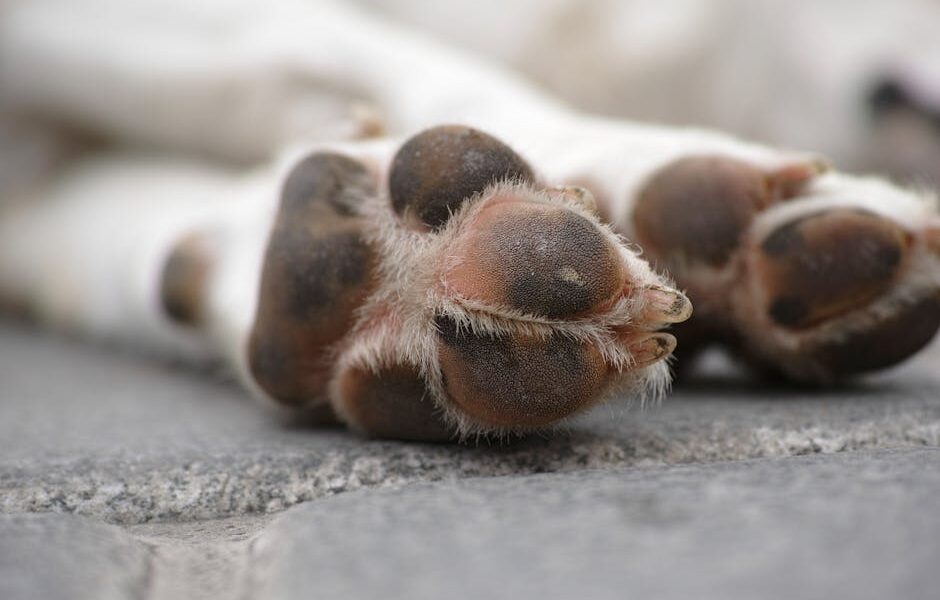
Dog Paw Pad Injuries
Dog paw pad injuries can be surprisingly common yet often overlooked. These injuries can occur due to a variety of reasons, ranging from environmental hazards to excessive activity. Understanding how to properly care for your dog’s paw pads not only ensures their comfort but also prevents more serious complications. In this comprehensive guide, we’ll explore the causes, treatment, and prevention of dog paw pad injuries.
In this article
Common Causes of Dog Paw Pad Injuries
Dog paw pads are sturdy yet sensitive structures designed for protection and traction. However, several factors can lead to injuries:
- Rough Terrain: Walking on gravel, rocks, or sharp objects can easily cause cuts and abrasions.
- Extreme Temperatures: Hot pavement in summer or icy surfaces in winter can burn or crack paw pads.
- Chemicals: De-icing salts, cleaning agents, or fertilizers can irritate or burn your dog’s paws.
- Overactivity: Prolonged running or hiking can lead to worn-out pads, especially if the dog isn’t accustomed to the activity level.
Identifying Signs of Paw Pad Injuries
Recognizing the signs of paw pad injuries early can help prevent further damage. Look for the following symptoms:
- Limping or Licking: Dogs often favor an injured paw or excessively lick it to soothe pain.
- Visible Cuts or Tears: Check for open wounds, cuts, or tears on the paw pads.
- Swelling or Redness: Inflammation or discoloration may indicate an injury.
- Bleeding: Any bleeding from the paw pads is a clear sign of injury that requires attention.
First Aid for Dog Paw Pad Injuries
Immediate care is crucial when treating a dog paw pad injury. Here are some first aid steps you can take:
- Clean the Area: Gently wash the injured paw with lukewarm water to remove any debris or dirt.
- Disinfect: Use a pet-safe antiseptic solution to disinfect the wound.
- Apply Pressure: If there’s bleeding, apply light pressure with a clean cloth or bandage to stop it.
- Wrap the Paw: Use a sterile bandage to cover the injury and protect it from further harm.
- Limit Activity: Keep your dog calm and restrict physical activity until the paw has healed.
Home Care and Healing
After administering first aid, follow these home care tips to promote healing:
- Monitor Regularly: Check the wound daily for signs of infection such as pus, increasing redness, or foul odor.
- Change Bandages: Replace bandages as needed, ensuring the area stays clean and dry.
- Use Paw Balms: Apply a pet-safe paw balm to moisturize and protect the pads during recovery.
- Prevent Chewing: Use an e-collar if your dog tries to chew or lick the bandage excessively.
When to See a Veterinarian
While minor injuries can often be managed at home, certain situations require professional veterinary care:
- Severe Bleeding: If bleeding doesn’t stop within a few minutes, seek immediate veterinary attention.
- Deep Cuts or Tears: Deep wounds may need stitches or more advanced treatment.
- Signs of Infection: If the injury shows signs of infection, consult your vet for appropriate antibiotics.
- Persistent Limping: Continuous limping or discomfort warrants a vet visit to rule out underlying issues.
Preventing Paw Pad Injuries
Prevention is always better than cure. Here are some tips to protect your dog’s paw pads:
- Use Paw Booties: Invest in paw booties for protection against extreme temperatures and rough surfaces.
- Regular Inspection: Inspect your dog’s paws regularly for any signs of damage or foreign objects.
- Moisturize Pads: Keep the paw pads soft and healthy with regular application of paw balms.
- Avoid Hot Pavements: Walk your dog during cooler times of the day to avoid hot sidewalks.
- Trim Hair: Trim the hair between the paw pads to prevent matting and accumulation of debris.
Understanding Your Dog’s Needs
Every dog is different, and understanding your dog’s specific needs can help prevent injuries. Consider factors such as breed, age, and activity level. For instance, some breeds may have more sensitive paw pads, while older dogs may require extra care due to softer pads. As a responsible pet owner, tailoring your approach to your dog’s unique requirements ensures their overall well-being.
FAQs About Dog Paw Pad Injuries
What should I do if my dog’s paw pad is bleeding?
First, clean the area with lukewarm water and apply a pet-safe antiseptic. Apply pressure with a clean cloth to stop the bleeding, then wrap the paw with a sterile bandage. If bleeding persists, consult a veterinarian.
Can I use human antiseptic on my dog’s paw pads?
It’s best to use antiseptic solutions specifically formulated for pets. Human antiseptics may contain ingredients that are harmful to dogs if ingested.
How long does it take for a dog paw pad injury to heal?
The healing time varies depending on the severity of the injury. Minor cuts may heal within a week, while more severe injuries could take several weeks. Follow your veterinarian’s advice for optimal healing.
Should I let my dog walk on a paw pad injury?
Limit your dog’s activity and prevent them from walking excessively on the injured paw to promote faster healing. Use protective measures like booties or bandages if walking is necessary.
How can I tell if my dog’s paw pad injury is infected?
Signs of infection include swelling, redness, pus, and a foul odor coming from the wound. If you notice any of these symptoms, seek veterinary care promptly.
For more information on pet health care and safety, check out our comprehensive guides.


