
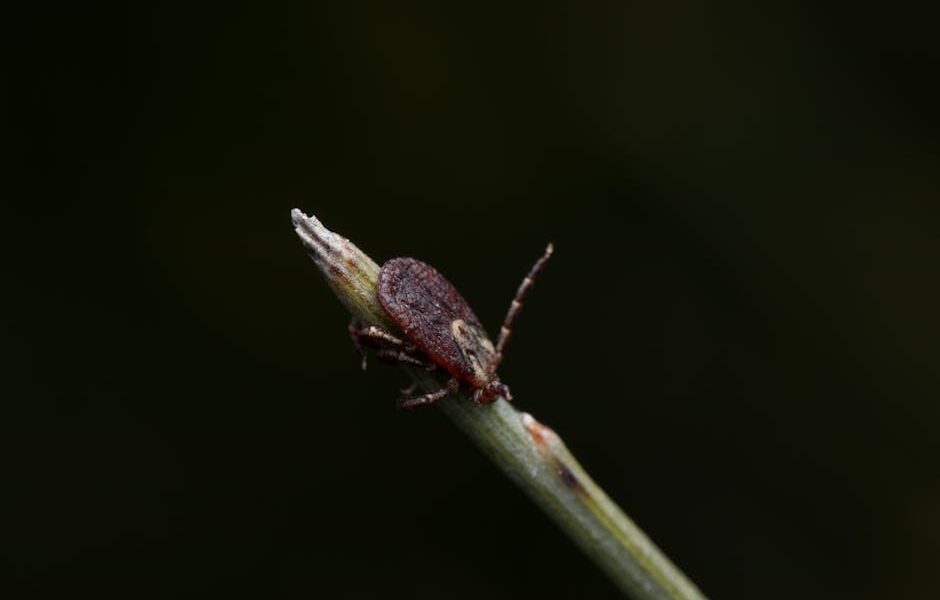
How to Remove a Tick from a Dog
Finding a tick on your beloved dog can be unsettling, but knowing how to safely remove it is crucial for your pet’s health. Ticks can transmit diseases, so prompt and proper removal is essential. This guide will walk you through the step-by-step process of removing a tick from your dog, the tools you’ll need, and when to seek veterinary help. By the end, you’ll feel equipped to handle this common pet care challenge.
In this article
Why It’s Important to Remove Ticks Quickly
Ticks are more than just a nuisance; they are vectors for diseases such as Lyme disease, Rocky Mountain spotted fever, and Ehrlichiosis. These conditions can lead to serious health issues in dogs if not addressed promptly. Removing a tick quickly can reduce the risk of disease transmission, as many pathogens require several hours to transfer from the tick to the host.
Moreover, ticks can cause local skin irritation, infections, and even anemia in severe infestations. By removing them promptly, you protect your dog from these potential complications.
Tools You’ll Need for Tick Removal
Proper tools make the tick removal process easier and safer. Here’s what you’ll need:
- Tweezers or a tick removal tool: Fine-tipped tweezers or a tick remover are essential for grasping the tick close to the skin.
- Gloves: Wearing gloves protects you from potential tick-borne pathogens.
- Disinfectant: Clean the bite area before and after removal to prevent infection.
- Jar or sealed bag: Save the tick in case your vet needs to test it for diseases.
- Magnifying glass: This can help you see small ticks more clearly.
Step-by-Step Guide to Removing a Tick
Follow these steps to safely remove a tick from your dog:
- Stay Calm: Approach the task calmly to keep your dog relaxed.
- Part the Fur: Use your fingers or a comb to part the fur and locate the tick.
- Grasp the Tick: Using tweezers or a tick remover, grasp the tick as close to the skin as possible. Avoid squeezing the body, which can inject more pathogens into your dog.
- Pull Gently: With steady, gentle pressure, pull the tick straight out without twisting or jerking.
- Disinfect the Area: Clean the bite site with disinfectant and monitor for signs of infection.
- Dispose of the Tick: Place the tick in a jar or sealed bag. You may need to show it to your vet if your dog becomes ill.
Signs of Tick-Borne Illnesses in Dogs
After removing a tick, it’s important to watch for symptoms of tick-borne diseases. Common signs include:
- Lethargy: Unusual tiredness can indicate an infection.
- Fever: An elevated temperature is a common symptom of infection.
- Swollen Joints: This can cause limping or reluctance to move.
- Loss of Appetite: A sudden decrease in eating can be a red flag.
- Swollen Lymph Nodes: Enlarged nodes can indicate infection.
If you notice any of these symptoms, contact your veterinarian promptly.
When to See a Veterinarian
Not every tick bite requires a trip to the vet, but certain situations warrant professional help:
- If you can’t remove the tick completely, especially if parts of the mouth remain in the skin.
- If your dog shows signs of a tick-borne illness.
- If the bite area becomes red or swollen, which may indicate infection.
- If your dog has multiple ticks, as this can increase the risk of disease.
Always err on the side of caution and consult your vet for advice.
Preventing Ticks on Dogs
Prevention is the best defense against ticks. Here are some tips to protect your dog:
- Use Tick Preventatives: Products like spot-on treatments, collars, and oral medications can deter ticks.
- Regular Checks: Inspect your dog for ticks after outdoor activities, especially in wooded or grassy areas.
- Maintain Your Yard: Keep grass trimmed and remove leaf litter to reduce tick habitats.
- Avoid Tick-Infested Areas: Steer clear of areas known for heavy tick populations, especially during peak seasons.
FAQ
How long can a tick stay attached to a dog?
A tick can stay attached for several days while feeding. It is crucial to remove it as soon as you notice it to reduce the risk of disease transmission.
What should I do if the tick’s head stays in my dog’s skin?
If the head or mouthparts remain, clean the area with disinfectant and monitor for infection. Consult your vet if the area becomes red or swollen.
Can ticks on dogs affect humans?
Yes, ticks can transfer from pets to humans, potentially spreading diseases. Always wash your hands after handling ticks and use gloves during removal.
Is there a specific season when ticks are most active?
Ticks are most active during warmer months, typically from spring through fall. However, in some regions, they can be active year-round.
How can I tell if a tick is engorged?
An engorged tick is larger and more rounded compared to a non-engorged one. It may also appear grayish or bluish due to the blood it has consumed.
For more information on pet health and care, visit our articles on dog flea control, dog vaccination schedule, and signs of illness in pets at walkmehomerescue.org.


