
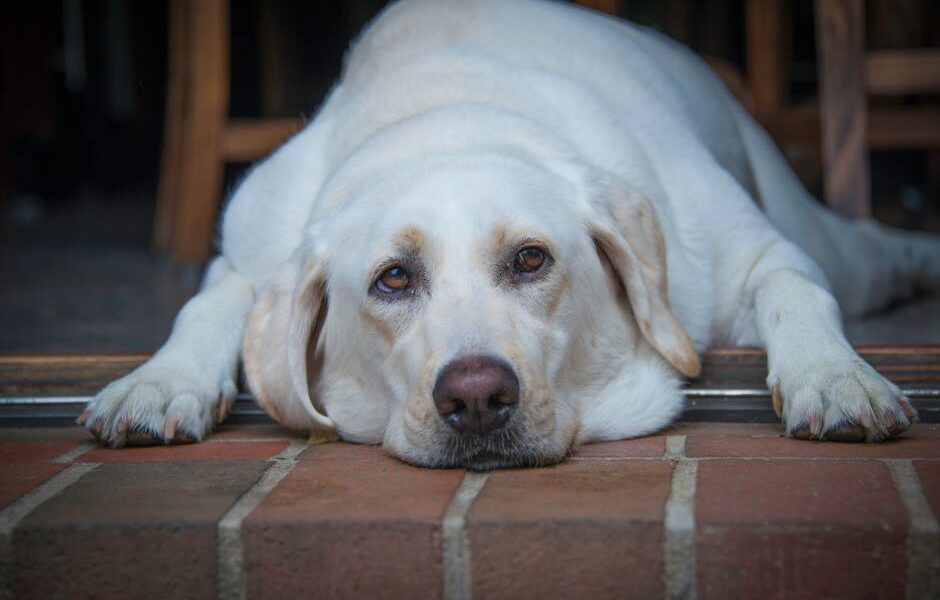
Why Dog Weight Management Matters
Canine obesity is one of the most common preventable health problems in dogs, with veterinary studies estimating that over 50 percent of dogs in the United States are overweight or obese. Effective dog weight management is not just about appearance. Excess weight shortens your dog’s lifespan, increases the risk of serious diseases, and diminishes quality of life in ways that may not be immediately obvious.
In this article
Research from the University of Liverpool found that overweight dogs live up to two and a half years less than dogs at a healthy weight. Excess pounds put strain on joints, make the heart and lungs work harder, increase the risk of diabetes and certain cancers, and can worsen existing conditions like arthritis and breathing difficulties.
The encouraging news is that weight management in dogs is achievable with the right approach. Unlike humans who face complex emotional eating patterns, dogs respond predictably to calorie control and increased activity. Your veterinarian should be your primary partner in developing a safe, effective weight management plan.
How to Tell If Your Dog Is Overweight
Many owners are surprised to learn their dog is overweight because they have normalized a heavier body condition. Breed standards and individual variation make scale weight alone an unreliable indicator. Instead, veterinarians use body condition scoring, a hands-on assessment that works for any breed or size.
The Body Condition Score (BCS)
The most widely used system is the 9-point body condition score, where 1 is emaciated, 5 is ideal, and 9 is obese. You can perform a basic assessment at home:
- Rib check: Place your hands on your dog’s rib cage. At an ideal weight, you should feel the ribs easily with light pressure, like running your fingers over the back of your hand. If you need to press firmly to feel ribs, your dog is likely overweight.
- Waist check (from above): Look down at your dog from above. There should be a visible waist, an indentation behind the ribs. An overweight dog will have a straight or rounded silhouette with no waist definition.
- Tummy tuck (from the side): Viewed from the side, the abdomen should tuck up from the chest to the hind legs. A straight or sagging belly line indicates excess weight.
If your dog scores above a 5, schedule a veterinary consultation. Your vet can determine an ideal target weight, rule out medical causes of weight gain like hypothyroidism or Cushing’s disease, and develop a customized dog weight management plan.
Creating a Weight Loss Diet Plan
Calorie reduction is the most critical component of dog weight management. Exercise alone rarely produces significant weight loss in dogs. A structured diet plan guided by your veterinarian provides the foundation for safe, sustainable results.
Calculating Caloric Needs
Your vet will calculate your dog’s resting energy requirement (RER) based on their ideal target weight, not their current weight. A typical weight loss plan reduces calories to 60 to 80 percent of the calories needed to maintain the target weight.
For a general sense of where to start, many veterinary nutritionists use this formula: RER = 70 x (ideal body weight in kg)^0.75. However, individual variation is significant, so professional guidance is important.
Choosing the Right Food
Prescription weight management diets are formulated to reduce calories while maintaining adequate protein to preserve lean muscle mass. These diets are typically high in protein, moderate in fat, and enriched with fiber to help your dog feel full on fewer calories.
Key features to look for in a weight management food:
- High protein content (30 percent or more on a dry-matter basis) to preserve muscle
- Reduced fat content compared to regular adult food
- Added fiber for satiety
- L-carnitine, which supports fat metabolism
- Complete and balanced nutrition to prevent deficiencies during calorie restriction
Simply feeding less of your dog’s regular food can lead to nutrient deficiencies because you are reducing everything proportionally, including essential vitamins and minerals. A purpose-formulated weight loss diet is the safer approach.
Portion Control and Feeding Schedule
Measure every meal with a kitchen scale rather than a measuring cup. Measuring cups can vary by 20 to 30 percent in accuracy, which adds up over weeks and months. Your vet will provide a specific daily calorie target, and you can calculate the exact portion based on your food’s caloric density.
Divide daily food into two to three meals rather than one large meal. Multiple smaller meals help manage hunger and maintain more stable blood sugar levels throughout the day.
Exercise Strategies for Weight Loss
Exercise supports weight loss by burning calories, building lean muscle, and improving cardiovascular health. However, overweight dogs need a gradual exercise ramp-up to avoid injury, particularly to joints that are already under extra stress.
Starting an Exercise Program
For sedentary or significantly overweight dogs, start with short, low-impact walks of 10 to 15 minutes, twice daily. Increase duration by five minutes per walk each week, working toward a target of 30 to 60 minutes of daily exercise over four to six weeks.
Swimming is an excellent exercise option for overweight dogs because it provides resistance training without joint impact. Many veterinary rehabilitation centers offer supervised swim sessions. If your dog enjoys water, this can be a fun and effective addition to the exercise program.
Exercise Ideas
- Structured walks: Maintain a brisk pace rather than allowing constant sniffing stops. Use a separate “sniff walk” for mental enrichment at a slower pace.
- Fetch and retrieval games: Short bursts of activity followed by rest periods mimic interval training.
- Tug-of-war: Engages multiple muscle groups and can be played indoors.
- Agility at home: Set up simple obstacles in your yard for your dog to navigate.
- Playdates: Social play with other dogs provides exercise and mental stimulation simultaneously.
Monitor your dog during exercise for signs of overexertion: excessive panting, lagging behind, limping, or reluctance to continue. Overweight dogs overheat more quickly and tire sooner than fit dogs. Always bring water and take breaks as needed.
Managing Treats and Extras
Treats are the silent saboteur of many dog weight management plans. A single large biscuit can contain 100 or more calories, which may represent 10 to 20 percent of a small dog’s daily caloric needs.
Smart Treat Strategies
- Count treat calories as part of the daily total, not in addition to meals
- Limit treats to no more than 10 percent of daily calories
- Use low-calorie alternatives: baby carrots, green beans, apple slices (no seeds), blueberries, and ice cubes
- Break commercial treats into smaller pieces so each reward uses fewer calories
- Use a portion of your dog’s daily kibble ration as training treats
Eliminate table scraps entirely during the weight loss phase. Even small amounts of human food can significantly increase caloric intake. Make sure all family members and visitors understand the plan and do not offer extra food behind your back.
If your dog begs for food, redirect their attention with a walk, a game, or a puzzle toy. Begging is a behavior, not an indication of hunger, and responding to it reinforces the cycle.
Monitoring Progress and Adjusting the Plan
Regular monitoring is essential to ensure your dog is losing weight at a safe rate and maintaining good health throughout the process.
Target weight loss rate: Dogs should lose 1 to 2 percent of their body weight per week. For a 50-pound dog, that is 0.5 to 1 pound per week. Faster weight loss can cause muscle wasting and nutritional deficiencies. Slower loss may indicate the need for further calorie reduction or medical evaluation.
Weigh-in schedule: Weigh your dog every two weeks on the same scale, at the same time of day, preferably in the morning before eating. Record results in a log or app so you can track trends. Monthly veterinary weigh-ins provide more accurate measurements and allow your vet to adjust the plan as needed.
Body condition reassessment: Perform a body condition check monthly alongside weighing. Sometimes the scale does not move much if your dog is building muscle while losing fat. Improvements in waist definition and rib palpability confirm progress even when weight changes are small.
Most dogs reach their target weight in three to six months, though severely overweight dogs may take longer. Once your dog reaches their ideal weight, your vet will help you transition to a maintenance diet and exercise plan that prevents regain. For supporting joint health during exercise programs, our dog joint supplements guide covers helpful options.
When Weight Gain Has a Medical Cause
If your dog gains weight despite controlled portions and adequate exercise, or if weight loss stalls despite strict adherence to the plan, a medical condition may be contributing.
Hypothyroidism: An underactive thyroid slows metabolism and promotes weight gain. It is one of the most common endocrine disorders in dogs and is easily diagnosed through blood testing and managed with daily medication.
Cushing’s disease: Excess cortisol production causes increased appetite, weight gain (particularly in the abdomen), and muscle weakness. Diagnosis involves blood and urine tests, and treatment options include medication or surgery depending on the cause.
Medication side effects: Certain medications, including corticosteroids and some anticonvulsants, can increase appetite and promote weight gain. Discuss alternatives with your veterinarian if you suspect medication is contributing.
Always have your vet evaluate unexpected weight gain or resistance to weight loss. Treating the underlying condition often makes weight management significantly easier. Explore our dog adoption hub if you are considering welcoming a new furry family member.
Frequently Asked Questions
How do I know if my dog needs to lose weight?
Perform the rib check, waist check, and tummy tuck assessment described in this guide. If you cannot feel your dog’s ribs without pressing firmly, they lack a visible waist from above, or there is no abdominal tuck from the side, your dog is likely overweight. Your veterinarian can confirm with a body condition score and recommend a target weight.
Is it safe to put my dog on a diet without veterinary guidance?
While reducing treats and increasing exercise are generally safe steps, a structured weight loss plan should involve your veterinarian. They can rule out medical causes, calculate appropriate calorie targets, and recommend a diet that provides complete nutrition during calorie restriction. Simply feeding less of regular food can cause nutrient deficiencies.
How long does dog weight management take to show results?
With consistent calorie control and increased exercise, most owners notice visible changes within four to six weeks. The full weight loss journey typically takes three to six months for moderately overweight dogs. Patience is important because safe, gradual weight loss produces lasting results.
Will my dog be hungry on a weight loss diet?
Some initial hunger adjustment is normal. High-fiber, high-protein weight management foods help dogs feel full on fewer calories. Dividing food into multiple smaller meals, using puzzle feeders to slow eating, and offering low-calorie snacks like green beans can help manage hunger during the transition.
Can exercise alone help my dog lose weight?
Exercise alone rarely produces significant weight loss in dogs. Diet is the primary driver of weight loss, with exercise playing a supporting role. A combination of calorie reduction and increased activity produces the best and most sustainable results.


