Last updated: May 4, 2026
In this article
Overview of the Dragon Li
The Dragon Li, also known as the Li Hua, is a native Chinese cat breed with ancient landrace roots. It is one of the few breeds developed entirely from indigenous Chinese cats and remains best known within China itself, where it is regarded as a national breed and a cultural treasure. The Dragon Li gained formal recognition for export and show in the early 2000s, when CFA accepted it for documentation, opening international interest in a breed that had quietly existed for generations.
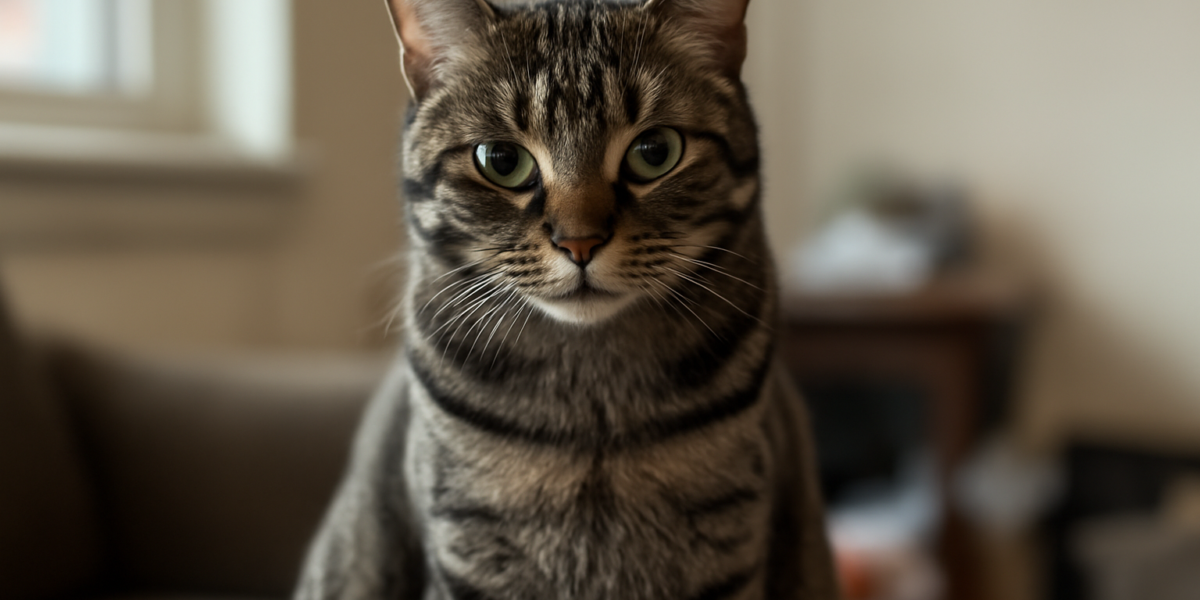
The breed is medium to large, athletic, and rugged, with a brown mackerel tabby coat that gives it a notably wild appearance even though it is fully domestic. Its temperament tends to be confident and intelligent, shaped by generations of cats living as working animals around farms, villages, and homes across China.
The Dragon Li sits within the broader Asian cat family. For context, our Asian cat breeds overview places it alongside other regionally distinctive breeds, and the breed reflects a different lineage path than the Burmese-derived or Siamese-related breeds of Southeast Asia.
History and Origins
Cats have been part of Chinese rural and urban life for centuries. The Dragon Li emerged from this broad domestic population through generations of natural selection in a specific region, producing a consistent type with the brown mackerel tabby coat, sturdy build, and confident temperament that define the breed today.
For most of its history, the Dragon Li was simply a working cat without formal pedigree status. In the early 2000s, Chinese cat fanciers and CFA worked together to document the breed and accept it for export and show, giving the Dragon Li an international recognition path. Recognition status varies by registry, but the breed has gradually built a global presence even as the vast majority of Dragon Li cats still live in China.
Because the Dragon Li developed from a broad indigenous population rather than from selective crosses, the gene pool is wide and the breed tends to be genetically robust. This is a common trait of landrace breeds and a useful contrast to many designer hybrid breeds with smaller foundation populations.
Appearance
The Dragon Li is medium to large with a strong, muscular build. The body is well-proportioned with a broad chest, strong shoulders, and powerful hindquarters that suit the breed’s athletic personality. The head is moderately wedge-shaped with rounded contours, the ears are medium-sized and set wide, and the eyes are almond-shaped, often in shades of yellow, green, or amber.
The coat is short to medium in length, dense, and slightly coarse. The breed standard accepts only the brown mackerel tabby pattern, with vertical stripes running down the body and the classic M marking on the forehead. The coat lies close to the body and shows the cat’s musculature clearly.
Coat Care
The Dragon Li coat is low-maintenance. A weekly brush removes loose hair and gives you a chance to check skin and ears. The breed sheds seasonally but does not mat, and bathing is rarely needed unless the coat gets soiled.
Temperament and Personality
Dragon Li cats are confident, intelligent, and often described as having a mind of their own. They tend to be loyal to their humans without being clingy, curious about everything in their environment, and athletic enough to climb, jump, and explore at length. Many are playful into adulthood, with a particular interest in interactive games and puzzle feeders.
The breed often shows a strong hunting instinct, reflecting its working-cat origins. This makes them excellent at chasing toys but also means they can be quick to react to small fast movements. They are usually social with other cats and friendly dogs when introduced gradually, but they are not the most laid-back breed in a multi-pet household. Boundaries and resources matter for keeping them content.
If you are considering a Dragon Li as part of a multi-pet home, the introducing a kitten to a resident cat guide and the introducing a new cat to a resident dog guide outline thoughtful approaches.
Care and Daily Living
Dragon Li cats need physical and mental enrichment to thrive. Cat trees, window perches, climbing furniture, rotating toys, and puzzle feeders all help channel their athletic and intellectual energy. They are not a breed that does well in a small space without enrichment.
Many enjoy leash training when started young, and some accept harness walks in safe, quiet environments. Indoor-only living is recommended in most North American settings because of traffic, predators, and the risk of theft of an unusual breed.
Diet
Feed a complete and balanced food matched to life stage. Active breeds can carry their weight well but are still vulnerable to gradual gain if free-fed. Measured portions and regular body condition checks support steady health. Our adult cat wellness checklist covers the daily and weekly habits that help.
Enrichment
Keep things rotating. A clever cat with the same toys for months will become bored. Swap puzzle feeders, hide treats around the house, and incorporate short interactive play sessions into the daily routine. The puzzle feeders for cats guide has practical options that suit smart breeds well.
Health Considerations
The Dragon Li is generally a healthy, robust breed thanks to its broad landrace gene pool. There are no widely documented breed-specific conditions, and the breed tends to be hardy in the way that landrace cats often are.
Standard preventive care applies. Maintain annual wellness exams, follow age-appropriate vaccinations through the cat vaccination schedule, and address dental health from kittenhood. Conditions that affect cats broadly as they age, including kidney changes and dental disease, become more relevant in middle and senior years. The senior cat care checklist covers what to monitor as your Dragon Li gets older.
The Dragon Li in Chinese Cat Culture
The Dragon Li occupies a special place in Chinese cat culture as one of the few breeds developed entirely from indigenous Chinese cats and formally recognized for show. Within China, the breed is celebrated as a living link to centuries of cats living alongside Chinese farmers, villagers, and city dwellers. The breed’s recognition for show in the early 2000s reflected a deliberate effort by Chinese cat fanciers to give the country’s native cats a place on the international cat fancy stage.
This cultural context matters for adopters because it shapes how the breed is treated by reputable breeders. Dragon Li breeding programs in China tend to emphasize preservation of the breed’s natural type and temperament rather than dramatic deviation toward exaggerated features. The result is a breed that looks much like the working tabby cats from which it descends, just with formal documentation and breed standards.
For adopters in North America, the cultural significance of the breed should not translate into pressure to import a Dragon Li when many similar tabby cats need homes locally. The breed’s cultural importance is best honored by understanding its history rather than by rushing to acquire one individual. Local rescue tabbies often deliver the breed’s best qualities without the welfare concerns that can come with international imports.
Adopting a Dragon Li
Dragon Li cats are very rare outside China. A small number of cats have been exported to Europe and North America for show and breeding purposes, but the global population outside Asia remains modest. Finding a Dragon Li in a North American shelter is unlikely, though brown mackerel tabby cats with similar looks and temperaments appear in rescues regularly.
If you fall in love with the Dragon Li type rather than the specific pedigree, your options expand dramatically. Tabby cats are among the most common cats in shelters, and many capture the same athletic build, intelligent personality, and brown mackerel pattern that defines the Dragon Li. Our adopting a rescue tabby cat guide is a practical starting point for finding a Dragon Li-type cat through ethical channels.
Pair that with our cat-only rescues overview and the guide to finding a reputable rescue in your state. Read our list of reputable rescue red flags before contacting any breeder claiming to import or breed Dragon Li cats, since cross-border rare-breed imports carry significant welfare risk if not handled carefully.
Living with a Dragon Li
Bringing a Dragon Li into a household means making space for an active, curious, opinionated cat. They notice changes in routine, take interest in household activities, and often communicate through chirps, trills, and direct stares rather than constant meowing. Many owners describe the breed as having a clear personality and a willingness to express it.
The hunting instinct that runs through working-cat lineage shows up in play. Dragon Li cats often prefer toys that mimic prey movement, such as wand toys with feather tips or motorized mice that change direction unpredictably. Sessions of ten to fifteen minutes twice a day usually satisfy their hunting drive and reduce the chance that other small pets in the home become substitute targets.
Multi-pet households can work, but introductions need patience. Dragon Li cats generally accept other cats and dogs over time, but rushed introductions can produce friction. Resources spread through the home, separate feeding stations, and gradual scent and visual introductions all help. Households with small prey-style pets such as hamsters, gerbils, or birds may not be the best match given the breed’s strong hunting instinct.
Children typically do well with the Dragon Li when handled respectfully. The breed is robust enough to handle gentle play and intelligent enough to remove itself from situations it does not enjoy. As with any cat, supervised interactions and clear rules around handling protect both the child and the cat.
Is a Dragon Li Right for You?
The Dragon Li suits adopters who want an active, intelligent, confident cat with low grooming demands and a striking tabby look. They thrive in households that can offer enrichment, vertical space, and engagement. They are not the best fit for adopters who want a constant lap cat or a low-energy companion.
If a true Dragon Li proves impossible to find, a brown mackerel tabby with the right temperament from rescue can be a deeply rewarding alternative. The temperament you want is intelligence, athleticism, and confidence, and many rescue tabbies bring all three.
Frequently Asked Questions
What does Dragon Li mean?
Dragon Li and Li Hua are both Chinese names for the breed, with various translations referring to the cat’s origin and appearance. The names highlight the breed’s status as a culturally significant native Chinese cat.
Is the Dragon Li the same as a brown tabby cat?
Visually, a Dragon Li looks like a brown mackerel tabby, but the breed has a specific lineage and breed standard. Many tabby cats in shelters share the look without the formal pedigree, and they often share the temperament too.
Are Dragon Li cats healthy?
Yes, generally. The breed’s broad landrace gene pool tends to favor robustness, and there are no widely documented breed-specific conditions. Standard preventive care covers the basics.
Are Dragon Li cats good family pets?
They can be, in active households that provide plenty of enrichment and respectful interaction. They are intelligent and confident, and they tend to bond with their families without being clingy. Calm older children usually do well with them.
How can I adopt a Dragon Li in the United States?
The breed is rare outside China. Realistic options include a long wait through a small breeder or pivoting to a brown mackerel tabby from rescue, which often delivers the same look and personality without the pedigree paperwork.
Looking to adopt a Dragon Li (Li Hua) Cat Breed Profile?
Browse Dragon Li (Li Hua) Cat Breed Profile cats and mixes available for adoption from shelters and rescues near you.
Find Dragon Li (Li Hua) Cat Breed Profile Cats for Adoption