
What Are Ear Mites?
Ear mites in cats are tiny, eight-legged parasites called Otodectes cynotis that live on the surface of the ear canal lining. They are barely visible to the naked eye, looking like fast-moving white specks against the dark debris they produce. Despite their small size, they cause big problems: intense itching, visible black or coffee-ground debris, and sometimes secondary bacterial or yeast infections.
In this article
Ear mites complete their entire life cycle on the host, with a typical egg-to-adult cycle lasting about three weeks. Females lay eggs that hatch into larvae, then progress through nymph stages to adult mites. Because all life stages live on the cat, treatment must address eggs and adults to prevent quick reinfestation.
Ear mites cats most often acquire are caught from other infested animals through close contact. Kittens are particularly susceptible because they often catch mites from their mother and siblings during the close quarters of early life. Multi-pet households can pass the parasite back and forth if all animals are not treated together.
How Cats Catch Ear Mites
The most common transmission route is direct contact between cats. Mites move from animal to animal through grooming, sleeping in close contact, or playing together. Outdoor cats and shelter cats have higher exposure risk because they encounter more potential carriers.
Mites can briefly survive off a host on bedding, brushes, and other shared items. While environmental transmission is much less common than direct contact, it explains how new mites occasionally appear in households where no new animal has been introduced. Thorough cleaning of bedding and grooming tools during treatment helps prevent reinfestation.
Mites can also infest dogs, ferrets, and rabbits. In multi-pet homes, all susceptible animals should be examined and treated even if only one is showing symptoms. The parasite is not zoonotic in any meaningful way; people very rarely develop a brief, self-limiting itchy rash, and the mites do not establish on humans.
Recognizing the Symptoms
The hallmark sign is intense ear scratching and head shaking. Cats will paw at their ears, rub their head against furniture, and shake their head repeatedly. The ear canals usually contain dark, dry, crumbly debris that resembles coffee grounds, sometimes filling the visible portion of the canal.
Ear redness, irritation, and an unpleasant odor often accompany the debris. Some cats develop scabs and crusts on the outer ear or skin around the head from intense scratching. Severely affected cats may have small areas of hair loss around the ears.
Secondary infections are common. Bacteria and yeast take advantage of the irritated ear canal, producing additional discharge and odor. Symptoms can therefore overlap with other ear infections, which is one reason veterinary diagnosis is important rather than self-treatment based on appearance alone.
Diagnosis at the Veterinary Clinic
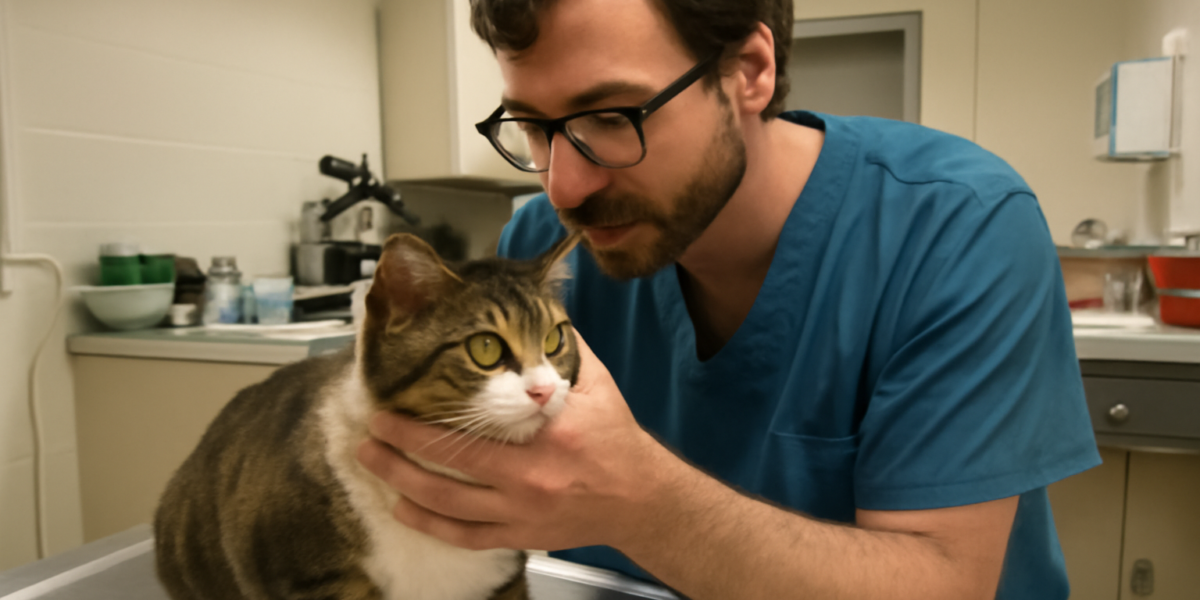
Your veterinarian confirms ear mites by examining the ear canal with an otoscope or by examining a sample of ear debris under a microscope. Mites are clearly visible at low magnification as white, eight-legged organisms moving through the dark debris. The diagnosis is typically quick and definitive.
If mites are not seen but the symptoms strongly suggest infestation, a treatment trial may be considered. Sometimes mites are present in low numbers and missed on initial examination. Your veterinarian will also look for evidence of secondary bacterial or yeast infections that need separate treatment.
Cytology of the ear debris is often performed to identify any concurrent infections. Cats with chronic or recurrent ear problems may need additional workup to rule out underlying allergies or anatomical issues that predispose the ears to ongoing trouble.
Effective Treatment Options
Modern parasiticide medications make treating ear mites straightforward. Several products are FDA-approved for cats and provide reliable, easy treatment:
- Topical spot-on parasiticides: Single or two-dose treatments containing selamectin, moxidectin, or similar drugs. These are applied to the skin between the shoulder blades and provide systemic mite control.
- Topical otic medications: Some ear medications combine an antiparasitic with antibacterial and antifungal drugs to treat both mites and secondary infections in one product.
- Ivermectin or milbemycin formulations: Some are used off-label by veterinarians for difficult cases, with appropriate dose calculation and monitoring.
Your veterinarian will choose a product based on your cat’s age, weight, health status, and any concurrent infections. Single-dose spot-on treatments are particularly convenient for stress-prone cats and have largely replaced older, more involved treatment regimens.
Treating All Pets in the Home
One of the most important parts of successful treatment is treating all in-contact pets. Even apparently asymptomatic cats and dogs in the household should be treated because mites move between animals and reinfestation is otherwise common.
This includes any pets that share sleeping areas, grooming routines, or close contact. Skipping a single pet is a common reason that ear mite infestations seem to keep coming back. Talk with your veterinarian about appropriate treatment for each species in your home.
Bedding, grooming tools, and favorite resting places should be washed in hot water during treatment. Mites do not survive long off the host, but cleaning shared items reduces any environmental contribution to reinfestation.
Cleaning the Ears
Removing accumulated debris from the ear canals helps medications work more effectively and improves comfort. Your veterinarian may perform an initial deep cleaning at the clinic and then recommend home ear cleaning during the treatment period.
Use only veterinary-recommended ear cleansers. Apply gently into the ear canal, massage the base of the ear briefly, and allow your cat to shake her head. Wipe accessible debris from the visible portion of the ear with a soft cloth or cotton pad. Never insert cotton swabs deep into the ear canal; they can damage the eardrum and pack debris further inward.
Some cats tolerate ear cleaning well; others find it stressful. Work slowly, keep sessions brief, and reward calmly afterward. If your cat is severely opposed, talk to your veterinarian about alternatives or whether the cleaning frequency can be reduced.
Treating Secondary Infections
Many cats with ear mites develop concurrent bacterial or yeast infections in the irritated ear canal. These need their own treatment alongside mite eradication. Your veterinarian will identify any concurrent infection through cytology and prescribe appropriate medicated ear drops.
Combination products that treat mites and secondary infections in one bottle simplify treatment for many cats. For more complex cases, separate medications for each problem may be used. Follow the prescribed schedule even after symptoms improve, since stopping early often leads to recurrence.
If a cat has had multiple courses of treatment without lasting resolution, deeper investigation is warranted. Underlying allergies, anatomical problems, or resistant infections may all contribute. A veterinary dermatologist can help with refractory cases.
Prevention and Long-Term Care
Routine flea and parasite prevention products often include ear mite coverage. Talk to your veterinarian about year-round preventive medication for your cat, particularly if she has outdoor access or comes in contact with other animals. Many products provide broad protection against multiple parasites with a single monthly application.
Keeping new cats and kittens isolated for a brief quarantine period before introduction to existing pets reduces transmission risk. Have new arrivals examined by a veterinarian and treated for any parasites before mingling with the resident pets.
For broader cat care information, the cat care blog includes guides on related topics. If you are considering adopting a cat or kitten, the adopt a cat hub offers helpful preparation tips, including what to expect at the first vet visit.
Related Cat Health Topics
Ear mites are one of several common parasites that can affect cats. Fleas, ticks, intestinal worms, and other parasites are addressed by routine preventive medication. Many modern products cover several parasite categories with a single application.
Recurrent ear problems in cats are sometimes related to underlying allergies or chronic upper respiratory disease such as feline herpesvirus. Conditions like dry eye can occur in the same cats that have chronic ear and skin issues. A veterinary workup helps identify and address these connections.
If your cat has had repeated ear infections that seem to clear and return, mites are not the only consideration. Yeast overgrowth, bacterial infections, and underlying allergies all produce similar ear discharge and irritation. Cytology of the debris quickly distinguishes between these causes and ensures the right treatment is chosen. Many cats with chronic ear issues benefit from a comprehensive evaluation rather than repeated empiric treatment.
Frequently Asked Questions
Can I treat ear mites at home?
Veterinary diagnosis and treatment are recommended. Many cats have concurrent ear infections that need specific treatment, and over-the-counter remedies are often less effective than prescription products. A single visit usually resolves both the diagnosis and treatment plan.
How long does treatment take?
Modern single-dose or two-dose topical treatments resolve most infestations within a few weeks. Older treatment regimens with daily ear medications may run for three weeks or longer. Your veterinarian will recommend the most efficient option for your cat.
Will the mites come back?
Recurrence is most often due to untreated in-contact pets or incomplete treatment. Treating all household pets simultaneously and following the full course prescribed substantially reduces recurrence. Routine parasite prevention also helps.
Can I catch ear mites from my cat?
Otodectes mites do not establish on humans in any meaningful way. Very rare cases of brief, self-limiting itchy rashes have been reported in people with heavy exposure, but this is not a typical concern. Standard hand washing after handling an affected pet is sufficient.
Are some cats more prone to ear mites?
Kittens, outdoor cats, and cats with histories of close contact with other animals (such as shelter or rescue cats) are most often affected. Adult indoor-only cats with no exposure rarely develop ear mites unless a new pet is brought into the home.
When should I call my veterinarian?
Call when you notice persistent ear scratching, head shaking, dark ear debris, or odor from the ears. These symptoms can be caused by mites, infections, or other ear problems, and prompt diagnosis allows targeted treatment.


