Last updated: April 9, 2026
In this article
Overview
The European Shorthair is one of the oldest and most natural cat breeds on the continent, yet it remains one of the least recognized outside of Scandinavia and parts of Central Europe. This European Shorthair cat breed profile shines a spotlight on a versatile, robust breed that is essentially the pedigreed version of the common European house cat — refined through selective breeding while preserving the natural qualities that make these cats such excellent companions.
The breed was formally separated from the British Shorthair by FIFe in 1982 and given its own standard. While British Shorthairs were bred toward a stockier, rounder body type, European Shorthairs were developed to maintain the natural, moderate proportions of their street cat ancestors. This makes the European Shorthair a truly natural breed — one whose beauty comes from centuries of natural selection rather than extreme artificial selection.
Quick Facts
- Breed Group: Natural breed
- Size: Medium to large, 8-15 pounds
- Lifespan: 15-20 years
- Energy Level: Moderate
- Grooming Needs: Low
- Coat: Short, dense, and glossy in all natural colors and patterns
Temperament and Personality
One of the most appealing aspects of the European Shorthair is the breed’s wide range of individual personalities. Unlike breeds that have been selectively bred for specific temperament traits, European Shorthairs retain the diverse personality spectrum of their natural ancestors. Some are outgoing lap cats, while others are independent and reserved. Some are playful well into old age, while others prefer a calmer lifestyle.
What most European Shorthairs share is a balanced, adaptable disposition. They tend to be friendly without being clingy, playful without being hyperactive, and independent without being aloof. This golden-mean temperament makes them wonderfully versatile house cats that fit comfortably into many different household situations.
European Shorthairs are intelligent and resourceful. Their ancestors survived as street cats and farm cats across Europe, and that practical intelligence shows in the breed today. They are good problem-solvers, skilled hunters (if given the opportunity), and quick to figure out household routines like feeding times and door handles.
These cats are generally quiet and not overly vocal. They will communicate when they have something to say — usually at mealtimes or when they want to go outside — but they are not the type to carry on extended conversations. Their moderate energy level makes them comfortable companions who are happy to play when invited but equally content to relax nearby while you work or read.
Size and Appearance
The European Shorthair is a medium to large cat with a well-muscled, proportionate body that reflects its working-cat heritage. Adults typically weigh between 8 and 15 pounds, with males significantly larger than females. The body is strong and flexible, neither cobby nor elongated, with a broad chest and sturdy legs.
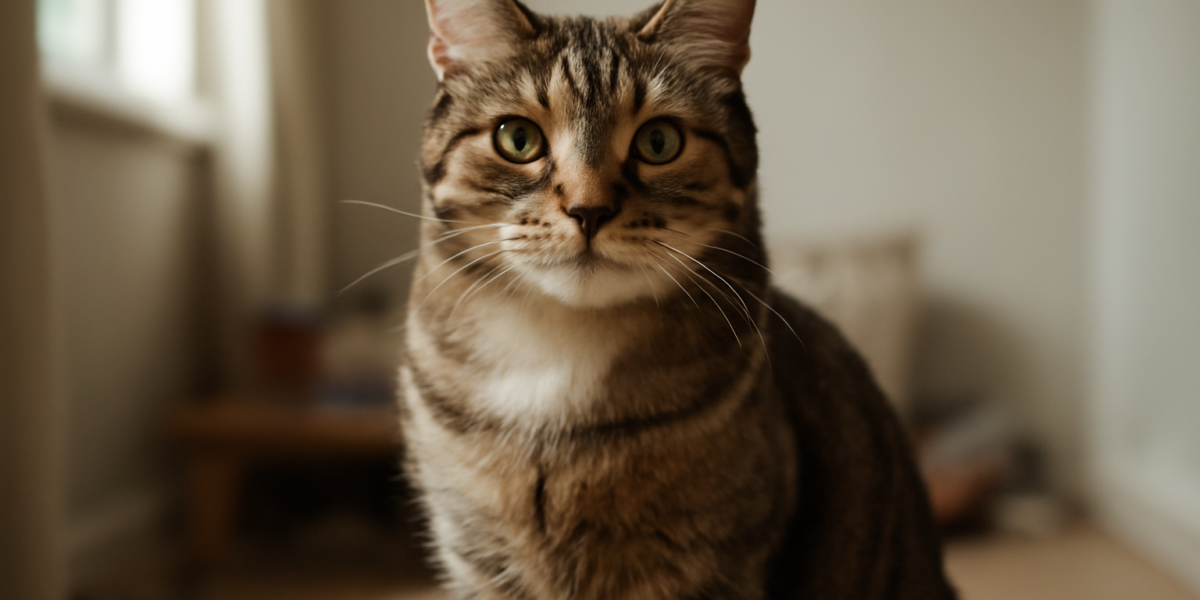
The head is rounded and slightly longer than it is wide, with a well-defined nose, firm chin, and medium-sized ears set wide apart. The eyes are large, round, and expressive, coming in a wide range of colors including green, amber, copper, and blue (in white cats). The overall expression is alert, friendly, and intelligent.
The coat is the breed’s crowning glory — short, dense, glossy, and slightly springy to the touch. It lies close to the body and has enough undercoat to provide weather protection without being plush or fluffy. The European Shorthair comes in virtually every natural color and pattern, including:
- Solid colors (black, blue, red, cream, white)
- Tabby patterns (classic, mackerel, spotted, ticked)
- Bicolor and van patterns
- Tortoiseshell and Calico
- Silver and smoke varieties
The tabby pattern is perhaps the most classic look for the breed, particularly the silver tabby, which showcases the European Shorthair at its most striking. However, every color and pattern is equally valued in the breed standard.
Exercise and Activity Needs
European Shorthairs have moderate exercise needs that are easily met in most home environments. They enjoy play sessions and interactive toys but do not require the intense, multi-daily exercise routines that some high-energy breeds demand.
A daily play session of 15 to 20 minutes with wand toys, ball chasers, or feather teasers is usually sufficient to keep a European Shorthair physically satisfied. They enjoy hunting-style games that let them stalk, pounce, and capture, reflecting their strong natural prey drive.
Cat trees and window perches are appreciated, as European Shorthairs enjoy climbing and observing their surroundings from elevated positions. They are not as vertically obsessed as some breeds but will use climbing structures regularly, especially if positioned near windows with a view.
These cats adapt well to both indoor and indoor-outdoor lifestyles. If you have a secure garden or outdoor enclosure, your European Shorthair will relish the opportunity to explore, patrol, and watch wildlife. For indoor-only cats, rotating toys and providing varied enrichment activities prevent boredom. Puzzle feeders are a good way to engage their natural foraging instincts during mealtime.
Grooming and Care
The European Shorthair is about as low-maintenance as a cat can be when it comes to grooming. Their dense but short coat requires only weekly brushing to remove loose hair and keep it glossy. During spring and fall shedding seasons, you may want to brush two to three times per week to manage the extra hair.
Baths are almost never necessary. The European Shorthair’s coat is naturally good at repelling dirt, and these cats are typically thorough self-groomers. Unless your cat gets into something particularly messy, regular brushing is all the coat care you need.
Standard preventive care applies: trim nails every two to three weeks, check and clean ears as needed, and maintain dental hygiene with regular brushing. Annual veterinary checkups are essential for monitoring health, staying current on vaccinations, and catching any issues early.
Feeding is straightforward — provide a high-quality cat food appropriate for your cat’s age and activity level. European Shorthairs are not prone to being picky eaters, which makes mealtime easy. Monitor portions to prevent obesity, especially for indoor cats with limited exercise opportunities.
Health and Lifespan
The European Shorthair is one of the healthiest cat breeds, benefiting from its large, diverse gene pool and natural development. Their impressive lifespan of 15 to 20 years is a testament to their genetic robustness. Many European Shorthairs live well into their late teens and even beyond with proper care.
Because the breed has not been subjected to extreme selective breeding for physical features, European Shorthairs are free from many of the genetic health issues that plague more heavily developed breeds. They do not have breed-specific predispositions to heart disease, kidney problems, or skeletal abnormalities.
That said, European Shorthairs are still susceptible to common feline health conditions that affect all cats, including dental disease, urinary tract issues, hyperthyroidism (especially in older cats), and obesity. Regular veterinary care, preventive treatments, and a healthy lifestyle minimize these risks.
Vaccinations, parasite prevention, and regular health screenings are especially important for cats with any outdoor access. European Shorthairs that spend time outside should be checked regularly for ticks and treated for fleas and intestinal parasites. Consult your veterinarian for a prevention schedule appropriate for your cat’s lifestyle.
Is the European Shorthair Right for You?
The European Shorthair is an excellent choice for just about anyone looking for a healthy, adaptable, low-maintenance companion cat. Whether you are a first-time cat owner or an experienced feline enthusiast, this breed’s balanced temperament and easy care requirements make it a reliable and rewarding choice.
Families with children will find that most European Shorthairs are patient and tolerant. Singles and couples will appreciate their independent yet affectionate nature. Seniors will enjoy their calm companionship and undemanding care needs. Multi-pet households can usually integrate a European Shorthair successfully, as they get along well with other cats and cat-friendly dogs.
The main challenge for prospective owners outside of Europe is availability. The European Shorthair is most commonly bred in Scandinavia, Finland, and parts of Central Europe. In North America, the breed is virtually unknown, though cats with similar characteristics can sometimes be found in shelters. Visit our cat adoption hub to find a cat whose personality matches what you are looking for.
If you love the idea of a natural breed but want to explore other options, check out the Sokoke for something truly rare, or browse our cat care and breed guides for more profiles to compare.
Frequently Asked Questions
What is the difference between a European Shorthair and a regular house cat?
The European Shorthair is a pedigreed breed with a defined standard, registered pedigrees, and selective breeding for health and type. A random-bred house cat in Europe may look identical but does not have documented lineage. In practice, many European house cats share the same qualities, which is precisely the point — the breed standard was written to preserve the best traits of Europe’s natural cat population.
Are European Shorthairs good indoor cats?
Yes, European Shorthairs adapt well to indoor living as long as their environmental and enrichment needs are met. Provide cat trees, interactive toys, puzzle feeders, and regular play sessions to keep them stimulated. While they enjoy outdoor access if available, they can live happily and healthily as indoor-only cats with proper care.
How is a European Shorthair different from a British Shorthair?
The British Shorthair has been selectively bred for a cobby, compact body with a very round head, dense plush coat, and specific temperament traits like calmness. The European Shorthair has a more moderate, natural body type with a less extreme head shape and a coat that is dense but not as plush. European Shorthairs also tend to have more varied individual personalities compared to the consistently mellow British Shorthair.
Can I find a European Shorthair in a shelter?
Pedigreed European Shorthairs are uncommon in shelters, but cats with very similar characteristics are among the most common shelter cats in Europe. In North America, many Domestic Shorthair cats in shelters share the European Shorthair’s body type, coat quality, and temperament. If you are drawn to this breed’s qualities, adopting a domestic shorthair from a shelter is an excellent way to find a very similar companion while giving a cat in need a loving home.
Looking to adopt a European Shorthair Cat Breed Profile?
Browse European Shorthair Cat Breed Profile cats and mixes available for adoption from shelters and rescues near you.
Find European Shorthair Cat Breed Profile Cats for Adoption