
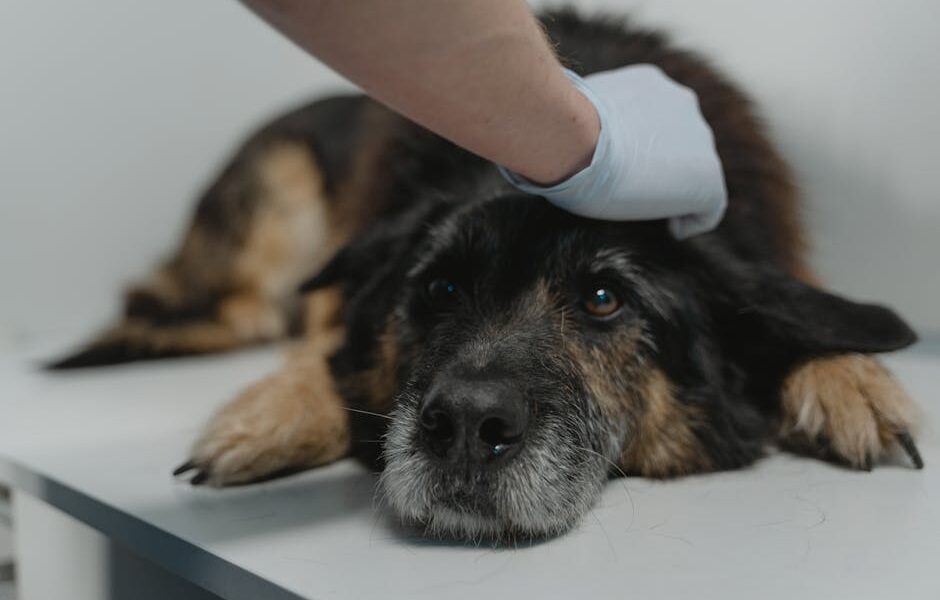
Why Nutrition Matters in Cancer Care
A cancer diagnosis is frightening, and one of the most practical, loving things you can do day to day is help your pet keep eating. Feeding a pet with cancer is about supporting strength, comfort, and quality of life through treatment, not about chasing a miracle cure in the food bowl. Good nutrition helps your pet tolerate therapy, maintain weight, and feel more like themselves, which matters enormously to both of you.
In this article
This is a team effort. Your veterinarian or veterinary oncologist guides the medical plan, and nutrition fits inside it. Diet needs can shift quickly during cancer care, so stay in close contact with your vet, and let go of any pressure to find the perfect food. Often the realistic goal is simply getting enough nourishing calories into a pet who may not feel like eating.
It also helps to release some guilt before you begin. Cancer and its treatment can blunt appetite and alter how the body uses food in ways no owner can fully overcome with willpower or the right brand of kibble. You did not cause your pet’s reluctance to eat, and you will not fix everything with food alone. What you can do is show up day after day with patience, offer appealing options, follow your vet’s guidance, and adjust as things change. That steady, attentive care, more than any single dietary choice, is what supports your pet through treatment.
Maintaining Weight and Calories
Many pets with cancer struggle to hold their weight. Cancer cachexia is a wasting process in which the body loses muscle and fat even when the pet seems to be eating, driven by the way some tumors alter metabolism. On top of that, nausea from the disease or its treatment, pain, and plain disinterest in food can all reduce intake. The combination can lead to steady, worrying weight loss.
Because of this, the priority is usually getting adequate calories in, often with a calorie-dense, highly palatable food so your pet gets more nourishment per bite. This runs counter to everyday weight-loss advice, but the situation is different: here, preventing further loss is the goal. Our guide to helping an underweight pet gain weight offers practical ways to add calories safely, always under your vet’s direction.
Weigh your pet regularly and track it, because gradual loss is easy to miss day to day. Report meaningful changes to your vet so the plan can adapt. For the bigger picture on this wasting process, our resource on cancer cachexia and appetite management goes deeper.
A helpful habit is to keep a simple feeding and weight log. Note what your pet ate, roughly how much, and any vomiting, diarrhea, or refusal, along with periodic weights on the same scale. Patterns emerge that are easy to miss otherwise, such as a particular food losing its appeal, nausea clustering around treatment days, or a slow downward drift in weight that calls for a richer diet or a medication adjustment. This record turns vague worry into concrete information your vet can act on, and it spares you from trying to reconstruct the past week from memory at every appointment.
Appetite Tricks That Help
When a pet does not want to eat, small adjustments can make a real difference. The aim is to make food as appealing as possible to a pet whose appetite and sense of smell may be dulled:
- Warm the food slightly to body temperature to release its aroma, which is often what tempts a reluctant eater.
- Offer strong-smelling, palatable foods your pet has enjoyed, in small, frequent portions rather than one large bowl.
- Hand-feed or sit with your pet, since company and calm can encourage eating.
- Try a quiet, low-stress feeding spot away from other pets and noise.
Our guide to encouraging a sick pet to eat collects more of these techniques. If appetite remains poor, ask your vet about appetite stimulant medications and anti-nausea drugs, which can be genuinely helpful and are a normal part of supportive cancer care. Never force food down a reluctant pet on your own; syringe-feeding, if needed, should be done only as your vet directs.
One subtlety worth knowing is food aversion. If a pet feels nauseated around the time it eats a particular food, it can form a lasting dislike of that food, even after the nausea passes. This is why pushing a favorite food on a queasy pet can backfire, burning through the very foods you most want them to keep eating. A practical workaround is to control nausea first with your vet’s medications, then offer food, and to rotate among several acceptable options rather than relying on one. If your pet turns away from something it used to love, do not force it; set it aside and try a different option another time.
Protein, Fat, and the Diet Composition Question
You may read confident claims online about exactly how to balance protein, fat, and carbohydrate to fight cancer. The honest reality is more nuanced, and you should be cautious of fad diets that promise to starve a tumor. In general, pets with cancer benefit from enough high-quality protein to preserve muscle, and many do well with a calorie-dense, often higher-fat food, since fat packs more calories per bite for a pet that struggles to eat enough.
That said, the right composition depends on the individual pet, the cancer type, and any other health conditions, which is exactly why this is your vet’s call. Some pets need a therapeutic diet formulated for cancer support; our overview of cancer nutrition and therapeutic diets explains the options. Do not put your pet on a restrictive or unbalanced homemade diet hoping to fight the disease; if a homemade plan is appropriate, it must be formulated by a board-certified veterinary nutritionist to avoid causing new harm. And do not invent target percentages from internet advice.
For cats specifically, remember they are obligate carnivores who need animal protein and moisture and must never be fed a vegetarian or dog-formulated diet, no matter what a wellness blog claims.
Hydration and the Feeding-Tube Reality
Staying hydrated is as important as eating. Treatment side effects like vomiting or diarrhea can cause fluid loss, and a dehydrated pet feels worse and eats less, creating a downward spiral. Offer fresh water freely, consider adding water or vet-approved broth to food, and ask your vet about subcutaneous fluids if your pet is falling behind.
For some pets, especially those who cannot or will not eat enough despite every effort, a feeding tube becomes the kindest option. This often surprises owners, but a tube is not a sign of giving up; it is a practical tool that lets you deliver nutrition, hydration, and medication with far less stress for everyone, sometimes allowing a pet to recover strength they could not get otherwise. If your vet raises it, hear them out. It can dramatically improve quality of life.
Many owners are startled by how much easier life can become once a tube removes the daily battle over food. Instead of coaxing, hovering, and worrying through every meal, you deliver a measured amount of liquid nutrition in a few minutes and move on, and your pet associates you with comfort again rather than with the stress of being pressured to eat. Pets generally tolerate these tubes well, often barely noticing them, and they are usually temporary, removed once the pet is eating reliably on its own. If a tube is on the table, ask your vet practical questions about care, feeding amounts, and what daily life looks like, so you can make the decision with clear eyes rather than fear.
Keeping Quality of Life at the Center
Through all of this, let quality of life be your compass. The point of feeding a pet with cancer is not to win a numbers game but to keep your companion comfortable, nourished, and content for as long as the disease allows. Some days your pet will eat well; some days they will not, and that is part of the journey.
Work closely with your oncology and veterinary team, follow their guidance on diet and medication, and give yourself permission to prioritize what makes your pet happy, including favorite foods in reasonable amounts. Lean on professionals for the medical and nutritional decisions, and focus your energy on the comfort, companionship, and small pleasures that mean the most in this chapter.
It can also help to redefine success. Rather than measuring every meal against an ideal, look for whether your pet is reasonably comfortable, taking in some nourishment, staying hydrated, and still showing interest in the things it loves. There may come a point where the kindest choice is to relax the rules entirely and simply let your pet enjoy what it will eat, and your vet can help you recognize when you have reached that stage. None of this means giving up; it means meeting your pet where it is. The goal throughout has never been to outwit the disease with food, but to keep your companion nourished, comfortable, and loved for whatever time you share.
Frequently Asked Questions
Is there a special diet that fights cancer?
There is no diet that cures or starves cancer, and you should be wary of products or recipes that claim otherwise. There are therapeutic diets that support pets through cancer by maintaining weight, calories, and muscle, and your vet or oncologist can advise whether one suits your pet.
My pet with cancer won’t eat. What can I do?
Try warming food, offering small frequent meals of strong-smelling favorites, and hand-feeding in a calm spot. If appetite stays poor, ask your vet about appetite stimulants and anti-nausea medication, which are a normal part of supportive care.
Why is my pet losing weight even though it’s eating?
Cancer cachexia alters metabolism so the body wastes muscle and fat despite food intake. This is why a calorie-dense, palatable diet and regular weight tracking matter, and why you should report ongoing loss to your vet.
Should I consider a feeding tube?
For pets who cannot eat enough despite every effort, a feeding tube can be a kind, practical tool rather than a last resort. It lets you deliver food, water, and medication with less stress, sometimes restoring strength. Discuss it openly with your vet.
Is homemade food a good idea for a pet with cancer?
Only if it is formulated by a board-certified veterinary nutritionist. Unbalanced homemade diets can cause deficiencies that make a sick pet worse, so never improvise a recipe in hopes of treating the disease.


