
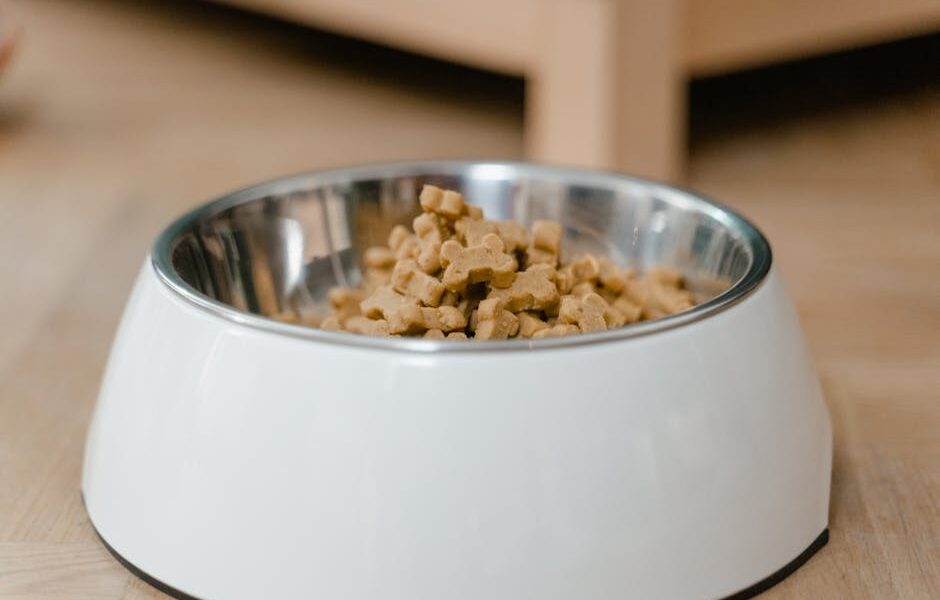
The Challenge of a Multi-Pet Household
Managing multi-pet different diets under one roof is one of the trickier parts of being a multi-animal household. One pet may be on a weight-loss food, another on a vet-prescribed therapeutic diet, a senior on a different formula, and a growing puppy or kitten on something else entirely. The moment you put those bowls down, instinct, speed, and appetite take over, and pets rarely respect whose food is whose.
In this article
The stakes can be real. A dog on a prescription kidney or low-fat diet who raids another pet’s rich food can undermine their treatment. A pet on weight loss who hoovers up everyone’s leftovers won’t lose an ounce. A cat who eats a dog’s food misses the animal-protein, taurine, and moisture they need as obligate carnivores. So feeding the right food to the right animal isn’t a nicety; for some pets it’s part of managing a medical condition.
The good news is that a few reliable systems make this manageable, even in a busy home with several pets and competing diets.
Before building your system, it’s worth getting clear on exactly who needs what and why. Sit down and list each pet, their current food, the amount, and the reason: weight loss, a prescription diet for a diagnosed condition, a life-stage formula for a puppy or senior, or simple maintenance. This inventory does two things. It shows you which diets are non-negotiable, a vet-prescribed kidney or low-fat food, for instance, where a slip-up actually matters medically, versus which are merely preferences. And it highlights where conflicts will arise, such as a hungry dieter living alongside a free-feeding slim cat, so you can plan around them rather than be surprised at dinnertime.
Separate Feeding Stations and Rooms
The simplest and most dependable solution is physical separation. If pets can’t reach each other’s bowls, they can’t eat the wrong food. How far you take this depends on your animals and your space.
- Separate spots: For relaxed pets, placing bowls in different corners or rooms during meals may be enough.
- Separate rooms with closed doors: For determined eaters or strict medical diets, feed each pet in their own room with the door shut for the duration of the meal.
- Crates or baby gates: A crate-trained dog can eat in their crate; baby gates can keep a fast eater away from a slow one.
- Height separation: Cats can often eat up high on a counter or shelf where a dog can’t reach, which also keeps dogs out of cat food.
Choose the lowest-effort method that actually works for your animals. If anyone is on a medical diet, lean toward stricter separation, because the cost of a mistake is higher.
Whichever method you pick, consistency is what makes it stick. Pets learn routines fast, and a predictable “you eat here, they eat there” pattern soon feels normal to everyone. The systems that fail are usually the ones applied half-heartedly, doors left ajar, one bowl set down “just for a minute” within reach of a thief. Treat the separation as a firm habit rather than an occasional effort, and within a week or two most households settle into it without drama. It often helps to feed in the same locations every time so each pet learns their own spot.
Switch to Scheduled, Supervised Meals
Free-feeding, leaving food out all day, makes multi-pet different diets nearly impossible to control. You can’t separate bowls that sit out around the clock, and you can’t tell who ate what. Scheduled meals are the foundation of a working system.
With set mealtimes you put food down, supervise while everyone eats, and pick up the bowls when the meal is over. Supervision is key: stay in the room so you can intervene if one pet finishes fast and heads for a neighbor’s bowl. Pick up any uneaten food rather than leaving it out as an open invitation for the wrong pet.
If your household currently grazes, our comparison of free-feeding versus scheduled meals walks through how to move grazers onto a routine. Meal feeding also lets you monitor each pet’s appetite individually, which is a valuable early warning when one animal isn’t feeling well.
Microchip and Selective Feeders
Technology can do the supervising for you, which is especially helpful for cats and for households where someone needs constant access to food. Microchip-activated feeders open only for the pet whose chip or collar tag is registered, so each animal can reach only their own food even when you’re not standing there.
These feeders shine in a few situations:
- A cat on a prescription diet who must not eat the others’ food.
- A weight-management pet who needs portion control while a slim housemate free-feeds.
- Homes where pets eat at different paces or times and can’t always be supervised.
Selective feeders aren’t a magic fix; a clever or pushy pet may try to muscle in, so introduce them gradually and watch how your animals adapt. But for the right household they remove much of the daily vigilance that managing different diets demands.
There are simpler tools too, short of microchip feeders. A timed feeder that opens at set times can help enforce a schedule when you’re out. Puzzle feeders and slow-feed bowls make a fast eater work for their food, buying time so they don’t finish and bolt to a neighbor’s dish. And for some homes, the most reliable “technology” is the oldest one: a closed door. Match the tool to the problem and to your budget, and don’t over-engineer a situation that a baby gate would solve.
Preventing Food-Stealing and the Dieting Raider
The pet most motivated to break your system is usually the one on a diet, the hungry weight-loss patient eyeing everyone else’s richer food. Managing that animal’s hunger is part of the plan, not just policing the bowls.
For a dieting pet, work with your vet on a satisfying weight-loss approach so they’re less driven to raid. Feeding to body condition, spreading the day’s calories across more frequent meals, and including the right kind of food can all help a dieter feel less deprived. Our guide to feeding treats without causing weight gain shows how to keep rewards in the picture without blowing the plan, which reduces the temptation to steal.
To stop food-stealing in general:
- Feed the fast eater and the diet pet first or separately so they’re not waiting and watching.
- Never leave a slow eater’s bowl unattended near a raider.
- Pick up all bowls promptly when the meal ends.
- Keep food storage secure so no one self-serves between meals.
Consistency teaches pets that raiding doesn’t pay off. A predictable, well-managed routine is your best deterrent.
Watch the slow eaters as closely as the raiders. In many homes the real victim is a timid or methodical pet whose food keeps getting stolen, leaving them underfed while the thief gets fat. If you notice one pet gaining and another losing or seeming hungry, food theft may be the hidden cause rather than a metabolism difference. Feeding the slow eater somewhere safe and undisturbed, with enough time to finish at their own pace, protects both their nutrition and the raider’s waistline.
Timing, Portions, and Keeping It Sustainable
A workable system has to fit your daily life or it won’t last. Stagger feeding times if that helps you supervise, or feed everyone at once in their separate spots if that’s simpler. The right answer is whatever you can repeat reliably every day.
Portions matter as much as separation, especially when one pet needs fewer calories than another. Knowing each animal’s needs helps you serve the right amount rather than eyeballing it. Our guide to calculating your pet’s calorie needs explains the framework, and you can fine-tune by adjusting portions for activity level as each pet’s age, weight, and activity change.
Finally, account for shared moments outside mealtimes, treats, chews, and dropped scraps, which can quietly derail a medical or weight diet. Keep those controlled and species-appropriate, and remember that a dog and a cat have very different nutritional needs, so never let one routinely eat the other’s food.
One easy oversight is the litter box. Dogs frequently raid cat litter boxes for the leftover food in feces, which is unpleasant and, if your cat is on a prescription diet, a way for your dog to ingest the wrong nutrition. Placing the box where the dog can’t reach it, or using a covered or top-entry box, closes that loophole. The same attention to detail, secure food storage, picked-up bowls, controlled treats, no shared litter access, is what turns a chaotic multi-diet household into a smoothly running one where each pet reliably eats what their health actually requires.
If you ever feel stuck, your veterinary team has seen these juggling acts many times and can suggest practical tweaks tailored to your particular mix of pets and diets. Don’t hesitate to ask, especially when a prescription diet is involved and the margin for error is small.
Frequently Asked Questions
How do I stop my pets from eating each other’s food?
The most reliable methods are physical separation during scheduled, supervised meals, feeding in separate rooms, or using microchip-activated feeders. Pick up all bowls when the meal ends and store food securely so no one self-serves between meals.
Can I just free-feed if my pets are on different diets?
It’s very hard to manage different diets with free-feeding, because you can’t control who eats what or monitor intake. Scheduled, supervised meals or selective feeders give you the control you need, especially when a pet is on a medical or weight-loss diet.
Are microchip feeders worth it for a multi-pet home?
For households where a pet needs a strict prescription or weight diet, or where supervision isn’t always possible, they can be very worthwhile. They open only for the registered pet. Introduce them gradually and watch how each animal adapts.
My dog keeps stealing my cat’s food — is that a problem?
It can be. Cat food is formulated for obligate carnivores and is richer than dog food, and constant raiding can unbalance your dog’s diet or pack on weight. Feed your cat up high or behind a barrier the dog can’t reach, and supervise meals.
How do I keep my dieting pet from raiding the others?
Work with your vet on a satisfying weight-loss plan, spread the day’s calories across more meals, and feed the dieter first or separately so they’re not watching others eat. Pick up bowls promptly and keep treats controlled to reduce the drive to steal.


