
What a Fentanyl Patch Is and Why Vets Use It
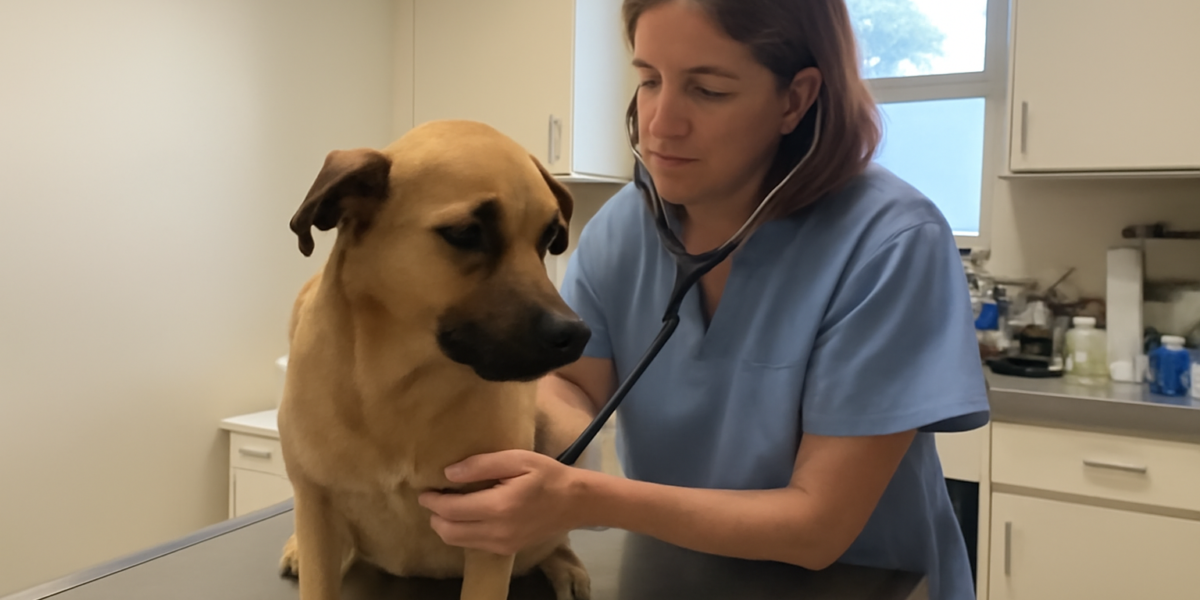
A fentanyl patch is a small adhesive patch applied to the skin that slowly releases the opioid pain reliever fentanyl into the bloodstream over a period of days. For fentanyl patch dogs, the most common use is providing continuous pain control after major surgery, severe injury, or for advanced cancer pain — situations where steady, around-the-clock analgesia is preferable to repeated injections or oral dosing.
In this article
- What a Fentanyl Patch Is and Why Vets Use It
- How the Fentanyl Patch Works
- When Vets Choose a Fentanyl Patch
- How the Patch Is Applied
- Living With a Patch at Home
- Side Effects to Watch For
- Critical Safety Steps for Your Household
- Dogs Who Need Extra Caution
- Drug Interactions to Flag
- What to Expect During and After the Patch
- Frequently Asked Questions
- The Bottom Line
Fentanyl is a powerful synthetic opioid and is classified as a Schedule II controlled substance in the United States. It is many times more potent than morphine on a per-microgram basis, which is part of why the slow-release patch design works so well: it allows a small total amount of drug to be delivered gradually rather than all at once. It also means that mishandling, misuse, or accidental exposure can be very dangerous to both pets and people.
For these reasons, fentanyl patches are prescription-only, are typically applied by veterinary staff, and require careful handling at home. This guide covers how the patch works, what to expect during use, how to keep your household safe, and when to call your vet.
How the Fentanyl Patch Works
The patch is a layered adhesive square or rectangle containing a reservoir or matrix of fentanyl. When applied to clean, intact skin (usually clipped of fur), the drug diffuses through the patch backing and absorbs through the skin into the small blood vessels just beneath the surface. From there it enters the bloodstream and travels to the central nervous system, where it binds to opioid receptors and blunts the perception of pain.
The hallmark of a transdermal patch is its steady, continuous delivery. Once the patch reaches its therapeutic plateau — typically 12 to 24 hours after application in dogs — it provides relatively constant pain relief for the remainder of its labeled duration (often around three days, depending on the formulation). This is a major advantage over oral medications that have peaks and troughs and require redosing every few hours.
Absorption rates can vary between individual dogs depending on body temperature, fat layer thickness, hydration, skin condition, and even the location of the patch. Vets account for this variability by selecting an appropriate patch strength based on body weight and by monitoring the patient’s pain response. The variability also means a fentanyl patch should never be a “set and forget” tool — it requires attention.
When Vets Choose a Fentanyl Patch
Veterinarians most often reach for a fentanyl patch in situations like:
- Major orthopedic surgeries such as fracture repair, TPLO, or amputation
- Significant soft tissue surgeries with substantial expected post-op pain
- Severe trauma such as bite wounds, hit-by-car injuries, or major lacerations
- Cancer pain in selected patients, often as part of palliative or hospice care
- Severe acute conditions such as severe pancreatitis where steady pain coverage is needed
The patch is particularly useful when the patient cannot reliably take oral medications, when injectable dosing every few hours is impractical, or when steady pain coverage during recovery is the priority. It is rarely the only pain medication used; fentanyl patches are usually layered with NSAIDs (when not contraindicated), gabapentin, local anesthetics, and supportive measures so that no single drug carries the entire pain burden.
How the Patch Is Applied
Fentanyl patches are typically applied by veterinary staff in the clinic. The application steps generally include:
- Choosing a site: Common sites include the lateral neck, lateral chest, or between the shoulder blades — areas the dog cannot easily reach to chew or scratch.
- Clipping the fur: A small patch of fur is clipped (not shaved to bare skin) so the adhesive can stick well.
- Cleaning and drying the skin: The site is wiped with water (not alcohol or other solvents that could change absorption) and dried completely.
- Applying the patch: The patch is pressed firmly to the skin for about 30 seconds and then often covered with a breathable bandage to protect it.
- Documenting the time: The application time is recorded so the patch can be removed at the correct interval.
Once applied, the patch begins releasing drug, but full therapeutic effect typically takes 12 to 24 hours in dogs. During this onset period, vets often provide additional pain coverage with injectable opioids so the patient stays comfortable. Pain control during the onset period is one of the most important pieces of safe patch use.
Living With a Patch at Home
If your dog is sent home wearing a fentanyl patch, your veterinary team will give you specific instructions. General guidelines include:
- Keep the patch dry. Avoid baths, swimming, and getting the patch wet. Brief exposure to a small amount of water is usually fine, but soaking can change drug absorption or loosen the adhesive.
- Avoid heat sources. Heating pads, hair dryers, hot car interiors, and direct sun on the patch site can dramatically increase absorption and cause overdose. Keep your dog at normal room temperature.
- Watch for chewing or scratching. If your dog seems interested in the patch, an Elizabethan collar or a t-shirt over the patch can prevent damage. A patch that has been chewed and partially eaten is a medical emergency.
- Keep other pets and children away from the patch site. Other pets may lick or chew at the patch, and children should never have unsupervised access to the area.
- Document the application and removal times exactly as your vet instructs.
- Do not reapply or move a patch that has fallen off without contacting your vet.
Side Effects to Watch For
Most dogs tolerate fentanyl patches well at appropriate doses, but as with any opioid, side effects can occur. Common, usually mild effects include:
- Mild to moderate sedation
- Decreased appetite
- Constipation, especially with longer use
- Mild nausea or vomiting
- Slowed heart rate or breathing rate
- Pupil constriction
More serious adverse effects can include profound sedation, significant respiratory depression, very low body temperature, severe constipation or ileus, urinary retention, and behavioral changes such as dysphoria. Warning signs that should prompt an immediate call to your vet or emergency clinic include:
- Slow, shallow, or labored breathing
- Difficulty rousing your dog or extreme drowsiness
- Pale or blue-tinged gums
- Cold body temperature
- Inability to urinate
- Persistent vomiting
- Agitation, vocalization, or unusual behavior
- Seizure activity
If you suspect overdose — for example, if a patch was chewed, applied incorrectly, or got too warm — treat it as an emergency. Fentanyl effects can be reversed with naloxone, but timing matters. Your veterinary team needs to know what happened so they can act quickly.
Critical Safety Steps for Your Household
Fentanyl is dangerous to humans and other animals at very small doses. Even a chewed patch can deliver enough drug to seriously harm a child, another pet, or an unsuspecting adult. Treat every patch — whether on the dog, in the package, or being disposed of — as a serious safety item:
- Keep your dog supervised, especially around children and other pets, while wearing the patch.
- Wash your hands thoroughly with soap and water after touching the patch site.
- Never cut a patch — this can change the drug release dramatically and create a hazard.
- Store unused patches in their original packaging, in a locked or secured location.
- When the patch is removed, fold the adhesive sides together so the drug-containing side is sealed inside, and dispose of it via a drug take-back program or per your vet’s specific instructions.
- If a patch falls off and you cannot find it, search the home and yard immediately. Inform your vet.
- If a person — especially a child — accidentally contacts or ingests the patch contents, call poison control or seek emergency care immediately.
Dogs Who Need Extra Caution
Fentanyl patches are not appropriate for every dog. Tell your vet about any of the following:
- Significant respiratory disease or sleep-disordered breathing
- Severe liver or kidney disease
- Head trauma or increased intracranial pressure
- Severe heart disease or hypotension
- Hypothyroidism or Addison’s disease
- A history of severe constipation or gastrointestinal motility problems
- Skin conditions that affect the patch site (dermatitis, allergies, infection)
- Households with young children, immunocompromised people, or other pets that may access the patch
Brachycephalic breeds, very young or very old dogs, and dogs with significant comorbidities often need extra monitoring. Your vet may decide the patch is still the best option but choose a closer follow-up schedule, or they may opt for a different pain strategy entirely.
Drug Interactions to Flag
Several medications interact with fentanyl in significant ways:
- Other opioids and sedatives: Combining fentanyl with other CNS depressants (benzodiazepines, dexmedetomidine, acepromazine) can deepen sedation and respiratory depression.
- MAO inhibitors and certain antidepressants: Can interact unpredictably with opioids.
- Some antifungal and antibiotic drugs: Can affect fentanyl metabolism.
- NSAIDs: Often used together intentionally as part of multimodal pain control, but the combination should be coordinated by your vet, especially in dogs with kidney concerns.
Share your dog’s full medication and supplement list with your vet before any patch is applied. Even something that seems unrelated can change the safety calculation.
What to Expect During and After the Patch
Most dogs do well with the patch in place, particularly when the medical team has set realistic expectations and provided clear instructions. Owners often notice their dog is calm but rousable, eating modestly, and resting comfortably. As the patch nears the end of its life, pain relief may begin to taper off, and your vet will plan for what comes next — typically a transition to oral pain medications such as a short course of additional analgesics, an NSAID where appropriate, or other adjuncts.
For dogs recovering from major surgery or trauma, the patch often bridges the period of most intense pain. Once it is removed, ongoing pain control may include NSAIDs, gabapentin, joint-targeted strategies, and rehabilitation. For dogs with chronic conditions such as advanced arthritis or cancer, pain plans are individualized and revisited often.
Frequently Asked Questions
Can I get a fentanyl patch for my dog without a prescription?
No. Fentanyl is a Schedule II controlled substance and requires a veterinary prescription. It is generally applied by veterinary staff and dispensed under tight regulatory controls. There is no safe or legal way to obtain or apply a fentanyl patch outside of veterinary care.
What if the patch falls off?
Do not reapply it yourself. Immediately retrieve the patch (use gloves or a tissue, avoiding skin contact with the adhesive side), put it in a sealed bag, and contact your vet. They will advise on whether a replacement is needed and on safe disposal of the old patch. Search carefully if the patch is missing — it must be located so it cannot be ingested by another pet, a child, or an unsuspecting adult.
Side effects to watch for?
Common side effects include sedation, decreased appetite, constipation, and mild nausea. Concerning signs include slow or labored breathing, pale or blue gums, extreme drowsiness, cold body temperature, inability to urinate, repeated vomiting, agitation, or seizures. Treat any of these as urgent and call your vet right away.
Can the patch cause overdose?
Yes, especially if the patch is exposed to heat, chewed, applied to broken skin, or layered with other opioids without veterinary direction. Overdose is a medical emergency. Fentanyl effects can be reversed with naloxone administered by your veterinary team.
Is the patch safe around my children or other pets?
Only with strict precautions. Keep the patched area covered if practical, supervise interactions, prevent licking or chewing by other pets, and educate older children that the area must not be touched. The patch contains enough drug to seriously harm or kill a child or another pet. If access cannot be reliably controlled, an alternative pain plan is safer.
When should I call the vet?
Call promptly for any concerning side effects, if the patch falls off, if your dog seems overly sedated or has labored breathing, if there is any suspicion of human or pet exposure to the patch contents, or if pain seems poorly controlled despite the patch.
The Bottom Line
The fentanyl patch is a powerful tool for managing significant pain in dogs, especially after major surgery or trauma. Used carefully, it provides steady, reliable pain relief that supports recovery and protects quality of life. Used carelessly, it carries real risks for the patient and for the people and animals around them.
If your dog has been prescribed a fentanyl patch, follow your vet’s instructions exactly, take the household safety steps seriously, and stay in close communication with your veterinary team throughout the patch’s life. Pain control is one of the most important things you can do for a recovering dog, and getting it right is worth the extra care.


