
This article is informational, not legal advice and is not a guide to do-it-yourself forensic work. Forensic-veterinary findings have legal weight only when developed by qualified veterinarians within proper chain-of-custody protocols. For legal questions about cruelty cases involving forensic evidence, consult an animal-law attorney through the Animal Legal Defense Fund (ALDF) directory at aldf.org. Veterinary forensic referrals are routed through the ASPCA Forensic Sciences Center, ACVAW-boarded diplomates, and the International Veterinary Forensic Sciences Association (IVFSA).
In this article
- What Forensic Veterinary Medicine Does
- The ACVAW Board Specialty
- The ASPCA Forensic Sciences Center
- The International Veterinary Forensic Sciences Association
- Chain of Custody
- Necropsy Methodology in Cruelty Cases
- Forensic Clinical Examination of Living Animals
- Working with Prosecutors and Law Enforcement
- The Field’s Current Limits
- How the Public Encounters Veterinary Forensics
- Frequently Asked Questions
What Forensic Veterinary Medicine Does
Forensic veterinary medicine is the application of veterinary medical and pathological expertise to legal questions — most commonly in animal-cruelty prosecutions, but also in disaster investigations, insurance fraud cases, intellectual-property disputes involving animals, and civil litigation. The discipline parallels forensic medicine for humans but applies to the full range of animal species.
Practitioners examine living animals (forensic clinical examination), perform necropsies on deceased animals (forensic pathology), document evidence consistent with chain-of-custody standards, write reports that hold up in court, and testify as expert witnesses. The work supports prosecutions under state cruelty statutes, federal statutes including the PACT Act, and civil and criminal hoarding enforcement frameworks at the state level.
The ACVAW Board Specialty
The American College of Veterinary Animal Welfare (ACVAW) is the AVMA-recognized veterinary specialty board for animal welfare. ACVAW certifies veterinarians as diplomates in animal welfare through a multi-year residency, examinations, peer-reviewed publication requirements, and case-experience documentation. The specialty was recognized by the AVMA’s American Board of Veterinary Specialties and provides the formal credentialing pathway for veterinarians focused on welfare science and applied welfare work.
ACVAW diplomates work in academic veterinary medicine, government, advocacy organizations, large-animal producers, zoological collections, shelter medicine, and forensic-veterinary practice. The specialty is small — diplomates number in the dozens to low hundreds — but its influence on the broader veterinary profession’s engagement with welfare is substantial. AVMA welfare position statements often draw on ACVAW expertise and on the broader animal-welfare science community.
The ASPCA Forensic Sciences Center
The ASPCA Forensic Sciences Center in Florham Park, New Jersey is the most-developed dedicated veterinary-forensic facility in the United States. The center performs necropsy and forensic pathology on cruelty-case animals, provides expert witness testimony in prosecutions across the country, trains veterinarians and law-enforcement officers in proper forensic technique, and supports the standardization of evidence-collection protocols.
The center’s case volume has documented the maturation of veterinary forensics as a discipline. Findings developed at the center have supported prosecutions under federal animal-fighting law, the PACT Act, and a wide range of state cruelty statutes. The ASPCA Anti-Cruelty Group coordinates with the Forensic Sciences Center on its own cases and provides the same forensic support to outside law enforcement agencies.
The International Veterinary Forensic Sciences Association
The International Veterinary Forensic Sciences Association (IVFSA) is the international professional society for veterinary forensic practitioners. It convenes annual scientific meetings, publishes professional resources, advances research standards, and supports the global infrastructure for veterinary forensic work. Members include veterinarians, pathologists, law-enforcement officers, prosecutors, academic researchers, and animal-welfare advocates.
The IVFSA is the primary international venue for sharing case experience, methodological refinement, and emerging research findings. Membership and conference participation are how practitioners stay current with the rapidly developing methodological literature.
Chain of Custody
Chain of custody is the documented record of who handled evidence, when, and how — from initial collection at the scene through final analysis and court presentation. Forensic-veterinary findings without an intact chain of custody have substantially diminished legal weight; in some cases, evidence with broken chain of custody is excluded from trial entirely.
Veterinary forensic practitioners follow protocols: scene documentation, photography with scale and orientation, specimen-collection technique, labeled containers with handler signatures, secure transport, time-stamped log entries, locked-storage maintenance, controlled access during analysis, and witness signatures at each handoff. The work is methodical, slow, and unglamorous; it is also the difference between a viable prosecution and one that collapses on evidentiary grounds.
Necropsy Methodology in Cruelty Cases
Forensic necropsy follows a standardized methodology designed to document findings comprehensively and to preserve evidentiary value. The methodology includes external examination (body condition, lesions, foreign material, photographic documentation), internal examination (organ-by-organ inspection, tissue collection), histopathology, toxicology where indicated, radiology to document fractures and foreign objects, and written reports with photographs at each stage.
Findings consistent with intentional trauma differ from findings consistent with accidental injury or natural disease; experienced forensic pathologists document the differential diagnosis carefully and provide opinions grounded in the documented evidence. Expert-witness testimony at trial walks the trier of fact through the methodology and findings; cross-examination by defense counsel tests the work.
Forensic Clinical Examination of Living Animals
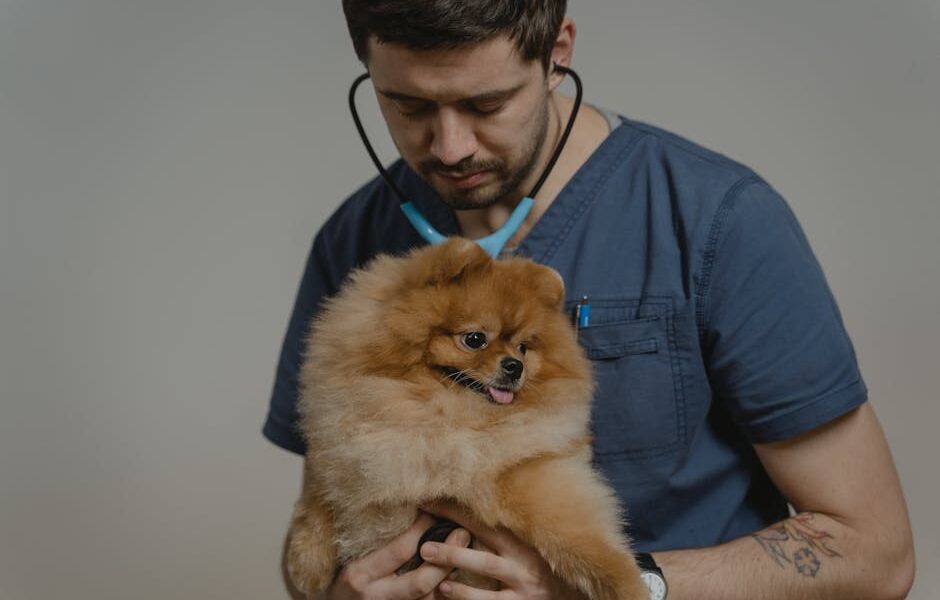
Not all forensic-veterinary work is necropsy. Living animals seized from cruelty environments — survivors of dogfighting busts, hoarding cases, abuse and neglect cases — also undergo forensic clinical examination. The examination documents body condition score, evidence of recent or remote injury, dental and dermatological findings, parasite burden, infectious-disease testing results, and behavioral observations.
The findings support both prosecution evidence and the rehabilitation pipeline. Receiving shelters integrate forensic clinical examination with their standard intake medical workup. The findings travel with the animal through the rehabilitation timeline; adopters of survivors often receive a summary of the forensic clinical findings as part of placement documentation.
Working with Prosecutors and Law Enforcement
Forensic-veterinary practitioners work as expert witnesses for prosecutors and, occasionally, as consulting experts for defense counsel. The role requires comfort with cross-examination, ability to explain technical findings in plain language for juries, and methodological transparency. Most practitioners are also trained in the basics of criminal procedure relevant to their work — search-warrant scope, evidence-admissibility standards, hearsay rules.
Training partnerships with the National Sheriffs’ Association, the International Association of Chiefs of Police, prosecutor associations, and the ALDF criminal-justice program have built the cross-disciplinary infrastructure that makes veterinary forensics effective in court. The HSUS Animal Crimes Program contributes to this training ecosystem as well, and joint trainings have substantially elevated the working knowledge of cruelty-evidence handling among front-line officers nationwide.
The Field’s Current Limits
Veterinary forensics has matured substantially, but limits remain. Most US jurisdictions do not have ready access to ACVAW-boarded specialists or to facilities with dedicated forensic-veterinary capacity. Many cruelty cases are evaluated by general-practice veterinarians who do their best with the methodology available but lack the specialty training that forensic work ideally requires.
Capacity-building investments from advocacy organizations, academic veterinary programs, and government funders are slowly closing the gap. The cumulative effect — more trained practitioners, more standardized methodology, more accessible specialty consultation — is moving the field toward broader practical availability.
How the Public Encounters Veterinary Forensics
Members of the public rarely interact directly with forensic-veterinary practitioners. The encounters that do happen are typically through a primary-care veterinarian who recognizes injury patterns inconsistent with the offered explanation and refers up the chain — to a forensic specialist, to local law enforcement, or to animal control. Adopters of cruelty-case rescue pets may receive forensic-clinical-examination documentation as part of placement materials.
For day-to-day advocates, the practical value of understanding veterinary forensics is that it grounds advocacy in the realities of how cruelty prosecutions actually proceed. Strong forensic capacity supports strong prosecutions; gaps in capacity translate into cases that cannot be charged or that fail at trial. Advocacy efforts that fund forensic-veterinary training, support veterinary-school welfare residencies, or contribute to dedicated facilities like the ASPCA Forensic Sciences Center have an outsized downstream effect on the cruelty cases that ultimately produce convictions.
Frequently Asked Questions
What is ACVAW?
The American College of Veterinary Animal Welfare — the AVMA-recognized veterinary specialty board for animal welfare. ACVAW certifies veterinarians as diplomates through a residency, examinations, publication requirements, and case-experience documentation.
Where is the ASPCA Forensic Sciences Center?
Florham Park, New Jersey. It is the most-developed dedicated veterinary-forensic facility in the United States, supporting cruelty prosecutions across the country with necropsy, pathology, expert testimony, and training.
What is chain of custody and why does it matter?
The documented record of who handled evidence, when, and how, from collection to court presentation. Forensic findings without an intact chain of custody have diminished legal weight; broken-chain evidence may be excluded from trial entirely.
Is veterinary forensics available everywhere in the United States?
No. Many jurisdictions lack ready access to ACVAW-boarded specialists or to dedicated forensic facilities. Capacity is slowly building through advocacy-organization investments, academic programs, and government funding.
Where do I find a forensic-veterinary referral?
The ASPCA Forensic Sciences Center accepts case referrals from law enforcement; ACVAW diplomates are listed through the AVMA specialty directory; the IVFSA maintains professional resources. This article is informational, not legal advice — consult an animal-law attorney through the ALDF directory for situation-specific guidance.


