
The Final-Weeks Window
For many families, there is a stretch of time — sometimes a few days, sometimes weeks, occasionally longer — when they recognize that the pet is approaching the end. The exact timing remains uncertain (it almost always does), but the trajectory becomes clear enough that the family can shift, gently, from primarily fighting the disease to primarily honoring the life. This article is about that window: what families have found meaningful, how to make decisions about how to spend the time, and how to do it without overburdening yourself or the pet.
In this article
- The Final-Weeks Window
- If You Are in Crisis Right Now
- Presence-Focused Care
- Bucket Lists, Done Gently
- Memory-Making During Life
- Conversations With Family
- Saying Goodbye
- Planning the Day of Euthanasia (If Applicable)
- Working With a Hospice Veterinarian
- Caring for Yourself in This Window
- Other Pets in the Household
- If Natural Death Is the Plan
- The Days Just Before and Just After
- Frequently Asked Questions
There is no requirement to make this period elaborate. Some families plan small bucket-list experiences; some focus on ordinary days, valued for their ordinariness; many do some mix. All are loving choices. The framing here is options, not prescriptions.
If You Are in Crisis Right Now
The final-weeks period can be emotionally overwhelming. Caregiver fatigue, anticipatory grief, and family stress can intersect with mental-health vulnerability. If you or someone in your household is in mental-health crisis, call or text 988 (US Suicide and Crisis Lifeline) — free, confidential, 24/7. International readers: contact your local crisis line. For pet-loss-specific support, the ASPCA Pet Loss Hotline (877-474-3310) offers free, confidential phone support during published hours. Anticipatory-grief support can be especially helpful during this stretch.
Presence-Focused Care
Across all the planning that follows, the most foundational principle is presence. For many pets in their final weeks, what they want most is the quiet familiarity of their family — your scent, your voice, your hand resting on their flank. They do not need elaborate experiences; they need you, the version of you they have always known, present in the ordinary moments.
This sometimes means letting go of ambitious bucket-list planning if your pet does not have the energy for it. A favorite walking trail visit is wonderful if your pet can enjoy it; if the trip itself would exhaust or stress them, a slow afternoon in their bed with you on the floor beside them is equally meaningful — perhaps more so. Read your pet, not your bucket list.
Bucket Lists, Done Gently
Many families find comfort in small bucket-list activities. The framing matters: a bucket list should serve the pet’s enjoyment first, not the family’s need for memorable photo opportunities. Activities that suit your pet’s actual energy, comfort, and preferences are the right ones; activities that would stress them are not.
Examples of gentle bucket-list ideas:
- A short visit to a favorite outdoor place — even if the pet can only be there briefly, the visit can be meaningful.
- A favorite food shared, with vet permission given their condition (some special foods are fine in hospice when dietary restrictions are no longer the primary concern; some still matter).
- A family gathering where everyone the pet loves is present, even quietly.
- Sunbathing in a favorite spot, with you nearby.
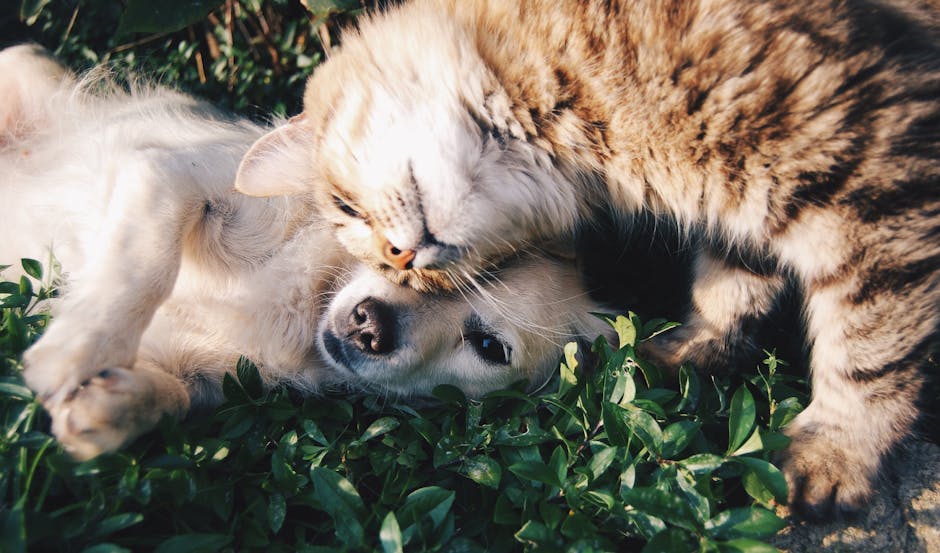
- Time with a beloved animal companion (dog friend, cat friend, family pet).
- A drive to a place that mattered, if the pet enjoys car rides.
- Gentle play with a favorite toy, at the pet’s pace.
None of these requires planning beyond noticing what your pet still enjoys and creating opportunities for those things. The bucket list is curated by the pet, not by the family’s imagination.
Memory-Making During Life
Many memorial practices are more meaningful when done while the pet is still alive. Photos and videos taken during the final weeks capture the pet as they are — sometimes slower or thinner than before, but still here, still themselves. Paw-print impressions in clay or ink, fur clippings, audio recordings of their voice or breath, written observations about their personality — all of these can be done now, with the pet’s living presence shaping the keepsake.
Photography in particular tends to feel meaningful. A professional pet-loss photography session during hospice care can produce images families treasure for years. Some hospice and in-home euthanasia services partner with photographers; some pet-loss photographers specialize in end-of-life sessions. Informal phone photography is also fully valid — many of the most meaningful photos are taken by family members in ordinary moments.
The paw-print and fur keepsake options article covers tactile keepsakes in detail. Many of these are more comfortable for the pet when done during life — clay impressions, ink prints on paper, fur clipped gently — than when done post-mortem. Doing them now also means you have them at home before the day of euthanasia or natural death arrives.
Conversations With Family
The final weeks are often when family members process what is coming together. Conversations about how each person is feeling, who wants to be present at euthanasia (if euthanasia is planned), how children will be included, what memorial practices the family wants, and how to handle the practical logistics of body aftercare can happen in this window with less pressure than they would have in an acute moment.
Different family members may have different needs. Some want explicit conversation; some want quiet presence. Some have practical questions (when, where, how, who); some have emotional ones (am I doing this right, am I being selfish, will I be able to handle the day). All of these are legitimate. A family conversation that holds space for both registers is worth the time.
For children, age-appropriate conversation matters at every developmental stage. Teens deserve direct, honest discussion about what is happening and what the family is choosing.
Saying Goodbye
For some families, explicit goodbye moments are deeply meaningful. A quiet evening sitting with the pet, telling them everything you want them to hear. A family circle where each person shares a memory. A letter written and read aloud to the pet. A walk in a favorite place where you talk to them as you walk.
Other families find structured goodbye moments difficult and prefer the goodbye to be diffused across the final weeks — a continuous presence rather than a single ceremonial moment. There is no wrong way. Some pets seem to respond to the explicit goodbye; some pets seem to want only the ordinary closeness. Read your pet, and trust your own sense of what feels right.
Planning the Day of Euthanasia (If Applicable)
If euthanasia is planned rather than natural death anticipated, the final-weeks window is also when many practical decisions can be made gently — without the pressure of an acute decline. Questions to think through:
- In-home or in-clinic? The in-clinic versus at-home euthanasia decision matrix covers the trade-offs. Consider your pet’s stress with transport, your home environment, family privacy, scheduling availability, and cost.
- Who will be present? Adults, children, other family members, other pets. Different families make different choices.
- What will the setting be? A favorite blanket, a specific room, candles or music, photographs nearby, or none of these — the choice is yours.
- What body aftercare? Communal cremation, private cremation, alkaline hydrolysis (aquamation), home burial where legal, body donation. The aftercare and cremation overview covers options.
- What keepsakes? Paw prints and fur clippings can be done in advance during life or at the time of the visit; ash inclusions, jewelry, urn selection can be planned now or after.
The day-of euthanasia article walks through what to expect during the procedure itself. Reading it in advance with the family can reduce anxiety about the unknown.
Working With a Hospice Veterinarian
If you have not already engaged a hospice veterinarian, the final-weeks window is a good time. Hospice vets — through Lap of Love, IAAHPC member directories, or independent local practitioners — can support the final stretch with pain management, symptom comfort, family education, and (where chosen) in-home euthanasia. The Lap of Love hospice network overview article covers the largest US network. The broader hospice care article covers the field generally.
Hospice support during the final weeks often makes the difference between a stretch of anxious symptom management and a stretch of meaningful presence. The hospice vet manages the medical edge so you can be the family.
Caring for Yourself in This Window
The final weeks ask a lot of you. Caregiver exhaustion is real; anticipatory grief is intense; the practical and emotional work is constant. Build supports now, not later. Anticipatory-grief literature covers this stretch in depth.
Practical self-care during the final weeks: prioritize sleep where you can, accept help from friends and family for non-pet tasks, eat regularly even if appetite is low, stay in contact with people who understand, lean on the ASPCA Pet Loss Hotline for evening voice contact, and consider whether an APLB-CPLP counselor might support you through and after the loss.
Other Pets in the Household
Other pets often sense the change. They may behave differently — quieter, closer, or sometimes withdrawn. Some animals visibly engage with the dying companion; some give space. Trust your pets’ instincts about what they need.
Some hospice frameworks suggest allowing other pets a moment with the body after euthanasia or natural death — for closure, depending on each animal’s likely response. Multi-pet grief frameworks cover grief and adjustment among surviving pets. Watch the surviving animals after the loss; they grieve too, and they often need extra patience and routine support in the weeks that follow.
If Natural Death Is the Plan
Some families choose natural-death hospice rather than euthanasia. This is a valid choice with a hospice veterinarian’s involvement to manage comfort during the trajectory. The hospice vet provides pain control, symptom management, and clear guidance about when the family should reassess. Some families set a tentative plan to transition to euthanasia if comfort cannot be maintained; some hold to natural death through the end. The hospice vet supports either trajectory.
Natural death is not always more peaceful than euthanasia and is not always less peaceful. What matters is comfort throughout. If symptoms become uncontrollable with hospice tools, the family and the vet can reassess in real time. The plan is not binding; it is the current best understanding.
The Days Just Before and Just After
In the very last days before the loss, many families simplify. Long walks become short walks; specific bucket-list plans give way to quiet hours; conversations become softer and more focused on the pet’s immediate comfort. This is not failure of planning. It is the right shape for the final stretch.
In the days immediately after, give yourself permission to be exhausted. The grief response after a long anticipatory phase often includes relief mixed with grief mixed with disorientation; this is normal. Lean on supports. Coping resources and broader grief frameworks cover the early-grief and longer-term landscape.
Frequently Asked Questions
How long do final weeks typically last?
There is no fixed length. Some families recognize a final-weeks window for a few days; some experience a much longer stretch. The trajectory depends on the pet’s condition, the hospice management plan, and whether euthanasia is planned for a specific date or whether the family is following the pet’s natural progression. Your hospice vet can offer a realistic sense of what to expect, with the caveat that timelines are always estimates.
Should we do a bucket list?
If it would serve your pet’s enjoyment and fit their energy, yes — gently. If it would stress your pet or exhaust the family without clear pet-side benefit, ordinary presence-focused days are equally meaningful, perhaps more so. Read your pet, not the bucket-list articles you may have seen elsewhere.
When should we do paw prints and fur clippings?
Many families find these more meaningful done during life rather than post-mortem. The pet is comfortable, you can pick a gentle moment, and you have the keepsakes at home before the final day. Most in-home euthanasia services also offer paw-print options at the visit if you prefer to wait, but pre-loss creation is often more peaceful.
How do we include children in the final weeks?
Honest, age-appropriate communication and inclusion in chosen activities works best. Children can be part of saying goodbye, contributing to memorial work, choosing photos, or simply spending quiet time with the pet. Age-specific approaches help adapt the conversation to preschool, school-age, tween, and teen developmental stages.
What if I am in mental-health crisis right now?
Call or text 988 (US Suicide and Crisis Lifeline) — free, confidential, 24/7. International readers: contact your local crisis line. The ASPCA Pet Loss Hotline (877-474-3310) offers pet-loss-specific support during published hours. The final-weeks period is intense; acute crises can arrive even in the middle of careful caregiving. The crisis lines are there for that.


