
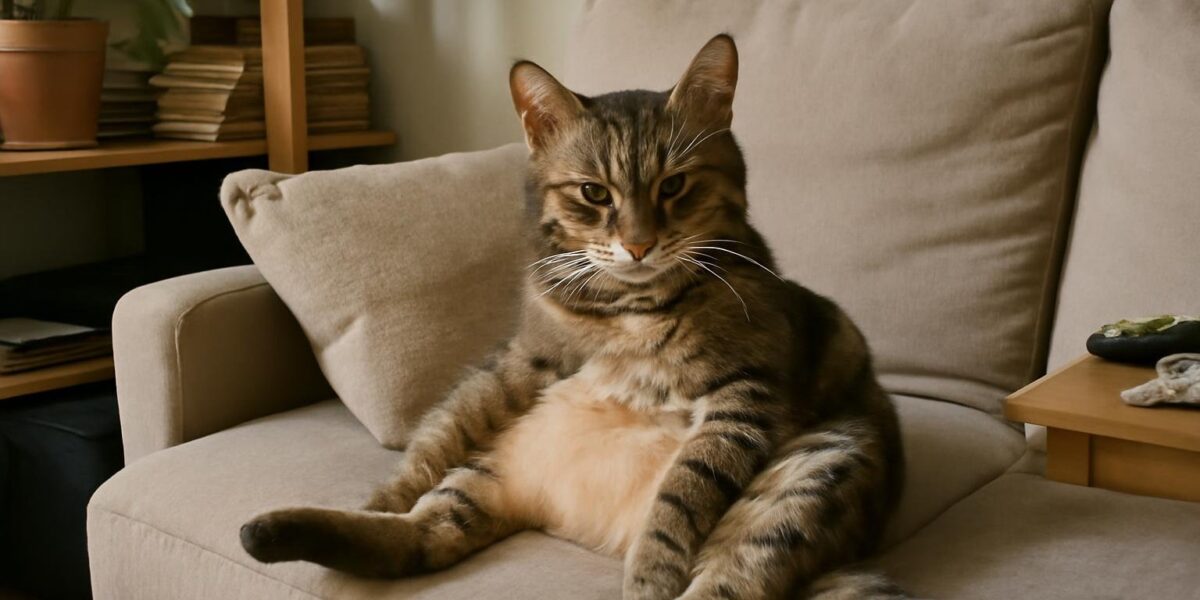
If your cat tolerates petting for a few seconds before walking off or swatting, and you are wondering “how do I get my cat to enjoy petting,” the encouraging answer is yes, you can build a cat who leans into your hand, as long as you let her set the pace and pair touch with rewards. Cats are individuals when it comes to handling, and the path to happy petting runs through consent, good timing, and the right spots, never through holding her down or pushing past her limits. The whole approach is gentle and cat-led, which is exactly why it works.
In this article
Some cats are born cuddlers; others were not handled much as kittens and need to learn that human touch is safe and pleasant. Wherever your cat starts, you can usually expand her comfort with patience. The reward is a closer bond and a cat who actively seeks out your affection instead of merely putting up with it.
One of the most freeing things to accept is that cats vary enormously in how much petting they want, just as people vary in how much they like to be hugged. A cat who enjoys two minutes of chin scratches and then wanders off is not broken or unloving; she is simply telling you her preference. Your goal is not to turn every cat into a lap cat but to make whatever touch she does accept genuinely pleasant, so that her comfort zone can gently widen over time. Working with her natural tendencies, rather than against them, is what builds lasting trust.
Why Some Cats Dislike Being Petted
Understanding the resistance makes it far easier to fix. A cat who shies from petting is usually responding to one or more of these:
- Limited early handling. Cats not gently touched during their kitten socialization window often stay wary of hands.
- Overstimulation. Many cats enjoy touch only up to a threshold, after which petting becomes irritating and they pull away or swat.
- Wrong location. Most cats love the cheeks and chin but dislike having their belly, paws, or tail base touched.
- Lack of choice. Being picked up or held for petting removes the cat’s control and raises anxiety.
- Pain. A cat with arthritis or a sore spot may flinch from contact in that area.
Reading her signals is essential, and our cat body language guide explains the cues, like a relaxed posture and slow blinks versus a twitching tail and rippling skin, that tell you whether she is enjoying the moment or asking you to stop.
Pet the Right Spots
Location matters enormously. Cats have scent glands on their faces and generally welcome touch there because rubbing those areas is how they mark and bond. Focus your affection on:
- The cheeks, just behind the whiskers.
- Under the chin, a near-universal favorite.
- The base of the ears and along the top of the head.
- Gentle strokes along the back, for cats who enjoy it.
Approach with caution or avoid entirely:
- The belly, a vulnerable area that triggers defensive reactions in most cats even when they roll over to show it.
- The base of the tail, paws, and legs, which many cats find irritating.
Sticking to the welcome zones makes every session more pleasant and builds trust faster.
Use the Consent Test
The single best technique for happy petting is to let your cat opt in repeatedly. This consent-based method keeps you on the right side of her comfort threshold.
- Offer your hand. Extend a finger at her nose level and let her sniff and decide. If she rubs against it, she is inviting contact.
- Pet a few strokes, focusing on the cheeks or chin.
- Pause and remove your hand. If she leans in, head-butts, or nudges for more, continue. If she stays still, sniffs elsewhere, or walks off, stop.
- Repeat the check often. Every few strokes, pause and let her tell you whether to keep going.
By always giving her the choice, you teach her that petting is safe and that she is in control, which paradoxically makes her want more of it. Cats who feel they can end an interaction at any moment tend to seek out more affection over time, precisely because they never feel trapped or overwhelmed. The owner who respects the cat’s “no” earns far more enthusiastic “yeses” down the road. This is the heart of cooperative care: you are not extracting tolerance from your cat but building genuine, willing enjoyment.
Pair Petting With Rewards and Good Timing
You can actively build positive associations by linking touch to things your cat already loves. Offer a lick of a treat or a favorite snack while you gently stroke her cheek, so petting predicts good things. Keep these sessions short and end on a high note, before she reaches her limit.
Timing matters too. A relaxed, slightly sleepy cat lounging near you is far more receptive than one in play mode or on alert. Approach when she is calm, and never interrupt deep sleep with handling. Watching her overall stress level helps as well; a tense or anxious cat will not enjoy touch, and our guide to recognizing cat stress signs helps you tell when to give her space instead.
Build a Calm, Trusting Relationship Outside of Petting
A cat enjoys touch most when she already feels safe and bonded with you, so much of the work happens outside of petting sessions. Spending relaxed, low-pressure time together teaches your cat that you are a source of comfort, which makes her far more receptive when you do reach out to stroke her.
Several everyday habits deepen that trust:
- Let her approach you rather than always going to her, so she feels in control of the relationship.
- Play together daily with a wand toy, which builds positive feelings and burns off tension that can make a cat touch-averse.
- Keep a predictable routine for meals and quiet time, because cats relax around reliability.
- Offer slow blinks across the room, a friendly signal that reassures her you mean no harm.
For a cat who shies away from being touched and from your presence in general, gentle confidence-building helps everything, including petting. Our guide on how to help a shy rescue cat covers trust-building techniques that pair perfectly with the consent-based petting approach above. A cat who trusts you is a cat who learns to love your hands.
Common Mistakes to Avoid
- Petting past her limit. Ignoring the early warning signs leads to swats and teaches her that touch ends badly.
- Going for the belly. A rolling cat is showing trust, not requesting a belly rub.
- Restraining her for affection. Holding a cat in place to pet her removes choice and breeds resentment.
- Approaching from above. A hand swooping down can feel threatening. Offer it low and let her come to you.
- Forcing it on a fearful cat. Flooding a nervous cat with handling backfires. Go slow and let trust build first.
A Realistic Timeline and When to Get Help
Many cats respond to consent-based petting within a couple of weeks, leaning in for more and tolerating longer sessions. Cats with little early handling or a fearful history may take a month or more of patient, no-pressure work. The trajectory is what matters: small, steady gains in how long and how willingly she accepts touch. Resist the temptation to test her limits just to see how much she will allow, because pushing past her comfort even once can erase days of progress. Instead, always leave her wanting a little more, ending each session while she is still relaxed and happy so that touch keeps building positive associations.
If your cat suddenly starts disliking petting she used to enjoy, especially in a specific area, see your veterinarian, since pain from arthritis, dental disease, or skin conditions can make touch uncomfortable. For deeply fearful or aggressive cats, a certified feline behaviorist can guide a gradual desensitization plan. With patience, consent, and rewards, most cats learn that your hands mean comfort and affection.
Frequently Asked Questions
Where do cats most like to be petted?
Most cats love their cheeks, under the chin, and the base of the ears, where their scent glands are. Avoid the belly, tail base, and paws unless your cat clearly invites it.
Why does my cat bite me while I’m petting her?
That is usually overstimulation. She enjoyed it up to a threshold, then it became too much. Use the consent test and stop before she reaches her limit.
How do I know when my cat has had enough?
Watch for a twitching or thumping tail, flattened ears, rippling skin, or her turning toward your hand. These mean stop. A relaxed body and slow blinks mean she is happy.
Can a cat that hates petting learn to enjoy it?
Often yes. With consent-based handling, the right spots, treats, and patience, many touch-averse cats gradually warm up. Go slow and never force contact.
My cat used to love petting and now flinches. Should I worry?
A sudden change can signal pain or illness, especially if she reacts in one specific area. Have your veterinarian examine her before assuming it is behavioral.


