
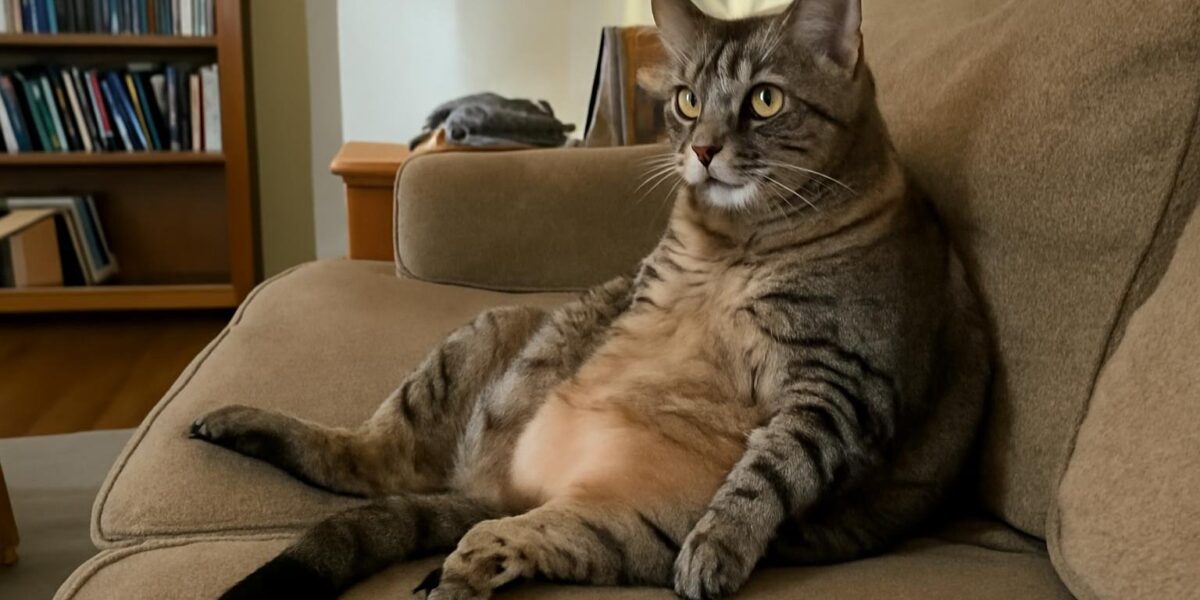
If you have been asking how do I get my cat to like cuddles, the heartening answer is that many cats can become more affectionate over time when you build trust, respect their boundaries, and let closeness happen on their terms. The most important principle is that you never force cuddles on a cat. Holding a struggling cat or chasing them for affection teaches them to avoid you, which is the opposite of what you want. Instead, you create an environment where being near you feels safe and rewarding, and you let your cat choose to come closer. Some cats blossom into lap-loving companions; others show love in quieter ways, and both are wonderful. With patience and gentle bonding, most cats grow more cuddly than they once were.
In this article
- Why Some Cats Don’t Like Cuddles
- Step One: Build Trust and Safety First
- Step Two: Make Petting Pleasant and Predictable
- Step Three: Invite Closeness Without Forcing It
- Recognizing the Many Ways Cats Show Affection
- Common Mistakes to Avoid
- A Realistic Timeline and When to Get Help
- Frequently Asked Questions
It helps to redefine what success looks like. Affection in cats comes in many forms, from sitting nearby to slow blinks to head bumps, not just full-body snuggles. By honoring how your individual cat shows love and gently inviting more closeness, you build a genuine bond rather than a forced one. This trust-first approach is the foundation of every warm relationship with a cat.
Why Some Cats Don’t Like Cuddles
Cats are independent by nature, and their comfort with physical affection varies enormously based on personality, history, and early experiences. A cat who shies from cuddles is usually not unloving; they simply express and receive affection differently.
Common reasons a cat avoids cuddling include:
- Temperament. Some cats are naturally more independent and prefer companionship without close contact.
- Limited early handling. Cats not gently socialized to people as kittens often find close contact uncomfortable.
- Past experiences. A rescue cat or one with a rough history may need extra time to trust touch.
- Feeling trapped. Cats dislike restraint, so being held tightly can feel threatening.
- Overstimulation. Too much petting can overwhelm a cat, leading them to avoid contact.
- Lack of trust. A newer or shy cat needs to feel safe before welcoming closeness.
Understanding your cat’s reasons lets you meet them where they are. A shy rescue needs time and patience, while an independent cat may simply prefer to sit beside you rather than on you. Both can grow more affectionate with the right approach.
Step One: Build Trust and Safety First
Affection grows from security, so the foundation of cuddles is a cat who feels completely safe with you. Rushing past this step is the most common reason cuddle attempts fail.
Build trust gradually:
- Let your cat set the pace. Allow them to approach you rather than pursuing them for attention.
- Spend calm time together reading or relaxing nearby so your presence becomes comforting.
- Use treats and play to create positive associations with being close to you.
- Offer slow blinks, a feline gesture of trust, and watch for your cat to slow-blink back.
- Respect their space when they retreat, which paradoxically makes them more likely to seek you out.
For shy or newly adopted cats, this trust-building phase is especially important. Our guide to helping a shy rescue cat settle in offers a detailed roadmap for earning a cautious cat’s confidence.
Step Two: Make Petting Pleasant and Predictable
Before a cat will cuddle, they need to genuinely enjoy being touched. Learning where and how your cat likes to be petted turns contact into something they actively seek.
Pet in ways cats love:
- Focus on favorite spots like the cheeks, chin, and base of the ears, where most cats enjoy attention.
- Avoid sensitive areas such as the belly and base of the tail unless your cat clearly invites it.
- Keep sessions short and stop before your cat gets overstimulated, ending on a positive note.
- Watch body language for signs of enjoyment, like purring and leaning in, versus signs of “enough,” like a twitching tail.
Reading these signals is essential, so spend time with our cat body language guide. When petting consistently feels good and never overwhelming, your cat begins to associate physical contact with pleasure, which is the bridge to cuddling. Recognizing tension early, using our cat stress signs guide, lets you stop before your cat feels overwhelmed.
Step Three: Invite Closeness Without Forcing It
Once your cat trusts you and enjoys petting, you can gently encourage cuddling, always leaving the choice to them. The goal is to make snuggling so pleasant that your cat opts in.
Encourage cuddles the right way:
- Create a cozy invitation by sitting under a warm blanket and letting your cat decide to join you.
- Reward closeness with gentle praise and treats when your cat sits in your lap or beside you.
- Keep early cuddles brief and let your cat leave freely, so they never feel trapped.
- Use warmth and comfort, since cats are drawn to cozy, warm spots; a heated bed near you can help.
- Never restrain or chase, which would undo your hard-won trust.
Some cats prefer to cuddle on their own schedule, often when you are still and relaxed. By letting your cat come and go freely, you make your lap a place of safety they return to willingly.
Recognizing the Many Ways Cats Show Affection
Part of helping your cat like cuddles is learning to notice and appreciate the affection they already offer, because rewarding those small gestures encourages more. Cats have a rich vocabulary of love that goes well beyond sitting in your lap, and tuning into it deepens your bond.
Watch for these feline signs of affection:
- Slow blinks. A slow, soft blink is a cat’s version of a kiss. Return it gently to tell your cat you feel safe with them too.
- Head bumps and cheek rubs. When your cat bumps you or rubs their face on you, they are marking you as family and sharing their scent.
- Kneading. The rhythmic pressing of paws, often with purring, is a deeply content, affectionate behavior carried over from kittenhood.
- Following you around. A cat who shadows you from room to room is choosing your company, a clear sign of attachment.
- Sleeping nearby. Cats only sleep where they feel completely safe, so a cat napping near you is paying you a great compliment.
- Showing their belly. A cat who rolls over near you is displaying trust, though it is usually an invitation to admire, not always to touch.
When you respond warmly to these gestures, with a slow blink back, a soft word, or a treat, you reinforce the connection and make your cat more likely to seek closeness. Many cats gradually expand their affection from these subtle signals toward fuller contact once they feel consistently understood and respected. Honoring your cat’s existing love language is one of the surest paths to more cuddles down the road.
Common Mistakes to Avoid
A few well-meaning habits can push a cat away, so avoid these:
- Forcing or holding a struggling cat. This teaches them that being near you means being trapped.
- Chasing your cat for affection. Pursuit makes cats avoid you. Let them come to you instead.
- Ignoring “stop” signals. Petting past the point of enjoyment leads to avoidance or a nip.
- Comparing to other cats. Every cat is different; honor your cat’s unique affection style.
- Expecting fast results. Trust and affection build slowly, especially with shy or rescued cats.
A Realistic Timeline and When to Get Help
How quickly a cat becomes cuddlier depends on their personality and history. A confident, well-socialized cat may warm up within weeks, while a shy or formerly stray cat can take many months of patient trust-building. The pace is entirely individual, so measure progress by small wins, like a slow blink, a head bump, or a few minutes on your lap, rather than a strict timeline.
Stay patient and let your cat lead. Pushing for more than your cat is ready to give will slow you down, while respecting their boundaries steadily deepens the bond. Even an independent cat who never becomes a lap cat can show deep affection in their own way.
Consult your veterinarian if your cat suddenly avoids touch they once enjoyed, flinches when handled, or shows other changes, as pain or illness can cause cats to shun contact. A health issue should always be ruled out when affection levels change abruptly. For cats with deep fear of handling, often from a difficult past, a certified feline behaviorist can guide a gentle desensitization plan that builds comfort safely.
Frequently Asked Questions
Can a non-cuddly cat learn to like cuddles?
Many cats become more affectionate over time with trust-building, positive petting, and no pressure. That said, some cats are naturally independent and show love in other ways. Focus on building a bond rather than forcing snuggles, and let your cat’s personality guide your expectations.
How long does it take for a cat to want cuddles?
It varies widely. A confident cat may warm up in weeks, while a shy or rescued cat can take several months. Progress shows in small signs like slow blinks, head bumps, and sitting nearby. Patience and respecting your cat’s pace are key.
Where do cats like to be petted?
Most cats enjoy gentle attention on the cheeks, chin, and the base of the ears. Many dislike having their belly or the base of the tail touched. Watch your cat’s body language and focus on the spots they clearly enjoy.
Why does my cat suddenly avoid being touched?
A sudden change in a cat who once enjoyed contact can signal pain, illness, or stress. If your cat flinches or shuns touch they used to like, consult your veterinarian to rule out a medical cause before assuming it is behavioral.
Is it bad that my cat shows love without cuddling?
Not at all. Cats express affection in many ways, including slow blinks, head bumps, following you around, and sitting nearby. These are genuine signs of love. A cat who bonds with you without cuddling still has a deep, meaningful attachment.


