
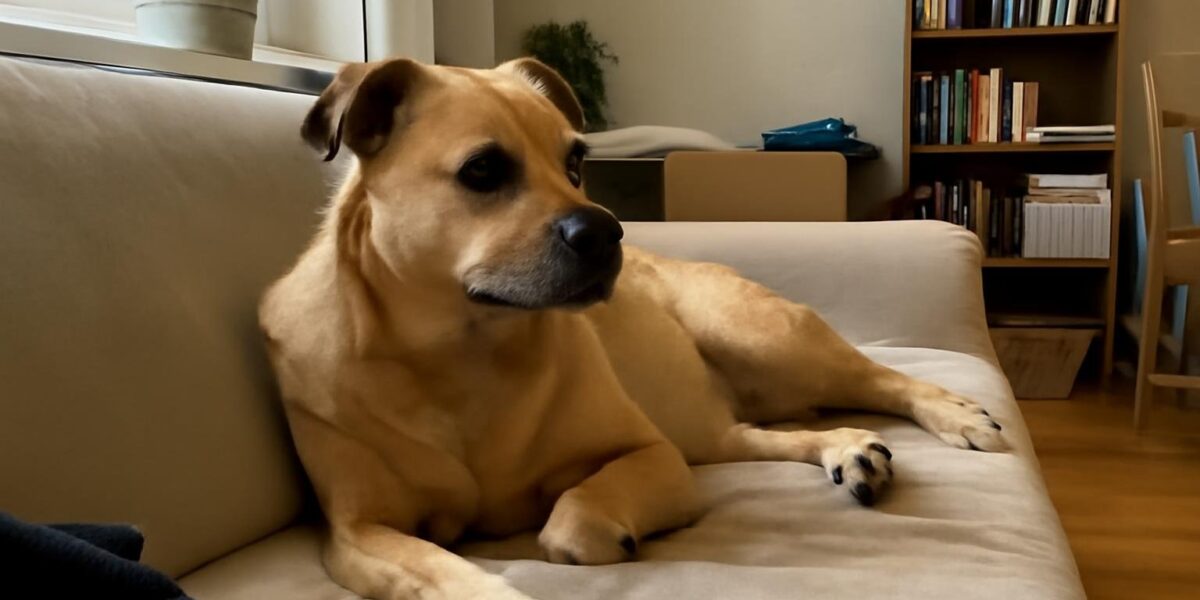
If your dog plants his feet at the car door or drools the whole ride, you may be wondering how do I get my dog to like car rides, and the reassuring answer is that you can turn the car into a happy place with patience and rewards. Many dogs dislike car travel because of motion sickness, a scary first trip, or the fact that every ride seems to end somewhere stressful. By rebuilding the experience in small, positive steps, you can help your dog hop in willingly and ride calmly.
In this article
Why Dogs Dislike Car Rides
There are usually two overlapping reasons a dog resists the car. The first is physical: puppies and many adult dogs get genuine motion sickness, with nausea, drooling, and vomiting that make the whole experience miserable. The second is emotional: if the only car trips a dog takes lead to the vet or the groomer, the car becomes a predictor of stress.
The car is also a strange environment, with unfamiliar movement, vibration, and noise. A dog who has never built a positive history with it may simply feel unsafe. The buildup of dread can start the moment you grab your keys.
Watch for early signs of distress like drooling, lip licking, whining, panting, and trembling. These tell you your dog is over threshold, and recognizing them, much like the cues in our dog body language guide, lets you slow the process down before fear or nausea takes over.
Tackling Motion Sickness First
If your dog feels physically sick, no amount of training will make car rides fun until you address the nausea. A few practical steps help a great deal.
- Travel on an empty or lightly fed stomach; wait a couple of hours after meals.
- Use a crate or a crash-tested harness so your dog faces forward and stays stable.
- Crack a window for fresh air and keep the car cool.
- Take short, smooth routes and avoid winding roads at first.
If sickness persists, talk to your vet. Safe anti-nausea medications exist specifically for dogs and can be a game changer, letting your dog learn that the car no longer makes them feel ill. Never give human motion-sickness drugs without veterinary guidance.
The Step-by-Step Desensitization Plan
Once nausea is managed, rebuild your dog’s emotional response to the car gradually. Keep sessions short and end before your dog gets stressed.
- Reward near the car. Feed treats beside the parked, switched-off car until your dog is relaxed there.
- Get in, no driving. Lure your dog into the car, treat, and let them hop out. Repeat until they jump in happily.
- Engine on, still parked. Sit together with the engine running, treating calmly, then turn it off.
- Tiny trips. Drive to the end of the driveway or around the block, then return and reward.
- Fun destinations. Drive to a park, a friend’s house, or a trail so the car predicts good things, not just the vet.
- Build duration. Slowly extend trip length as your dog stays comfortable.
Because car fear and general nervousness often go together, the broader relaxation techniques in our guide to calming a nervous dog support this plan well, helping your dog stay settled both before and during travel.
Making the Car a Comfortable Space
Beyond the training steps, the physical setup of the car has a big impact on how your dog feels. A space that is stable, familiar, and pleasant gives your dog far less to worry about on every trip.
- Bring a familiar blanket or bed so the back seat smells like home and feels cushioned.
- Add a favorite chew or a stuffed toy reserved for car trips to give your dog something positive to do.
- Keep the temperature comfortable and play soft, calming music to mask startling road noise.
- Use window shades if bright, fast-moving scenery seems to overwhelm or overstimulate your dog.
A snug crate is especially reassuring for many dogs, since the enclosed space feels den-like and limits the dizzying movement of passing scenery. If your dog already loves their crate at home, bringing that same crate into the car carries the safe feeling along with it. For dogs who are nervous about confinement in general, our guide on how to crate train a puppy shows how to build that comfort first, which then transfers neatly to car travel.
Consistency in where your dog rides also helps. Using the same spot every trip, whether a secured crate or a buckled harness in the same seat, creates a predictable routine, and predictability is deeply calming for an anxious dog.
Common Mistakes to Avoid
The most common mistake is making the first real trips long or stressful, often straight to the vet, which cements the car as a bad place. Forcing a frightened dog into the car, lifting a struggling dog inside, or skipping the gradual buildup all backfire.
Feeding right before a ride, leaving the car too hot, or letting a loose dog slide around without a harness also makes things worse. And do not forget the treats; rewarding throughout keeps your dog under threshold rather than just enduring the ride.
Never leave your dog alone in a parked car, especially in warm weather, as temperatures rise dangerously fast and this is a safety issue separate from training.
Realistic Timeline and When to Seek Help
A dog with mild reluctance may enjoy short rides within a week or two of practice. A dog with motion sickness plus real fear can take a month or more, and that slower pace is normal and worthwhile. Building positive trips one at a time creates lasting comfort.
If your dog panics, snaps, or completely shuts down around the car despite a careful plan, or if motion sickness continues, work with your vet and a certified positive-reinforcement trainer. Severe travel phobia sometimes needs a combined medication and behavior approach to resolve safely.
Keep your expectations realistic and kind. Some dogs go from dreading the car to happily leaping in within a few weeks, while others need a whole season of short, positive trips to truly relax. Either way, the effort is worth it, because a dog who enjoys car rides can join you for trips to the park, the trail, and weekend adventures rather than being left at home. Every calm trip you bank brings that freedom closer.
Safety Essentials for Every Trip
A dog who feels safe is a dog who can relax, and proper restraint is the foundation of both safety and calm. An unsecured dog can be thrown in a sudden stop, distract the driver, or bolt out an open door, so securing your dog is never optional.
The two best options are a crash-tested harness that buckles into the seatbelt or a sturdy, well-ventilated crate anchored in place. Both keep your dog from sliding around, which also reduces motion sickness, and both protect your dog in the event of an accident. Avoid letting your dog ride loose, sit in your lap, or hang their whole body out the window, however much they seem to enjoy it.
Keep the climate comfortable and never leave your dog alone in a parked car. On a warm day the interior can reach dangerous temperatures within minutes, even with the windows cracked, and this is a genuine emergency risk rather than a training concern. Plan trips so your dog is never left waiting in the vehicle.
Pack a small travel kit for longer journeys, including water, a bowl, waste bags, and any medication your dog needs. Frequent breaks on long drives let your dog stretch, relieve themselves, and reset, which keeps the whole trip pleasant and helps prevent the buildup of stress or nausea.
Before you ever set off, make sure your dog is wearing identification with current contact details, ideally a tag plus a registered microchip. In the rare event of an accident or an escape at a rest stop, proper identification dramatically improves the odds of a quick reunion. A frightened dog can bolt in an unfamiliar place, so a secure leash before any door opens is essential, and clipping the leash on before you unbuckle the harness prevents a dash into traffic. These small habits keep travel safe so that the positive associations you have worked to build are never undone by a scary incident.
Frequently Asked Questions
Why does my dog drool so much in the car?
Excessive drooling is usually a sign of motion sickness or anxiety. Try traveling on an empty stomach, keeping the car cool with fresh air, and talk to your vet about anti-nausea medication.
Should my dog ride in a crate or a harness?
Both are safe options. A secured crate or a crash-tested seatbelt harness keeps your dog stable and protected, which also reduces nausea by limiting how much they get tossed around.
How do I stop my dog associating the car only with the vet?
Take frequent short trips to fun places like parks and trails so the car predicts good experiences. Mix these in often so vet trips become the rare exception, not the rule.
Can puppies grow out of car sickness?
Many puppies do outgrow motion sickness as their inner ear matures, often by around one year of age. Until then, manage the nausea and build positive associations so the fear does not linger.
My dog refuses to get in the car at all. What should I do?
Back up to rewarding your dog near the parked car, then for stepping in, without ever forcing them. If fear is severe, a certified trainer can help you rebuild the routine safely.


