
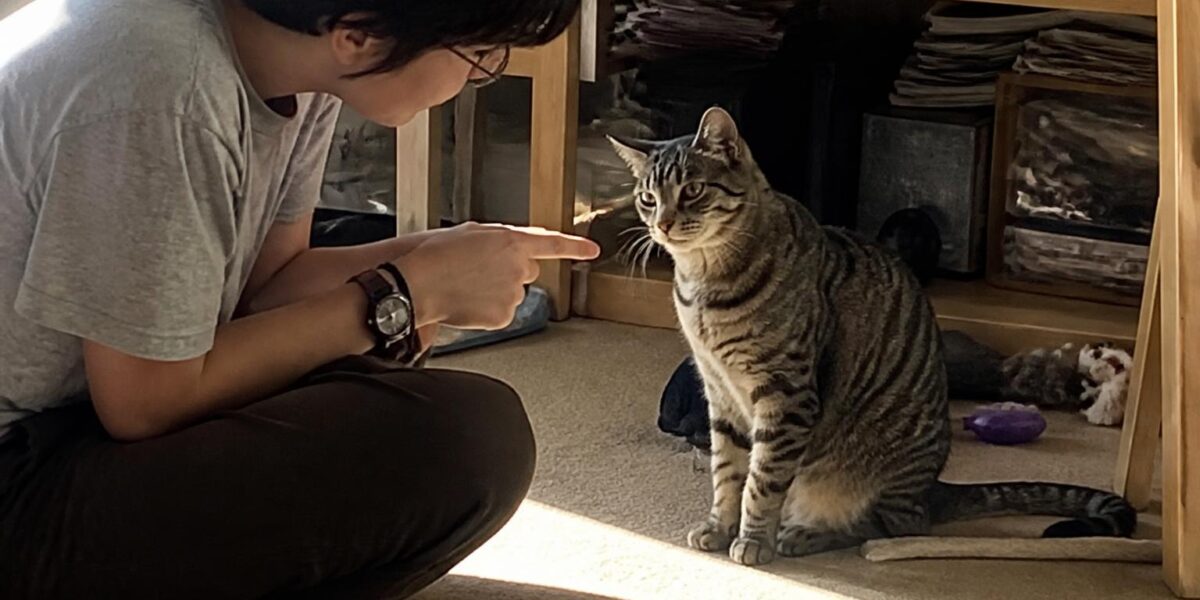
Why Cats Are So Particular About Food
If you share your home with a picky eater cat, you’re in good company. Cats are famously selective, and there are real biological reasons behind it. They’re driven by smell, texture, temperature, and routine, and they tend to be neophobic, meaning they’re naturally suspicious of unfamiliar foods. A cat who turns up their nose isn’t being difficult on purpose; they’re responding to instincts that once kept them alive in the wild.
In this article
- Why Cats Are So Particular About Food
- Rule Out Medical Causes First — This Is Urgent in Cats
- Understand Texture and Temperature Preferences
- Consider the Bowl, Location, and Whisker Fatigue
- Use Routine and Gradual Change
- Don’t Accidentally Create a Fussier Eater
- When to Stop Experimenting and Call the Vet
- Frequently Asked Questions
That said, there’s a critical difference between a cat who is choosy and a cat who has stopped eating. A genuinely fussy cat samples, leaves some, and stays bright and active at a healthy weight. A cat who suddenly goes off food is a medical emergency in waiting, and that distinction shapes everything in this guide.
Before you try any palatability trick on a picky eater cat, you have to be certain you’re dealing with preference and not illness, because in cats the stakes are uniquely high.
It’s also worth understanding that many cats form their food preferences early in life. Kittens often imprint on the textures and types of food they encountered first, which is part of why an adult cat can be so resistant to anything outside their familiar repertoire. A cat who was raised exclusively on dry kibble may flatly reject wet food, and vice versa. This early imprinting is normal and not a flaw, but it explains why patience and gradual exposure matter so much more with cats than with most dogs.
Rule Out Medical Causes First — This Is Urgent in Cats
A cat going off food is never something to wait out. Cats who stop eating, even for a day or two, are at risk of hepatic lipidosis, a serious and potentially life-threatening liver condition that can develop quickly when a cat doesn’t take in enough calories. Overweight cats are especially vulnerable. This is the single most important reason to treat sudden appetite loss as a veterinary problem, not a feeding challenge.
Sudden pickiness in a cat can signal dental disease, nausea, kidney issues, an upset stomach, pain, or many other problems. Watch for hiding, drooling, vomiting, weight loss, drinking changes, lethargy, or bad breath. Any of those alongside reduced eating means a vet visit now.
The firm rule to remember: never let a cat go without eating for more than 24 to 48 hours. If your cat refuses food that long, or refuses it alongside any other symptom, call your veterinarian rather than experimenting at home. When the issue is genuine appetite loss rather than fussiness, the approaches in our guide to feeding a cat that refuses to eat apply, ideally under your vet’s direction.
Understand Texture and Temperature Preferences
Once illness is ruled out, you can work with your cat’s nature instead of against it. Cats form strong, early preferences for the texture and temperature of food, and these are often the make-or-break factors for a picky eater cat.
- Temperature: Cats generally prefer food at roughly body or “fresh kill” temperature. Gently warming wet food releases aroma and often restarts interest. Test it so it’s warm, never hot, and never microwave to hot spots.
- Texture: Some cats are devoted to pâté, others to chunks in gravy, shreds, or mousse. If your cat snubs a food, the texture may be the issue more than the flavor.
- Aroma: Smell drives a cat’s appetite more than taste. Stronger-smelling foods, like certain fish or warmed meals, can entice a reluctant eater.
- Freshness: Cats reject stale or oxidized food fast. Serve fresh, store properly, and don’t leave wet food sitting out for hours.
Offering some variety in texture early in life can help prevent a cat from becoming rigidly fixated on a single form, which is worth keeping in mind for younger cats.
Cats also use their sense of smell far more than taste to evaluate food, which is why a stuffy nose from an upper respiratory infection can knock out a cat’s appetite almost completely; they simply can’t smell their dinner. If your cat suddenly seems uninterested and is also sneezing or congested, that’s a medical issue affecting appetite, not pickiness. Warming food becomes especially helpful in these cases because it amplifies aroma a cat with a dulled sense of smell can still detect.
Consider the Bowl, Location, and Whisker Fatigue
Sometimes the food isn’t the problem at all. Cats are sensitive to where and how they eat, and small environmental tweaks can turn a reluctant eater around.
“Whisker fatigue” describes the discomfort some cats feel when their sensitive whiskers brush the sides of a deep, narrow bowl with every bite. A wide, shallow dish or a flat plate lets them eat without that irritation, and for some cats it makes a noticeable difference.
Location matters too. Cats prefer to eat somewhere calm, private, and safe, away from their litter box, loud appliances, foot traffic, and the bowls of other pets. A cat who feels watched, crowded, or startled may simply leave. Give your picky eater cat a quiet, predictable spot and you remove a hidden source of refusal.
Also check that the bowl is clean and the food isn’t sitting next to water in a way your cat dislikes; many cats prefer their water some distance from their food.
The bowl material can matter too. Some cats develop an aversion to plastic bowls, which can hold odors and, in a few cats, contribute to chin irritation. Stainless steel, ceramic, or glass dishes avoid that problem and are easier to keep truly clean. And in a multi-cat or multi-pet home, a cat who feels they have to compete or eat under the watchful eye of another animal may simply walk away. Giving each cat their own dish in their own space, sometimes up high where they feel secure, can resolve apparent fussiness that’s really about feeling safe enough to eat.
Use Routine and Gradual Change
Cats thrive on predictability, and routine supports a healthy appetite. Feed at consistent times in the same calm spot so meals become a reliable, low-stress part of the day. Sudden upheaval, new pets, schedule changes, or stress can all dampen a cat’s interest in food.
When you do need to change foods, go slowly. An abrupt switch can trigger refusal in a neophobic cat and upset their stomach. A careful food transition over about 7 to 10 days, mixing increasing amounts of the new food into the old, gives your cat time to accept it. For an especially suspicious cat, go even slower.
It also helps to understand what your cat actually needs nutritionally. Because cats are obligate carnivores with very different requirements from dogs, never try to fix feline pickiness with a dog’s food. Our overview of the key differences between cat and dog nutrition explains why a cat’s diet must center on animal protein, taurine, and moisture.
Don’t Accidentally Create a Fussier Eater
Just like with dogs, the way you respond to refusal can shape your cat’s behavior. If every snubbed bowl is immediately replaced with something tastier, a clever cat quickly learns that holding out produces an upgrade. Over time you can train a mildly choosy cat into a deeply fussy one.
The catch is that you can’t use the same “wait them out” approach you might with a dog, because a cat genuinely refusing food for too long is dangerous. So the balance is delicate: offer appealing, appropriate food consistently, make reasonable use of warming and texture, but don’t spiral into endless menu changes, and never let principle override the 24-to-48-hour rule.
Aim for steady, sensible meals your cat reliably accepts. If your cat is eating well but simply has firm preferences, work within those rather than constantly chasing novelty that may make them pickier.
One practical safeguard against creating a fussier eater is to keep your cat accustomed to more than one acceptable food while they’re healthy. A cat who will only ever eat a single flavor of a single brand puts you in a difficult spot if that product is reformulated, discontinued, or recalled, or if your vet later needs to switch them to a therapeutic diet. Periodically rotating among a couple of appropriate foods your cat tolerates, introduced gradually, builds in flexibility without encouraging holdout behavior. Just don’t mistake this for endless menu-chasing in response to refusal, which is the habit to avoid.
When to Stop Experimenting and Call the Vet
The line is clear. A picky eater cat who is eating enough, maintaining weight, and acting normally can be managed with the strategies above. A cat who is eating little or nothing, losing weight, hiding, vomiting, or otherwise unwell needs veterinary care, and a cat who hasn’t eaten in 24 to 48 hours needs it promptly.
If your cat is recovering from illness or simply won’t eat despite your best efforts, your vet may recommend appetite stimulants, a highly palatable recovery diet, or other support. The techniques in encouraging a sick pet to eat can help, but with cats especially, lean on professional guidance early rather than late.
When in doubt, err on the side of caution. With cats, time spent not eating is the danger, so it’s always better to call your veterinarian sooner.
Frequently Asked Questions
How long can my cat safely refuse food before it’s an emergency?
Don’t let a cat go without eating for more than 24 to 48 hours. Cats that stop eating risk hepatic lipidosis, a serious liver condition. If your cat hasn’t eaten in that window, or refuses food with any other symptoms, contact your vet promptly.
My cat used to love a food and now won’t touch it — what happened?
Sudden refusal of a previously loved food can signal a medical problem like dental pain or nausea, so rule that out first. It can also reflect a stale batch, a formula or texture change, stress, or simple feline fussiness. If anything seems off about your cat, see your vet.
Will warming my cat’s food really help?
Often, yes. Cats are driven by aroma, and gentle warming to about body temperature releases smell and frequently restarts interest. Warm it, never make it hot, and never serve food with hot spots from microwaving.
What is whisker fatigue and could it make my cat picky?
Whisker fatigue is discomfort some cats feel when their whiskers repeatedly touch the sides of a deep, narrow bowl. Switching to a wide, shallow dish lets them eat without that irritation and sometimes resolves apparent pickiness.
Should I keep buying new foods until my cat finds one they like?
Constantly swapping foods can make a cat fussier by teaching them to hold out for something better, and abrupt changes can upset their stomach. Once illness is ruled out, settle on appealing, appropriate options, transition slowly, and keep meals consistent.


