
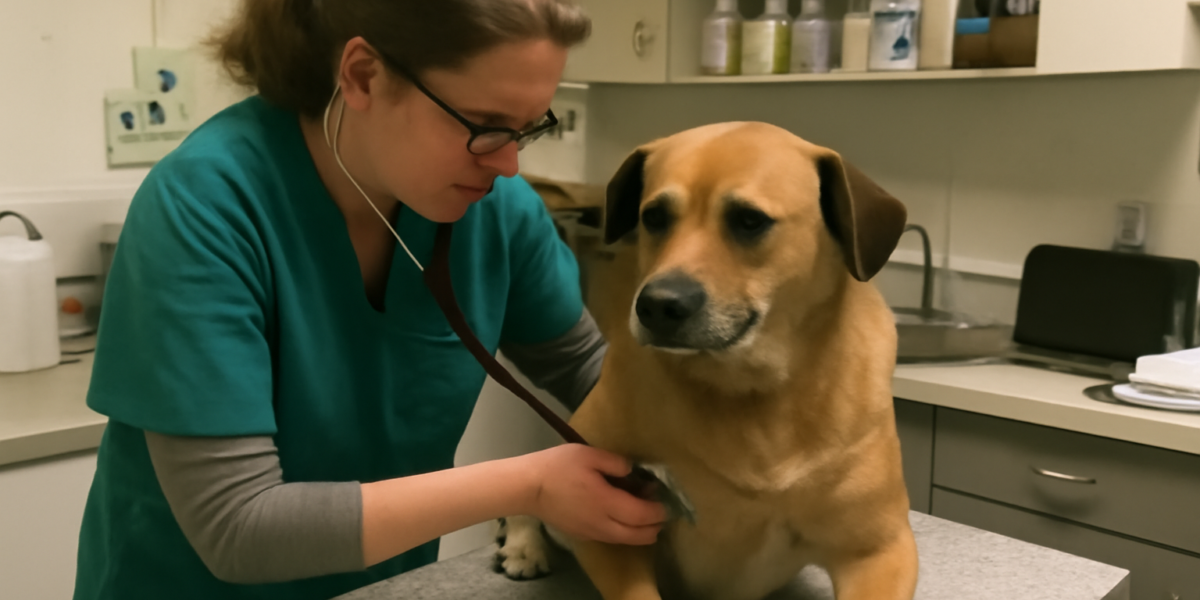
What Is an Insulinoma?
An insulinoma is a tumor of the pancreas that produces too much insulin. The pancreas normally releases insulin in response to rising blood sugar after a meal. With an insulinoma, the tumor releases insulin continuously and inappropriately, driving blood sugar lower than the body can tolerate.
In this article
- What Is an Insulinoma?
- How the Tumor Causes Hypoglycemia
- Recognizing the Symptoms
- Who Is at Risk?
- How Veterinarians Diagnose Insulinoma
- Treatment Options
- Feeding Strategy
- Living With Insulinoma
- Connections to Related Canine Conditions
- When to Call Your Veterinarian
- Emergency Preparedness at Home
- Frequently Asked Questions
Insulinoma dogs are usually middle-aged to senior, and certain breeds appear predisposed, including Labrador Retrievers, Boxers, German Shepherds, Golden Retrievers, and Irish Setters. The condition is uncommon but well-recognized, and prompt diagnosis can be lifesaving.
Most canine insulinomas are malignant. The good news is that they often grow slowly, and many dogs live for months to years after diagnosis with appropriate treatment. The challenges are managing severe hypoglycemia in the short term and addressing the tumor itself in the long term.
How the Tumor Causes Hypoglycemia
Healthy pancreatic beta cells release insulin only when blood sugar rises. Insulinoma cells lose that regulation and pump out insulin even when blood sugar is normal or low. The result is persistent hypoglycemia, which the brain especially struggles to tolerate.
The brain depends on a steady glucose supply. When blood sugar drops, neurological symptoms appear, ranging from mild confusion to seizures and collapse. The body tries to compensate by releasing counter-regulatory hormones (cortisol, glucagon, epinephrine), which causes weakness, trembling, and sometimes restlessness.
Over time, dogs may experience daily episodes of hypoglycemia, especially after exercise or fasting. Without intervention, severe and prolonged low blood sugar can cause permanent neurological damage or death. That is why this is one of the most pressing endocrine emergencies a dog can face.
Recognizing the Symptoms
Hypoglycemia symptoms are the calling card. Early signs include weakness, lethargy, muscle tremors, hind end wobbliness, restlessness, confusion, and behavioral changes. Owners often describe a dog who seems “drunk” or “spaced out,” especially first thing in the morning or after exercise.
Severe episodes feature collapse, seizures, or unresponsiveness. These can come on suddenly and be terrifying. Some dogs recover spontaneously as counter-regulatory hormones kick in, while others need urgent veterinary intervention with intravenous glucose.
The pattern of symptoms is a clue. Insulinoma episodes often happen with fasting, with exercise, or unpredictably between meals. Dogs may seem fine right after eating and decline as time passes. Owners who track episodes find that documenting timing helps the veterinarian.
Who Is at Risk?
Insulinoma typically affects middle-aged to senior dogs, with most cases diagnosed in dogs over six years of age. Both sexes are affected, and several large to medium breeds are predisposed. Smaller breeds and mixed breeds get insulinoma too, just less commonly.
There is no clear environmental cause. Diet, lifestyle, and exposure history have not been linked to insulinoma development. The disease is thought to arise from sporadic mutations in pancreatic islet cells.
Family history is not typically a strong predictor in individual cases, but breed-level predispositions point toward genetic susceptibility. If you have a predisposed breed showing weakness, tremors, or collapse, mention insulinoma to your veterinarian as a possibility.
How Veterinarians Diagnose Insulinoma
The classic finding is hypoglycemia (low blood glucose) with an inappropriately high or normal insulin level. In a healthy dog, low blood sugar should suppress insulin to nearly nothing. In insulinoma dogs, insulin remains detectable or elevated despite low glucose, which is the diagnostic fingerprint.
Your veterinarian will usually run a fasting blood glucose first. If hypoglycemia is documented, blood is drawn for a paired insulin level. Sometimes a supervised fast is required to provoke an episode for documentation. This should always be done under veterinary supervision because it can trigger severe symptoms.
Imaging follows. Abdominal ultrasound may reveal a pancreatic mass, but small insulinomas can be hard to see. CT scan provides better detail and is often used for staging, particularly to look for metastasis to lymph nodes or liver. Final confirmation often comes from biopsy at the time of surgery.
Treatment Options
Surgery is the treatment of choice when feasible. Removing the tumor (and any visible metastases) can dramatically improve symptoms and extend life. Your veterinarian will refer you to a board-certified surgeon. Pre- and post-operative blood glucose management is critical because the surgery itself stresses the pancreas.
Even when surgery is performed, the disease is rarely “cured” because microscopic spread is common. Many dogs benefit from medical therapy after surgery to control any recurrent hypoglycemia. Diazoxide, prednisone, and somatostatin analogs (like octreotide) are commonly used, and your veterinarian will choose based on your dog’s response.
For dogs that are not surgical candidates, medical management can still buy meaningful time. Steroid therapy with prednisone is often the cornerstone, sometimes combined with diazoxide. Your veterinarian will calculate doses based on your dog’s weight and adjust them as the disease progresses.
Feeding Strategy
Diet is one of the most powerful tools for managing insulinoma at home. Frequent small meals throughout the day prevent the long fasting periods that trigger hypoglycemia. Most owners feed three to six small meals daily, depending on severity.
Diet composition matters too. Foods higher in protein and complex carbohydrates and lower in simple sugars provide steadier blood sugar release. Avoid sugary treats, which spike insulin response and can paradoxically worsen hypoglycemia in some dogs. Your veterinarian or a board-certified nutritionist can help you build a tailored plan.
Have an emergency plan in place. Karo syrup, honey, or glucose gel rubbed on the gums can rescue a dog showing early hypoglycemia symptoms. Keep the supplies accessible and know the warning signs. Severe seizures or unresponsive episodes always warrant emergency veterinary care.
Living With Insulinoma
Day-to-day life with an insulinoma dog requires thoughtful planning around meals, exercise, and monitoring. Walks should not be on an empty stomach. Long fasts (such as before vet appointments) need pre-discussion with the vet. Stressors that might trigger episodes are worth anticipating.
Owners often become very tuned in to their dog’s behavior. Subtle changes in alertness, balance, or energy can signal a coming episode. Keeping a small log of episodes (timing, suspected trigger, response) helps your veterinarian fine-tune treatment.
Communicate openly with your veterinary team about quality of life. Many dogs live well for extended periods with insulinoma, and good management balances tumor control with comfortable living. Some dogs go through stretches of stability followed by flares, and treatment is adjusted accordingly.
Connections to Related Canine Conditions
Insulinoma is one of several pancreatic and endocrine disorders that affect dogs. Dog pancreatitis involves inflammation of the pancreas rather than a tumor, and the two conditions can sometimes be confused early in the diagnostic process. They are managed quite differently.
On the opposite end of the blood sugar spectrum, dog diabetes involves insufficient insulin and high blood sugar. Some owners are understandably confused about the two conditions, but they are essentially mirror images of each other.
Adrenal disorders can cause secondary changes in blood sugar too, and dog Cushing’s disease sometimes shows up alongside other endocrine issues in older dogs. For broader canine health topics, the dog care blog is a useful resource for owners managing chronic conditions.
When to Call Your Veterinarian
Call promptly for any episode of weakness, tremors, collapse, seizure activity, or unusual behavior in your dog. Seizures or unresponsive episodes are emergencies. Document the timing and what your dog was doing immediately before, since these details help with diagnosis.
If your dog already has a confirmed insulinoma, contact your vet for any change in episode frequency, new symptoms, or concerns about medication side effects. Steroid therapy in particular has a long list of effects that need monitoring.
Routine rechecks should be scheduled even when things seem stable. Bloodwork, imaging follow-ups, and physical exams catch progression early. A team approach, with you watching at home and the veterinary team monitoring with tools, gives your dog the best chance.
Emergency Preparedness at Home
Living with an insulinoma dog means being ready for hypoglycemia at any time. Keep Karo syrup, honey, or glucose gel in obvious locations: kitchen, bedroom, car, and any place your dog spends significant time. Family members and pet sitters should know where the supplies are and how to use them.
Practice the response calmly so it becomes automatic. If your dog shows mild symptoms (weakness, trembling, confusion) and is conscious, rub a small amount of Karo syrup or honey on the gums. Follow with a small meal if your dog can eat. If your dog is unconscious or seizing, do not put anything in the mouth. Head straight to a veterinary emergency clinic.
Have a written plan that includes your veterinarian’s number, the nearest emergency clinic, and your dog’s medication list. Share copies with anyone who cares for your dog. The few minutes spent preparing this plan can save your dog’s life during a crisis.
Coordinating Specialist Care
Most insulinoma dogs benefit from input from a board-certified internist, surgeon, or oncologist. Your primary veterinarian will guide referrals based on your dog’s stage and health. Specialty hospitals offer advanced imaging, surgical expertise, and chemotherapy options that are not available everywhere.
Decisions about treatment intensity are personal. Some owners pursue surgery and aggressive medical management. Others choose comfort-focused care without surgery. Both can be reasonable depending on the dog’s age, overall health, and the family’s circumstances. Your veterinary team can help you weigh the options without judgment.
Pet insurance can reduce the financial pressure of complex care. If you have insurance, confirm coverage for specialty consultations, imaging, and surgery. If you do not, your veterinarian may know of organizations that help with costs for chronic disease management.
Frequently Asked Questions
Is insulinoma in dogs curable?
True cure is rare because microscopic spread is common at diagnosis. However, many dogs live for extended periods with surgery, medical management, and dietary adjustments. The goal is durable control rather than complete cure.
What should I do during a hypoglycemic episode?
If your dog is conscious and able to swallow, offer food or rub Karo syrup or honey on the gums. If your dog is unresponsive or seizing, head straight to the nearest veterinary emergency clinic. Do not pour anything down the throat of an unconscious dog because of aspiration risk.
Are there breeds at higher risk?
Several breeds are predisposed, including Labrador Retrievers, Boxers, German Shepherds, Golden Retrievers, and Irish Setters. Mixed-breed dogs and other breeds can develop insulinoma too. The disease is uncommon overall.
Will my dog need to be on prednisone forever?
Many dogs do require long-term steroid therapy, especially after surgery if hypoglycemia recurs or in cases where surgery is not pursued. Your veterinarian will use the lowest effective dose and monitor for side effects.
How long can a dog live with insulinoma?
Outcomes vary widely depending on tumor stage, response to treatment, and overall health. Many dogs live for months to years with appropriate management. Your veterinarian can give you a more personalized outlook after staging is complete.


