
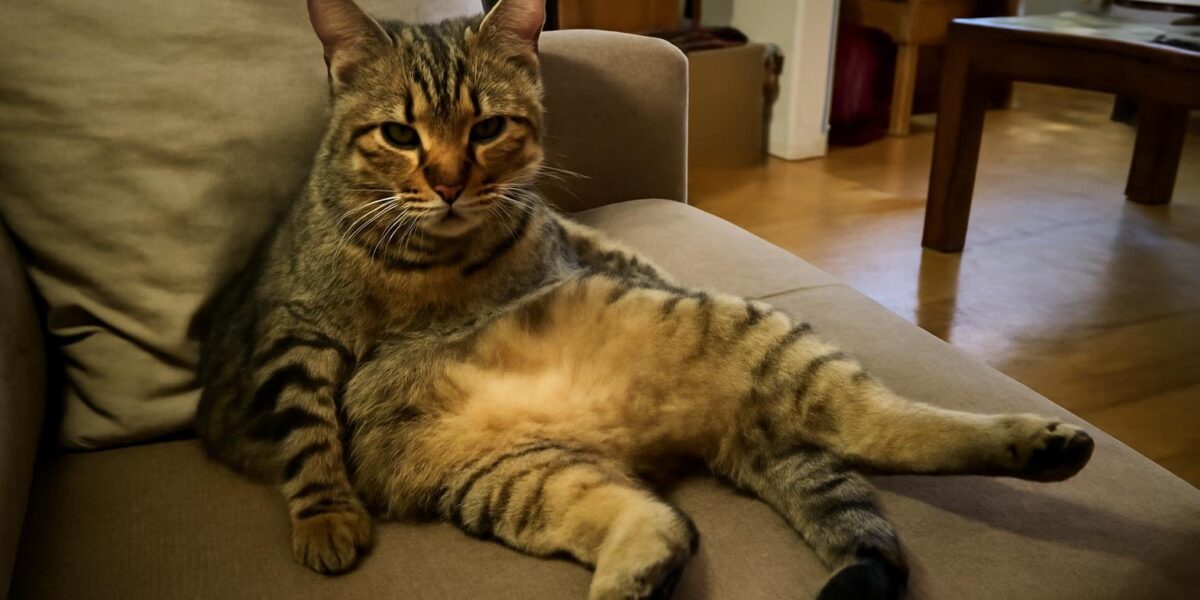
A Little Cat Breath Is Normal, Strong Odor Usually Is Not
If you have leaned in for a cuddle and recoiled at the smell, you are right to wonder, is it normal for my cat to have bad breath? The honest answer is mixed: mild, faint breath odor can be normal, but persistent or strong bad breath, called halitosis, is often a sign of dental disease or another health issue that deserves attention.
In this article
- A Little Cat Breath Is Normal, Strong Odor Usually Is Not
- What Causes Bad Breath in Cats
- What Normal Breath Looks (and Smells) Like
- When Bad Breath Is NOT Normal
- Why Dental Health Matters Beyond the Smell
- How to Keep Your Cat’s Breath Fresh
- Building a Dental Routine Your Cat Tolerates
- Frequently Asked Questions
Cats do not have minty-fresh mouths, and a slight smell after a meal, especially fishy food, is usually harmless. What is not normal is breath so foul it makes you turn away, or a smell that keeps getting worse over time.
Because dental disease is extremely common in cats and can affect their comfort and overall health, bad breath is one symptom worth taking seriously rather than ignoring. Let’s sort out what is normal from what needs a vet, so you know exactly when to act.
What Causes Bad Breath in Cats
Most feline bad breath traces back to the mouth, though some causes are deeper. Common reasons include:
- Plaque and tartar buildup. The most frequent cause. Bacteria collect on the teeth and gums and produce a foul smell.
- Gum disease (gingivitis and periodontitis). Inflamed, infected gums are painful and smell bad.
- Tooth resorption or broken teeth. Damaged or decaying teeth harbor bacteria.
- Diet and food. Strong-smelling foods can leave a temporary odor, which is harmless.
- Teething in kittens. Kittens losing baby teeth may have mildly smelly breath for a short time.
- Underlying illness. Kidney disease, diabetes, and digestive problems can change breath odor.
By far the most common cause is dental disease, which is why ongoing bad breath usually points to the teeth and gums rather than something your cat ate. Studies suggest the majority of cats show signs of dental disease by middle age, so it is a widespread issue worth staying ahead of.
What Normal Breath Looks (and Smells) Like
Healthy cat breath is fairly neutral. It may have a faint smell, especially right after eating, but it should not be strong, sour, or rotten. The mouth itself should look healthy too.
Signs your cat’s mouth is in good shape include:
- Faint or neutral breath that does not make you recoil
- Clean, white teeth with little or no yellow-brown tartar
- Pink, firm gums without redness or swelling
- Normal eating, chewing, and grooming
- No drooling, pawing at the mouth, or facial swelling
Kittens going through teething may have brief, mild breath changes as their baby teeth fall out and adult teeth come in. Our guide on whether it is normal for your cat to lose baby teeth explains what to expect during that stage. Once the adult teeth are in and healthy, the odor should fade on its own.
When Bad Breath Is NOT Normal
Persistent or strong bad breath is a reason to see your veterinarian, because it usually means there is a problem that will not improve on its own. Book a visit if you notice:
- Strong, foul, or worsening breath that lingers between meals
- Red, swollen, or bleeding gums
- Heavy tartar, loose teeth, or visible tooth damage
- Drooling, pawing at the mouth, or chewing on one side
- Reduced appetite, dropping food, or reluctance to eat hard kibble
- A sweet, fruity, or ammonia-like smell, which can signal diabetes or kidney issues
- Weight loss, increased thirst, or lethargy alongside the bad breath
Dental disease is not just about smell; it is painful and can let bacteria affect other organs. A sweet or ammonia odor in particular can point to serious systemic illness and warrants prompt veterinary attention. Your vet can examine the mouth, recommend a professional cleaning under anesthesia, and check for underlying conditions with bloodwork if needed.
Why Dental Health Matters Beyond the Smell
It is tempting to treat bad breath as just an unpleasant nuisance, but in cats it is often the visible tip of a much bigger issue. Dental disease is not only common, it is also painful and can quietly affect your cat’s whole body, which is why bad breath deserves more than a shrug.
When plaque and tartar build up, the gums become inflamed and infected. Over time this can lead to painful tooth resorption, loose teeth, and abscesses. Cats are masters at hiding pain, so a cat with a sore mouth may keep eating and acting fairly normal even while she is genuinely uncomfortable. That hidden suffering is one of the biggest reasons not to ignore the smell.
There is also a whole-body angle. The bacteria from infected gums can enter the bloodstream and, over time, may affect organs like the heart, liver, and kidneys. Keeping your cat’s mouth healthy is part of protecting her overall health, not just freshening her breath. Because cats hide discomfort so well, learning to read her subtle cues through a guide to cat stress signs can help you notice when something in her mouth is bothering her before it becomes severe.
Catching dental disease early, before teeth are lost or infections spread, makes treatment simpler and keeps your cat far more comfortable. That is why vets place so much emphasis on routine dental checks and home care.
How to Keep Your Cat’s Breath Fresh
Good dental care prevents most bad breath and protects your cat’s overall health. Build these habits over time:
- Brush her teeth. Daily or several-times-weekly brushing with cat-safe toothpaste is the gold standard. Introduce it slowly and gently.
- Offer dental treats and diets. Vet-approved dental products help reduce plaque between brushings.
- Schedule professional cleanings. Your vet can remove tartar below the gumline that brushing cannot reach.
- Watch the mouth. Peek at her teeth and gums regularly. Learning to read subtle discomfort through a cat body language guide helps you spot mouth pain early, since cats hide discomfort well.
- Keep up with checkups. Routine exams catch dental disease before it becomes painful.
Never use human toothpaste, which is toxic to cats. With consistent care, most cats keep healthy teeth and pleasant breath for life. Starting a brushing routine while your cat is young makes it far easier, but even older cats can learn to tolerate it with patience and rewards. The effort pays off in fewer painful dental problems down the road, lower vet bills for advanced extractions, and a cat who stays comfortable eating and grooming well into her senior years.
Building a Dental Routine Your Cat Tolerates
The single most effective thing you can do about bad breath at home is establish a tooth-brushing routine, but anyone who has tried to brush a reluctant cat’s teeth knows it takes patience and strategy. The key is to go slowly and make every step a positive experience rather than a wrestling match.
Start long before the toothbrush appears. Let your cat lick a little cat-safe toothpaste off your finger so she associates the flavor with something pleasant. Over several days, gently touch her lips and then her teeth and gums with your finger, rewarding her each time. Only once she is comfortable with that should you introduce a soft pet toothbrush or a finger brush.
Keep sessions short, just a few seconds at first, and focus on the outer surfaces of the teeth where tartar collects most. Always end on a positive note with praise or a treat. Aim for daily brushing if you can, since plaque hardens into tartar quickly, but several times a week still makes a real difference. Never use human toothpaste, which contains ingredients that are toxic to cats.
If your cat simply will not tolerate brushing, do not give up on dental care entirely. Vet-approved dental diets, treats, water additives, and dental gels all help reduce plaque, and your vet can recommend the best options for your cat. Combined with regular professional cleanings, these tools keep your cat’s mouth healthier and her breath fresher even without daily brushing.
Frequently Asked Questions
Is it normal for my cat’s breath to smell like fish?
A faint fishy smell right after eating fish-based food is usually harmless. But if the fishy odor is strong and constant, it may be dental disease rather than diet, and a vet check is wise.
Can bad breath in cats just be from food?
Strong-smelling food can cause temporary odor that fades after eating. Persistent bad breath between meals is almost always a sign of a dental or health problem, not diet.
How can I get rid of my cat’s bad breath at home?
Regular tooth brushing with cat-safe toothpaste, vet-approved dental treats, and routine cleanings are the best tools. If the odor is strong or comes with gum changes, see your vet, since home care alone will not fix existing dental disease.
When should I worry about my cat’s bad breath?
Worry if the breath is strong, foul, or worsening, or if you see red or bleeding gums, drooling, appetite loss, or a sweet or ammonia-like smell. These need prompt veterinary attention.
Does kitten teething cause bad breath?
Kittens may have mild, temporary breath changes while losing baby teeth and growing adult ones. It should be brief. Strong or lasting odor in a kitten still warrants a vet check.


