
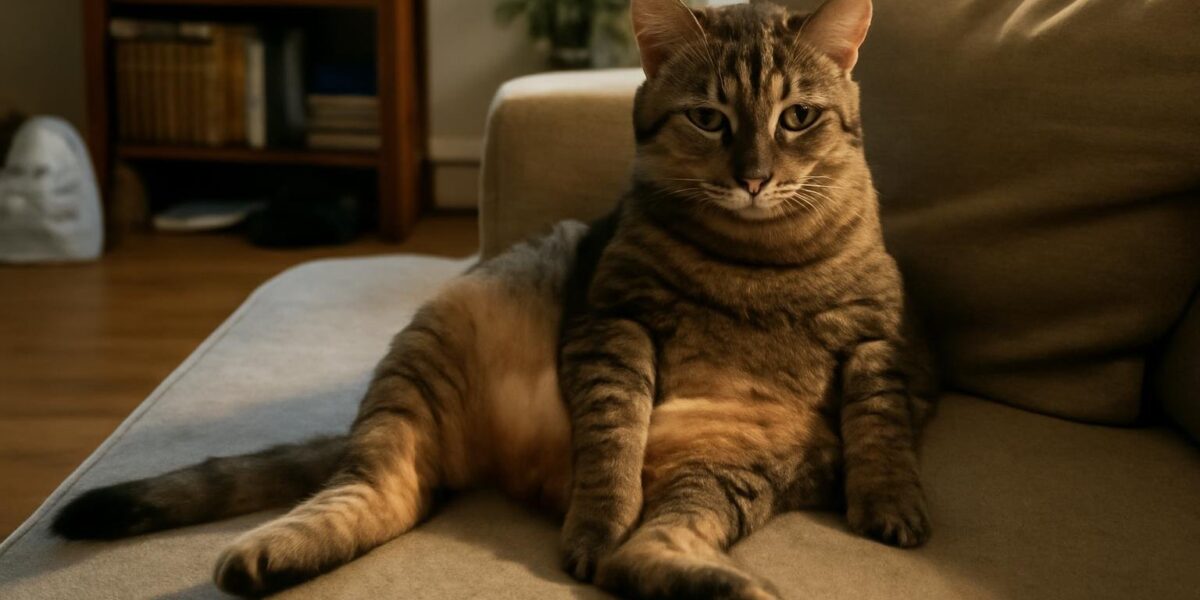
Yes, Heavy Shedding Is Usually Normal
If your black sweater looks gray and there is a fresh layer of fur on the couch every morning, you are probably wondering, is it normal for my cat to shed a lot? In most cases, the answer is a reassuring yes. Shedding is how cats replace old, damaged hair with a fresh, healthy coat, and some cats simply produce a lot of it.
In this article
Cats shed year-round, with bigger pushes in spring and fall as the coat adjusts to changing daylight and temperature. Indoor cats living under artificial light may shed steadily all year instead of in dramatic seasonal bursts.
The amount of fur a cat sheds varies enormously by breed, coat length, age, diet, and health. A fluffy Maine Coon or Persian will leave far more behind than a sleek shorthair. So before you worry, know that heavy shedding is one of the most common and most normal things cat owners deal with. The goal is to learn what healthy shedding looks like so you can recognize the rare cases that need a vet.
What Normal Shedding Looks Like
Normal shedding is gradual and even. Your cat loses old hairs across her whole body so the coat thins slightly and refreshes, rather than dropping out in patches. Underneath, the skin should look healthy: no redness, flaking, sores, or bald spots.
Signs your cat’s shedding is the healthy kind include:
- Fur that comes off evenly when you pet or brush her
- A coat that still looks full, just with more loose hair than usual
- Smooth, clear skin with no irritation underneath
- Heavier shedding in spring and fall, lighter in between
- No change in appetite, energy, or behavior
Long-haired and double-coated breeds shed more by volume, and older cats sometimes shed differently as their grooming habits change. As long as the skin looks good and your cat feels well, a fur-covered home is just part of cat ownership. You may also notice more shedding when your cat is warm, relaxed, or being petted, since handling loosens hairs that were ready to drop anyway.
What Affects How Much Your Cat Sheds
Several everyday factors influence the size of the fur drifts around your home:
- Breed and coat type. Double-coated and long-haired cats shed the most; hairless and some single-coated breeds shed very little.
- Season and light. Spring and fall trigger the heaviest shedding, while artificial indoor lighting can smooth it into a steady year-round shed.
- Diet. A complete, protein-rich diet with healthy fats supports a strong coat and can reduce excess shedding.
- Hydration and health. Well-hydrated cats with healthy skin tend to shed less than dry, flaky ones.
- Stress. Anxious cats may overgroom, which loosens and removes more hair than usual.
- Age and grooming ability. Senior or overweight cats who cannot groom well may shed and mat more.
Because these factors stack up, two healthy cats in the same home can shed completely different amounts. That is normal. Our guide to cat shedding goes deeper into the seasonal cycle and what to expect across the year.
When Shedding Is NOT Normal
Shedding crosses from normal into a concern when it comes with skin problems, bald patches, or a change in how your cat feels. Excessive hair loss is different from healthy shedding, and it usually has a treatable cause.
Contact your veterinarian if you notice:
- Bald patches or thinning in specific spots rather than even, all-over shedding
- Red, flaky, scabby, or inflamed skin under the coat
- Excessive scratching, licking, or biting at the fur
- A dull, greasy, or brittle coat that looks unhealthy
- Clumps of hair coming out easily with gentle handling
- Other symptoms like weight loss, lethargy, increased thirst, or appetite changes
Allergies, parasites such as fleas and mites, ringworm, hormonal conditions, poor nutrition, and stress can all drive abnormal hair loss. Our article on feline hair loss covers the common medical causes worth discussing with your vet. Sudden or patchy loss always deserves a checkup, especially if your cat is also itchy or losing fur in symmetrical patterns along her belly or legs.
How to Manage Heavy Shedding at Home
You cannot stop a healthy cat from shedding, but you can dramatically reduce the fur in your home and keep your cat’s coat in great shape:
- Brush regularly. Short-haired cats benefit from brushing a couple of times a week; long-haired cats often need daily grooming. Brushing removes loose hair before it lands on your furniture.
- Use the right tool. A de-shedding tool or fine comb reaches the undercoat where most loose hair hides.
- Feed for coat health. A balanced diet with omega-3 and omega-6 fatty acids supports skin and fur. Ask your vet before adding supplements.
- Keep her hydrated. Fresh water and, for some cats, wet food help maintain healthy skin.
- Stay on parasite prevention. Fleas are a leading cause of itching and overgrooming.
- Reduce stress. A calm, enriched environment cuts down on anxiety-driven overgrooming. Reading her cat body language helps you catch tension before it leads to overgrooming.
Regular grooming is also a chance to check your cat’s skin for lumps, sores, or parasites, and most cats grow to enjoy the routine. Brushing also reduces hairballs by removing loose hair your cat would otherwise swallow while self-grooming.
Shedding, Hairballs, and Grooming Habits
Your cat’s shedding is closely tied to how much she grooms herself, and that connection explains a lot of everyday cat behavior. Cats are meticulous self-groomers, spending a good chunk of their waking hours licking their coats clean. In the process, they swallow loose hair, and during heavy shedding seasons that means a lot more hair going down.
This is why hairballs tend to spike during the heaviest shedding months. The more your cat sheds, the more hair she ingests while grooming, and the more likely she is to cough one up now and then. Brushing her regularly removes that loose hair before she can swallow it, which keeps both your furniture and your cat’s stomach happier.
Grooming habits also shift with age and health. Overweight or senior cats sometimes cannot reach every part of their body, so they may shed unevenly or develop mats, especially around the back and hindquarters. If your cat suddenly stops grooming a certain area, or starts overgrooming one spot bald, that change is worth a vet conversation.
A healthy shedding cat keeps a glossy, well-kept coat through self-grooming, supplemented by your brushing. When you make grooming a calm, regular routine, you not only cut down on loose fur but also give yourself frequent chances to spot any skin or coat changes early.
Tools and Techniques That Actually Reduce Fur
Once you accept that a healthy cat will shed, the practical question becomes how to keep your home livable. The good news is that a few targeted tools and habits make a dramatic difference in how much fur ends up on your clothes, furniture, and floors.
Start with the right brush for your cat’s coat. A slicker brush works well for medium and long coats, a rubber curry brush is gentle and great for short-haired cats, and a stainless-steel comb helps find and prevent mats in long fur. For double-coated cats, an undercoat rake or de-shedding tool reaches the dense layer where most loose hair hides. Brushing a few minutes most days removes far more hair than a single long session once a week.
Make grooming pleasant so your cat looks forward to it. Pair brushing with treats and praise, keep sessions short at first, and follow your cat’s lead about which areas she enjoys. Many cats come to love the routine, especially when it feels like attention rather than a chore.
Around the house, a few extras help: lint rollers and damp rubber gloves lift fur off upholstery quickly, washable throws on favorite napping spots catch hair before it reaches the couch, and regular vacuuming stays ahead of the drifts. Combined with consistent brushing and a healthy diet, these simple steps turn a heavy shedder into a manageable one without ever fighting your cat’s natural, healthy coat cycle.
Frequently Asked Questions
Why is my indoor cat shedding so much?
Indoor cats live under artificial light and steady temperatures, which can blur the natural seasonal cycle and lead to consistent shedding all year instead of in big spring and fall bursts. This is normal.
What months do cats shed the most?
Most cats shed heaviest in spring as they lose their winter coat, and again in fall as they prepare a new one. Indoor cats may shed more evenly throughout the year.
Can diet reduce my cat’s shedding?
A high-quality, balanced diet rich in protein and healthy fats supports a stronger coat and can reduce excess shedding caused by poor nutrition. Your vet can recommend the best food or supplements.
When should I worry about my cat’s shedding?
Worry if you see bald patches, red or flaky skin, scabs, constant scratching, or shedding paired with weight loss or lethargy. These suggest a medical cause that needs a vet’s attention.
Does brushing really help with shedding?
Yes. Regular brushing removes loose hair before it ends up on your furniture and clothes, reduces hairballs, and keeps the coat healthy. It will not stop shedding, but it makes a big difference in how much fur escapes.


