
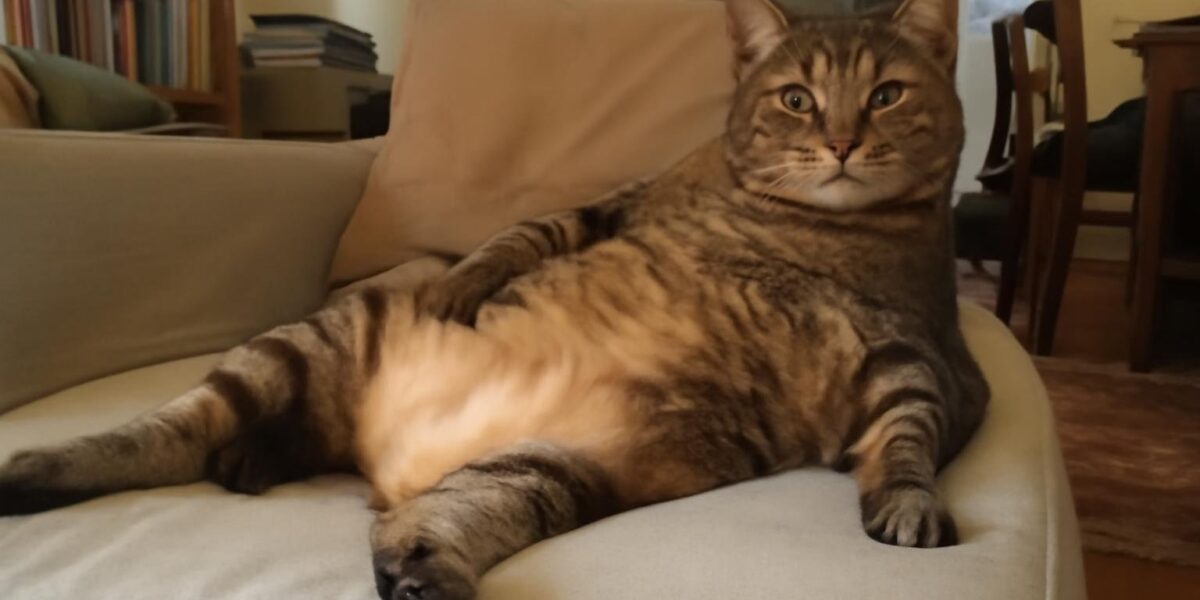
Watching your cat bolt down dinner and then bring it right back up a minute later is alarming, but it is also surprisingly common. The short answer is that occasional vomiting after eating is often normal for cats, and the single most frequent cause is simply eating too fast. When a hungry cat gulps food without chewing, the stomach can reject the meal almost immediately, bringing up undigested food in a tube-like shape. This is technically regurgitation rather than true vomiting, and a one-off episode in an otherwise happy, healthy cat is usually nothing to panic about.
In this article
That said, frequent or forceful vomiting, or vomiting paired with other symptoms, is not something to brush off. This guide explains the difference between harmless, occasional throwing up and the kind that needs veterinary attention, along with practical steps to help a cat that eats too quickly.
Why Cats Throw Up After Eating
There are several reasons a cat brings food back up shortly after a meal, and most of the common ones are mechanical rather than a sign of disease.
- Eating too fast: The number one culprit. Cats that gulp food swallow air and overfill the stomach quickly, triggering it to send the meal back up — often whole and undigested.
- Eating too much at once: A large meal can overwhelm a small stomach.
- Activity right after eating: Running, jumping, or playing immediately after a meal can dislodge food.
- Competition with other pets: In multi-cat homes, a cat may bolt food to beat the others to it.
- Hairballs: A cat working up a hairball may bring food along with it.
Regurgitation from fast eating typically happens within minutes, with little warning and minimal heaving — the food comes up looking much as it went down, often in a cylinder shape. True vomiting involves obvious abdominal effort, retching, and partially digested food, and may happen any time, not just after meals. Knowing the difference helps you and your vet pinpoint the cause. Our guide to cat vomiting causes breaks down the many reasons cats throw up.
What’s Normal: The Occasional Episode
An occasional bout of throwing up after eating, in a cat that is otherwise bright, active, eating well, and maintaining weight, is generally nothing to worry about. Many cats regurgitate now and then because they eat too fast, then immediately want to eat again and keep their food down the second time.
Signs that point to a benign, mechanical cause include:
- The food comes up quickly after eating, undigested and tube-shaped
- Your cat seems fine right afterward and is ready to eat again
- It happens only occasionally, not at every meal
- Normal energy, hydration, litter box habits, and weight
- A known fast eater or a competitive multi-cat household
Hairballs are another common and usually normal reason a cat brings up food, especially in long-haired cats or during heavy shedding seasons. Telling a hairball apart from concerning vomiting is worth understanding, and our explainer on cat hairballs versus vomiting walks through the distinction.
It also helps to look at the bigger pattern over a week or two rather than reacting to a single episode. A cat that regurgitates once after gobbling breakfast, then eats again calmly and keeps the rest of its meals down, is showing a textbook fast-eater pattern. The body simply objected to the speed and volume, not to the food itself or to anything medical. As long as your cat bounces right back, stays bright and playful, and holds its weight, an isolated episode like this is firmly in the normal column.
Normal Variation and Common Triggers
Cats vary in how prone they are to post-meal regurgitation, and a few patterns are simply part of normal feline life. Enthusiastic eaters, kittens learning to pace themselves, and cats in homes where mealtime feels competitive are all more likely to throw up occasionally after eating without anything being medically wrong.
Dietary factors can play a role too. A sudden change in food, a new flavor or texture, or a sensitivity to a particular ingredient can cause temporary digestive upset. Switching foods gradually over a week or so usually prevents this. Eating cold food straight from the refrigerator can also occasionally trigger regurgitation in sensitive cats; letting wet food warm to room temperature can help.
None of these triggers should cause frequent or severe vomiting. They explain the occasional, harmless episode — not a pattern of repeated sickness, which always deserves a closer look.
Age and life stage matter too. Kittens, with their tiny stomachs and boundless enthusiasm, can be especially prone to regurgitating a gulped meal, and they usually grow out of it as they learn to pace themselves and their stomachs mature. Senior cats, on the other hand, are more likely to vomit because of underlying health changes rather than simple fast eating, so an older cat that suddenly starts throwing up after meals deserves more attention than a playful kitten doing the same. Knowing where your cat sits on that spectrum helps you judge how concerned to be.
When Vomiting After Eating Is NOT Normal
While the occasional episode is usually benign, repeated or symptomatic vomiting is a genuine medical concern. Cats can become dehydrated quickly, and persistent vomiting can signal anything from food allergies to internal disease. Contact your veterinarian if you notice any of the following:
- Frequent vomiting: Throwing up after most meals, multiple times a day, or several days in a row.
- Vomiting with other symptoms: Lethargy, hiding, diarrhea, weight loss, or appetite changes.
- Blood in the vomit: Red streaks or material that looks like coffee grounds.
- Inability to keep food or water down: Vomiting everything, which risks dehydration fast.
- Signs of pain or distress: A hunched posture, crying, or a bloated, tender belly.
- Retching with nothing coming up: Repeated unproductive heaving can signal a blockage and is an emergency.
- Sudden change in a previously fine cat: New, persistent vomiting that was not there before.
Do not dismiss frequent vomiting as “just a sensitive stomach.” Conditions such as inflammatory bowel disease, food allergies, parasites, hyperthyroidism, kidney disease, and intestinal blockages can all present as vomiting, and early diagnosis makes treatment easier. If you ever suspect a blockage or your cat is rapidly going downhill, our home pet first aid guide can help you gauge urgency, but call your vet right away.
How to Help a Cat That Throws Up After Eating
If your cat’s vomiting is the occasional, fast-eating kind, several simple changes often solve the problem.
- Slow down mealtime. Use a slow-feeder bowl, a puzzle feeder, or spread food on a flat plate so your cat cannot gulp it all at once.
- Feed smaller, more frequent meals. Several small portions are easier on the stomach than one or two large ones.
- Separate cats at feeding time. In multi-cat homes, feed cats in different spots to reduce competitive gulping.
- Keep playtime away from meals. Avoid vigorous activity right before and after eating.
- Warm wet food slightly. Room-temperature food is gentler than cold food straight from the fridge.
- Transition foods gradually. Mix new food with old over seven to ten days to avoid digestive upset.
Slowing down a fast eater is one of the most effective fixes, and it overlaps with the habits we cover in our explainer on is it normal for my cat to eat fast. Give any change a couple of weeks to show results, and keep a simple log of when the vomiting happens, what your cat ate, and whether the food was digested. This record is genuinely useful at the vet, because the timing and appearance of what comes up help distinguish harmless regurgitation from true vomiting that needs investigation.
If simple changes do not reduce the vomiting, or if any red flags appear, your veterinarian is the right next step. Home judgment is never a substitute for professional care when symptoms persist. A cat that throws up occasionally and thrives otherwise rarely needs more than a slow-feeder bowl, but the same behavior in a cat that is losing weight or acting unwell is a signal to dig deeper. When in doubt, a quick exam gives you peace of mind and rules out the conditions that can hide behind frequent vomiting.
Frequently Asked Questions
Why does my cat throw up right after eating but seem fine?
This is usually regurgitation from eating too fast. The stomach rejects the gulped food almost immediately, and the cat feels fine afterward and often wants to eat again. Slowing down meals usually fixes it.
What’s the difference between regurgitation and vomiting?
Regurgitation happens quickly with little effort, bringing up undigested, often tube-shaped food. Vomiting involves obvious retching and abdominal effort and produces partially digested material. Regurgitation is more often mechanical; frequent vomiting is more likely medical.
How often is too often for a cat to vomit?
An occasional episode is usually fine. Vomiting after most meals, multiple times a day, or for several days in a row is not normal and warrants a vet visit, especially with other symptoms.
Can changing my cat’s food cause vomiting after eating?
Yes. A sudden food change can upset the stomach. Transition to new food gradually over seven to ten days. If vomiting continues after a careful switch, a food sensitivity or other issue may be involved and your vet should evaluate it.
When should I take my cat to the vet for vomiting?
See your vet if vomiting is frequent, contains blood, comes with lethargy, diarrhea, weight loss, or appetite loss, if your cat cannot keep water down, or if it retches repeatedly without producing anything, which could signal a blockage.


