Framing the Choice: Why Age Matters
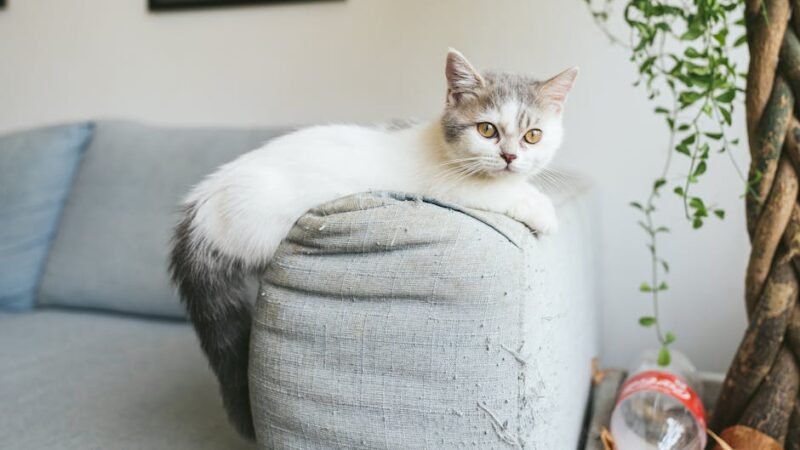
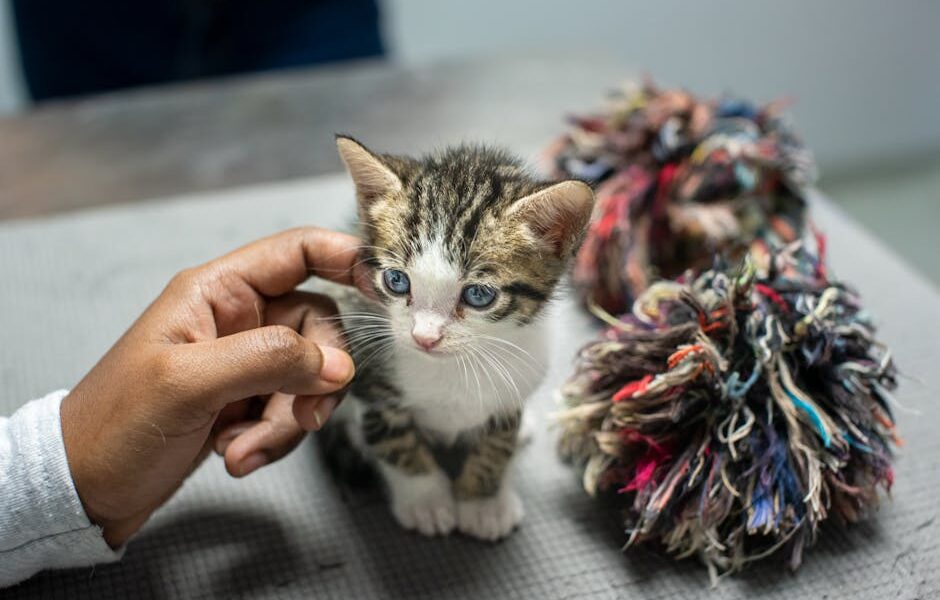
Choosing between a kitten and an adult cat is the second-biggest decision most Singapore adopters make, right after deciding to adopt at all. The kitten vs adult cat in Singapore conversation is often shaped by emotion — kittens are undeniably cute — but the practical differences over a 15-year ownership span are significant. Getting it right at the start saves both you and the cat a lot of adjustment stress.
In this article
- Framing the Choice: Why Age Matters
- Personality: Known vs Developing
- Energy Level and Daily Time Demand
- Training and House Skills
- Cost: Up-Front and Long-Term
- Health and Longevity Horizon
- Fit with Household Composition
- Availability in Singapore’s Rescue Scene
- Recommendations for Common Situations
- Frequently Asked Questions
Singapore’s context sharpens the question. Working hours are long, HDB flats are compact, and the climate asks every cat to spend most of its life indoors. These realities affect which age profile fits a given household, and the default advice many fosters give — adopt an adult — is grounded in that reality.
This guide compares the two on the dimensions that matter most, then helps you decide which is right for your situation. If you are still exploring adoption broadly, our cat adoption hub is a useful anchor.
Personality: Known vs Developing
The biggest difference is predictability. By around one year of age, a cat’s core temperament is settled. An adult cat in a foster home has a documented personality — shy, bold, vocal, cuddly, dog-tolerant, kid-tolerant — and fosters can describe it accurately. You can ask detailed questions and reasonably expect what you hear to match what you experience at home.
Kittens are a question mark. The genetics and early socialization you inherit shape adult personality significantly, but kitten behavior is not a reliable forecast. A confident, outgoing eight-week-old can become an independent, aloof adult; a shy kitten can blossom. For a household with specific temperament needs — a calm cat for young children, a confident cat to live with a dog — adults are the safer bet.
If you want the adventure of shaping a young cat’s confidence and skills, kittens offer that in a way adults do not. Both paths have value; it depends on what you are optimizing for.
Energy Level and Daily Time Demand
Kittens are energetic to the point of exhausting. They need multiple short play sessions per day, supervision to keep them out of trouble, and careful kitten-proofing of the flat. The high-energy phase typically lasts until around 18 months to two years of age. In a household where everyone is out 10-plus hours a day, a solo kitten can become bored, destructive, or anxious.
Most Singapore rescues prefer to adopt kittens in pairs for exactly this reason. Two kittens together burn off energy on each other, develop better social skills, and stay out of trouble in ways a solo kitten can’t. The up-front cost is higher, but the day-to-day stress is lower.
Adults are generally calmer. They still need play and enrichment, but they handle a quieter rhythm better. A single adult cat in a working household can thrive with a morning and evening play routine, and they often self-regulate their activity level.
Training and House Skills
Adult cats typically arrive already litter-trained, often used to a carrier, and aware of basic household routines. Many know how to use a scratching post, ignore countertops (or at least prefer not to get caught), and sleep through the night. Rescues rarely place adults who have significant behavioral gaps without flagging them.
Kittens are learning everything. Litter habits, scratching-post etiquette, biting inhibition during play, boundaries around cables and plants — all of these are taught over the first few months. The teaching is rewarding but time-consuming, and mistakes are inevitable.
If you want a cat to settle quickly into an established home routine, an adult is almost always easier. If you want to shape those habits yourself, a kitten offers that opportunity.
Cost: Up-Front and Long-Term
Kitten adoption contributions are similar to adult rescue contributions; both cover prior medical costs. Exact amounts vary by rescue and foster and are best confirmed with the caregiver. The cost gap shows up in the first year: kittens typically need more rounds of vaccinations, a sterilization surgery later in the year, and more frequent vet visits as they grow.
Adults are often already sterilized, vaccinated, microchipped, and FIV/FeLV tested at the time of adoption. The first-year vet spend is usually lower. Senior adults (10 plus) may have higher baseline vet costs if they have chronic conditions like early kidney disease, so ask the foster for medical history before committing.
Over 15 years, the cost difference between a kitten and a mid-age adult is typically modest. Food, litter, routine care, and emergency fund allocation dominate lifetime spend in both cases.
Health and Longevity Horizon
A kitten typically offers a full 12 to 18 year horizon if health holds. An adult of three to seven offers roughly 8 to 15 years. A senior offers a shorter horizon but often the most settled companionship. None of these horizons are guaranteed — individual health varies.
Kittens have higher rates of upper respiratory infections and gastrointestinal upsets during the first six months of life. This is normal and usually manageable, but it does mean more vet visits. Adults in good condition often have fewer first-year medical events.
Seniors may arrive with known conditions — diabetes, kidney disease, hyperthyroidism, early arthritis. Adopting a senior with eyes open, and with budget and willingness for ongoing care, is one of the most rewarding paths in rescue. Many adopters who start with an adult or kitten go on to take in a senior later.
Fit with Household Composition
Families with young children: adult cats with a known calm, tolerant temperament often fit best. Kittens can be accidentally hurt by young children and may bite or scratch during rough play. A five-year-old moggy who has lived with kids in a foster home is often an excellent match.
Households with existing pets: adults with a known history — “good with dogs,” “fine with other cats” — reduce introduction risk. Kittens adapt to other animals reasonably well but are more vulnerable during the adjustment period.
Solo professionals with long work hours: adults, ideally in pairs, handle solo time better than kittens. A solo kitten is usually not ideal for a long-workday household unless you can commit to a second cat or generous lunchtime breaks.
Availability in Singapore’s Rescue Scene
Kittens appear in waves through Cat Welfare Society, SPCA Singapore, Purely Adoptions, and foster networks, particularly during local breeding peaks. Litters are often adopted quickly, and many rescues hold kittens with siblings until bonded pairs can be placed. If you specifically want a kitten, follow rescues on social media and respond promptly when litters are listed.
Adults are always available and are often waiting longer for homes than kittens. Black cats, shy cats, senior cats, and special-needs cats (FIV-positive, three-legged) are among the most frequently overlooked. Adopting one of these cats is often the most meaningful contribution you can make.
For adoption routes beyond kittens, the Cat Welfare Society breeds and mixes overview and the FIV-positive cats adoption guide are worth reading.
Recommendations for Common Situations
First-time adopter, small HDB flat, working full-time: an adult Domestic Shorthair moggy, three to seven years old, from a local rescue. Easiest to settle, lowest adjustment risk.
Family with young children: adult cat with documented kid-tolerant temperament, ideally fostered in a home with children already. Pedigree options include British Shorthair and Ragdoll; moggies fit well too.
Retired adopter with time to spare: a senior cat or a bonded pair of middle-aged cats. Quiet company, enormous gratitude from the rescue, and often a very peaceful match.
Experienced adopter ready for more work: a bonded pair of kittens, especially from a litter that needs siblings placed together. Budget for high energy for 18 months and plenty of play.
Frequently Asked Questions
Do kittens always need to be adopted in pairs?
Not always, but many Singapore rescues prefer pairs because solo kittens are prone to loneliness and destructive behavior. If you have a resident cat, that can substitute for a sibling.
Is an adult cat harder to bond with than a kitten?
Not in the long run. Adults bond deeply once they settle, and many rescue adults are especially affectionate. Initial adjustment can take two to six weeks; long-term bonds are just as strong.
Are senior cats a good choice for first-time owners?
Yes, for quieter households. Seniors are calm, grateful, and often overlooked. Budget for potential chronic care and ask the foster for full medical history.
What is the typical age range for “adult” rescue cats?
Rescues generally classify cats as adults from around one year onward. “Young adults” are roughly one to three, “mid-adults” three to seven, “seniors” around ten and up. Terminology varies by rescue.
Can I adopt a kitten and an adult at the same time?
Yes, and it can work well if temperaments are matched. Ask the foster to help select an adult with a history of tolerating kittens. Slow introductions still matter.
Looking to adopt a Kitten vs Adult Cat in Singapore?
Browse Kitten vs Adult Cat in Singapore cats and mixes available for adoption from shelters and rescues near you.
Find Kitten vs Adult Cat in Singapore Cats for Adoption