
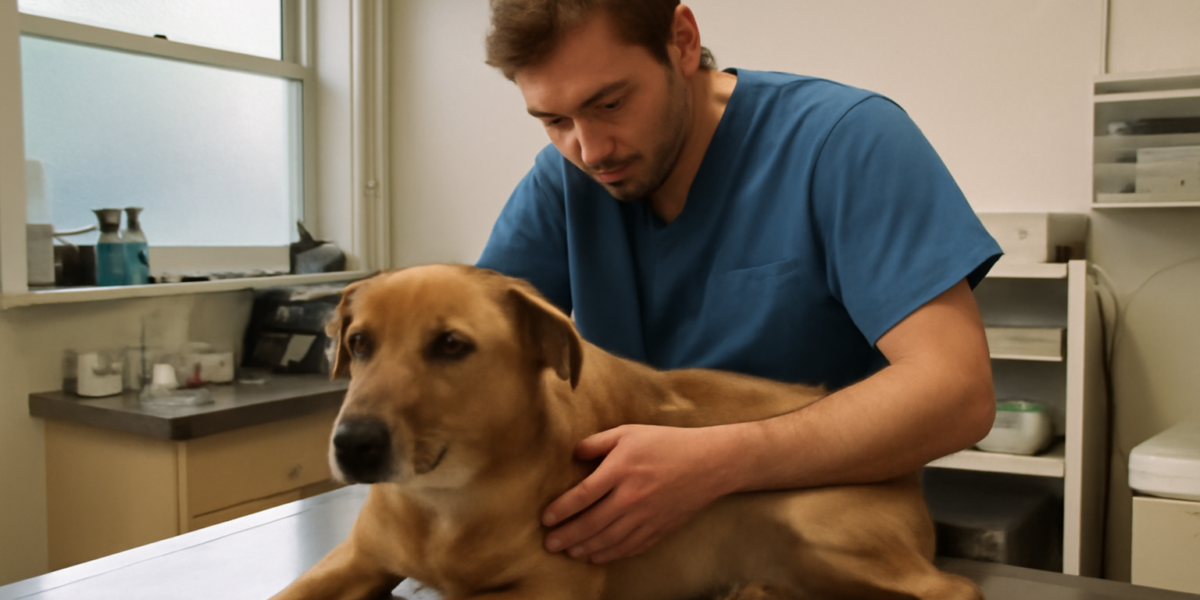
What Levothyroxine Is
Levothyroxine is a synthetic version of thyroxine (T4), one of the main hormones produced by the thyroid gland. It is the standard treatment for canine hypothyroidism, a common endocrine disorder where the thyroid gland does not produce enough hormone on its own.
In this article
Levothyroxine dogs are prescribed it lifelong in nearly all cases. The thyroid gland’s deficiency is not reversible, but replacing the missing hormone restores normal metabolism, energy, coat health, and overall wellbeing. Most dogs respond beautifully to treatment.
The medication is given orally and is one of the most widely used prescriptions in veterinary medicine. With consistent dosing and periodic monitoring, hypothyroid dogs can live full, comfortable, active lives.
What Hypothyroidism Looks Like in Dogs
Hypothyroidism develops gradually, often in middle-aged to older dogs. The classic signs include weight gain despite a normal appetite, low energy, cold intolerance, hair loss (often symmetric on the body), thickened or darkened skin, and recurrent skin or ear infections. Some dogs also develop a “tragic” facial expression from thickened skin around the eyes.
Less obviously, hypothyroidism can affect cholesterol levels, heart rate, and even behavior. Some dogs become quieter, less playful, or more anxious. Others develop neuromuscular signs like weakness or abnormal reflexes.
Because the disease creeps in slowly, owners often realize in retrospect that signs were present for months. The good news is that with diagnosis and treatment, most dogs return to themselves within weeks.
Breed Predispositions
Certain breeds are more commonly affected by hypothyroidism than others. Doberman Pinschers, Golden Retrievers, Cocker Spaniels, Irish Setters, and several other medium-to-large breeds appear at higher rates in veterinary clinics for thyroid evaluation. The disease can occur in any breed, but a known predisposition can prompt earlier testing when classic signs appear.
If you have a breed with a known thyroid tendency and you notice gradual weight gain, slowing energy, or coat changes, mention the family history to your veterinarian. It does not guarantee the diagnosis, but it shifts the suspicion threshold and can lead to earlier, more targeted testing.
How Hypothyroidism Is Diagnosed
Diagnosis is based on a combination of clinical signs and bloodwork. A total T4 measurement is a starting point, but other illnesses can lower T4 without the thyroid being the actual problem. So your veterinarian usually adds a thyroid panel that includes free T4 and TSH (thyroid-stimulating hormone) to confirm.
A complete blood count and chemistry panel often show characteristic changes — high cholesterol, mild anemia, and changes in other organ-related values. These help support the diagnosis but are not specific to hypothyroidism alone.
One specific pitfall worth knowing about is “sick euthyroid syndrome.” When a dog is dealing with another illness, total T4 levels can drop temporarily even though the thyroid itself is healthy. This is why a single low T4 in an otherwise unwell dog is rarely enough to confirm hypothyroidism. Your vet may want to address the underlying illness first, then retest, before committing to lifelong thyroid treatment.
Don’t be surprised if your veterinarian recommends rechecking thyroid values after a few weeks if the picture is unclear, especially if your dog has had a recent illness or is on medications that affect thyroid testing.
How Levothyroxine Works
The thyroid gland normally produces T4, which the body converts into the more active T3 form. By giving synthetic T4 orally, the body has the raw material it needs to maintain normal hormone levels and convert as needed. The dosing regimen restores natural balance.
Levothyroxine has a relatively long half-life in dogs, but consistent timing is still important. Most dogs are dosed once or twice daily, and skipping or doubling doses can lead to fluctuations that affect how well the dog feels.
Effects build gradually. Many owners notice improved energy and mood within a week or two; coat regrowth and skin improvement often take a few months as the hair cycle catches up.
How Levothyroxine Is Given
Levothyroxine is given as a tablet, typically once or twice daily. Some dogs receive it on an empty stomach, while others can be given with food — your veterinarian’s instructions will be specific to your dog and the product. Consistency from day to day is more important than any specific timing rule.
Your veterinarian will calculate the appropriate dose based on your dog’s weight, severity of disease, and individual response. Do not adjust the dose on your own. Hypothyroid dogs often need different doses than what calculations alone would suggest, and follow-up testing fine-tunes the regimen.
If you accidentally miss a dose, give it as soon as you remember unless it is close to the next dose, in which case skip it — never double up. Set reminders or attach the routine to a consistent daily activity.
Once-Daily Versus Twice-Daily Patterns
Some dogs are well-controlled on once-daily dosing, while others do better with the dose split into two smaller doses given twelve hours apart. The choice depends on the dog’s individual response and how their thyroid hormone levels look on follow-up testing. Larger doses split into two often produce steadier hormone levels through the day; smaller doses may sit comfortably in a once-daily schedule.
Stick with whatever schedule your veterinarian recommends, and don’t switch between patterns on your own. Consistency in how the dose is given is what makes follow-up testing meaningful — variable timing produces variable results that are hard to interpret.
Food Interactions to Plan Around
Calcium-rich treats, calcium supplements, iron supplements, antacids, and high-fiber meals can all reduce how much levothyroxine is absorbed when given at the same time. Most owners simply build a routine that gives the medication at a consistent time relative to meals, with any calcium-heavy treats given several hours apart. Your veterinarian will tell you whether to give the tablet on an empty stomach or with food, and what to keep separated.
Monitoring Bloodwork
After starting levothyroxine, your veterinarian will typically recheck thyroid values four to eight weeks later. The goal is to confirm that the dose is bringing thyroid hormone into the appropriate range without overshooting. Adjustments are common in the first months as the right dose is dialed in.
Once stable, most dogs are rechecked every six to twelve months. Periodic monitoring catches drift in either direction and ensures continued effectiveness as your dog ages or other conditions develop.
Time of testing matters. Blood is usually drawn at a specific point relative to the most recent dose, often about four to six hours after. Your vet will give you instructions, and following them precisely makes the results meaningful.
Side Effects and Overdosing
At appropriate doses, levothyroxine is very well tolerated. Side effects usually only appear when the dose is too high — a state called iatrogenic hyperthyroidism. Signs include increased thirst and urination, weight loss despite a good appetite, restlessness, panting, and rapid heart rate.
If you notice these signs, contact your veterinarian. A simple dose adjustment usually resolves the issue. Never adjust the dose yourself — go through your vet, who will likely recheck levels to confirm the new dose.
Accidental overdose from a dog getting into a bottle is also possible. If this happens, contact your vet or an animal poison control center immediately for guidance.
Drug Interactions
Several medications and supplements can affect levothyroxine absorption or thyroid testing. Calcium, iron, antacids, and some other drugs given at the same time can reduce absorption. Spacing levothyroxine apart from these is usually recommended.
Steroids, anti-seizure medications, and certain heart drugs can also affect thyroid hormone levels or testing. Always share a complete list of medications and supplements with your veterinarian.
Your dog’s diet matters too. Major changes — especially to high-fiber or supplement-heavy foods — should be discussed with your vet, since they can subtly affect absorption.
Long-Term Outlook
Hypothyroid dogs on appropriate levothyroxine treatment typically live normal lives. Energy returns, coats grow back, weight stabilizes, and the various skin and metabolic problems resolve. Many owners describe their dogs as “back to themselves” within a few months.
The medication must be continued for life. Stopping it leads to a return of symptoms, often more severe than before. Building a daily routine and keeping refills coordinated with your veterinary clinic prevents gaps.
Generic Versus Brand Options
Levothyroxine is widely available as both branded veterinary products and generic human pharmacy versions. Many veterinarians have a preferred product because consistency between batches and predictable absorption matter for thyroid replacement. Switching brands or between brand and generic without veterinary guidance can sometimes shift hormone levels, which is why your vet may recommend staying with one product once your dog is stable on it.
If a refill seems different — different shape, color, or imprint — ask the pharmacy and let your vet know. Pharmacy substitutions are usually fine but worth confirming, especially in a dog whose levels have been carefully dialed in.
Lifelong Commitment
For most owners, the daily pill becomes second nature within a few weeks. Pairing the dose with a routine activity — making coffee, feeding the dog, putting on shoes for a morning walk — helps prevent missed doses. Pill organizers, smartphone reminders, and prescription auto-refills all reduce the chance of running out.
If your household includes more than one person who feeds or medicates the dog, agree on who is responsible for the morning and evening dose. A simple shared note or whiteboard prevents the all-too-common “I thought you gave it” gap, which is especially easy to slip on busy weekends or during travel.
For ongoing wellness as your dog ages, our senior dog care guide and dog care hub offer broader supportive information.
Frequently Asked Questions
How quickly will my dog improve on levothyroxine?
Energy and mood often improve within a week or two. Coat and skin changes take longer — usually a few months — as the hair growth cycle catches up.
Will my dog need levothyroxine for life?
Yes, in nearly all cases. Hypothyroidism is not reversible, and stopping treatment leads to a return of symptoms.
Can I give levothyroxine with food?
Some products are given on an empty stomach; others can be given with meals. Follow your veterinarian’s specific instructions and stay consistent.
What if I miss a dose?
Give it as soon as you remember unless it is close to the next scheduled dose, in which case skip it. Never double up.
Why does my vet keep checking thyroid levels?
Periodic testing ensures the dose is appropriate. Levels can drift over time, and rechecks catch problems early.


