
LGD Welfare Care Is the Other Half of the Working Partnership
Good LGD welfare care means recognizing that a guardian asks a great deal of its body. A livestock guardian dog lives outdoors year-round, patrols rough terrain, faces weather extremes, and may confront dangerous predators. The animals it protects get attentive husbandry; the dog deserves the same. Treating a guardian as self-sufficient and ignoring its needs is both unkind and short-sighted, since a healthy, well-maintained dog works longer and better.
In this article
Organizations such as the American Veterinary Medical Association (AVMA) and working-dog welfare bodies stress that working dogs have welfare needs distinct from those of pets, including shelter, nutrition, and health monitoring matched to their workload. The foundational research of Raymond Coppinger and the United States Department of Agriculture’s Agricultural Research Service (USDA-ARS) likewise treated the dog’s wellbeing as integral to the working system, not an afterthought.
Winter and Cold-Weather Care
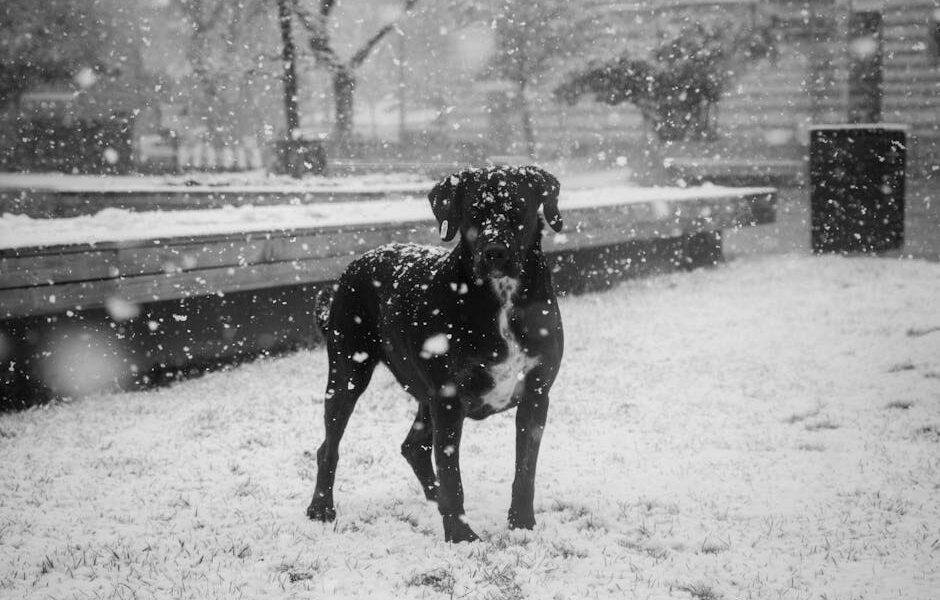
Most guardian breeds are built for cold and often prefer to be outside in winter weather that would send a pet dog indoors. Their dense coats provide remarkable insulation, but even cold-hardy dogs need support in harsh conditions. Provide dry, draft-free shelter the dog can retreat to, bedding that stays dry, and access to unfrozen water at all times, since dehydration is a real winter risk when water sources freeze.
Cold also raises caloric needs. A guardian working through winter burns more energy staying warm, so feeding may need to increase seasonally; discuss appropriate amounts with your veterinarian. Watch for ice and snow accumulating in heavily coated paws and feathering, and check the dog regularly even though it seems comfortable. The cold tolerance that makes these breeds excellent winter workers does not eliminate their need for shelter, water, and adequate food.
Pay particular attention to puppies, seniors, and any dog that is thin, ill, or recovering. While a healthy adult guardian in good coat handles cold remarkably well, these more vulnerable individuals can struggle and need extra shelter, bedding, and monitoring in hard weather. The same goes for short-coated guardian breeds, which tolerate heat better but have less insulation against extreme cold. Tailor your winter provisions to the individual dog rather than assuming every guardian is equally weatherproof.
Heat Management
The same heavy coats that protect against cold create serious heat risk. Heat stress is a genuine danger for large, dense-coated guardians, and it can be life-threatening. Always provide ample shade, constant access to cool water, and ideally a cool surface or dug-out spot where the dog can lie. In hot regions, limit demands during the heat of the day and watch for signs of heat stress such as heavy panting, weakness, or collapse, which is a veterinary emergency.
Climate should inform breed choice for exactly this reason, as covered in our guide to choosing a livestock guardian dog breed; a heavy mountain breed in a hot climate needs especially careful management. The broader principles of heat safety in working dogs apply directly here, and any suspected heat emergency requires immediate veterinary attention.
Coat Care
Guardian coats range from the corded coat of the Komondor to the long double coat of the Great Pyrenees to the shorter coat of the Anatolian, and each has different needs. In general, working guardians benefit from periodic checks and grooming to prevent matting, remove debris and burrs, and catch skin problems, wounds, or parasites hidden under the coat.
Practical coat care points:
- Check the coat and skin regularly, especially after working in brush or rough terrain.
- Prevent and address matting, which traps moisture and debris and can hide injuries.
- Do not shave a double coat for “cooling”; the coat insulates against heat as well as cold, and shaving can backfire.
- Inspect for ticks, fleas, foxtails, and embedded burrs as part of routine handling.
Regular hands-on checks double as health monitoring, letting you find problems early on a dog that lives apart from the house.
Because guardians live outdoors and are independent, they can hide problems longer than a house pet whose every limp you would notice. Building a routine of handling, ideally tied to feeding or another daily moment, ensures you keep eyes and hands on the dog regularly. Run your hands over the body, check the feet and between the toes, look in the ears, and note the dog’s weight, gait, and demeanor. A guardian that becomes accustomed to this handling is also far easier for a veterinarian to examine and treat when something does go wrong.
Nutrition for a Large Working Breed
Guardians are large to giant dogs doing physical work, and their nutrition should reflect that, but the specifics belong to a conversation with your veterinarian rather than guesswork. Large and giant breeds have particular needs around growth, joint health, and body condition, and overfeeding or rapid growth in puppies can harm developing joints.
Rather than name specific products or amounts, the welfare-first approach is to choose a complete, balanced diet appropriate for a large working dog, adjust intake seasonally and by workload, and keep the dog at a healthy body condition. Working dogs may need more calories in winter or during heavy activity and less when idle. Your veterinarian can recommend an appropriate diet and growth plan, especially for large-breed puppies; this article does not prescribe any specific food or amount.
Parasites and Field Exposure
Living outdoors among stock and wildlife exposes guardians to parasites and field hazards that house pets rarely encounter. Fleas, ticks, internal worms, and tick-borne diseases are all elevated risks, and contact with wildlife and carcasses adds further exposure. Year-round parasite prevention is therefore an important part of LGD welfare care.
The right parasite-prevention products, vaccines, and protocols depend on your region, the dog’s exposure, and current veterinary guidance, so name the need to your veterinarian and let them choose the class and product. This article does not give specific medications, doses, or vaccine schedules; those are veterinary decisions. Beyond parasites, watch for and promptly treat the wounds, lameness, and foreign bodies that come with working in rough country, and have any injury from a predator encounter examined by a veterinarian.
Foxtails and grass awns deserve special mention in many regions. These barbed plant seeds can burrow into paws, ears, eyes, and skin, causing painful abscesses that are easy to miss under a thick coat. After the dog works in dry, seedy terrain, check the feet, ears, and coat carefully, and have your veterinarian look at any swelling, discharge, or persistent licking. A wound that seems minor can conceal a migrating foreign body, so do not dismiss a guardian’s limp or head-shaking as nothing.
Predator encounters carry their own medical weight. A bite wound from a coyote, wolf, or another dog can look small on the surface while causing deep tissue damage, and it carries infection and, depending on the predator and your region, rabies-exposure concerns. Any dog that has tangled with wildlife should be examined by a veterinarian promptly, and you should keep your guardian current on the vaccinations your veterinarian recommends for a dog with this level of exposure.
Lifespan and Aging
Most large guardian breeds live roughly 10 to 12 years, with the giant breeds often on the shorter end of that range. Lifespan is influenced by genetics, body condition, workload, and the quality of preventive care, so keeping a guardian lean, current on health care, and protected from avoidable injury supports a longer working life.
As guardians age, their working capacity declines, and an aging dog may need a reduced workload, more support, and eventually retirement from active duty. Planning for this stage is part of responsible ownership; a senior guardian that has protected your stock for years deserves comfortable care in its later life, whether that means lighter duty alongside a younger dog from a multi-dog LGD team or a transition to a quieter retirement.
Welfare and the Adoption Connection
A welfare-first view of guardians extends to the dogs that do not work out or that need new homes. Guardian-breed dogs land in rescue when owners underestimate their needs, and providing proper care, shelter, nutrition, health, and a suitable environment, is exactly what makes the difference between a dog that thrives and one that ends up surrendered. The full picture of the role these dogs play is laid out in our livestock guardian dog working role overview.
For an experienced, rural adopter prepared to meet these welfare needs, choosing to adopt a pet in need of the right home can be a deeply rewarding match. Whether bought or adopted, a guardian’s welfare is the foundation that makes the whole working partnership possible.
Frequently Asked Questions
Can livestock guardian dogs stay outside in winter?
Most cold-hardy guardian breeds tolerate winter well and often prefer it, but they still need dry, draft-free shelter, unfrozen water, and possibly more food to fuel staying warm. Cold tolerance does not remove the need for basic welfare provisions.
Should I shave my guardian dog in summer?
No. A double coat insulates against heat as well as cold, and shaving can make a dog more vulnerable to heat and sunburn. Manage heat instead with shade, cool water, and a cool resting spot, and watch for signs of heat stress.
What should I feed a livestock guardian dog?
Feed a complete, balanced diet appropriate for a large working breed, adjusting for season and workload to maintain a healthy body condition. Specific foods and amounts, especially for large-breed puppies, should be chosen with your veterinarian.
Do guardian dogs need parasite prevention?
Yes. Living outdoors among stock and wildlife raises their risk of fleas, ticks, worms, and tick-borne disease, so year-round prevention is important. Let your veterinarian choose the right products and protocols for your region and the dog’s exposure.
How long do livestock guardian dogs live?
Most large guardian breeds live roughly 10 to 12 years, with giant breeds often somewhat shorter. Keeping the dog lean, current on preventive care, and protected from avoidable injury supports a longer, healthier working life.


