
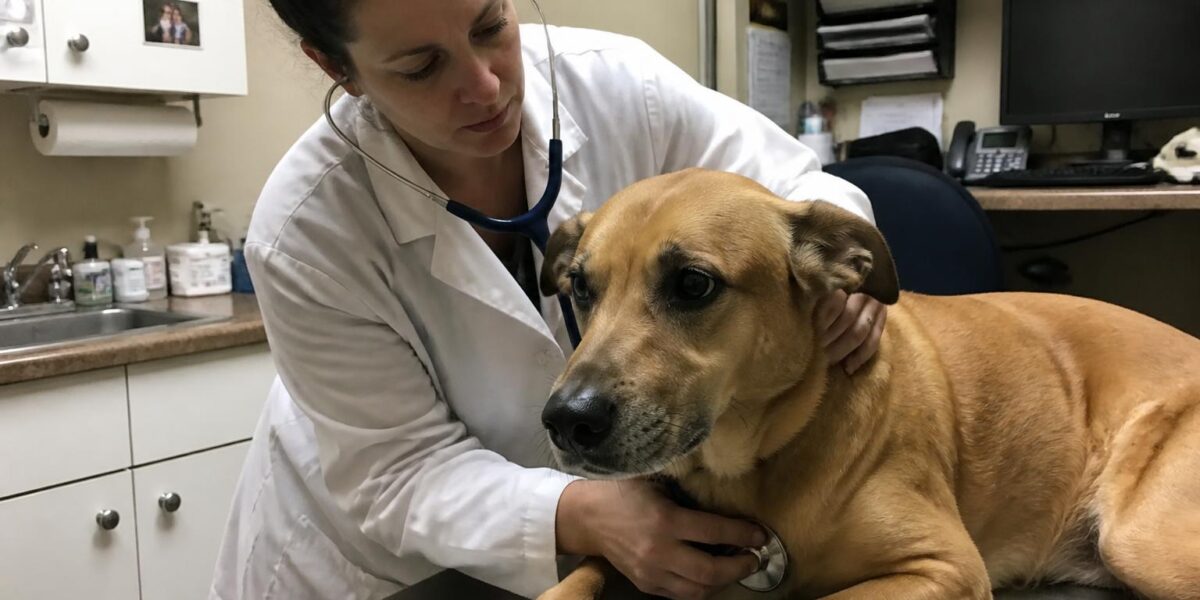
Understanding Lung Cancer in Dogs
Lung cancer in dogs is a category that splits into two quite different diseases: primary lung tumors (cancer that starts in the lung tissue itself) and metastatic lung disease (cancer that started somewhere else and spread to the lungs). The distinction matters enormously for prognosis and treatment. Primary lung tumors are uncommon but can be curable when caught as a single nodule. Metastatic lung disease is much more common and usually carries a more guarded outlook because, by definition, the original cancer has already spread.
In this article
- Understanding Lung Cancer in Dogs
- Primary Lung Tumors
- Metastatic Lung Disease
- Recognizing the Warning Signs
- Diagnostic Workup
- Treatment Options for Primary Lung Cancer
- Treatment Options for Metastatic Lung Disease
- Prognosis and Quality of Life
- Living with a Lung Cancer Diagnosis
- Cost, Adoption, and Senior Care
- Frequently Asked Questions
The lungs are a common landing site for metastasis from many other canine cancers, including osteosarcoma, hemangiosarcoma, melanoma, mammary carcinoma, and various sarcomas. This is partly because the entire blood volume passes through the lungs every minute, and tumor cells circulating in the bloodstream often get caught in the fine pulmonary capillary bed. When chest radiographs show multiple lung nodules in a dog with a known primary cancer elsewhere, the differential is dominated by metastasis. When chest radiographs show a single lung mass without known cancer elsewhere, primary lung cancer becomes the leading consideration.
Primary Lung Tumors
Primary lung cancer in dogs is uncommon, but it does happen, especially in senior pets. The most common primary lung tumor is pulmonary adenocarcinoma, which arises from the cells lining the airways or alveoli. Less common primary tumors include squamous cell carcinoma, bronchoalveolar carcinoma, and various rare types. Primary lung tumors are often solitary, slowly growing, and confined to a single lung lobe at the time of diagnosis, which is what makes surgical resection a real option.
Risk factors for primary canine lung cancer are not as clearly defined as for human lung cancer. Tobacco smoke exposure has been implicated in some studies of dogs living with smokers, particularly those that breathe in second-hand smoke regularly. Air pollution, urban environment, and possibly certain occupational exposures have been investigated. Most affected dogs are middle-aged to senior, with the typical age range being older than nine years. Boxers and other medium-to-large breeds may be slightly over-represented in some published case series.
Metastatic Lung Disease
Metastatic lung disease is much more common than primary lung cancer in dogs. The lungs are a frequent metastatic site for osteosarcoma, hemangiosarcoma, mammary carcinoma, melanoma, soft tissue sarcomas, and many carcinomas. Because so many primary cancers spread to the lungs, three-view chest radiographs are part of the standard staging workup for almost every solid tumor diagnosis in dogs.
The radiographic appearance of lung metastasis is often multifocal, with multiple small nodules scattered throughout both lungs. This pattern is sometimes called “cannonball metastases” when the nodules are large and well-defined. Solitary metastases occur but are less common, and they can sometimes be hard to distinguish radiographically from primary lung cancer without other context. Treatment of metastatic lung disease is typically aimed at the underlying primary cancer rather than at the lung lesions specifically. For broader context, our cancer in dogs overview describes the metastatic patterns of common canine cancers.
Recognizing the Warning Signs
Lung cancer in dogs is often clinically silent until it is advanced. Early-stage primary lung tumors may produce no symptoms at all and are sometimes detected as incidental findings on chest radiographs taken for other reasons (preoperative screening, cancer staging, or routine senior wellness imaging). When symptoms do develop, the most common are chronic cough, exercise intolerance, decreased appetite, weight loss, and lethargy.
More advanced or extensive disease can cause labored breathing, increased respiratory rate, cyanosis (blue-tinged gums) in severe cases, and collapse. Lung cancer can also cause paraneoplastic syndromes, including hypertrophic osteopathy (a painful periosteal reaction in the long bones, often presenting as lameness or stiffness in multiple limbs) and various other metabolic abnormalities. Any senior dog with persistent cough, exercise intolerance, or unexplained lameness deserves a thorough workup that includes chest imaging.
Diagnostic Workup
The workup typically begins with thorough history (including any prior cancer diagnoses), physical exam with attention to respiratory rate and effort, and routine bloodwork including a complete blood count, chemistry panel, and urinalysis. Three-view chest radiographs are the foundational imaging study for any suspected lung disease. Three views (right lateral, left lateral, and ventrodorsal or dorsoventral) are essential because nodules can hide on a single view.
CT imaging of the chest is more sensitive than radiographs and is often the next step when imaging is ambiguous, when a primary lung tumor is suspected for surgical planning, or when staging accuracy matters. CT can detect smaller nodules and provide much better anatomic detail. Abdominal ultrasound and other imaging help search for a primary cancer when the lung lesion appears metastatic. Definitive diagnosis comes from cytology (fine-needle aspirate of an accessible nodule) or histopathology (biopsy or post-surgical tissue). Bronchoalveolar lavage is occasionally used. Ask your primary vet for a referral to a board-certified oncologist (ACVIM-Oncology) once the diagnosis is suspected.
Treatment Options for Primary Lung Cancer
Surgical resection is the treatment of choice for most primary lung tumors when the tumor is solitary and confined to a single lung lobe. Lung lobectomy, performed by a board-certified surgeon (ACVS), removes the affected lobe and provides tissue for histopathology. Most dogs tolerate lung lobectomy well, with a few weeks of restricted activity for recovery. The remaining lung tissue compensates effectively for the lost lobe in dogs with otherwise healthy lungs.
Adjuvant chemotherapy may be discussed by your oncologist, particularly when histopathology reveals high-grade disease or evidence of vascular or lymph node invasion. Radiation therapy has a more limited role for primary lung cancer in dogs, though stereotactic radiation is becoming an option at some specialty centers. The exact treatment plan is tailored to the dog’s stage, tumor type, and overall condition.
Treatment Options for Metastatic Lung Disease
Treatment of metastatic lung disease is typically directed at the underlying primary cancer rather than at the lung lesions themselves. The specific approach depends on the primary cancer type. For osteosarcoma metastases, certain chemotherapy protocols may slow progression. For some lymphomas, chemotherapy can resolve lung lesions completely. For most metastatic disease, treatment aims to slow progression and maintain quality of life rather than to cure.
Pulmonary metastasectomy (surgical removal of solitary or oligometastatic lung lesions) is occasionally pursued for select cases, particularly for osteosarcoma when there are only one or two lung lesions and the primary disease is well controlled. This is a specialized decision made jointly by oncologist and surgeon. Most cases are managed medically.
Prognosis and Quality of Life
Prognosis varies dramatically by whether the disease is primary or metastatic, by stage, and by tumor type. Primary lung cancer caught early as a solitary nodule and treated with surgical lobectomy can carry a reasonably favorable prognosis, with many dogs living a year or more, sometimes effectively cured. More advanced primary disease (multiple nodules, lymph node involvement, or distant metastasis) carries a more guarded prognosis. Metastatic lung disease prognosis depends almost entirely on the primary cancer. Specific numbers vary; your oncologist can give realistic expectations based on your dog’s specifics.
Quality of life is the most important metric throughout. A dog who is breathing comfortably, eating well, and engaging with the household is doing well. Pain control, anti-nausea medications, cough suppressants for symptomatic relief, and supportive care all play roles. The ASPCA Pet Loss Hotline at 877-474-3310 is a resource for families navigating end-of-life decisions for cancer patients.
Living with a Lung Cancer Diagnosis
Day-to-day life with a lung cancer diagnosis depends heavily on whether the disease is primary or metastatic and how the dog is feeling. Many dogs with early primary lung tumors that have been surgically resected return to nearly normal life within a few weeks of recovery. Dogs with metastatic lung disease may have more variable symptoms depending on the burden of disease and the underlying primary cancer. Cough suppressants such as butorphanol or hydrocodone-containing preparations are sometimes prescribed for symptomatic relief; these are veterinary-prescribed only and should never be supplemented with over-the-counter human cough medications without veterinary input.
Environmental adjustments help in many cases. Avoid smoking in the home, minimize aerosol exposures, and keep your dog’s resting area cool and well-ventilated. Avoid prolonged exertion in hot or humid weather. Recheck visits include physical exam, bloodwork, and periodic chest imaging to monitor disease progression. Communicate worsening cough, increased respiratory rate at rest, or labored breathing to your veterinary team promptly because dyspnea in a dog with lung cancer can rapidly become an emergency.
Cost, Adoption, and Senior Care
Treating lung cancer is expensive. Diagnostic imaging including CT, biopsy or surgery, chemotherapy, hospitalizations, and follow-up monitoring can total many thousands of dollars over the course of treatment. Specific dollar figures vary by region and complexity. Ask your vet about cost ranges in your area, and consider CareCredit, scratchpay, payment plans, and rescue-side aid funds. Pet insurance bought before symptoms appear is the strongest financial-protection tool. Our veterinary specialist cost breakdown walks through realistic ranges.
For broader context, our cancer in dogs overview covers the most common canine cancer diagnoses. Senior dogs facing cancer are no less worth fighting for, and many treatment paths produce meaningful additional time. Browse our adopt-a-dog hub for senior dogs looking for soft landings.
Frequently Asked Questions
Is lung cancer common in dogs?
Primary lung cancer (cancer starting in the lungs) is uncommon. Metastatic lung disease (cancer that has spread from elsewhere) is much more common because the lungs are a frequent landing site for metastasis from many other canine cancers.
What are the early signs of lung cancer in dogs?
Many cases are silent in early stages and detected incidentally on chest radiographs. When signs develop, chronic cough, exercise intolerance, decreased appetite, weight loss, and lethargy are most common. Labored breathing usually indicates more advanced disease.
Can lung cancer in dogs be cured?
Solitary primary lung tumors caught early and treated with surgical lobectomy can carry a reasonably favorable prognosis, sometimes with effective cure. Advanced primary disease and metastatic lung disease are typically managed for control rather than cure.
Does secondhand smoke cause lung cancer in dogs?
Tobacco smoke exposure has been implicated in some studies of dogs living with smokers, though the relationship is not as well characterized as in human medicine. Keeping the home smoke-free is a reasonable preventive measure.
How is lung cancer diagnosed in dogs?
The standard workup includes three-view chest radiographs, often followed by CT imaging for better detail. Definitive diagnosis comes from cytology (fine-needle aspirate of an accessible nodule) or histopathology after biopsy or surgery. Three views are essential because nodules can hide on a single radiographic projection.


