Last updated: May 17, 2026
In this article
Lykoi Cat Breed Profile: The Fascinating Werewolf Cat
The Lykoi is one of the most visually striking and unusual cat breeds in the world. Often called the “werewolf cat” for its partially hairless coat and piercing eyes, the Lykoi has captured the imagination of cat enthusiasts since its emergence as a recognized breed in the early 2010s. But beneath that wild, supernatural appearance lies a surprisingly affectionate, playful, and intelligent feline companion that wins hearts as quickly as it turns heads.
Despite its otherworldly looks, the Lykoi is not the product of deliberate genetic engineering or exotic crossbreeding. The breed arose from a naturally occurring genetic mutation in Domestic Shorthair cats, and its development has been guided by careful, health-focused breeding practices. In this comprehensive breed profile, we will explore everything you need to know about the remarkable Lykoi cat.
History and Origin of the Lykoi Cat
The Lykoi’s story begins in 2010 when Patti Thomas, a breeder in Virginia, encountered two partially hairless kittens born to a domestic shorthair cat. Around the same time, veterinarian Dr. Johnny Gobble and his wife Brittney in Tennessee discovered similar kittens in a separate, unrelated litter. Recognizing the potential significance of these unusual cats, they collaborated to investigate the genetic basis for the distinctive coat pattern.
Extensive testing at the University of Tennessee confirmed that the kittens did not carry the gene mutations responsible for the Sphynx or Devon Rex coat types. Instead, their unique appearance was caused by a previously undocumented natural mutation affecting hair follicle development. Some follicles lacked the components necessary to produce hair, while others produced hair normally, creating the characteristic patchy, roan appearance.
The researchers also conducted thorough health screenings, including dermatological examinations, cardiac evaluations, and DNA testing, to ensure that the mutation did not carry associated health problems. Satisfied that the cats were healthy, they began a careful breeding program to establish the Lykoi as a recognized breed.
The breed’s name comes from the Greek word “lykos,” meaning wolf, a reference to the cats’ werewolf-like appearance. The International Cat Association granted the Lykoi Championship status in 2017, and the breed has since gained recognition from several other cat registries around the world. The breed remains rare, with a relatively small number of breeders worldwide, but interest continues to grow as more people discover these extraordinary cats.
Interestingly, the Lykoi mutation has been documented in feral cat populations in multiple locations around the world, including the United States, Canada, and South Africa. This suggests that the mutation occurs spontaneously and has likely existed for some time before being formally identified and developed into a breed. Some breeding programs continue to incorporate naturally occurring Lykoi-type cats from feral populations to maintain genetic diversity.
The Lykoi shares some visual similarities with other unusual-coated breeds. If you are fascinated by cats with distinctive appearances, you might enjoy learning about the Sphynx cat, another breed that challenges conventional expectations of what a cat should look like.
Appearance and Physical Characteristics
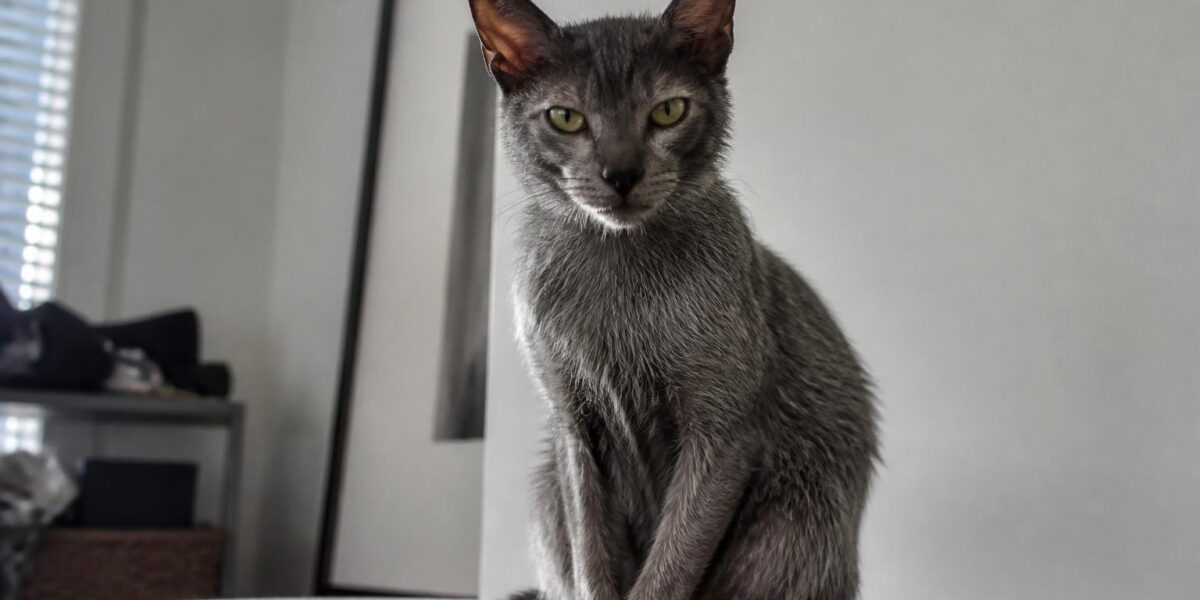
The Lykoi’s appearance is undeniably dramatic and unlike any other cat breed. These medium-sized cats typically weigh between 6 and 12 pounds, with males generally larger than females. Their body is lean and athletic, with a slightly wedge-shaped head, large ears, and striking golden or green eyes that appear especially vivid against the sparse facial hair.
The breed’s most defining characteristic is its coat, or more precisely, its partial lack of one. Lykoi cats have a unique roan coat pattern in which black hair is interspersed with white or amelanistic hair, creating a silvery, grizzled appearance. The amount of hair coverage varies among individuals and can even change with the seasons. Some Lykoi may become nearly hairless during certain times of the year before their coat grows back.
The face is typically the most sparsely coated area, with little or no hair around the eyes, nose, muzzle, and chin. This creates the distinctive “werewolf mask” that gives the breed its nickname. The skin beneath is visible and ranges from pink to dark grey, depending on the individual cat’s coloring. The sparse facial hair combined with the large, luminous eyes creates an expression that is both haunting and endearing.
The body coat, while thin, has a unique texture. The hair that is present feels soft and silky, but it does not have the dense undercoat found in most domestic cats. This means that the Lykoi’s coat lies differently than a typical cat’s, often appearing slightly rough or tousled. The roan pattern gives the coat a distinctive salt-and-pepper or frosted appearance that is truly one of a kind.
Beneath the unusual coat, the Lykoi has a well-balanced, moderately foreign body type. The legs are medium in length and well-muscled, the paws are oval, and the tail is slightly shorter than the body. The overall impression is of a cat that is lithe and agile, built for activity rather than for lounging. Their movement is graceful and purposeful, with a slightly prowling quality that reinforces the wild, lupine impression.
Another breed known for its distinctive coat and cat-world uniqueness is the Devon Rex, which offers a different but equally fascinating take on unconventional feline beauty.
Temperament and Personality
If the Lykoi’s appearance suggests a mysterious, aloof creature, its personality will quickly dispel that notion. Lykoi cats are remarkably friendly, outgoing, and interactive companions that form strong bonds with their human families. Many Lykoi owners describe their cats’ behavior as more dog-like than cat-like, noting their tendency to follow people around the house, play fetch, and greet visitors at the door.
These cats are highly intelligent and curious, with an almost investigative approach to their environment. They enjoy exploring every corner of their home, checking out new objects, and figuring out how things work. This curiosity extends to people as well; Lykoi cats are typically interested in what their owners are doing and may attempt to “help” with household tasks in their own feline way.
The Lykoi’s playful nature persists well into adulthood. These cats enjoy interactive play sessions and are particularly fond of toys that simulate hunting behavior, such as feather wands, laser pointers, and toy mice. Their prey drive is notably strong for a domestic cat, and they approach play with an intensity and focus that reflects their wild appearance. Providing regular, stimulating play sessions is important for keeping a Lykoi mentally and physically satisfied.
Despite their energetic and playful nature, Lykoi cats are also capable of quiet affection. They enjoy curling up with their owners, and many are lap cats who seek out warmth and physical contact. Their affection is genuine and freely given, but it is typically on their own terms. They may choose to sit beside you rather than on you, and they appreciate having the option to come and go as they please.
With other pets, Lykoi cats are generally sociable and adaptable. They usually get along well with other cats and can coexist peacefully with cat-friendly dogs. Their confident, outgoing nature helps them integrate into multi-pet households with relative ease. However, their strong prey drive means caution is warranted around very small pets such as birds, hamsters, or mice.
Lykoi cats are moderately vocal, using a range of meows, chirps, and trills to communicate with their owners. They are not as persistently vocal as some Oriental breeds, but they will let you know when they want attention, food, or playtime. Their vocalizations are generally pleasant and conversational rather than demanding or shrill.
Exercise, Play, and Enrichment
The Lykoi is an active and athletic cat that benefits from regular exercise and enrichment opportunities. Their strong prey drive and natural curiosity make them enthusiastic participants in interactive play, and providing adequate physical and mental stimulation is essential for their well-being.
Interactive play sessions of 15 to 20 minutes, two to three times daily, are ideal for Lykoi cats. Feather wands, fishing rod toys, and laser pointers are particularly effective at engaging their hunting instincts. Many Lykoi cats also enjoy playing fetch, bringing toys back to their owners to be thrown again. Rotating toys regularly helps maintain interest and prevents boredom.
Vertical space is important for Lykoi cats. Cat trees, wall shelves, and elevated perches give them opportunities to climb, survey their territory, and satisfy their natural desire to be in high places. A tall, sturdy cat tree placed near a window provides both climbing opportunities and entertainment through bird watching.
Puzzle feeders and food-dispensing toys are excellent tools for providing mental stimulation during meal times. These devices require the cat to work for its food, engaging problem-solving skills and slowing down eating, which can help prevent obesity. Many Lykoi cats take to puzzle feeders quickly, thanks to their intelligence and food motivation.
If safely possible, some Lykoi owners provide supervised outdoor access through enclosed catios or leash training. These cats often take well to harness and leash walking, enjoying the opportunity to explore outdoor environments under controlled conditions. However, their partially hairless coat means they need protection from both sun exposure and cold temperatures when outdoors.
Solo enrichment is also important for times when you are away from home. Window perches with views of outdoor activity, electronic interactive toys, and puzzle feeders can help keep your Lykoi entertained during your absence. Some owners leave nature documentaries or bird-watching videos playing for their cats, which can provide additional visual stimulation.
Health and Lifespan
The Lykoi is a relatively new breed, and long-term health data is still being collected. Based on available information, the breed appears to be generally healthy, with an estimated lifespan of 12 to 15 years. The breed’s foundation in domestic shorthair cats provides a broad genetic base that helps minimize the risk of inherited health problems.
Because the Lykoi’s coat provides less protection than that of a fully coated cat, skin health is an important consideration. Lykoi cats may be more susceptible to sunburn, particularly on the areas with the least hair coverage, such as the face, ears, and nose. Providing access to shaded areas and avoiding prolonged direct sun exposure helps protect their skin. Some owners apply pet-safe sunscreen to particularly exposed areas during sunny months.
The skin may also be more prone to oil buildup than in fully coated breeds, as there is less hair to absorb natural skin oils. This can lead to a slightly greasy feeling on the skin and may require regular bathing or wiping to keep the skin clean and healthy. Skin infections can occur if the oil buildup is not managed, so regular monitoring and maintenance are important.
Temperature regulation is another consideration for Lykoi cats. Their sparse coat provides less insulation than a typical cat’s fur, which means they may be more sensitive to cold temperatures. Providing warm resting spots, heated cat beds, and a comfortable indoor environment helps keep your Lykoi comfortable year-round. They should generally be kept as indoor cats, both for temperature regulation and for skin protection.
As the breed matures and more health data becomes available, additional predispositions may be identified. Working with a reputable breeder who conducts thorough health screening, including cardiac evaluations and dermatological assessments, is the best way to ensure you start with a healthy kitten. Regular veterinary check-ups throughout your cat’s life help catch and address any health issues early.
Standard feline health concerns, including dental disease, obesity, and urinary tract issues, apply to the Lykoi as they do to all cats. A balanced diet, regular dental care, adequate hydration, and annual veterinary examinations form the foundation of good health care for your Lykoi.
Grooming Requirements
Grooming a Lykoi cat is a unique experience, as the breed’s coat requires different care than that of a fully coated cat. The amount of grooming needed depends partly on the individual cat’s coat density, which can vary significantly from one Lykoi to another and even change seasonally in the same cat.
For Lykoi cats with more coat coverage, gentle brushing once or twice a week with a soft bristle brush helps remove loose hair and distribute skin oils. Be gentle, as the coat is thin and the skin beneath may be sensitive. Avoid using harsh brushes or grooming tools designed for denser coats, as these can irritate the skin or damage the delicate hair.
Bathing is more important for Lykoi cats than for most fully coated breeds, as their skin tends to accumulate oils that would normally be absorbed by a fuller coat. A gentle bath every two to four weeks with a mild, cat-appropriate shampoo helps keep the skin clean and comfortable. Some owners prefer to use hypoallergenic wipes between baths for spot cleaning, particularly on the face and other areas with minimal hair coverage.
Ear cleaning should be done weekly, as the large, open ears can accumulate debris and wax. Use a gentle, veterinarian-approved ear cleaner and cotton balls. Nail trimming every two weeks is recommended, and regular dental care, including brushing with a cat-specific toothpaste, helps prevent periodontal disease.
During seasonal coat changes, when a Lykoi may lose a significant portion of its hair, extra attention to skin care is important. The exposed skin should be kept clean and moisturized if needed, and any signs of irritation, redness, or infection should be addressed promptly by your veterinarian.
For more detailed guidance on maintaining your cat’s skin and coat health, our comprehensive cat grooming guide offers helpful tips and techniques applicable to all coat types, including the Lykoi’s unique requirements.
Who Is the Lykoi Cat Best For?
The Lykoi cat is best suited for cat enthusiasts who appreciate the unusual and are looking for an interactive, engaging companion. These cats are not for people who want a decorative, low-maintenance pet that blends into the background. Lykoi cats demand attention, interaction, and mental stimulation, and they reward engaged owners with extraordinary companionship.
The ideal Lykoi owner is someone who has time for regular play sessions and enjoys interactive engagement with their cat. People who work from home or have flexible schedules often make excellent Lykoi owners, as they can provide the social interaction and stimulation these cats crave throughout the day. If you are away from home for long hours, having a feline companion for your Lykoi can help prevent loneliness and boredom.
People who are drawn to unusual, conversation-starting pets will find the Lykoi endlessly fascinating. These cats generate a great deal of interest and curiosity from visitors, and their striking appearance makes them natural icebreakers. If you enjoy sharing your home with a cat that is truly unique, the Lykoi delivers in spades.
The Lykoi’s grooming needs, while different from those of most cats, are not excessive, but they do require consistency. Owners who are willing to commit to regular bathing and skin care will find the maintenance manageable. Those who prefer a completely hands-off approach to grooming may be better suited to a different breed.
Families with children can enjoy the Lykoi’s playful, interactive nature, provided the children are taught to handle the cat gently, particularly given its thinner coat and more exposed skin. The Lykoi’s sturdy, confident temperament makes it adaptable to family life, and its dog-like personality often makes it a hit with children who might not otherwise be interested in cats.
Because Lykoi cats should be kept primarily indoors for skin protection and temperature regulation, they are well-suited to apartment living, provided they receive adequate enrichment and vertical space. Their moderate size and generally quiet demeanor make them considerate neighbors, and their adaptable nature helps them thrive in a variety of indoor environments.
Frequently Asked Questions
Are Lykoi cats hypoallergenic?
No, Lykoi cats are not hypoallergenic. While their sparse coat may seem like it would produce fewer allergens, cat allergies are primarily triggered by a protein found in cat saliva, skin, and urine, not by the hair itself. Lykoi cats produce the same allergens as other cats. In fact, their exposed skin may allow allergens to become airborne more easily than in fully coated breeds. People with cat allergies should spend time with a Lykoi before committing to ownership.
Do Lykoi cats need to wear clothes in winter?
Some Lykoi owners do provide their cats with soft sweaters or other garments during cold weather, particularly for cats with very sparse coats. However, the more important step is ensuring your home is kept at a comfortable temperature and providing warm resting spots such as heated beds, blankets, and sunny window perches. Most Lykoi cats that live in climate-controlled indoor environments do not require clothing, but it can be a helpful addition during particularly cold weather.
How much does a Lykoi cat cost?
Lykoi cats from reputable breeders typically cost between $1,500 and $2,500, though prices can be higher for breeding-quality or show-quality cats. The breed’s rarity and the limited number of breeders contribute to the higher price. Some breeders maintain waiting lists, so patience may be required. Always work with a breeder who conducts thorough health testing and socializes their kittens well before placing them in new homes.
Do Lykoi cats get along with dogs?
Lykoi cats generally get along well with cat-friendly dogs, thanks to their confident, outgoing personality and dog-like behavioral tendencies. Proper introductions and a gradual adjustment period are important, as with any new pet addition. Many Lykoi cats form strong bonds with household dogs and may even engage in play activities together. The key is ensuring the dog is gentle and respectful of the cat’s boundaries.
Why do Lykoi cats look like werewolves?
The Lykoi’s werewolf-like appearance results from a naturally occurring genetic mutation that affects hair follicle development. Some follicles lack the necessary components to produce hair, creating the patchy, sparse coat pattern. The most dramatic hair loss typically occurs on the face, around the eyes, nose, and muzzle, creating the distinctive “mask” effect. Combined with the roan coat pattern, large ears, and luminous eyes, this creates an appearance reminiscent of classic werewolf imagery. The breed name itself comes from the Greek word “lykos,” meaning wolf.
Looking to adopt a Lykoi Cat Breed Profile?
Browse Lykoi Cat Breed Profile cats and mixes available for adoption from shelters and rescues near you.
Find Lykoi Cat Breed Profile Cats for Adoption