
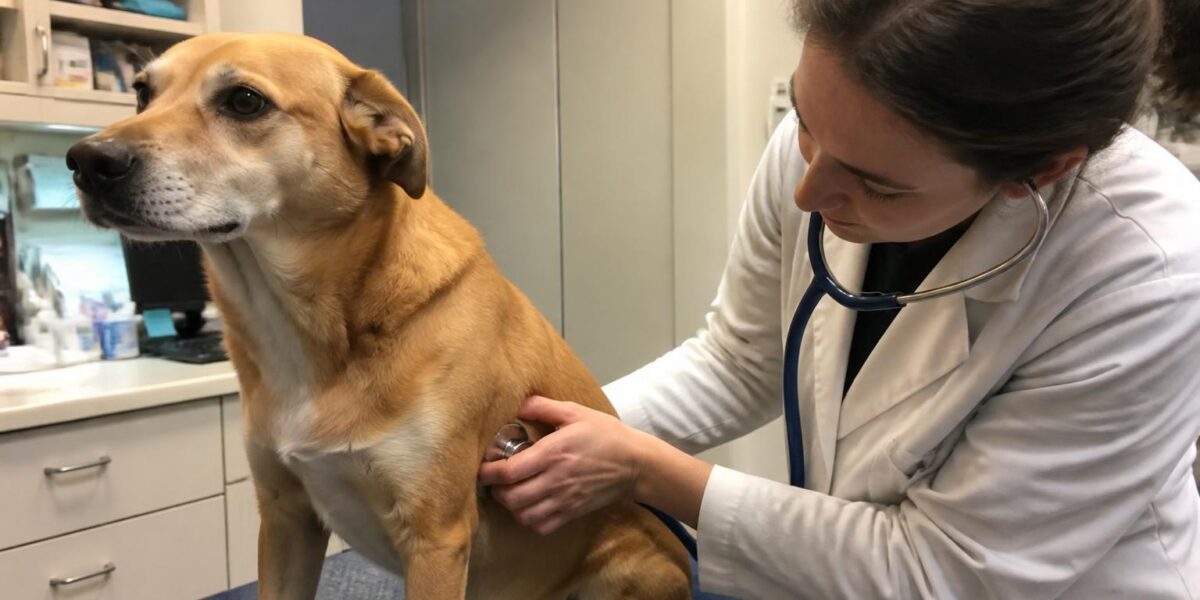
Understanding Nasal Cancer in Dogs
Nasal cancer in dogs is a localized but stubborn disease that grows inside the nasal cavity, the network of bone and soft tissue that warms, humidifies, and filters every breath your dog takes. Because the tumor is hidden behind the bridge of the nose, owners rarely notice anything until the mass is large enough to disrupt airflow or erode through bone. By the time signs become obvious, the cancer is often advanced enough that imaging is required to map it and treatment must be planned with specialty input.
In this article
Most nasal tumors in dogs are malignant. Adenocarcinoma is the most common diagnosis, followed by other carcinomas, sarcomas like chondrosarcoma and osteosarcoma, and occasionally lymphoma. Benign growths in the nasal cavity exist but are far less common. The vast majority of dogs presenting with chronic unilateral nasal discharge or recurring nosebleeds are eventually diagnosed with cancer rather than infection or foreign body, so persistent symptoms always deserve workup.
Long-Nosed Breeds and Risk Factors
Dolichocephalic breeds, the long-nosed breeds, are over-represented in nasal cancer cases. Collies, German Shepherds, Labrador Retrievers, Golden Retrievers, and Airedales appear more often in published case series than would be expected by chance. The leading explanation is the larger nasal cavity creates more surface area for inhaled environmental carcinogens to deposit. Some research has also suggested links to urban air pollution, indoor smoke exposure, and the use of certain insecticides, though no single environmental factor explains every case.
Age is the other big risk factor. Most affected dogs are seniors, with a typical age range from late middle-aged through geriatric. Males may be slightly over-represented in some studies. There is no proven preventive intervention beyond keeping your home smoke-free and pursuing investigation of chronic nasal symptoms rather than chasing them with serial antibiotic courses.
Recognizing the Warning Signs
Nasal cancer typically announces itself with chronic, slowly worsening nasal symptoms that fail to fully resolve with antibiotics or anti-inflammatories. The most common early sign is unilateral nasal discharge, often starting as clear or mucoid and progressing to bloody or pus-tinged. Sneezing, snorting, and a change in breathing pattern are also common. Some dogs paw at their face or rub their nose against furniture.
As the tumor grows, more concerning signs appear. Facial deformity, a visible bump or asymmetry over the bridge of the nose, exophthalmos (one eye looking pushed forward), and seizures from extension into the cranial cavity all signal advanced disease. Recurrent epistaxis, frank nosebleeds, is another classic presentation. Any senior dog with persistent unilateral nasal symptoms deserves more than another round of antibiotics.
Why CT Imaging Is Essential
Plain skull radiographs are rarely useful for nasal tumors because overlapping bony structures obscure the nasal cavity. Computed tomography (CT) is the standard imaging tool for diagnosing and planning treatment of nasal cancer. CT shows the extent of soft-tissue mass, bone destruction, sinus involvement, cribriform plate erosion (the bony plate separating nose from brain), and lymph node enlargement. Without CT, treatment planning, especially radiation planning, simply cannot be done well.
MRI is an alternative for some cases, particularly if the tumor extends toward the brain. CT is more commonly used because it is faster, more available, and shows bone changes more clearly. Either way, expect that your primary vet will refer you to a specialty hospital with advanced imaging capabilities and a board-certified radiologist (ACVR) to interpret the study. Realistic cost expectations for CT studies run in the low thousands of dollars range; ask your vet about cost ranges in your area.
Diagnostic Workup
The full workup typically begins with a thorough history and physical exam, followed by routine bloodwork to check organ function and rule out concurrent disease. Coagulation testing may be added because the nasal cavity is highly vascular and biopsy carries a real risk of bleeding. From there, your vet will move to imaging, with CT as the centerpiece. Once the tumor is mapped, a tissue sample is required for definitive diagnosis. This usually involves rhinoscopy, which lets a specialist visualize the nasal cavity and take targeted biopsies, or a blind biopsy under anesthesia.
Histopathology determines the exact tumor type, which guides treatment. Lymph node aspirates and three-view chest radiographs help with staging. The good news for most owners is that nasal cancer tends to stay locally aggressive rather than metastasize early, so distant spread is uncommon at diagnosis. Local invasion into the surrounding bone and brain is the more pressing concern. Ask your primary vet for a referral to a board-certified oncologist (ACVIM-Oncology) once the diagnosis is suspected.
Radiation as the Primary Treatment
Radiation therapy is the cornerstone of treatment for most nasal carcinomas and sarcomas. Surgery alone is rarely curative because the nasal cavity has too many bony nooks and crannies for clean margins, and the nearby brain, eyes, and palate make aggressive resection risky. Modern radiation protocols, including stereotactic radiation therapy (SRT) and intensity-modulated radiation therapy (IMRT), allow precise targeting of the tumor while sparing surrounding healthy tissue.
Conventional fractionated radiation typically involves multiple sessions over several weeks, each requiring a brief general anesthetic to keep the dog still. Stereotactic protocols compress treatment into a smaller number of higher-dose sessions. Side effects can include skin and eye inflammation, oral mucositis, and rarely longer-term effects on the eyes or jaw. Your radiation oncologist will walk you through expected side effects and how to manage them.
Other Treatment Options
Chemotherapy is sometimes used as an adjunct to radiation, particularly for nasal lymphoma, where chemotherapy may even replace radiation as the primary treatment. Surgery has limited utility but may be considered in select cases, especially debulking before radiation. Palliative radiation, a shorter course aimed at comfort rather than cure, is an option for families who cannot pursue full-course treatment. Toceranib (Palladia) is a targeted therapy that some oncologists incorporate into protocols for select cases.
Pain control matters at every stage. Many dogs with nasal cancer benefit from a combination of NSAIDs and adjunctive medications. Brand-name NSAIDs like Onsior and Galliprant can be discussed with your vet. Gabapentin is sometimes added for nerve-related discomfort. Your oncologist will tailor pain control to your specific dog. For broader context on canine cancer care, see our cancer in dogs overview.
Symptomatic care for nasal congestion and discharge can include humidified air at home, gentle wiping of the nostrils with a warm damp cloth, and monitoring for nosebleeds. If a frank, persistent nosebleed develops, contact your veterinary team because some bleeding episodes warrant evaluation rather than home management. Owners are sometimes the first to notice subtle changes in nasal airflow or facial symmetry that signal disease progression, so trust your sense of how your dog is doing day to day.
Prognosis and Quality of Life
Prognosis depends heavily on tumor type, stage at diagnosis, and the treatment chosen. Without treatment, median survival is generally short, often a few months. With definitive radiation, many dogs gain meaningful additional time with good quality of life. Lymphoma cases, when treated with chemotherapy, can do quite well. Specific survival numbers vary by study and by patient; your oncologist can give realistic expectations based on your dog’s exact situation.
Quality of life is the metric that matters most to families. A dog who is breathing comfortably, eating well, and engaging with the household is doing well regardless of what imaging shows. The ASPCA Pet Loss Hotline at 877-474-3310 is a resource for families navigating end-of-life decisions. Veterinary social workers, hospice services, and online support communities are all reasonable supplements to in-person care.
Living with a Dog Diagnosed with Nasal Cancer
Day-to-day management focuses on comfort, hydration, and infection control. Many dogs develop secondary bacterial infections in the nasal cavity, so periodic antibiotic courses may be part of the picture. Saline nasal flushes can help some dogs, but never use products without veterinary guidance. Keep your dog’s environment smoke-free, keep household irritants like aerosol sprays minimal, and provide a soft bed and easy access to water and food.
Nutritional support matters more than many owners realize. Dogs with nasal cancer often have a reduced sense of smell, which can affect appetite. Warming food slightly to enhance aroma, offering smaller more frequent meals, and trying a few different textures (soft, semi-moist, kibble softened with broth) can help maintain food intake. If your dog stops eating for more than a day, contact your vet because appetite stimulants and anti-nausea medications can make a real difference. A feeding tube is sometimes considered for dogs whose appetite cannot be supported orally; this is less invasive than many owners expect and can be a quality-of-life-saving intervention.
If you are considering adoption and worry about the senior cancer reality, please don’t let it dissuade you. Senior adopters provide soft landings that change lives. Browse our adopt-a-dog hub for senior dogs looking for homes. For owners coordinating specialist care, our veterinary specialist cost breakdown helps set realistic expectations for the financial picture. Most families find that the day-to-day reality of living with a dog through cancer treatment is more manageable than they feared, particularly when the veterinary team includes both a primary vet and an oncologist who can coordinate ongoing care.
Frequently Asked Questions
Is nasal cancer in dogs always malignant?
The vast majority of nasal tumors in dogs are malignant, with adenocarcinoma being most common. Benign nasal growths are rare. Any persistent unilateral nasal discharge or recurring nosebleed in a senior dog warrants imaging.
How is nasal cancer in dogs diagnosed?
CT imaging plus rhinoscopy with biopsy is the standard workflow. Plain skull radiographs are not adequate. Histopathology determines the exact tumor type and guides treatment.
Can surgery alone cure nasal cancer in dogs?
Surgery alone is rarely curative because the nasal cavity is full of bony recesses where clean margins are impossible. Radiation therapy is the cornerstone of treatment for most nasal cancers in dogs.
What does radiation therapy involve for a dog?
Modern protocols use precise targeting to spare healthy tissue. Treatment requires multiple anesthetic sessions, either fractionated over several weeks or in fewer high-dose stereotactic sessions. Side effects are usually manageable with veterinary support.
Are some breeds more prone to nasal cancer?
Long-nosed breeds, including Collies, German Shepherds, Labradors, Golden Retrievers, and Airedales, appear more often than expected in published cases. Senior age is the strongest risk factor across breeds.


