
Last updated: March 28, 2026
In this article
Pancreatitis in Dogs: Symptoms, Treatment & Diet
If your dog has ever suddenly refused food, started vomiting, or seemed to be in serious abdominal pain, pancreatitis may have been the culprit. Pancreatitis in dogs is one of the most common and potentially dangerous digestive conditions veterinarians see, and it can range from a mild upset stomach to a full-blown medical emergency.
Whether you are a first-time dog owner or have had pups your whole life, understanding pancreatitis is essential. Early detection and proper management can make all the difference in your dog’s recovery and long-term health. In this guide, we will walk you through everything you need to know about this condition, from the very first warning signs to the dietary changes that can help keep your dog safe.
What Is Pancreatitis in Dogs?
The pancreas is a small but mighty organ located near the stomach and small intestine. Its job is twofold: it produces digestive enzymes that help break down food, and it releases hormones like insulin that regulate blood sugar levels. When everything is working properly, those digestive enzymes are only activated once they reach the small intestine.
Pancreatitis occurs when those enzymes activate prematurely, right inside the pancreas itself. This causes the organ to essentially start digesting itself, leading to inflammation, swelling, and significant pain. The condition can be acute, meaning it comes on suddenly, or chronic, meaning it develops over time with repeated low-grade episodes.
Both forms are serious. Acute pancreatitis can escalate rapidly and become life-threatening within hours, while chronic pancreatitis can cause lasting damage to the pancreas and lead to other complications like diabetes or exocrine pancreatic insufficiency.
Causes and Risk Factors
Pancreatitis can strike any dog at any age, but certain factors make some dogs more vulnerable than others. Understanding these risk factors can help you take preventive measures.
Dietary indiscretion is one of the most common triggers. Dogs that get into the trash, eat table scraps, or consume a large amount of fatty food in one sitting are at high risk. Holiday weekends are notorious for pancreatitis cases at veterinary emergency clinics, often because well-meaning family members share rich foods with the family dog.
Obesity is another major risk factor. Overweight dogs are significantly more likely to develop pancreatitis, and their episodes tend to be more severe. Keeping your dog at a healthy weight is one of the best things you can do for their pancreatic health.
Certain breeds are predisposed to the condition. Miniature Schnauzers, Cocker Spaniels, Yorkshire Terriers, and Miniature Poodles seem to develop pancreatitis more frequently than other breeds. If you are exploring different breeds before adopting, our dog breeds directory can help you learn about breed-specific health considerations.
Other contributing factors include certain medications such as some antibiotics and chemotherapy drugs, hormonal conditions like hypothyroidism and Cushing’s disease, trauma to the abdomen, and in some cases, there is no identifiable cause at all. These idiopathic cases can be frustrating for both pet owners and veterinarians.
Recognizing the Symptoms
The symptoms of pancreatitis can range from subtle to severe, and they often mimic other gastrointestinal conditions. Knowing what to watch for can help you get your dog to the vet faster.
The most common signs include repeated vomiting, loss of appetite or complete refusal to eat, abdominal pain often shown by a hunched posture or reluctance to be touched around the belly, lethargy and depression, diarrhea which may be bloody in severe cases, fever, and dehydration.
Some dogs adopt what veterinarians call the prayer position, where they stretch their front legs out and keep their rear end raised. This posture helps relieve pressure on the painful abdomen and is a classic sign of abdominal discomfort.
In mild cases, you might notice your dog just seems off. They may eat less than usual, seem quieter than normal, or have occasional soft stools. These subtle signs are easy to dismiss, but if they persist for more than a day or two, a veterinary check-up is warranted.
Severe cases can progress to shock, organ failure, and even death if not treated promptly. If your dog is vomiting repeatedly, appears to be in significant pain, or is becoming increasingly lethargic, treat it as an emergency and get to a veterinarian immediately.
How Pancreatitis Is Diagnosed
Diagnosing pancreatitis is not always straightforward because the symptoms overlap with many other conditions. Your veterinarian will use a combination of clinical examination, blood work, and imaging to reach a diagnosis.
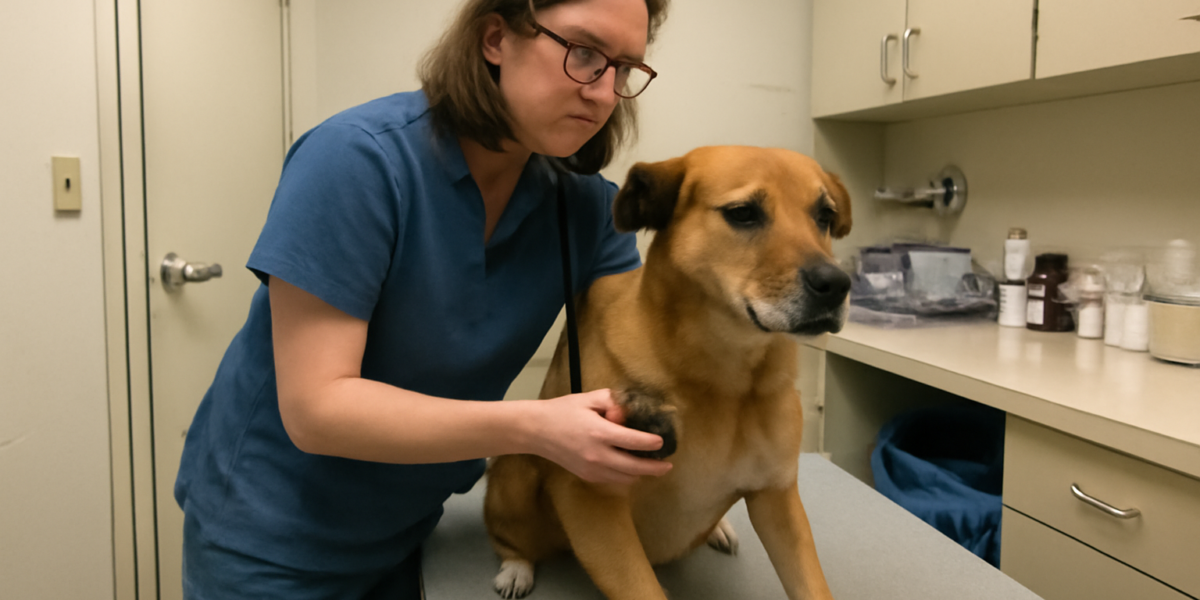
During the physical exam, your vet will check for abdominal pain, dehydration, fever, and other signs consistent with pancreatitis. They will also ask about your dog’s recent diet, any access to fatty foods or garbage, and whether similar episodes have happened before.
Blood tests are a crucial part of the diagnostic process. A specific test called canine pancreatic lipase immunoreactivity, or cPLI, is the most reliable blood marker for pancreatitis. Elevated levels of this enzyme strongly suggest pancreatic inflammation. General blood work will also be run to check for elevated white blood cells, liver enzyme changes, and other abnormalities.
Abdominal ultrasound is often the imaging modality of choice. It can reveal an enlarged, inflamed pancreas, fluid accumulation around the organ, and changes in surrounding tissues. X-rays may also be taken to rule out other causes of abdominal pain, such as a foreign body obstruction.
In some cases, especially mild ones, the diagnosis may be made based on clinical signs and response to treatment rather than definitive test results. Your vet may start treatment for suspected pancreatitis and adjust the plan based on how your dog responds.
Treatment Options
Treatment for pancreatitis depends on the severity of the condition. There is no magic pill that cures pancreatitis. Instead, treatment focuses on supporting the body while the pancreas heals and managing symptoms to keep your dog comfortable.
Hospitalization is often necessary for moderate to severe cases. Intravenous fluids are the cornerstone of treatment, as they correct dehydration, maintain blood pressure, and support organ function. Pain management is equally important, as pancreatitis is an intensely painful condition. Your vet will use injectable pain medications to keep your dog comfortable.
Anti-nausea medications help control vomiting and allow the dog to begin tolerating food again. Antibiotics may be prescribed if there is concern about secondary bacterial infection, though they are not always necessary.
In the past, veterinarians often withheld food for 24 to 48 hours to let the pancreas rest. Current research suggests that early nutritional support actually helps recovery, so most vets now recommend reintroducing small amounts of bland, low-fat food as soon as the vomiting is under control.
For mild cases, outpatient treatment may be sufficient. This typically involves anti-nausea medication, pain relief, a bland diet, and close monitoring at home. However, if your dog is not improving within 24 to 48 hours on outpatient care, hospitalization should be considered.
Severe cases may require intensive care, plasma transfusions, and treatment for complications like disseminated intravascular coagulation or organ failure. These cases carry a more guarded prognosis and can require extended hospital stays.
Diet and Long-Term Management
Diet is arguably the most important factor in managing pancreatitis and preventing recurrence. Once your dog has had an episode, their pancreas is more vulnerable to future flare-ups, so permanent dietary changes are usually necessary.
The key dietary principle is low fat. Dogs recovering from pancreatitis should be fed a diet that contains no more than 10 percent fat on a dry matter basis. Many veterinary prescription diets are formulated specifically for this purpose. Your vet can recommend the best option for your dog.
During the initial recovery period, offer small, frequent meals rather than one or two large ones. This puts less stress on the digestive system and helps the pancreas ease back into its normal function. Boiled chicken breast with plain white rice is a common initial recovery diet, but it should not be used long-term as it is not nutritionally complete.
Avoid all table scraps, fatty treats, and rich foods permanently. This means no bacon, no cheese, no buttery leftovers, and no rawhide chews. Instead, look for low-fat commercial treats or use small pieces of lean cooked chicken or vegetables like green beans and carrots as rewards.
Some dogs benefit from digestive enzyme supplements, especially those who develop chronic pancreatitis or exocrine pancreatic insufficiency. Probiotics may also help support digestive health during and after recovery.
Prevention Strategies
While not all cases of pancreatitis can be prevented, especially those with genetic components, there is a lot you can do to reduce your dog’s risk.
Maintain a consistent, low-fat diet and resist the temptation to share your meals with your dog. Educate everyone in your household, including children and guests, about the importance of not feeding the dog from the table.
Keep your dog at a healthy weight through proper portion control and regular exercise. If your dog is overweight, work with your vet to develop a safe weight loss plan. Crash diets are not appropriate for dogs and can cause their own health problems.
Secure your garbage cans and keep fatty foods out of reach. Dogs are opportunistic eaters and will happily raid the trash if given the chance. Use pet-proof garbage cans and be mindful of food left on counters.
If your dog is on medications known to increase pancreatitis risk, discuss this with your vet. There may be alternative medications or additional monitoring that can help reduce the risk.
Regular veterinary check-ups are also important, especially for breeds prone to pancreatitis. Early detection of risk factors like obesity, elevated lipid levels, or hormonal imbalances allows for proactive management before pancreatitis develops.
Prognosis and What to Expect
The prognosis for pancreatitis varies widely depending on the severity of the episode and how quickly treatment is initiated. Mild cases generally respond well to treatment, and most dogs make a full recovery within a few days to a week.
Moderate cases may require several days of hospitalization and a longer recovery period at home. Most of these dogs also recover well with proper care, though they may need to stay on a restricted diet permanently.
Severe cases, particularly those involving organ failure or other complications, carry a more guarded prognosis. The mortality rate for severe acute pancreatitis can be significant, which is why early veterinary intervention is so critical.
Dogs that have had one episode of pancreatitis are at increased risk for future episodes. With proper dietary management and lifestyle adjustments, many dogs live long, happy lives after a pancreatitis diagnosis. The key is commitment to the recommended dietary and lifestyle changes.
If you are considering adopting a dog and want to be prepared for any health challenges that may arise, educating yourself about conditions like pancreatitis is a great first step. A well-informed pet parent is a dog’s best advocate.
Frequently Asked Questions About Pancreatitis in Dogs
Can pancreatitis in dogs be cured permanently?
Pancreatitis itself can resolve with treatment, but there is no permanent cure that guarantees it will never return. Once a dog has had pancreatitis, they are more susceptible to future episodes. However, with careful dietary management, maintaining a healthy weight, and avoiding fatty foods, many dogs never experience another episode. Think of it as a condition you manage rather than one you cure outright.
What should I feed my dog after a pancreatitis episode?
After a pancreatitis episode, your dog should be transitioned to a low-fat diet. During initial recovery, small frequent meals of boiled chicken breast and plain white rice are commonly recommended. For long-term management, your veterinarian will likely recommend a veterinary prescription low-fat diet that provides complete and balanced nutrition. Fat content should generally be below 10 percent on a dry matter basis. All table scraps and fatty treats should be eliminated permanently.
How long does it take for a dog to recover from pancreatitis?
Recovery time depends on the severity of the episode. Mild cases may resolve within three to five days with appropriate treatment. Moderate cases typically require five to seven days of active treatment, with full recovery taking two to three weeks. Severe cases can require weeks of intensive care and months of gradual recovery. Even after clinical signs resolve, the pancreas may still be healing, so it is important to follow your vet’s dietary recommendations throughout the entire recovery period.
Is pancreatitis in dogs an emergency?
Pancreatitis can absolutely be an emergency, particularly in severe cases. If your dog is vomiting repeatedly, refusing all food, showing signs of severe abdominal pain, becoming increasingly lethargic, or showing signs of shock such as pale gums and rapid breathing, seek emergency veterinary care immediately. Even milder cases should be seen by a veterinarian within 24 hours, as the condition can escalate quickly without proper treatment.
Can certain dog breeds get pancreatitis more easily?
Yes, certain breeds are predisposed to pancreatitis. Miniature Schnauzers are particularly susceptible due to their tendency toward high blood lipid levels. Other breeds with increased risk include Cocker Spaniels, Yorkshire Terriers, Miniature Poodles, and some terrier breeds. However, any dog of any breed can develop pancreatitis, especially if they are overweight or consume a high-fat diet. You can learn more about breed-specific health concerns in our dog breeds directory.
Can stress cause pancreatitis in dogs?
While stress alone is not typically a direct cause of pancreatitis, it can be a contributing factor. Stressful events like boarding, travel, surgery, or changes in the household can potentially trigger an episode in a dog that is already predisposed to the condition. Stress can also lead to changes in eating behavior, such as gorging on food, which may contribute to pancreatic inflammation. Keeping your dog’s environment as stable and stress-free as possible is a good practice for overall health.
Is pancreatitis painful for dogs?
Yes, pancreatitis is very painful for dogs. The inflammation and self-digestion of the pancreas causes significant abdominal pain. Dogs may show this through vomiting, a hunched posture, reluctance to move, whimpering, restlessness, or the prayer position where they stretch forward with their chest on the ground and rear end elevated. Adequate pain management is a critical component of pancreatitis treatment, and you should never ignore signs of abdominal discomfort in your dog.


