
Last updated: March 26, 2026
In this article
- Planning Your Route
- Pet-Friendly Stops Along the Way
- Car Safety: Crates, Harnesses, and Barriers
- The Complete Packing Checklist
- Rest Stop Routine
- Feeding Schedule on the Road
- Motion Sickness Prevention
- Hotel Etiquette for Pet Owners
- Emergency Preparedness
- Dog vs. Cat Road Trip Differences
- Final Thoughts
- Frequently Asked Questions
Pet-Friendly Road Trip: Planning, Packing & Safety Tips
A pet-friendly road trip is one of the most rewarding experiences you can share with your four-legged companion. The open road, the new smells drifting through a cracked window, the stops at places neither of you has ever been — there is something genuinely bonding about traveling together. But a road trip with a pet demands more forethought than tossing a leash in the back seat and pulling out of the driveway. Dogs and cats have safety needs, comfort thresholds, and health vulnerabilities that change the way you plan every mile of the journey. This guide covers everything from route planning and car safety equipment to feeding schedules, motion sickness prevention, hotel etiquette, and what to pack so that your pet-friendly road trip is safe, comfortable, and something you will both want to repeat.
Planning Your Route
Route planning for a pet-friendly road trip starts with a simple question: how long can your pet comfortably ride between stops? Most dogs do well with a break every two to three hours, while cats typically prefer shorter intervals or, paradoxically, fewer disruptions if they are already settled in a carrier. Build your route around these intervals rather than around the fastest path between point A and point B.
Map out rest areas, parks, and green spaces along your route before you leave. Look for rest stops with grassy areas where your dog can walk, sniff, and relieve themselves comfortably. Avoid planning legs that stretch across long, featureless highway corridors with no services — a stressed pet in a car with no good stopping point is a recipe for accidents, both on the road and on your upholstery.
Consider the time of year. Summer road trips require careful attention to heat. A parked car can reach lethal temperatures in minutes, even with the windows cracked. Winter trips through mountain passes may require tire chains, which means more stops and more disruption. Spring and fall tend to be the most forgiving seasons for traveling with pets, offering moderate temperatures and fewer weather surprises.
If you are crossing state lines, check local leash laws and any breed-specific legislation that might apply to your dog. Some municipalities have restrictions on certain breeds, and arriving in a town where your dog is not welcome is a problem no one wants to deal with mid-trip. If you are not sure which breed your pet is, our dog breeds directory can help you identify breed characteristics that might be relevant.
Pet-Friendly Stops Along the Way
The best pet-friendly road trip stops are the ones where your pet can actually enjoy being out of the car. National forests and Bureau of Land Management areas tend to be the most dog-friendly public lands, often allowing dogs on trails as long as they are leashed. State parks vary widely — some welcome dogs on every trail, while others restrict them to campgrounds and paved paths only. Always verify the rules before you arrive.
Many chain restaurants with outdoor patios will allow leashed dogs. Pet supply stores are almost always dog-friendly, and they make excellent mid-trip stops for a bathroom break, a new chew toy, and some air conditioning. Some rest areas along major interstates have designated pet relief zones with waste bag dispensers and small fenced areas.
When stopping for gas, never leave your pet unattended in the car. If you are traveling solo, pay at the pump and keep stops brief. If you are traveling with a partner, one person should always stay with the pet. This is not just a comfort issue — in many states, leaving an animal in a parked car can result in fines or even criminal charges, depending on the temperature and circumstances.
Car Safety: Crates, Harnesses, and Barriers
An unrestrained pet in a moving vehicle is a projectile in a collision. A 60-pound dog traveling at 35 miles per hour generates roughly 2,700 pounds of force in a sudden stop. That is enough to injure or kill both the dog and any human in the path. Proper restraint is not optional for a safe pet-friendly road trip.
There are three primary restraint options, and the best choice depends on your pet’s size, temperament, and your vehicle.
Crates and carriers. A crash-tested crate secured in the cargo area or back seat is the safest option for most pets. Hard-sided crates outperform soft-sided carriers in crash tests. The crate should be large enough for your pet to stand, turn around, and lie down, but not so large that they slide around inside it. Secure the crate with straps or carabiners to the vehicle’s tie-down points. For cats, a carrier is almost always the right choice — it provides the enclosed, den-like security that most cats need to stay calm during travel.
Crash-tested harnesses. For dogs that do not tolerate crates well, a crash-tested harness attached to the vehicle’s seat belt system is a solid alternative. Look for harnesses that have been tested to federal crash-test standards. Not all pet harnesses marketed as “car safe” have actually been crash-tested — check for certification from the Center for Pet Safety or equivalent testing body. The harness should attach to a rear seat belt, never the front passenger seat where airbag deployment could be fatal.
Vehicle barriers. A barrier between the cargo area and the passenger compartment prevents your dog from climbing into the front seat or becoming a projectile in a collision. Barriers work well as a secondary measure in SUVs and wagons, but they do not replace individual restraint. A dog behind a barrier in a sudden stop will still be thrown into the barrier itself, so combining a barrier with a crate or harness provides the best protection.
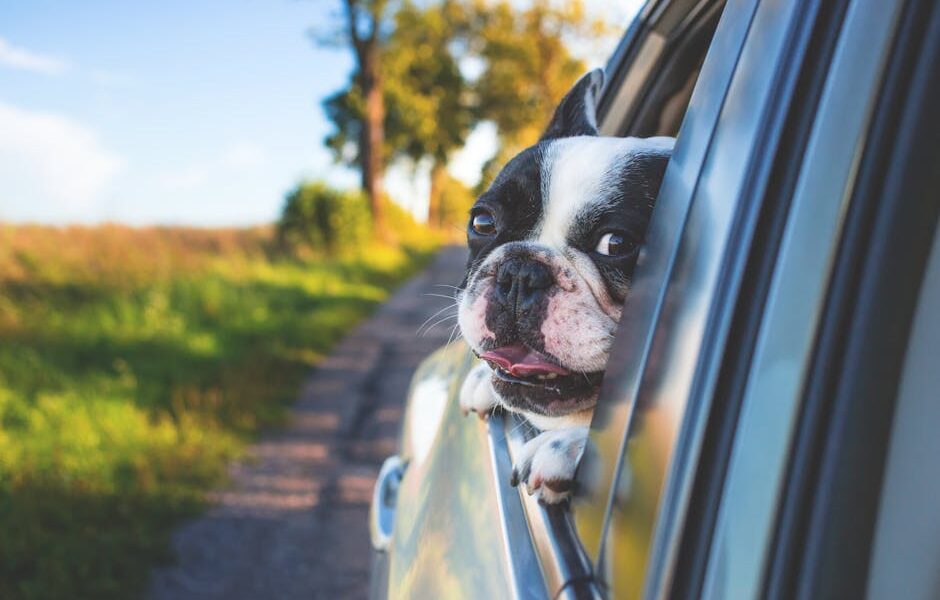
Never allow your dog to ride with their head out the window. While dogs clearly love it, debris, insects, and wind can cause eye injuries, ear infections, and respiratory irritation. A cracked window provides airflow without the risk.
The Complete Packing Checklist
Packing for a pet-friendly road trip is about anticipating needs before they become problems. Here is what should go in the car before you leave.
- Food and water. Bring enough of your pet’s regular food for the entire trip plus two extra days. Switching food mid-trip is a fast track to digestive upset. Pack a collapsible water bowl and several bottles of water from home — unfamiliar water sources can sometimes cause stomach issues.
- Leash, collar, and ID tags. Your pet should wear a collar with current ID tags at all times during the trip. Bring a spare leash. If your pet is microchipped, confirm that the registration information is current before you leave.
- Waste bags and cleaning supplies. Pack more bags than you think you need. Include paper towels, an enzyme-based cleaner for accidents in the car, and a lint roller for fur management.
- Medications. Bring a full supply of any medications your pet takes, plus a copy of the prescription. If your pet is prone to anxiety, discuss travel-specific medication options with your veterinarian before the trip.
- Comfort items. A familiar blanket, a favorite toy, or a piece of clothing that smells like you can help reduce anxiety. These items are especially important for cats, who rely heavily on scent for security.
- First aid kit. Include bandages, antiseptic wipes, tweezers for tick removal, styptic powder, hydrogen peroxide (for emergency use only, as directed by a vet), and any allergy medications your vet has approved.
- Vaccination records and health certificate. Some states and most hotels require proof of current vaccinations. A health certificate from your vet may be required if you are crossing state lines.
- Crate or carrier. Even if your dog normally rides in a harness, having a crate available for the hotel room provides a safe, familiar sleeping space.
- Portable food and water dishes. Collapsible silicone bowls take up almost no space and are easy to clean.
- Towels. For wet paws, muddy coats, and unexpected messes. Old towels work perfectly.
Rest Stop Routine
Consistency matters more than you might expect during a pet-friendly road trip. Establishing a rest stop routine gives your pet predictability in an otherwise unfamiliar situation, and predictability reduces stress.
At every stop, follow the same sequence. First, leash your pet before opening the car door — an excited dog bolting into a parking lot is a serious safety hazard. Walk them to a grassy area and give them time to relieve themselves. Offer water. Let them stretch, sniff, and move around for at least ten to fifteen minutes. Then do a quick check — look at their paws for debris or hot pavement burns, check their eyes and ears, and make sure their harness or collar has not shifted.
For cats, rest stops are handled differently. Most cats do best if they stay in their carrier during stops. Open the carrier inside the car with the doors and windows closed, offer water and a small amount of food, and let them use a small portable litter tray. Taking a cat out of the car at a rest stop is risky — an escaped cat in an unfamiliar location is extremely difficult to recover.
Plan for bathroom breaks every two to three hours at minimum. Puppies, senior dogs, and dogs with certain health conditions may need stops more frequently. Pay attention to your pet’s signals — whining, restlessness, panting, or circling are all signs that a stop is needed sooner rather than later.
Feeding Schedule on the Road
Feeding on a pet-friendly road trip requires adjustments to your pet’s normal routine. The most important rule is to avoid feeding a full meal immediately before or during a car ride. A full stomach combined with the motion of a vehicle is a reliable recipe for nausea, vomiting, or both.
Feed your pet a light meal two to three hours before departure. During the drive, stick to small, easily digestible snacks rather than full portions. If you normally feed twice a day, keep the same schedule but reduce the portion sizes and offer the larger meal at the end of the day’s driving, once you have stopped for the night and your pet has had time to settle.
Water is different — offer water at every rest stop. Dehydration is a real risk during travel, especially in warm weather or if your pet is panting from stress. Some dogs drink less when they are anxious, so encourage water intake without forcing it. Adding a small amount of low-sodium chicken broth to the water can make it more appealing for reluctant drinkers.
For cats, leave a small amount of dry food available in or near the carrier. Most cats will nibble when they feel settled enough, which is preferable to trying to enforce a feeding schedule during active travel. Fresh water should be available whenever the car is stopped.
Motion Sickness Prevention
Motion sickness is more common in pets than many owners realize. Dogs, especially puppies and young dogs whose inner ears are still developing, are particularly prone. Cats can also experience motion sickness, though they more often express travel discomfort through vocalization and withdrawal rather than vomiting.
Signs of motion sickness in dogs include excessive drooling, lip licking, yawning, whining, restlessness, and vomiting. Cats may drool, vocalize loudly, pant, or become unusually still and withdrawn.
Prevention starts before the trip. If your pet has never traveled by car, take several short practice drives in the weeks before your road trip. Start with five-minute rides and gradually increase the duration. Pair each ride with something positive — a favorite treat, a trip to a fun destination, praise and calm reassurance. This desensitization process helps your pet associate the car with positive experiences rather than anxiety.
On the day of travel, keep the car cool and well-ventilated. Crack a window slightly for fresh air. Position your pet so they can see out the window, as visual input helps the brain reconcile the motion signals from the inner ear. Avoid strong air fresheners or perfumes in the vehicle.
For pets with persistent motion sickness, consult your veterinarian about medication options. There are prescription anti-nausea medications specifically formulated for dogs that are safe and effective for travel. Over-the-counter options exist as well, but dosing and safety vary, so always get veterinary guidance before administering anything.
Natural calming aids — such as pheromone sprays, calming treats, or a ThunderShirt-style compression garment — can help with the anxiety component of motion sickness, even if they do not address the nausea directly.
Hotel Etiquette for Pet Owners
Staying in pet-friendly hotels comes with responsibilities that go beyond paying the pet fee. How pet owners behave in hotels directly affects whether those hotels continue to welcome animals, so treating the privilege seriously matters for every pet traveler who comes after you.
Book pet-friendly accommodations in advance and confirm the pet policy before arrival. Policies change, weight limits vary, and some hotels charge per-night pet fees while others charge a flat deposit. Know what you are agreeing to before you check in.
Never leave your pet unattended in the hotel room unless they are crate-trained and calm when alone. A dog barking for hours in an empty room will generate complaints and may result in you being asked to leave. If you must leave briefly, crate your pet, leave the television or a white noise machine on for background sound, and keep the absence as short as possible.
Bring a sheet or blanket to cover the hotel bedding if your pet will be on the bed. Clean up any fur, accidents, or messes before checkout. Walk your dog in designated pet areas, not on manicured lawns or near pool areas. Always pick up after your pet immediately.
Keep your pet leashed in all common areas — hallways, elevators, lobbies, and parking lots. Not every guest is comfortable around animals, and not every animal in the hotel is comfortable around yours. A calm, well-managed pet in a hotel is an ambassador for every pet owner who books that room in the future.
Emergency Preparedness
No one plans for emergencies, but every good pet-friendly road trip plan accounts for them. Before you leave, research veterinary emergency clinics along your route and at your destination. Save their addresses and phone numbers in your phone. In an unfamiliar area at 11 p.m. with a sick pet, you do not want to be searching for help from scratch.
Carry a pet-specific first aid kit — the one on your packing list above. Know the basics of pet first aid: how to stop bleeding with direct pressure, how to perform a basic assessment of breathing and heart rate, and how to safely muzzle an injured dog that might bite out of pain. Your vet can walk you through these skills at a pre-trip checkup.
Make sure your pet’s microchip registration is current with your phone number and an emergency contact. Attach a temporary travel tag to your pet’s collar with your cell phone number and your destination address. If your pet escapes in an unfamiliar area, this information dramatically increases the chances of recovery.
Keep a recent photo of your pet on your phone — not an artsy, filtered photo, but a clear, well-lit image that shows their size, coloring, and any distinguishing markings. If you need to make a lost pet flyer quickly, this photo could make the difference.
If your pet has a chronic health condition, carry a written summary of their medical history, current medications, and your home veterinarian’s contact information. In an emergency, this allows a treating vet to make faster, better-informed decisions.
Dog vs. Cat Road Trip Differences
Dogs and cats experience road trips in fundamentally different ways, and understanding these differences is essential for keeping both species safe and comfortable.
Most dogs are naturally more adaptable to travel. They are social animals who are generally happy to be wherever their person is, and many dogs actively enjoy car rides. The primary challenges with dogs on road trips are physical — restraint, exercise needs, bathroom breaks, and heat management. Dogs also tend to be more interactive during stops, which makes rest breaks more straightforward and often more enjoyable.
Cats, on the other hand, are territorial creatures who derive security from familiar environments. Removing a cat from their territory and placing them in a moving vehicle violates nearly every instinct they have. The primary challenges with cats are psychological — stress, fear, and the disruption of routine. Most cats do best when they can retreat into a carrier that smells like home and be left largely undisturbed during the drive.
For dogs, frequent stops with active walks and exploration are ideal. For cats, fewer disruptions and a quiet, stable carrier environment are usually better. Dogs often benefit from seeing out the window. Cats often do better with a carrier partially covered by a familiar blanket, which reduces visual stimulation and creates a den-like feeling.
Litter needs are the most practical difference. Dogs relieve themselves at rest stops with minimal equipment. Cats need a portable litter tray, litter, and the privacy to use it — usually inside the parked car with doors closed. Disposable litter trays with pre-filled litter make this easier to manage.
If you are considering adopting a travel-ready companion, our adoption page can connect you with dogs and cats whose temperaments are well-suited to life on the road. Many shelter pets — especially adult dogs who have already been socialized and exposed to various environments — adapt to car travel more readily than you might expect.
Final Thoughts
A well-planned pet-friendly road trip strengthens the bond between you and your pet in ways that daily life simply cannot replicate. The shared experiences, the new environments, and the extended time together create memories that matter — even if your pet’s version of those memories is mostly about the incredible smells at that rest stop in New Mexico. The planning takes effort, the packing takes space, and the frequent stops add time to every drive. But the alternative — leaving your pet behind and worrying about them while you are gone — is almost always worse. Plan carefully, pack thoroughly, prioritize safety, and enjoy the ride together.
Frequently Asked Questions
How long can a dog ride in a car without a break?
Most adult dogs should have a break every two to three hours during a road trip. Puppies, senior dogs, and dogs with health conditions may need stops every hour. During each break, allow at least ten to fifteen minutes for your dog to walk, relieve themselves, drink water, and stretch. Pay attention to your dog’s behavior — restlessness, whining, or panting are signals that a stop is needed sooner.
Can I take my cat on a road trip?
Yes, but cats generally find travel more stressful than dogs do. Keep your cat in a secure carrier for the entire drive, cover the carrier partially with a familiar blanket, and minimize disruptions. Practice with short car rides before the trip to help your cat acclimate. Some cats travel well with the help of veterinarian-prescribed calming medication, so discuss this option at a pre-trip vet visit.
What is the safest way for a dog to ride in a car?
The safest option is a crash-tested crate secured in the back seat or cargo area of the vehicle. If a crate is not practical, a crash-tested harness attached to the rear seat belt system is the next best option. Never allow a dog to ride unrestrained, in the front seat, or in the bed of a pickup truck. An unrestrained pet becomes a dangerous projectile in any sudden stop or collision.
How do I prevent my dog from getting car sick?
Feed a light meal two to three hours before travel rather than right before departure. Keep the car cool and well-ventilated, crack a window for fresh air, and position your dog where they can see out the window. For persistent motion sickness, ask your veterinarian about anti-nausea medication. Gradual desensitization through short practice drives in the weeks before the trip can also help significantly.
Do I need a health certificate to travel with my pet across state lines?
Requirements vary by state. Some states require a Certificate of Veterinary Inspection (health certificate) issued within a specific timeframe before travel, while others do not. Most pet-friendly hotels and all airlines require proof of current vaccinations. To be safe, visit your veterinarian within ten days of departure for a health check and ask for a health certificate and copies of vaccination records.
What should I do if my pet escapes during a road trip?
Stay calm and act quickly. Search the immediate area, as most escaped pets do not travel far initially. Contact local animal control and nearby veterinary clinics. Post on local lost pet social media groups with a clear photo and your location. If your pet is microchipped with current contact information, notify the microchip company. A temporary travel tag on your pet’s collar with your cell phone number greatly improves the chances of a quick reunion.


