
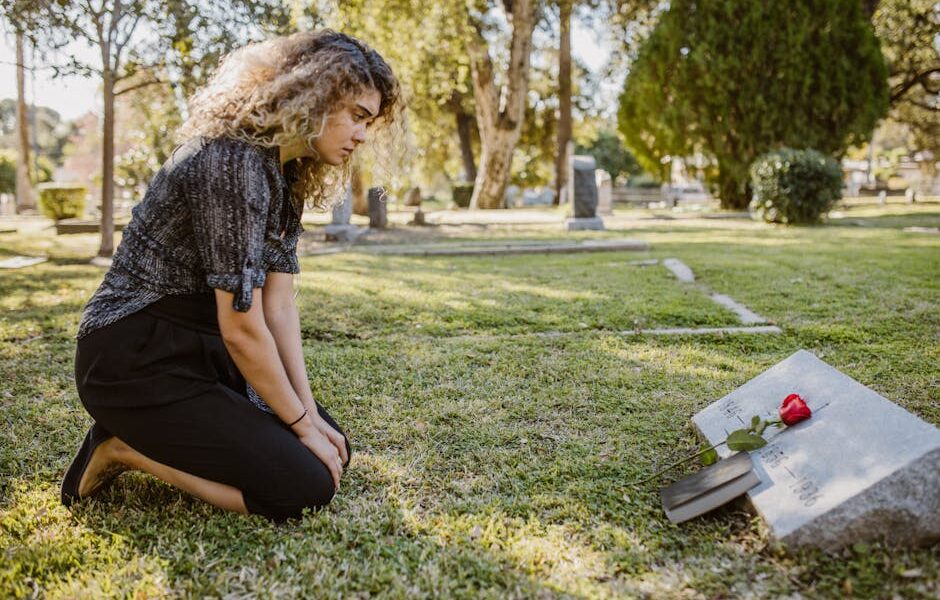
Pet Grief: A Compassionate Guide to Coping With the Loss of a Pet
The house is too quiet. The leash hangs by the door unused. The food bowl sits empty in the kitchen. You catch yourself listening for the sound of nails clicking on the floor or the soft thud of a body settling into a favorite spot. The loss of a pet leaves a physical absence that is felt in every room and every routine. If you are reading this, you are likely in the middle of that absence, and the pain you feel is both entirely real and entirely valid.
In this article
Key Takeaway: Grieving a pet is not a sign of weakness or an overreaction. The bond you shared was genuine and deep, and the grief that follows is a natural response to a meaningful loss. Give yourself permission to mourn fully.
Why Pet Loss Hurts So Deeply
People who have never experienced the loss of a beloved pet sometimes underestimate its impact. Comments like “it was just a cat” or “you can always get another dog” reveal a fundamental misunderstanding of the human-animal bond. The relationship you had with your pet was not casual or replaceable. It was built over years of daily presence, unconditional affection, and shared experience. Your pet was woven into the fabric of your daily life in ways that most human relationships are not.
Consider the sheer volume of interaction. You fed your pet every day. You greeted them every morning and came home to them every evening. They were present for your best days and your worst. They did not judge, criticize, or hold grudges. They offered a purity of companionship that is rare in any relationship. When that presence is removed, the void extends into every corner of your routine.
Research supports what grieving pet owners already know intuitively. Studies published in psychological journals have found that the grief experienced after pet loss is comparable in intensity and duration to the grief experienced after losing a close human family member. The attachment bonds formed with pets — strengthened by physical touch, daily caregiving, and the perception of unconditional love — activate the same neurological attachment systems as human bonds.
The grief may also be complicated by factors unique to pet loss. Many pet owners make end-of-life decisions for their animals, carrying the weight of having chosen the moment of death. If you recently made a euthanasia decision for your dog, you may be processing both the loss itself and guilt about the decision — even when you know it was the right one. This dual burden is one of the distinctive features of pet bereavement.
Additionally, societal support for pet grief is often inadequate. There are no standard rituals — no funeral attended by dozens, no bereavement leave from work, no casseroles delivered to the door. This lack of social recognition, which psychologists call “disenfranchised grief,” can make pet owners feel isolated in their pain and reluctant to express the depth of their loss for fear of being dismissed.
The Stages and Waves of Pet Grief
Grief does not follow a neat linear progression, despite the popular conception of distinct stages. You may experience shock, denial, anger, bargaining, depression, and acceptance — but not necessarily in that order, and not necessarily just once each. Grief tends to come in waves. You may feel relatively stable for an afternoon, then be overwhelmed by tears when you find a toy under the couch. This wave-like pattern is normal and does not mean you are regressing.
Shock and numbness. In the immediate aftermath of your pet’s death, you may feel a sense of unreality. Going through the motions of daily life while feeling disconnected from everything around you is common. Some people describe feeling nothing at first and then worry that they are not grieving properly. The numbness is itself a grief response — it is your mind’s way of protecting you from the full force of the loss before you are ready to process it.
Intense sadness and longing. As the numbness recedes, the sadness often hits hard. You may cry frequently and unpredictably. You may feel a physical ache in your chest. The longing for your pet — to hear them, touch them, see them one more time — can be overwhelming. Mornings and evenings are often the hardest, as these are the times most associated with pet care routines.
Guilt. Guilt is one of the most common and persistent emotions in pet grief. You may question every decision you made — whether you did enough, whether you waited too long or not long enough, whether a different treatment might have helped. This guilt is almost always unwarranted. The fact that you are grieving this deeply is evidence of how much you loved and cared for your pet. You made the best decisions you could with the information you had at the time.
Anger. Some people feel anger during pet grief — at the illness that took their pet, at a veterinarian they feel made a mistake, at friends who do not understand, or at themselves. Anger is a normal part of grief and does not need to be rationalized or justified. It is simply part of the emotional processing your mind is doing.
Gradual adjustment. Over time — and the timeline varies enormously from person to person — the acute pain begins to soften. This does not mean you forget or stop caring. It means you slowly learn to carry the loss alongside the rest of your life rather than being consumed by it. You may begin to smile at memories that previously only brought tears. This shift is not betrayal; it is healing.
Practical Coping Strategies
Grief cannot be shortcut or bypassed, but certain strategies can help you move through it in a healthy way rather than becoming stuck in it.
Allow yourself to feel it. The impulse to suppress grief — to be strong, to move on quickly, to not make others uncomfortable — is counterproductive. Grief that is suppressed does not disappear. It goes underground and resurfaces in other ways: irritability, insomnia, physical symptoms, or prolonged depression. Give yourself explicit permission to cry, to be sad, to miss your pet fiercely and openly.
Talk about your pet. Share your feelings with people who understand. This might be a friend who has experienced pet loss, a family member who also loved the pet, or an online community of people who are going through similar losses. Pet loss support groups, both in-person and online, provide a space where the depth of your grief is understood and validated without the need for explanation or justification.
Create a memorial or ritual. Many people find comfort in honoring their pet’s memory in a tangible way. This might be creating a photo album or memory box, planting a tree or garden in their name, commissioning a portrait, writing a letter to them, or making a donation to an animal rescue in their honor. These acts provide a sense of purpose during a time when everything feels purposeless and create a lasting tribute that you can return to.
Maintain your routines. The loss of a pet disrupts daily patterns that may have been in place for years. The walk you took every morning, the feeding schedule, the evening cuddle on the couch — these routines provided structure and meaning. In their absence, try to maintain other routines and create new ones. Get outside for a walk even without a leash in your hand. Eat at regular times. Keep a consistent sleep schedule. Structure provides an anchor when everything feels unmoored.
Take care of your physical health. Grief is physically exhausting. Your immune system may be slightly suppressed, your sleep disrupted, your appetite altered. Be intentional about self-care during this period. Stay hydrated, eat nourishing food even when you do not feel hungry, rest when you need to, and move your body gently. This is not about performing wellness — it is about supporting the body that is doing the heavy work of processing a major loss.
Be patient with yourself. There is no correct timeline for grief. Some people feel noticeably better after a few weeks; others carry acute grief for months. Neither is wrong. Do not compare your process to anyone else’s, and do not let anyone else’s expectations dictate how long you should be “over it.” You will not be over it. You will be through it — eventually, at your own pace.
Supporting Others Who Are Grieving a Pet
If someone in your life has lost a pet, your response matters more than you might think. The difference between a supportive comment and a dismissive one can significantly impact the grieving person’s experience.
What helps: Acknowledge the loss directly. Say the pet’s name. Share a specific memory of the pet if you have one. Tell the person you are sorry and that you know how much their pet meant to them. Offer practical help — a meal, a walk together, a listening ear. Follow up in the days and weeks after, not just on day one. Grief deepens after the initial shock wears off, and a check-in message two weeks later means more than you realize.
What hurts: Avoid comparisons, unsolicited advice, and rushing the process. Do not say “at least they lived a long life” or “they’re in a better place” — these minimize the present pain. Do not suggest getting a new pet right away — the timing of that decision belongs to the grieving person. Do not compare the loss to a human loss by saying “imagine how it will be when a person you love dies” — this invalidates the current grief. Simply being present and acknowledging the pain is more valuable than any attempt to fix or contextualize it.
If children are affected by the loss, they need age-appropriate honesty and permission to grieve in their own way. Our guide on helping kids cope with pet loss using the Rainbow Bridge concept provides specific strategies for supporting children through this experience.
When Grief Becomes Something More
For most people, the intensity of pet grief gradually diminishes over weeks and months, even though the sadness may never fully disappear. However, sometimes grief becomes complicated — it intensifies rather than softens, or it persists at a level that significantly impairs daily functioning long after the loss.
Consider seeking professional support if you experience any of the following for an extended period — generally more than two months after the loss. Persistent inability to function at work or in daily responsibilities. Complete withdrawal from social relationships. Ongoing sleep disruption that does not improve. Feelings of hopelessness or worthlessness that extend beyond the grief itself. Thoughts of self-harm or a desire to die. Excessive guilt that does not respond to rational reassurance.
A therapist who understands pet loss — and many do — can provide a safe space to process complicated grief. Some therapists specialize in animal-assisted therapy or have specific training in human-animal bond issues. Pet loss hotlines, available through many veterinary schools and humane societies, offer immediate support when you need to talk to someone who understands.
Seeking professional help is not a sign that your grief is abnormal or that you are failing at coping. It is a recognition that this loss has affected you deeply, and that you deserve support in navigating it. The same willingness to seek veterinary care when your pet was suffering should extend to seeking care for yourself when you are suffering.
Deciding When — and Whether — to Get Another Pet
The question of whether and when to bring a new pet into your life after a loss is deeply personal. There is no right answer and no correct timeline. Some people feel ready within weeks and find that the presence of a new animal — not a replacement, but a new relationship — helps fill the void and provides the daily purpose and companionship they are missing. Others need months or years before they can open their hearts again, and some choose never to get another pet.
A new pet will not erase the grief. If you get a pet before you have processed the loss, you may find yourself unfairly comparing the new animal to the one you lost, or resenting differences that have nothing to do with the new pet’s worth. On the other hand, waiting until grief is completely resolved is unrealistic — some level of grief may persist indefinitely, and that does not mean you are not ready to love again.
Many people find that the moment they are ready becomes clear when the desire to give love outweighs the fear of future loss. When you find yourself drawn to animals again — lingering at the shelter website, smiling at dogs in the park, feeling a pull rather than a pang — that may be your sign. Trust your instincts.
Frequently Asked Questions
Is it normal to grieve a pet as much as a human family member?
Yes. Research consistently shows that pet loss grief can be as intense as grief for close human relatives. The bond is real, the attachment is real, and the loss is real. The fact that society sometimes fails to recognize this does not diminish its validity. If your pet was a central part of your daily life and emotional world, grieving deeply is not just normal — it would be abnormal not to.
How long does pet grief typically last?
There is no standard timeline. Acute grief — the most intense phase of sadness, crying, and disruption — typically lasts several weeks to a few months. But periods of sadness, particularly around anniversaries, holidays, or when encountering reminders, can persist for years. Most people find that grief gradually transforms from acute pain into a gentle, manageable sadness that coexists with warm memories. If grief is intensifying rather than slowly softening after several months, consider seeking professional support.
Should I take time off work after losing a pet?
If you can, yes. The first few days after a pet’s death are often the hardest, and trying to perform at work while in acute grief is both difficult and unnecessarily stressful. Some employers now offer pet bereavement leave. If yours does not, using a personal or sick day is entirely reasonable. If taking time off is not possible, be gentle with yourself about your performance and, if comfortable, let a trusted colleague know what you are going through so they can offer understanding.
How do I handle my other pets’ grief after losing a companion animal?
Surviving pets may show behavioral changes including searching for the deceased pet, changes in appetite, increased vocalization, clinginess, or lethargy. Maintain their normal routines as much as possible, provide extra attention and affection, and monitor for prolonged changes that might need veterinary attention. Some behaviorists recommend allowing surviving pets to see and sniff the body of the deceased pet, as this may help them understand the absence rather than continuing to search.
Is it wrong to feel relief after my pet’s death?
Not at all. If your pet was suffering from a prolonged illness, if caregiving was exhausting and emotionally draining, or if making end-of-life decisions was agonizing, feeling relief when that suffering ends is completely natural. Relief does not mean you are glad your pet is gone. It means you are glad the suffering — theirs and yours — is over. Relief and grief are not mutually exclusive. You can feel both simultaneously, and that is not a contradiction. It is simply the complexity of love meeting loss.


