
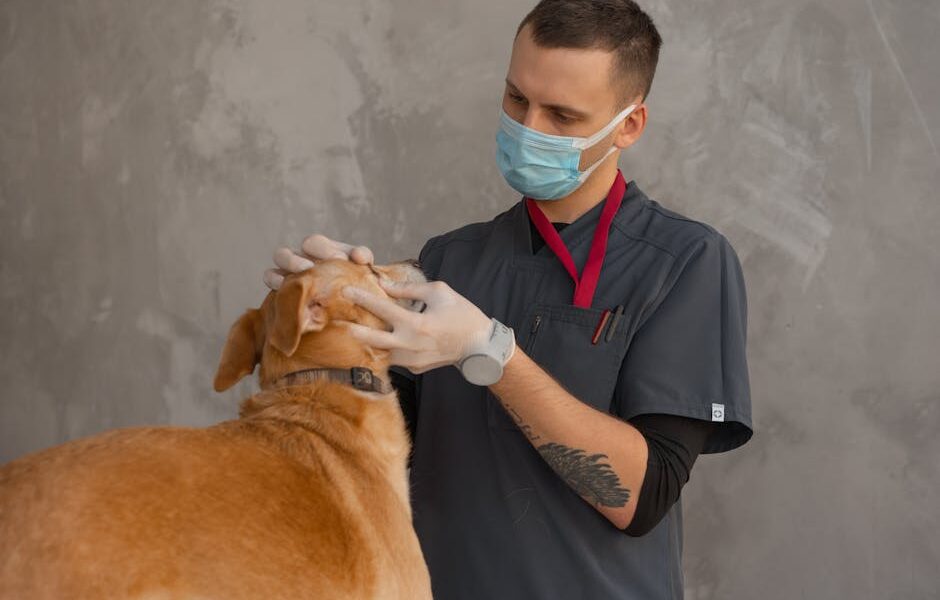
How Virtual Vet Care Works
Pet telehealth apps connect you with a veterinary professional through your phone — by video, chat, or phone call — so you can ask questions and get guidance without leaving home. You describe what’s going on, often share photos or video of your pet, and a vet or vet tech weighs in. For the right situations, it’s fast, convenient, and reassuring, especially at 9 p.m. when you’re staring at your dog wondering whether the thing they ate is a problem.
In this article
Services vary widely. Some offer general advice and triage from a vet or technician; others connect you to a licensed veterinarian who, under the right conditions, can deliver actual medical care. Some are run by your own clinic as a way to handle follow-ups; others are standalone apps available to anyone. Knowing which kind you’re using matters, because what a service is legally allowed to do for your pet depends on the relationship behind it.
Pet telehealth apps are a genuine addition to modern pet care — but they sit alongside your regular vet, not in place of one. The most important thing to understand before you rely on one is what telehealth can and cannot do.
The technology became far more familiar to pet owners in recent years, as virtual care spread across human and animal medicine alike. For many people it’s now the natural first stop for a non-urgent question — a rash, a limp that comes and goes, a worry about whether a new behavior is normal. That convenience is real, and used wisely it can save you an unnecessary trip while still pointing you to in-person care when it’s needed. The catch is that “used wisely” depends entirely on understanding the boundaries, which is where most of the confusion around pet telehealth lives.
What Telehealth Can Do Well
Within its limits, virtual care is genuinely useful. The best uses tend to be:
- “Is this urgent?” triage. A vet who can see your pet on video and hear the history can often help you decide whether to watch and wait, book a regular appointment, or go to the ER now. That single judgment call is worth a lot at 2 a.m.
- Follow-ups. Checking a healing incision, confirming a medication is working, or reviewing progress after a known diagnosis — things that don’t need hands-on examination.
- Behavior and nutrition consults. Discussing a training plan, a diet question, or anxiety management, where conversation and history matter more than physical exam.
- Rural and access gaps. For owners far from a clinic or without easy transport, telehealth can bridge real distance and get advice that would otherwise be hours away.
For behavior questions specifically, telehealth pairs well with structured plans and a qualified trainer. And for keeping track of everything a virtual visit turns up, logging it in a record app helps — our guide to pet health record and reminder apps covers tools that store symptoms, doses, and notes you can share with whichever vet you see next.
The VCPR Rule — Why Telehealth Often Can’t Diagnose or Prescribe
This is the single most important thing to understand. In veterinary medicine, a veterinarian generally must have a Veterinarian-Client-Patient Relationship (VCPR) before they can diagnose a condition or prescribe medication. A VCPR usually requires that the vet has examined your pet in person, or has recent hands-on knowledge of them, so they’re genuinely responsible for that animal’s care.
What this means in practice: many pet telehealth apps — especially standalone ones where the vet has never met your pet — can offer general advice, education, and triage, but cannot legally diagnose an illness or write a prescription. They can tell you what your options are and whether you should be seen; they often cannot hand you an antibiotic over an app. Whether a VCPR can be established virtually, and how, varies by state and changes over time, so the rules differ depending on where you live.
The takeaway isn’t that telehealth is useless — it’s that you should know which service you’re using. Telehealth run by your own clinic, where a VCPR already exists, can usually do more (like managing an ongoing condition or refilling a medication) than a general advice app can. The legal landscape here is its own topic; for the details and how it’s shifting, see pet telehealth state law and VCPR rules.
This is why your existing relationship with a local vet is so valuable in the telehealth era. Because that clinic has examined your pet, they can often handle a surprising amount remotely — answering a question between visits, adjusting a known treatment, deciding whether a flare-up needs to be seen. A stranger app, however convenient, simply can’t offer the same, because the law ties what a vet can do to whether they truly know your animal. The practical lesson: build and keep a real veterinary relationship, and let telehealth extend it rather than replace it.
Telehealth Is NOT for Emergencies
Say this one out loud: a virtual visit is not an emergency service. If your pet is in a genuine crisis, you go to an emergency clinic — not an app. Signs that mean drop everything and head to the ER include trouble breathing, collapse, seizures, bloating with a distended hard belly (especially in deep-chested dogs), uncontrolled bleeding, suspected poisoning, inability to urinate, repeated vomiting, pale gums, or a known trauma like a car strike.
Telehealth can sometimes help you recognize an emergency faster — a vet on video might say “that’s a real problem, go now” — and that triage has value. But the app cannot put in an IV, run bloodwork, take an X-ray, or perform surgery. When minutes matter, screen time is wasted time. Have your nearest emergency clinic and a poison-control hotline saved before you ever need them, and don’t let the convenience of an app delay care a struggling pet needs in person.
The danger isn’t the app itself — it’s the temptation to use it as a delay tactic when part of you already knows something is seriously wrong. If you find yourself opening a telehealth app because you’re hoping to be told it’s nothing, treat that instinct as its own warning sign. When in genuine doubt about an emergency, the safe move is always to call or go to an emergency clinic, where they can triage by phone or in person. A virtual visit is for the questions you can afford to ask calmly, not the ones your gut is shouting about.
Choosing a Reputable Telehealth Service
Not all services are equal. Before you sign up — and certainly before you trust advice in a pinch — check a few things:
- Who’s on the other end. Is it a licensed veterinarian, a vet technician, or a chatbot? Licensure and the ability to establish a VCPR determine what they can actually do for you.
- What it can and can’t do. A reputable service is upfront that it can’t diagnose or prescribe without a VCPR and that it’s not for emergencies.
- Cost structure. Some charge per visit, some are subscription-based, and some are bundled into pet insurance. Check current pricing directly and understand whether you’re paying per question or monthly.
- Privacy. You’re sharing video of your home and your pet’s health data. Confirm how it’s stored and who can see it.
- Integration with your real vet. The best services share notes with your regular clinic so your pet’s care stays joined up.
Many pet insurance policies now bundle a telehealth line, which can make it effectively free to use — worth checking your coverage. Our pet insurance guide explains how those benefits typically work alongside the rest of a policy.
When you do use a virtual visit, a little preparation makes it far more productive. Have your pet’s history and medication list handy, jot down exactly when symptoms started and how they’ve changed, and set up somewhere with good light and a steady connection so the vet can actually see what you’re describing. If the issue is a limp or a skin problem, a short video taken earlier — when the symptom was visible — often tells the vet more than a live look at a pet who’s now sitting calmly. Treat the appointment like a real consult, because that’s what it is.
Fitting Telehealth Into Your Pet’s Overall Care
Used well, a telehealth app is a triage and convenience layer that sits on top of a relationship with a real, local veterinarian — not a replacement for it. Keep your regular wellness visits, because those in-person exams are what build the VCPR that lets any vet do more for your pet, and they catch things a camera never will.
Think of telehealth as one tool in a kit. It answers the “should I worry about this?” questions, handles simple follow-ups, and extends your vet’s reach between visits. It does not run tests, perform procedures, or stand in for emergency care. Like every piece of pet technology, it complements good fundamentals — regular veterinary care, observation, and common sense — rather than replacing them. If you’re weighing whether this and other gadgets earn their place, our buyer’s framework for pet tech gives you a way to decide.
Frequently Asked Questions
Can a pet telehealth app diagnose my pet or prescribe medication?
Often not. A vet generally needs a Veterinarian-Client-Patient Relationship — usually from an in-person exam — before legally diagnosing or prescribing, and whether that can be formed virtually varies by state. Standalone apps where the vet has never met your pet can usually only give general advice and triage, while telehealth through your own clinic can typically do more.
Is pet telehealth okay for an emergency?
No. Trouble breathing, collapse, seizures, bloat, poisoning, uncontrolled bleeding, or trauma require an emergency clinic immediately. Telehealth can’t run tests, give IV fluids, or do surgery. It may help you recognize an emergency faster, but for a true crisis you go in person without delay.
What is pet telehealth actually good for?
It shines at triage (“is this urgent?”), follow-ups on a known issue, behavior and nutrition consults, and reaching care when you live far from a clinic. These are situations where conversation, history, and a video view matter more than a hands-on physical exam.
How much do pet telehealth apps cost?
It varies — some charge per visit, some are subscription-based, and some are bundled into pet insurance policies. Check current pricing directly with the service, and look at your insurance, since many policies now include a telehealth benefit that can make it effectively free to use.
Does telehealth replace my regular vet?
No. It complements a relationship with a local veterinarian. Those in-person wellness exams build the VCPR that lets vets do more for your pet and catch problems a camera can’t. Keep your regular vet and use telehealth as a convenient triage and follow-up layer.


