
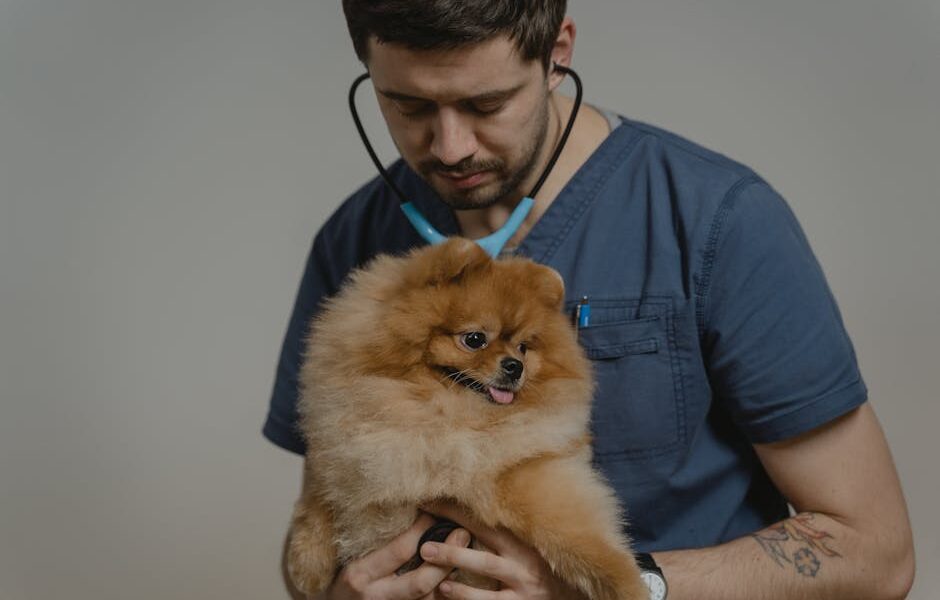
What Pet Telemedicine Actually Is
Pet telemedicine virtual vet services use video calls, chat, and photo uploads to connect you with a licensed veterinarian without visiting a clinic. The American Veterinary Medical Association (AVMA) Telehealth Guidelines describe telemedicine as one tool inside the broader veterinarian-client-patient relationship, not as a stand-alone replacement for hands-on care. Used well, it shortens the time between “something seems off” and getting professional eyes on the problem.
In this article
- What Pet Telemedicine Actually Is
- What a Virtual Vet Visit Can Handle Well
- What Telemedicine Cannot Do
- Common Service Models
- How a Good Virtual Visit Goes
- Telemedicine vs House-Call vs Clinic
- Costs and What You Get
- Privacy, Records, and Continuity of Care
- When Telemedicine Is the Wrong Choice
- Adoption Context: Why This Matters for New Adopters
- Frequently Asked Questions
Virtual visits gained mainstream traction during the 2020 pandemic, and the option has stayed because it solves real problems: rural owners far from specialists, working families who cannot leave the office during clinic hours, anxious pets who panic in waiting rooms, and adopters of newly homed animals trying to decide whether a symptom needs a same-day appointment. The technology is not magic, though. It cannot palpate an abdomen, listen to a heart murmur, or run bloodwork.
If you are weighing whether telehealth fits your situation, this overview covers what virtual visits do well, what they cannot do, the common service models, and how to combine telemedicine with traditional in-person care for the best of both worlds.
What a Virtual Vet Visit Can Handle Well
Telemedicine works best for problems where history, observation, and conversation drive the decision more than physical examination. Owners often get useful guidance for the following categories.
- Triage and “should I be worried?” questions — a vet who can see your pet on video and ask the right questions can help you decide whether you are looking at a wait-and-watch situation, a next-day appointment, or a same-night emergency. The pet emergency vet urgent care primary care decision matrix covers that decision framework in depth.
- Behavior consults — house-training regressions, leash reactivity, litter-box aversion, separation distress, and inter-pet conflict are well-suited to video because the vet or veterinary behaviorist needs to see the home environment, not the pet’s tonsils.
- Nutrition counseling — diet transitions, weight management, life-stage food selection, and homemade-diet recipes are discussion-heavy and don’t always require touch.
- Post-surgical and chronic-disease check-ins — incision photos, mobility videos, glucose-log reviews for diabetic pets, and quality-of-life conversations for senior animals.
- Medication refill discussions — for existing patients within an established relationship, telehealth can be a fine setting for renewing maintenance prescriptions.
For chronic-disease management specifically, virtual visits between in-person rechecks reduce stress on the animal and free the owner from repeated half-day clinic trips.
What Telemedicine Cannot Do
Honest limits matter. A pet telemedicine virtual vet appointment cannot perform the physical exam that drives most diagnostic decisions. A camera cannot reliably detect a heart murmur, gum-color shift toward cyanosis, mild dehydration, abdominal pain on palpation, ear-canal disease beyond the visible flap, dental pathology, lymph-node enlargement, or the precise quality of a limp.
Telemedicine also cannot run diagnostics. Bloodwork, urinalysis, fecal exams, radiographs, ultrasound, and cytology require physical samples and equipment. A virtual vet can interpret results you already have, but they cannot generate them from your living room.
For new prescriptions, telemedicine often hits a legal wall. In most U.S. states, a veterinarian must establish the veterinarian-client-patient relationship (VCPR) through an in-person exam before prescribing medication. A handful of states allow VCPR to be established via telehealth under specific conditions, but the rules vary enormously. The companion article on pet telehealth state law and VCPR rules walks through the state-by-state landscape — verify with your state veterinary board because legislation changes and the framing here is not legal advice.
Finally, emergencies cannot wait for a video call. Difficulty breathing, collapse, suspected bloat, active bleeding that does not stop with direct pressure, seizures lasting more than five minutes, a male cat straining without producing urine, suspected toxin ingestion, or a known trauma — all require an immediate trip to an emergency clinic, not a virtual queue.
Common Service Models
The pet telemedicine virtual vet landscape includes several distinct service shapes. Knowing which one fits your need keeps you from paying for the wrong tool.
Your existing clinic’s telehealth option
Many primary-care practices now offer telehealth follow-ups, refill chats, or after-hours triage to their own established clients. This is usually the strongest option because your regular veterinarian already knows the patient. Ask at your next in-person visit whether the practice supports virtual rechecks.
Subscription telehealth platforms
Services such as Airvet, Pawp, Dutch, and Fuzzy offer monthly or annual subscriptions that include unlimited virtual visits with their network of licensed veterinarians. Models vary: some focus on triage and behavior advice without prescribing; some operate only in states where telehealth-VCPR is permitted and offer prescriptions there; some pair telehealth with a partner pharmacy.
Pay-per-visit virtual clinics
Standalone visits without a subscription typically run $30 to $100 depending on platform, time of day, and whether a prescription consult is included. Costs vary by region and program; current as of 2024 and 2025.
Specialty teletriage
Some referral hospitals offer telehealth pre-screening for cardiology, dermatology, oncology, and behavior. The specialist reviews records, sees the pet on video, and decides whether to proceed with an in-person workup. See pet specialty referral guidance for how that referral pipeline works.
How a Good Virtual Visit Goes
Before your appointment, photograph or video the symptom you are worried about. Bedside videos of a cough, a tremor, a stumble, or a behavioral pattern give the vet far more than a verbal description ever will. Charge your phone or tablet, find a quiet well-lit room, and have your pet’s vaccine record, current medication list, recent weight, and any prior diagnostic results ready.
During the visit, expect the veterinarian to ask a structured history: when did the symptom start, how often, what changed, what the pet ate, drank, urinated, and defecated in the last 24 to 48 hours. They may ask you to demonstrate gait, show the inside of the mouth, lift an ear flap, or press gently on the belly while they watch your hand. Follow their pacing — these are the closest substitute to a real exam they have.
After the visit, you should receive written instructions, a plan with specific decision points (what to do if X gets worse), and any referral or in-person follow-up timing. Save the summary in your home medical record system so the in-person clinic has the context next time.
Telemedicine vs House-Call vs Clinic
Telehealth is not the only alternative to a traditional clinic. For pets who panic in waiting rooms, Fear Free house-call veterinary medicine brings the exam to your living room, allowing real palpation, vaccines, bloodwork, and a calmer experience. House calls cost more per visit but solve problems telehealth cannot, because the vet has hands on the patient.
A practical framework: routine wellness exams should be in person (clinic or house call) so a body-condition score, dental check, lymph nodes, and listening to heart and lungs all happen. Between exams, telemedicine handles questions, behavior, nutrition, and recheck videos. When new symptoms appear, telemedicine triages whether the situation needs a same-day in-person visit, a next-week appointment, or the emergency hospital.
Costs and What You Get
Telehealth visit pricing is in flux but a useful range is $30 to $100 per pay-per-visit consultation, or $15 to $30 monthly for a subscription that bundles unlimited visits. Costs vary by region and program; current as of 2024 and 2025. Pet insurance may reimburse telehealth on many plans, but read your policy — some carriers cover telehealth only when conducted by the policyholder’s primary vet, others cover any licensed virtual vet, and a few exclude it entirely. The article on reading pet insurance fine print walks through how to spot these clauses.
If you do not have insurance, telemedicine can still save money. A $40 virtual triage that confirms a wait-and-watch plan beats a $150 same-day clinic visit you did not need. Conversely, a $40 virtual visit that flags “go to the ER now” can save the cost of a misjudged delay. See the CareCredit, Scratchpay, and financing alternatives guide for help when a virtual visit identifies an expensive next step.
Privacy, Records, and Continuity of Care
Virtual veterinary platforms vary widely in how they handle records. Before you sign up, check whether the service shares visit notes with your primary clinic, whether you can export your pet’s chart, and whether the platform retains data after you cancel. Continuity of care matters: a thirty-dollar visit that never makes it into your pet’s main file is a one-off, not part of a coherent medical history.
Privacy considerations also apply. Video sessions should run on HIPAA-style secure platforms, not consumer video apps. Reputable services say so on their websites; ask before your first call if it is not clear. The data captured during a session — including video frames of the inside of your home — should be encrypted in transit and at rest. The same general logic applies to consumer pet-monitoring devices; see the related pet camera monitor overview for a deeper look at home-data privacy.
When Telemedicine Is the Wrong Choice
Some symptoms should bypass the virtual queue entirely. Difficulty breathing, blue or grey gums, collapse, seizure activity longer than five minutes, a hard bloated belly with non-productive retching, a male cat straining in the litter box without urinating, suspected toxin ingestion, eye trauma, uncontrolled bleeding, a known fracture, and any sudden severe pain are emergencies. Go straight to the closest 24-hour or emergency hospital. If you are unsure whether your pet is in that category, call the ER hospital’s triage line — they are used to phone calls before arrival.
Telehealth also is not a fit for new pets you have just adopted with no prior medical history. A first comprehensive exam needs hands, a stethoscope, a scale, and a fecal sample. After that baseline, the relationship is established and telemedicine becomes more useful between visits.
Adoption Context: Why This Matters for New Adopters
If you have just adopted a pet — congratulations — telemedicine can be a sanity-saver in the first month, when every cough, sneeze, soft stool, or itch feels alarming. After the new-patient in-person exam at your primary vet, a virtual triage line lets you ask “is this a normal adjustment symptom or a vet visit?” without overpaying for emergencies you did not need. For adopters of senior pets, special-needs animals, or chronic-illness adoptees, the lower friction of virtual rechecks lowers the cost of asking good questions. Walk Me Home Rescue’s why adopt a pet resources can help you find the right match; telemedicine helps you support that match once they are home.
Frequently Asked Questions
Is pet telemedicine virtual vet care as good as an in-person exam?
No, and reputable services say so. A virtual visit cannot palpate, auscultate, or sample. It is a complement to in-person care, useful for triage, behavior, nutrition, follow-ups, and many medication-refill conversations within an existing relationship. For routine annual exams, new patients, vaccinations, and most diagnostic workups, in-person care remains essential.
Can a virtual vet prescribe medication for my pet?
It depends on your state and whether a valid veterinarian-client-patient relationship already exists. Most U.S. states require an in-person exam to establish VCPR; a few permit telehealth establishment under specific conditions. Even where allowed, controlled substances usually require in-person prescribing. Check the companion state-law overview and verify with your state veterinary board.
How much does a telehealth visit cost?
Pay-per-visit consultations typically run $30 to $100; subscription platforms with unlimited visits run $15 to $30 monthly. Costs vary by region, time of day, and whether a prescription consult is included. Some pet insurance policies reimburse telehealth — read the policy fine print before assuming coverage.
When should I skip telemedicine and go to the ER?
Difficulty breathing, blue or grey gums, collapse, seizure longer than five minutes, suspected bloat, a male cat straining without urinating, suspected toxin ingestion, eye trauma, uncontrolled bleeding, or severe sudden pain. Call the closest emergency hospital and go. The ASPCA Animal Poison Control Center (888-426-4435) and Pet Poison Helpline (855-764-7661) are also valuable phone resources for ingestion calls.
Will my primary vet see what happened in a third-party virtual visit?
Not automatically. Ask the platform whether they share visit summaries with your regular clinic, and request a copy for your home medical-record binder. Continuity matters — a telehealth visit that sits in a separate database does not benefit your pet’s long-term chart. Many subscription platforms now offer record export; some integrate directly with primary practices, but coverage is uneven.


