Last updated: May 6, 2026
In this article
What Project ADORE Is
Project ADORE, short for Adoption and Rehoming of Dogs, is a scheme in Singapore that allows HDB flat residents to adopt eligible local mongrels who meet specific size and behavioral criteria. Project ADORE Singapore matters because, historically, larger dogs and most mixed breeds were not permitted in HDB flats. The scheme created a legal pathway for Singapore Specials to be rehomed into flat homes through participating rescue organizations.
For adopters, this is a meaningful opportunity. It expands the pool of dogs available to flat residents far beyond the traditional approved breed list and gives local mongrels the homes they deserve. For the dogs, it is a lifeline. Many of them would otherwise wait much longer for the right family because so many Singapore households live in HDB flats.
If you have ever hesitated to adopt a rescue dog because you thought your flat disqualified you, Project ADORE deserves a closer look.
Why the Scheme Exists
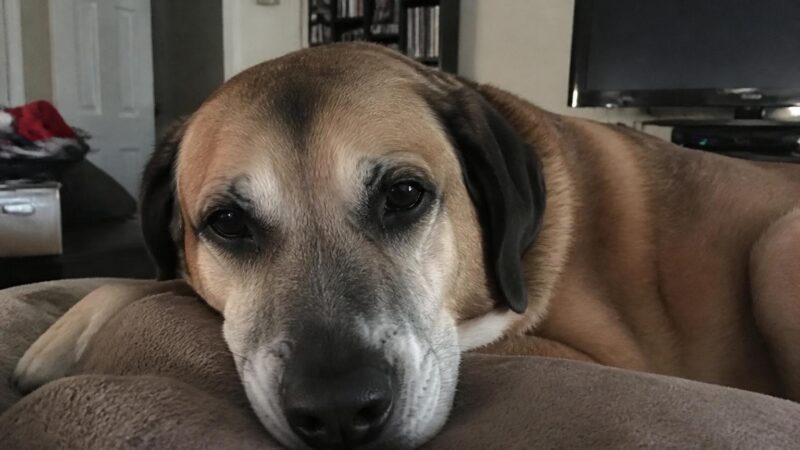
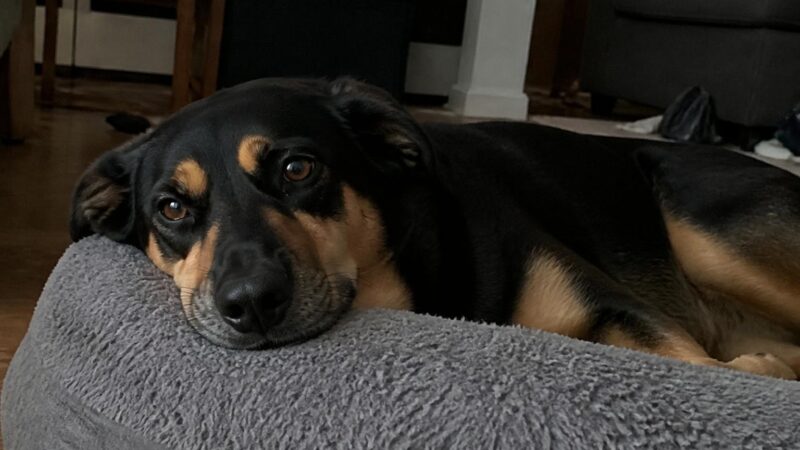
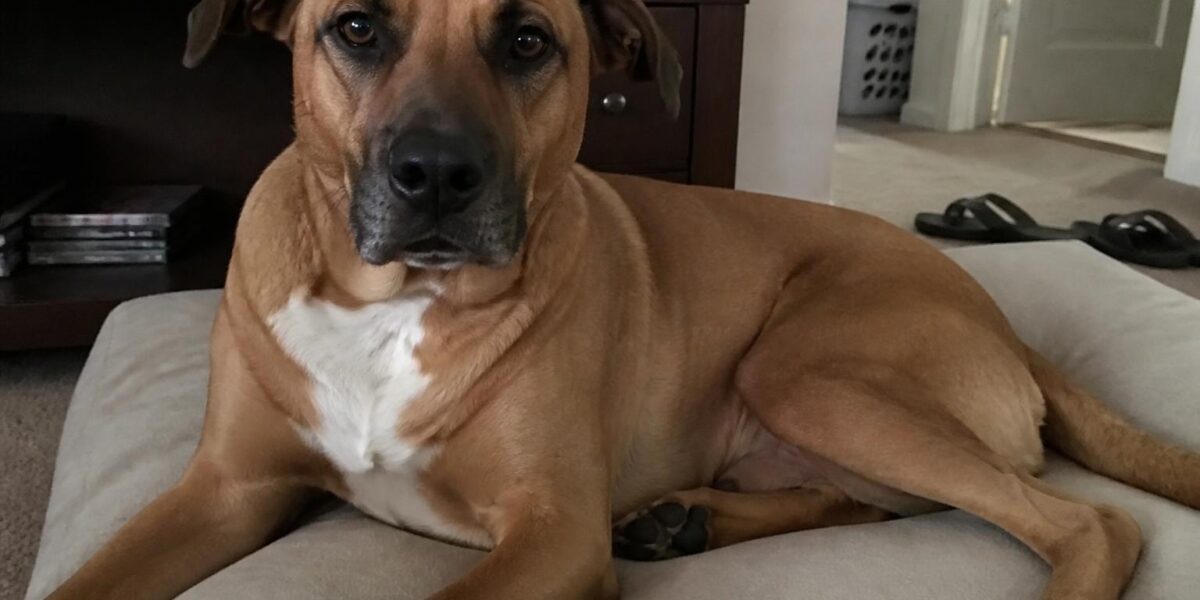
Singapore’s rescue population is heavily made up of Singapore Specials, the affectionate name for local mixed-breed dogs descended from community dogs. They tend to be medium-sized, short-coated, adaptable, and well-suited to the tropical climate. They are also deeply loyal and often make wonderful family pets once they trust their people.
Historically, HDB flats did not permit these dogs because they fell outside the approved breed list. The practical result was that many adoptable dogs remained in rescue care for longer, while flat residents who wanted to adopt were limited to small purebreds. Project ADORE was created to close that gap by allowing carefully screened local mongrels into HDB flats through partnerships with participating rescue organizations.
The scheme’s success has made it a cornerstone of Singapore’s rescue adoption ecosystem.
How ADORE Eligibility Works
Not every local mongrel qualifies for Project ADORE. The scheme has specific criteria, which have historically focused on the dog’s size, height at the shoulder, and general temperament. Dogs who meet the criteria can be adopted into HDB flats through participating rescues that are part of the scheme.
Because criteria can change over time, always check current guidance when you are ready to adopt. Participating rescues will know which of their dogs are ADORE-eligible and can walk you through the scheme’s requirements.
Behavior matters as much as size. A dog being rehomed into a flat needs to handle lift rides, void deck encounters, and close-quarters living with neighbors. Rescue teams who know the dog can assess whether they are a good fit for that environment.
Who Benefits From Project ADORE
ADORE benefits everyone involved when done well. Adopters gain access to a broader pool of dogs, including many with wonderful temperaments. Dogs who might otherwise spend months or years in rescue care find loving homes. Rescue organizations free up space and resources to help the next animal in need. Neighborhoods gain more responsible dog owners and the positive community spirit that often comes with them.
The scheme also strengthens the broader case for pet-friendly housing policies. Each successful ADORE adoption shows that local mongrels can thrive in flats when matched thoughtfully with responsible owners.
It is also a meaningful way to give back to Singapore’s community dog population, which has been supported by volunteers and caregivers for decades.
The Adoption Process Under ADORE
Adopting through Project ADORE generally follows the same path as other rescue adoptions, with some additional steps specific to the scheme.
- Find a participating rescue. Ask whether the organization you are interested in partners with ADORE.
- Identify an eligible dog. Rescue staff can point you to dogs who meet the scheme’s criteria and are likely to suit HDB flat living.
- Submit your application. You will answer questions about your home, household, and readiness to adopt.
- Meet the dog and host a home visit. As with any adoption, meeting in person and having volunteers see your space are important.
- Complete scheme-specific steps. This may include additional documentation or registration requirements linked to the ADORE framework.
- License with AVS. All dogs in Singapore must be licensed through the Animal and Veterinary Service, regardless of breed or scheme.
Your rescue team will guide you through the specific steps that apply to the scheme’s current rules.
Preparing Your Flat for an ADORE Dog
A little preparation goes a long way. Set up a quiet corner with bedding, water, and a few toys. Dog-proof the space by tucking away cables, securing bins, and removing anything chewable or toxic. Plan where feeding, resting, and rest times will happen so your new dog can learn the routine quickly.
Think about your daily walk routes. In HDB flats, the route out often includes a lift ride and the void deck, both of which can be new experiences for a rescue dog. Start with short, calm trips until your dog feels comfortable. Early mornings and late evenings are best for walks to avoid midday heat.
Buy basic supplies in advance, including leash, harness, food and water bowls, high-quality dog food, and dog-safe toys. Identify a vet clinic near your home before adoption day. Being prepared tells your new dog that they have landed somewhere safe.
Being a Good HDB Neighbor
HDB living means sharing corridors, lifts, and common spaces with your neighbors. Being a considerate dog owner makes life better for everyone and supports the positive image of pets in flats.
Keep your dog on a leash in common areas, clean up after them immediately, and avoid letting them bark excessively in the early morning or late evening. If your dog tends to pull or react to other dogs on the leash, work with a trainer to build more relaxed walking habits.
Introduce yourself to neighbors who share your corridor. A friendly relationship with the people next door smooths over small issues before they become problems. Most HDB neighbors appreciate knowing that their dog-owning neighbor is responsible and considerate.
For more guidance, read our HDB neighbor etiquette guide, our overview of HDB approved dog breeds, and our guide to adopting a Singapore Special. Our Adopt a Dog hub is also a good next step.
Frequently Asked Questions
Can any rescue dog be adopted through Project ADORE?
No. Only dogs who meet the scheme’s eligibility criteria can be adopted into HDB flats through ADORE. Ask your rescue team which dogs in their care qualify.
Do I still need a dog license for an ADORE dog?
Yes. All dogs in Singapore must be licensed through AVS. Your rescue will guide you on how to complete registration after adoption.
Is there a size limit under the scheme?
ADORE has historically focused on dogs within specific size and height ranges. Always check current guidelines for exact details, as criteria may evolve over time.
Can I adopt more than one ADORE dog?
HDB generally permits one approved dog per flat. Check current HDB and AVS guidance for specific rules.
What if my ADORE dog does not adjust well to flat living?
Contact your rescue early. Trainers, behaviorists, and the rescue team can help you work through adjustment challenges. Most issues can be resolved with patience and guidance.