
Last updated: May 17, 2026
In this article
- Why Do Puppies Bite?
- Teething vs Play Biting: Understanding the Difference
- Bite Inhibition Explained
- The Yelp and Redirect Method
- Providing Alternatives
- Time-Outs That Actually Work
- Socialization and Bite Pressure
- What NOT to Do When Your Puppy Bites
- When Biting Is Aggressive: Knowing the Difference
- Timeline for Improvement: What to Realistically Expect
- Frequently Asked Questions
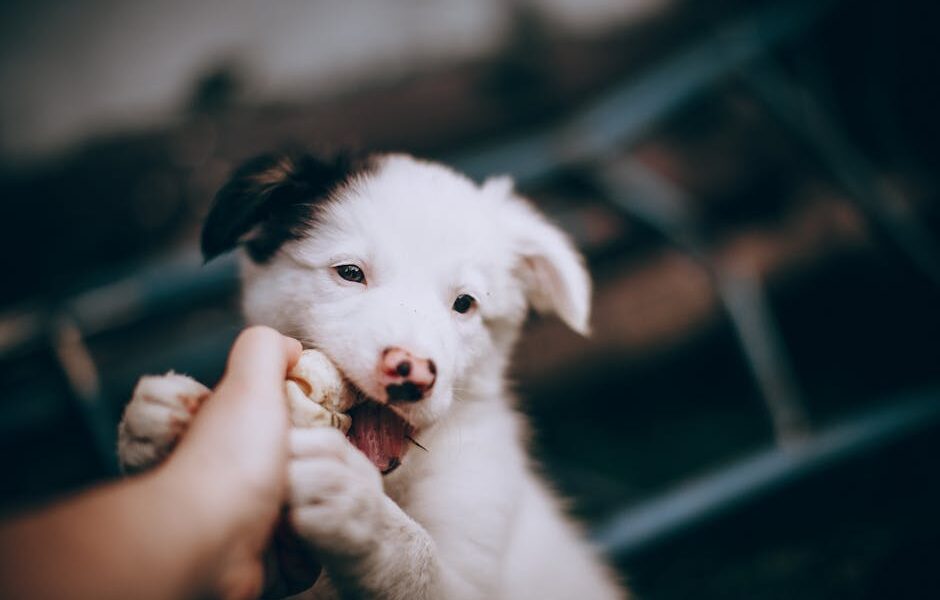
If you have recently brought a puppy home, you are probably already familiar with those tiny, needle-sharp teeth clamping down on your fingers, your ankles, your sleeves, and anything else within reach. Puppy biting is one of the most common frustrations new dog owners face — and one of the most misunderstood. The good news is that it is completely normal, developmentally important, and very trainable. The key is teaching your puppy something called bite inhibition, and the earlier you start, the smoother the process will be.
This guide walks you through exactly why puppies bite, the difference between teething and play biting, and step-by-step methods that actually work to reduce and eventually eliminate nipping. If you are considering adopting a puppy, understanding this behavior ahead of time will save you a great deal of frustration in those first few months.
Why Do Puppies Bite?
Before you can fix puppy biting, it helps to understand why it happens in the first place. Puppies are not biting because they are bad, dominant, or aggressive. They are biting because it is one of the primary ways they interact with the world during their first several months of life.
Puppies explore with their mouths in much the same way human toddlers explore with their hands. When a puppy picks something up, mouths your hand, or nips at your pant leg, they are gathering information about texture, resistance, and the social reaction their behavior produces. In a litter, puppies spend a significant amount of time wrestling, chasing, and biting each other. This rough play is not random chaos — it is how they learn the rules of social interaction, including how hard they can bite before a sibling yelps and stops playing.
Other common reasons puppies bite include excitement and overstimulation, boredom and insufficient mental stimulation, attention-seeking behavior, hunger, tiredness, and of course teething discomfort. Recognizing which trigger is driving the biting in any given moment helps you choose the right response.
Teething vs Play Biting: Understanding the Difference
Not all puppy biting is the same, and the distinction matters because teething and play biting require slightly different responses.
Teething biting typically begins around three to four months of age, when a puppy’s baby teeth start falling out and adult teeth push through. This process is genuinely uncomfortable, and puppies chew to relieve the pressure and pain in their gums. Teething biting tends to be more sustained and focused on objects rather than people. You will notice your puppy gnawing on furniture legs, shoes, baseboards, and anything with a satisfying texture. Their gums may be red or swollen, and you might find tiny teeth on the floor.
Play biting, on the other hand, is social. It happens during interaction with people or other animals. The puppy is not trying to soothe sore gums — they are engaging, testing boundaries, and practicing the predatory motor patterns hardwired into their species. Play biting tends to be quick, impulsive, and directed at hands, feet, clothing, and hair. It often escalates when the puppy is excited or overtired.
Both types of biting are normal. Teething biting is best addressed by providing appropriate chew outlets. Play biting requires active training in bite inhibition, which we will cover next.
Bite Inhibition Explained
Bite inhibition is arguably one of the most important things a puppy can learn, and it is something many owners have never heard of. In simple terms, bite inhibition is a dog’s learned ability to control the force of their mouth. A dog with good bite inhibition can mouth your hand without leaving a mark. A dog without it can cause real damage, even unintentionally.
In a natural setting, puppies learn bite inhibition from their littermates and their mother. When one puppy bites another too hard during play, the bitten puppy yelps, stops playing, and may walk away. The biting puppy quickly learns that overly hard bites end the fun. The mother reinforces this lesson with her own corrections. Over time, the puppy develops an understanding of how much pressure is acceptable in different contexts.
When a puppy leaves the litter — especially if they leave before eight weeks of age — they may not have fully developed this skill. That means you need to continue the lesson at home. The goal is not to stop all mouthing immediately, which is actually counterproductive. The goal is to first reduce the force of the bites, and only then reduce the frequency. Teaching a puppy that human skin is fragile and that hard biting ends all interaction is the foundation of every method that follows.
The Yelp and Redirect Method
This is the most widely recommended approach to puppy biting, and when done correctly, it is remarkably effective. It mimics the feedback a puppy would receive from a littermate and leverages something puppies already understand.
Step one: the yelp. When your puppy bites hard enough to cause discomfort, let out a short, high-pitched yelp or say “ouch” in a sharp tone. The sound should be surprising, not angry. You are not scolding the puppy — you are communicating, in a language they already understand, that the bite was too much. Many puppies will pause, look startled, and momentarily release.
Step two: the pause. Immediately after yelping, go still. Stop playing, withdraw your hand, and turn your attention away from the puppy for five to ten seconds. Do not pull your hand away sharply, as fast movement often excites a puppy and encourages them to grab again. Simply freeze, yelp, and wait.
Step three: the redirect. After the brief pause, offer the puppy an appropriate chew toy or redirect them into a calm activity. This teaches them that biting you ends the game, but biting an appropriate object is perfectly fine. Over days and weeks, gradually lower your threshold — yelp at increasingly softer bites until the puppy learns that any teeth on skin means the interaction stops.
A note on effectiveness: the yelp method works best with puppies under five months old. Some puppies, particularly those who are already overstimulated, may become more excited by the yelp rather than less. If your puppy seems to ramp up in response, skip the vocal yelp and move straight to the silent withdrawal method described below.
Providing Alternatives
Telling a puppy what not to do without giving them something they can do is a recipe for frustration on both sides. Puppies need to chew. Their mouths are busy, their gums are sore, and their brains need stimulation. The solution is making sure appropriate alternatives are always within reach.
Keep a rotation of chew toys in every room where you spend time with your puppy. Rubber toys designed for teething, braided rope toys, and frozen washcloths are all excellent options. When your puppy starts mouthing your hand, calmly replace your hand with a toy. Do this consistently, and the puppy begins to learn that hands are not chew toys but that their rubber bone is always available.
Puzzle feeders and food-dispensing toys are especially valuable because they combine chewing with mental stimulation, which addresses two common causes of nipping at once. A puppy who has just spent twenty minutes working kibble out of a Kong is far less likely to be nipping at your ankles out of boredom.
Variety matters. Rotate toys every few days to keep them interesting, and match the toy to the type of chewing your puppy favors. Some puppies prefer soft, plush toys to shake. Others want something firm to really sink their teeth into. Observing your puppy’s preferences and providing accordingly is a small investment that pays off enormously. If you are exploring which breeds might be right for your home, our dog breeds directory includes temperament notes that can help you anticipate chewing tendencies.
Time-Outs That Actually Work
When the yelp-and-redirect method is not enough — and there will be days when it is not — a properly executed time-out is the next step. The purpose of a time-out is not punishment. It is a clear, unemotional signal to the puppy that biting ends all access to the thing they want most: you.
How to do it correctly. When the puppy bites, say a calm interruptor word like “too bad” or “all done.” Then stand up, cross your arms, and leave the room or step behind a baby gate for thirty to sixty seconds. Do not say anything else, do not make eye contact, and do not pick the puppy up to move them. You are the one who leaves, not the puppy.
Why this matters. Puppies are social animals. The most effective consequence you can impose is the removal of social interaction. When biting consistently results in you disappearing, even for a short window, the puppy begins to connect the behavior with the outcome. This is negative punishment in behavioral terms — removing something desirable to reduce an unwanted behavior — and it is one of the most effective, humane training tools available.
Consistency is everything. A time-out that happens after every hard bite is far more effective than one that happens occasionally. If three people live in the household and only one of them does time-outs, the puppy will simply learn to bite the other two. Everyone who interacts with the puppy must follow the same protocol.
Keep time-outs short. Thirty to sixty seconds is enough. Longer separations do not teach a better lesson — they just give the puppy time to find something else to destroy. When you return, re-engage calmly. If the puppy bites again, repeat. It is not unusual to do five or six time-outs in a single play session during the early days.
Socialization and Bite Pressure
Socialization is one of the most powerful tools for teaching bite inhibition, and it is one that many owners underutilize. Puppies who have regular, positive interactions with other well-socialized dogs learn to moderate their bite pressure faster and more reliably than puppies who only interact with humans.
This is because other dogs give immediate, perfectly calibrated feedback. A well-socialized adult dog will not tolerate hard biting from a puppy, and they communicate that through body language, vocalizations, and, when necessary, a swift but harmless correction. Puppy play groups and well-run puppy socialization classes provide structured environments where this learning can happen safely.
The critical socialization window for puppies closes around fourteen to sixteen weeks of age. During this period, puppies are neurologically primed to absorb social lessons with lasting impact. Bite inhibition learned during this window tends to stick better and require less maintenance than lessons learned later. This does not mean older puppies cannot learn — they absolutely can — but the process may take longer and require more repetition.
When selecting play partners for your puppy, look for dogs who are gentle but clear in their communication. Avoid dogs who are overly rough, as this can teach your puppy that hard play is acceptable, or dogs who are fearful, as this can create anxiety around other animals. Supervised, balanced interactions are the goal.
What NOT to Do When Your Puppy Bites
Some of the most popular advice about puppy biting is not just ineffective — it can make the problem worse or damage the bond you are building with your dog. Here is what to avoid.
Do not hold your puppy’s mouth shut. This is an old-school technique that does nothing to teach bite inhibition and can make a puppy hand-shy or fearful. A puppy who learns to associate human hands near their face with discomfort is harder to handle at the vet, during grooming, and during tooth brushing for the rest of their life.
Do not alpha roll or pin your puppy. Physically forcing a puppy onto their back to “show dominance” is based on a debunked understanding of wolf behavior and has no place in modern dog training. It increases fear, erodes trust, and frequently escalates biting rather than reducing it.
Do not flick or tap your puppy’s nose. This is another technique that sounds logical in theory but fails in practice. Puppies often interpret a tap on the nose as an invitation to play rougher, and the ones who do not become anxious and conflicted around hands.
Do not yell or punish after the fact. Dogs do not connect delayed consequences with past behavior. If you come home to find chewed-up shoes and scold your puppy, the puppy has no idea what the scolding is about. They only know that you seem upset, which increases stress and can actually increase displacement behaviors like chewing and nipping.
Do not use bitter spray on your hands as a primary strategy. Taste deterrents can be a supplementary tool in some situations, but they do not teach the puppy anything about bite inhibition. They just make your hands taste unpleasant. The moment the spray wears off, the biting returns because the puppy never learned a different way to interact.
When Biting Is Aggressive: Knowing the Difference
The vast majority of puppy biting is normal play behavior and teething discomfort. True aggression in young puppies is rare, but it does exist, and it is important to recognize the signs early so you can get professional help.
Normal play biting tends to be loose, wiggly, and accompanied by a relaxed body. The puppy’s tail is usually wagging, their movements are bouncy and exaggerated, and they may play bow before or during the interaction. The bites, while sharp, are not typically accompanied by growling or snarling, and the puppy releases quickly when you yelp or withdraw.
Potentially aggressive biting looks different. Watch for a stiff, rigid body posture. Hard, prolonged staring. Low growling that sounds genuinely threatening rather than playful. Snapping or lunging at the face. Biting that does not soften in response to yelping or withdrawal. Guarding food, toys, or resting spots with escalating intensity. These behaviors, especially in combination, warrant a consultation with a veterinary behaviorist or a certified professional dog trainer who specializes in aggression.
Context also matters. A puppy who only bites hard when overtired is behaving normally — they just need a nap. A puppy who bites hard when you reach toward their food bowl and does not soften over time may have a resource guarding issue that benefits from early professional intervention. When in doubt, consult a professional. Early intervention for genuine behavior problems is far easier and more effective than trying to address entrenched patterns in an adult dog.
If you are thinking about adopting a rescue puppy, ask the rescue organization about the puppy’s behavior during feeding and play. Reputable rescues assess temperament before placement and can give you valuable insight into what to expect.
Timeline for Improvement: What to Realistically Expect
One of the most common questions about puppy biting is simply: when does it stop? The honest answer is that it depends on the puppy, the consistency of your training, and several developmental factors — but there are general patterns you can count on.
Weeks one and two of training. You may see little to no improvement, and that is normal. The puppy is still learning the new rules, and you are still building consistency in your responses. Many owners feel discouraged at this stage. Stick with it.
Weeks three through six. Most owners notice a meaningful reduction in the force of bites, even if the frequency has not changed much. The puppy may still mouth your hands regularly but with significantly less pressure. This is actually the goal of the first phase — softer bites, not fewer bites.
Months two through four of training. Both the force and the frequency of biting should be decreasing noticeably. The puppy is beginning to default to toys instead of skin and is learning to self-regulate during play. There will still be setbacks, especially during teething peaks and growth spurts.
By six months of age. Most puppies who have received consistent bite inhibition training show a dramatic reduction in mouthing and nipping. Some breeds — particularly herding breeds, terriers, and retrievers — may take longer because mouthiness is more deeply built into their behavioral repertoire. Do not compare your puppy to someone else’s. Progress over time is what matters.
By one year. The vast majority of dogs have moved past the biting and nipping phase entirely if training has been consistent. Adolescence can bring a brief regression around seven to ten months, when hormonal changes and increased confidence sometimes resurface old behaviors. Handle any regression the same way you handled the original behavior — with patience, redirection, and time-outs.
The single most important factor in the timeline is consistency. A household where everyone responds to biting the same way, every time, will see faster results than one where the rules change depending on who is in the room or how tired the humans are.
Frequently Asked Questions
At what age do puppies stop biting?
Most puppies show significant improvement by six months and have largely stopped nipping by twelve months, assuming consistent training. Teething-related chewing peaks between four and six months when adult teeth are coming in, and it naturally subsides once all adult teeth are in place around seven months. Play biting takes longer to resolve because it is a learned social behavior rather than a physical discomfort response.
Is it normal for my puppy to bite me hard enough to draw blood?
Puppy teeth are extraordinarily sharp, and it is not uncommon for even normal play biting to break the skin, especially on hands and forearms. This does not necessarily indicate aggression. However, if your puppy is biting hard enough to draw blood regularly and is not responding to yelp-and-redirect or time-out techniques after several weeks of consistent effort, it is worth consulting a professional trainer to rule out any underlying issues.
Should I let my puppy mouth my hands at all?
Many trainers actually recommend allowing gentle mouthing in the early stages of bite inhibition training. The reason is that a puppy who learns to mouth softly has developed true bite control, which is more reliable and safer long-term than a puppy who was simply taught never to put teeth on skin. The latter may never learn to moderate force, and if they do bite as an adult — during a moment of fear or pain — the bite may be uninhibited and severe.
Do certain breeds bite more as puppies?
Yes, some breeds are more mouthy than others. Herding breeds like Border Collies, Australian Shepherds, and Corgis often nip at heels and ankles because nipping is part of their herding instinct. Retrievers tend to carry things in their mouths constantly and may mouth hands more frequently. Terriers can be nippy and persistent. These breed tendencies do not mean the puppy is misbehaving — they mean you may need to be more patient and creative with redirection. Browse our dog breeds directory to learn more about breed-specific traits.
Can I use a spray bottle to stop puppy biting?
Spray bottles are not recommended for addressing puppy biting. While a squirt of water may startle a puppy into stopping in the moment, it does not teach bite inhibition or give the puppy any information about what they should do instead. It can also create a negative association with you, with water, or with the environment where the spraying occurs. Positive redirection and time-outs produce better, longer-lasting results without the side effects.
My puppy only bites when overtired. What should I do?
This is extremely common and is the puppy equivalent of a toddler’s meltdown. When puppies are overtired, they lose impulse control and become increasingly nippy, often targeting ankles and clothing. The solution is not more training — it is more sleep. Puppies need sixteen to twenty hours of sleep per day, and many owners significantly underestimate this. If your puppy’s biting escalates in the late afternoon or after extended play, they almost certainly need an enforced nap in their crate or a quiet room. Preventing overtiredness is more effective than trying to train through it.


