
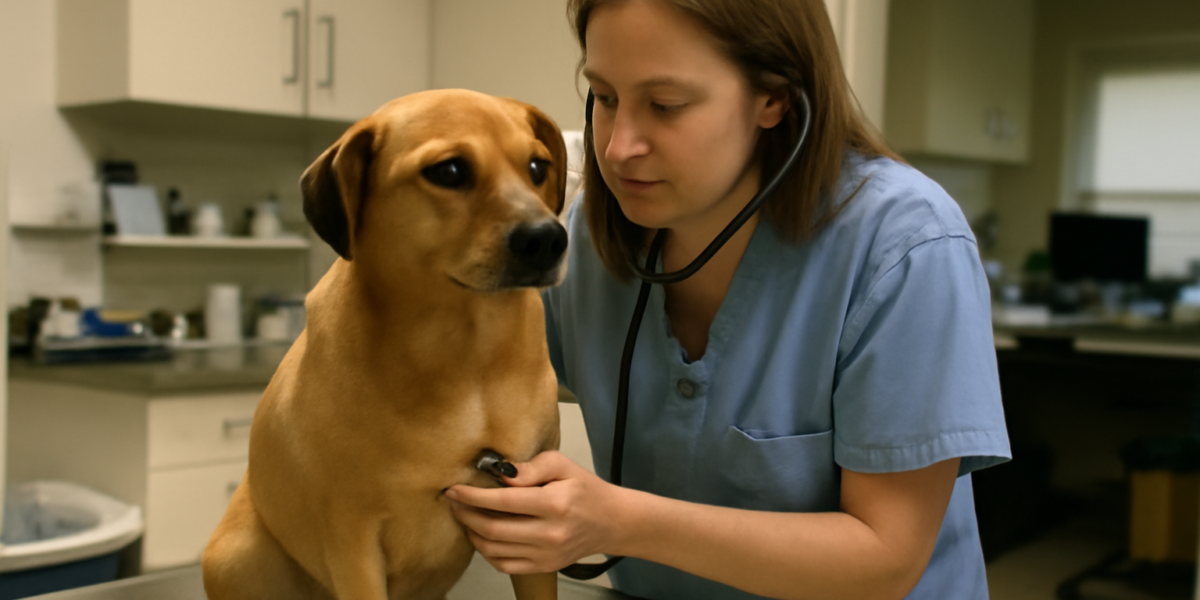
What Is Pyoderma in Dogs?
Pyoderma dogs develop is a bacterial infection of the skin. The most common bacteria involved is Staphylococcus pseudintermedius, a normal resident of canine skin that can cause infection when the skin’s natural defenses are disrupted. Pyoderma is one of the most frequent reasons dogs see veterinarians for skin issues, and it almost always reflects an underlying problem rather than appearing out of nowhere.
In this article
Pyoderma is divided into surface, superficial, and deep forms based on how far the infection extends into the skin. Surface pyoderma involves only the outermost layer; superficial pyoderma involves the epidermis and hair follicles; deep pyoderma reaches the dermis and subcutaneous tissue and is more severe. Each form has distinct features and treatment requirements.
Identifying and addressing the underlying cause is just as important as killing the bacteria. Allergies, hormonal imbalances, parasites, and other skin conditions commonly set up dogs for pyoderma, and recurrence is the rule unless the root cause is managed.
Surface Pyoderma
Surface pyoderma includes hot spots (acute moist dermatitis), skin fold pyoderma (intertrigo), and pyotraumatic dermatitis. These involve only the outer skin surface and respond quickly to local treatment. Hot spots are well-known: a sudden, painful, oozing patch of skin where the dog has been licking or scratching, often visible within hours of starting.
Skin fold pyoderma occurs in folds of skin where moisture and bacteria accumulate. Wrinkly breeds (Bulldogs, Pugs, Shar-Peis), dogs with deep facial folds, and obese dogs with skin folds are particularly prone. Vulvar folds in spayed females and tail folds in screw-tailed breeds are other common sites.
Treatment includes cleaning the affected area, removing moisture sources, clipping the surrounding hair to allow air flow, and applying topical antibacterial medications. Most surface pyoderma responds quickly without systemic antibiotics, although recurrent cases may need ongoing management of the predisposing fold or lifestyle factor.
Superficial Pyoderma
Superficial pyoderma is the most common form. It typically appears as small pustules that rupture and form epidermal collarettes (round patches of scaling with a peeling edge), often with hair loss in the center. Distribution varies by underlying cause, with belly involvement common in allergic dogs.
Symptoms include itchiness (often the reason the dog is brought in), red bumps, scaling, and sometimes a faint odor. Some dogs have hyperpigmented patches where chronic infection has darkened the skin. Concurrent yeast infections are common, especially in dogs with underlying allergies, and add to the discomfort.
Treatment combines systemic antibiotics chosen based on culture (or empirically with first-line antistaphylococcal drugs like cephalosporins) and topical therapy with chlorhexidine or benzoyl peroxide shampoos. Treatment courses are typically three to four weeks, sometimes longer, with rechecks to confirm resolution.
Deep Pyoderma
Deep pyoderma extends into the dermis and subcutaneous tissue. The skin can be markedly inflamed with draining tracts, fistulae, severe pain, fever, and systemic illness. German Shepherds, in particular, are prone to a severe form called German Shepherd pyoderma that can be challenging to control.
Bacterial culture is essential for deep pyoderma because resistant organisms are more common, and the infection is harder to treat empirically. Treatment courses extend to six to twelve weeks or longer, with multiple recheck visits to ensure complete resolution. Topical care continues throughout.
Pain control is important. Severely affected dogs may need anti-inflammatory medication and sometimes hospitalization for intensive wound care. The underlying immune or allergic cause should be aggressively investigated and addressed.
Diagnosis
Cytology is the most useful initial test. Your veterinarian collects samples by tape impression, swab, or aspirate from pustules and examines them under the microscope for bacteria, white blood cells, and other features. Cocci-shaped bacteria within neutrophils confirm pyoderma and guide initial therapy.
Bacterial culture and sensitivity testing should be performed in deep pyoderma, recurrent cases, or any pyoderma that fails initial treatment. Antibiotic resistance, especially methicillin-resistant Staphylococcus pseudintermedius (MRSP), is increasingly common and changes treatment significantly.
The diagnostic workup also looks for underlying causes. Skin scrapings rule out parasites, fungal cultures rule out ringworm, and bloodwork screens for endocrine disease. Allergy testing may follow once the active infection is controlled.
Treatment with Antibiotics
First-line antibiotics for uncomplicated pyoderma include cephalexin and cefpodoxime, which are typically very effective against Staphylococcus pseudintermedius. Treatment is given for at least three weeks for superficial pyoderma and continues for a minimum of one week beyond apparent resolution.
Resistant infections, particularly MRSP, require alternative antibiotics chosen based on culture. Options may include doxycycline, chloramphenicol, or other less commonly used drugs. These cases benefit from input from a dermatologist or internal medicine specialist.
Doses are individualized by your veterinarian. Never share antibiotics between dogs or use leftover human prescriptions. Inappropriate antibiotic use contributes to resistance and may not address the actual organism. Complete the full course even if the dog appears better early.
Topical Therapy
Topical therapy is essential, not optional. Antibacterial shampoos with chlorhexidine, benzoyl peroxide, or ethyl lactate kill bacteria on the skin surface, reduce surface contamination that drives reinfection, and provide soothing relief. Frequency is typically twice weekly during active treatment.
Leave shampoos on for at least ten minutes of contact time before rinsing. Towel dry gently. Some dogs benefit from medicated rinses, sprays, or wipes between shampoo days. Mousse and foam formulations can be useful for dogs who are hard to bath.
For localized lesions, topical antibiotic creams (mupirocin, fusidic acid where available) can be highly effective. These reach high concentrations in the skin without systemic exposure and are particularly useful for early or mild pyoderma when applied promptly.
Identifying Underlying Causes
Pyoderma almost always has an underlying cause. The most common is allergic skin disease (atopic dermatitis, food allergies, flea allergy). Other contributors include endocrine diseases (hypothyroidism, Cushing’s syndrome), parasitic infestations (demodex, sarcoptes, fleas), conformation issues (skin folds), and immunosuppression.
For first episodes of mild pyoderma in a young dog, the underlying cause may not need extensive investigation immediately. For recurrent or chronic pyoderma, a thorough workup is essential. Skin scrapings, fungal culture, complete bloodwork, thyroid testing, and possibly allergy evaluation help identify the root cause.
Treating only the bacterial infection without addressing the underlying issue almost always results in recurrence. The infection comes back, sometimes within weeks of stopping antibiotics, until the predisposing factor is managed.
Preventing Recurrence
Long-term prevention focuses on the underlying cause. Allergic dogs benefit from allergy management with appropriate medications, hypoallergenic diets, immunotherapy, or modifying the environment. Endocrine cases need disease-specific treatment. Anatomic predispositions (deep skin folds) may benefit from surgical correction in selected cases.
Regular maintenance bathing with antibacterial shampoo (often weekly or every other week) helps reduce surface bacteria and prevent reinfection. The right shampoo and frequency depends on the individual dog and is tailored by the veterinarian. Avoid over-bathing, which can dry out skin and worsen problems. Conditioner formulations or moisturizing rinses may follow medicated shampoos to protect the skin barrier.
Diet and supplements supporting skin health can help. Omega-3 fatty acids reduce inflammation and improve skin barrier function. Many veterinarians recommend therapeutic doses for dogs with chronic skin disease. Dietary changes for food-allergic dogs are especially important.
Antibiotic Stewardship
Veterinary medicine has become more thoughtful about antibiotic use because of growing resistance, especially with MRSP. Treating pyoderma appropriately means using the right drug for the right duration based on cytology and culture, completing courses fully, and preferring topical therapy when possible.
Empirical treatment with first-line drugs is appropriate for uncomplicated cases, but recurrent or refractory cases warrant culture-guided therapy. Avoid rotating antibiotics unnecessarily; this can promote resistance without actually solving the underlying problem. Save medications like fluoroquinolones for confirmed indications rather than as routine empirical choices.
If you and your veterinarian discuss whether antibiotics are truly needed for a mild surface infection, that is good practice. Topical-only treatment is often sufficient and avoids systemic antibiotic exposure. Hand washing and good hygiene around any pyoderma case are sensible, especially with MRSP, which can rarely be transmitted between pets and humans.
Related Skin and Underlying Disease Topics
Pyoderma overlaps with many other skin conditions. Atopic dermatitis, food allergies, demodex, and yeast infections often coexist or alternate with pyoderma. The diagnostic and treatment approach has to consider this whole-skin picture, not just the bacteria.
For broader dog health reading, the dog care blog covers skin care, allergy management, and senior wellness. The adopt a dog hub includes guidance on what to ask about a dog’s skin history when considering adoption. Pyoderma is treatable and not a barrier to a great match; it just shapes the routine you build with your new companion.
Frequently Asked Questions
Is pyoderma dogs have contagious?
The bacteria involved in pyoderma are usually normal residents of canine skin, not contagious pathogens. Other dogs and cats are typically not at risk. Methicillin-resistant strains (MRSP) can sometimes spread between animals and rarely to humans, so good hygiene around any infected pet is wise.
How long does treatment take?
Superficial pyoderma typically responds within three to four weeks of appropriate treatment, with continuing for one to two weeks beyond resolution. Deep pyoderma takes much longer, often six to twelve weeks. Stopping early often results in relapse with a more difficult-to-treat infection.
Will my dog need antibiotics every time?
Mild surface pyoderma can often be managed with topical therapy alone. Superficial and deep pyoderma typically require systemic antibiotics chosen based on cytology and culture. Identifying and managing underlying causes reduces the need for repeated antibiotic courses.
Why does my dog keep getting pyoderma?
Recurrent pyoderma almost always reflects an underlying issue, most commonly allergic skin disease, endocrine disease, or parasitic infestation. A thorough workup to identify and manage the root cause is essential to break the cycle of recurrent infections.
Can I bathe my dog too often?
Therapeutic bathing with appropriate shampoos, typically twice weekly during active treatment, is beneficial and not overdone. Routine over-bathing with harsh shampoos can disrupt the skin barrier and worsen problems. Use the products and schedule your veterinarian recommends.
When should I call my veterinarian?
Call when you notice persistent itchy spots, pustules, scaling, hair loss, or any unusual skin lesion. Recurrent issues warrant a comprehensive workup rather than another round of empirical antibiotics. Same-week evaluation is appropriate for most pyoderma; severe deep infections or systemic illness deserve same-day care.


